
#Global Security
Total 28 articles
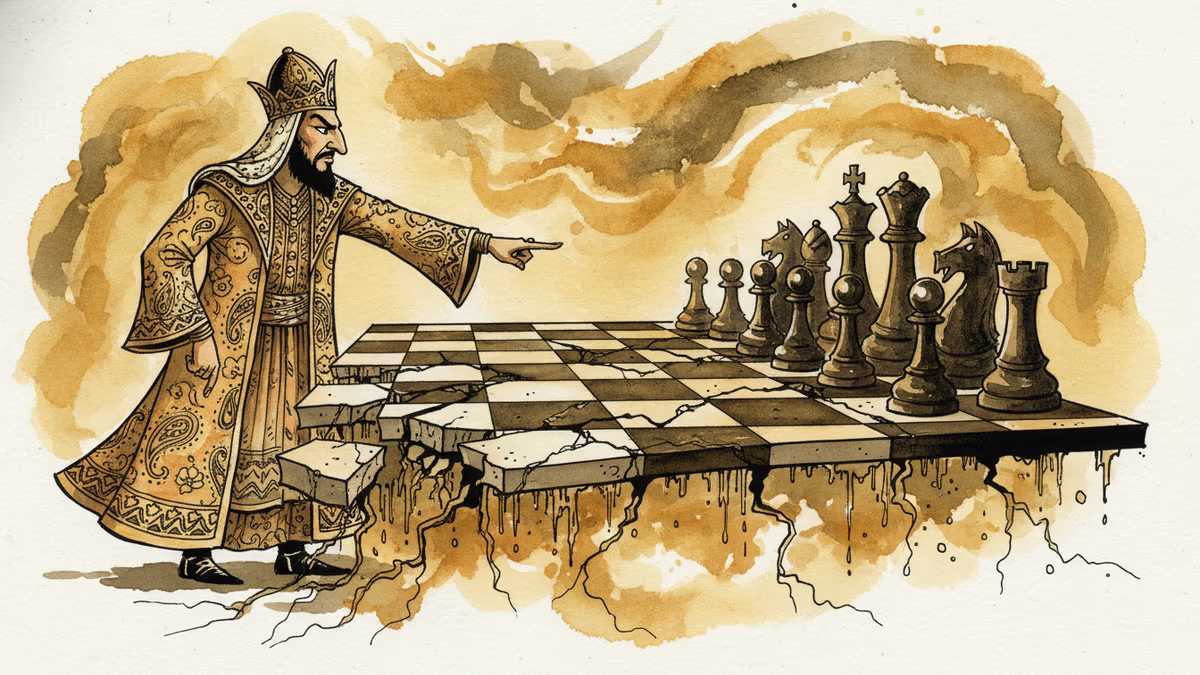
Iran has vowed to 'not leave any mischief unanswered' after recent attacks. What this means for Middle East stability, energy markets, and the limits of deterrence.
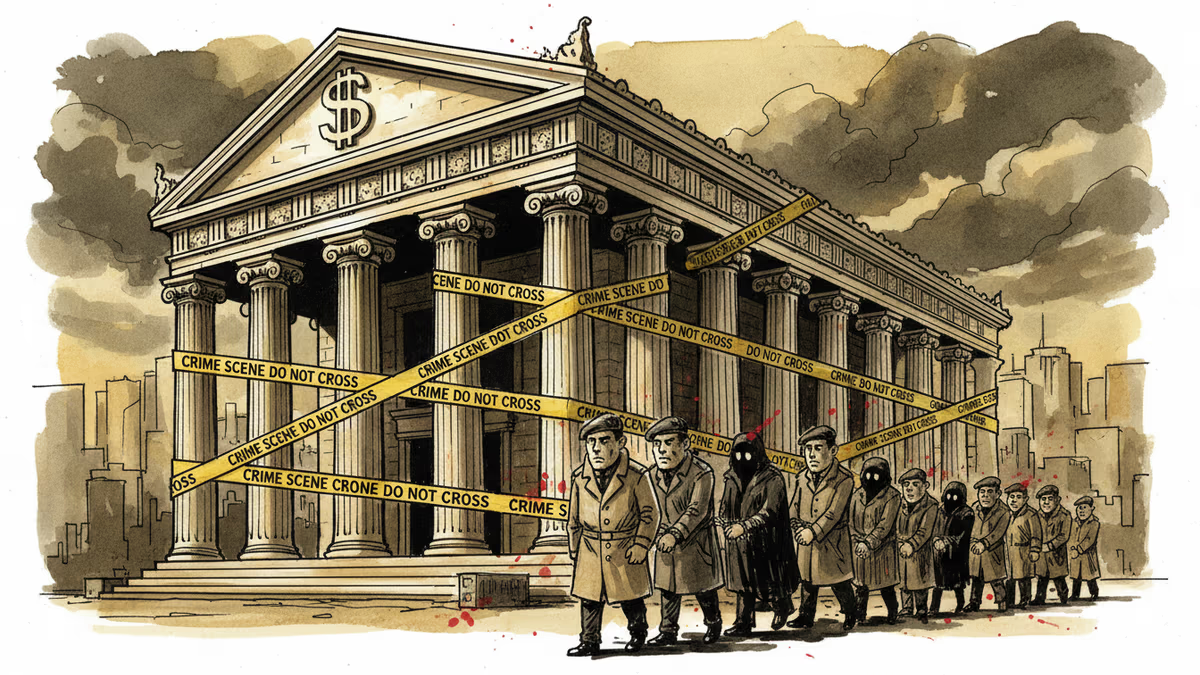
French authorities arrested two more suspects in a foiled bomb attack on a Bank of America branch in Paris. What does it mean when global banks become geopolitical targets?
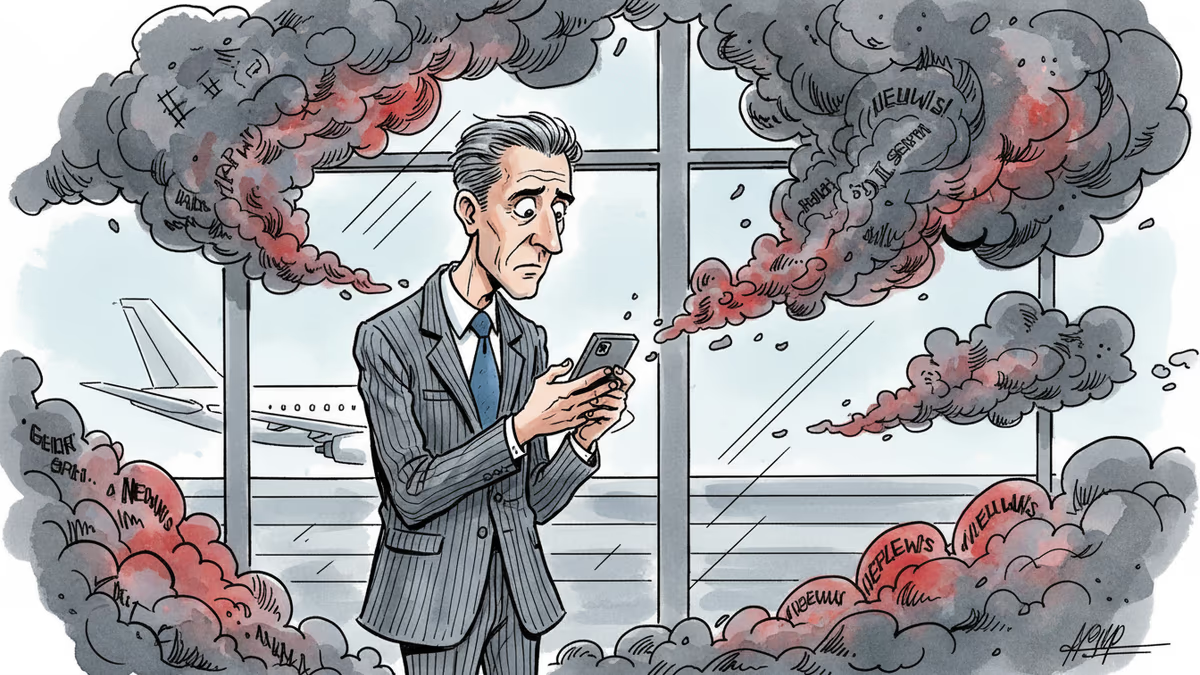
President Lee orders emergency protocols while traveling abroad as Iran's supreme leader reportedly killed in joint U.S.-Israeli strike. What this means for global stability.

PRISM by Liabooks
Place your ad in this space
[email protected]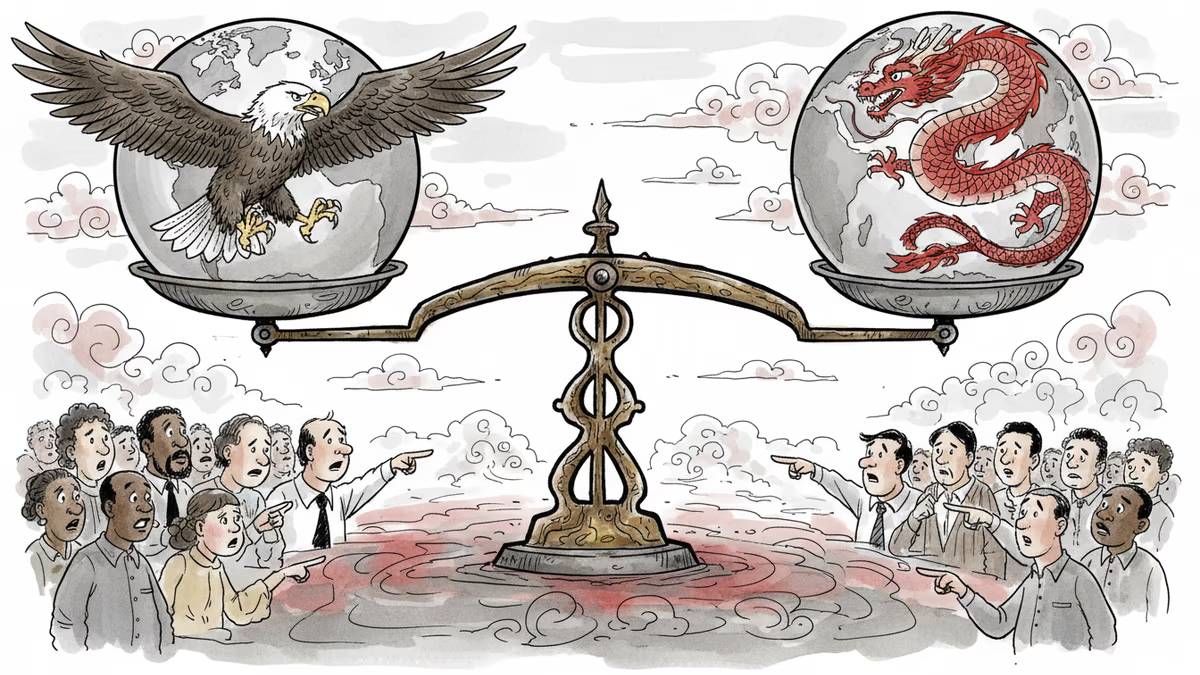
A Munich Security Conference report reveals shifting threat perceptions, with the US appearing more threatening to Western allies while China's image improves, despite regional security concerns in the Indo-Pacific.
The Pentagon's US National Defense Strategy 2026 pivots focus to homeland security and the Western Hemisphere, downgrading China and demanding more from allies.
Explore the China national security strategy 2026 as Beijing pivots toward technology and energy self-sufficiency amidst a worsening global security landscape and trade war risks.

Explore the critical Gaza ceasefire phase two hurdles as of Jan 19, 2026. Analysis of Israel-Hamas disputes, regional volatility, and the global economic impact.
PRISM by Liabooks
Place your ad in this space
[email protected]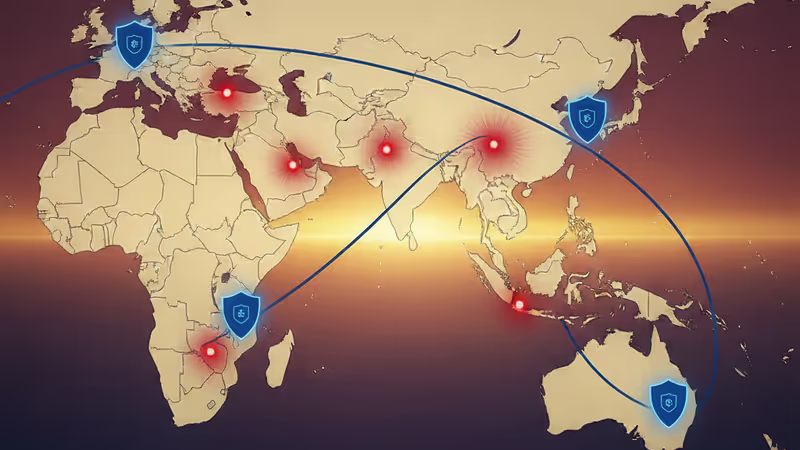
Explore the impact of the China Global Security Initiative GSI 2025 in South Asia, analyzing India's pushback and the growing influence of Beijing.

Australian logistics giant Toll Group has bid for a $12.9 billion U.K. Ministry of Defence contract. This marks the company's largest overseas defense move to date.
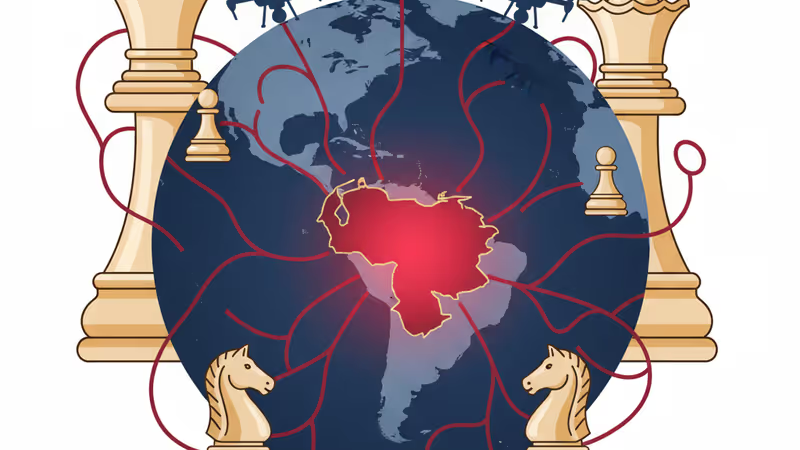
On January 10, 2026, the US captured Nicolas Maduro in a surprise military operation in Venezuela. Explore the strategic impact on Russia, China, and global power shifts.

President Trump discusses Venezuela oil extraction with US oil bosses as geopolitical tensions rise in Syria, Israel, and Myanmar in January 2026.
PRISM by Liabooks
Place your ad in this space
[email protected]
US forces seized two Venezuela-linked oil tankers in the Caribbean and North Atlantic. This report covers the impact of energy sanctions and concurrent crises in Syria and DR Congo.
