

Samsung's Galaxy S26 AI Push Raises the Specter of 'Slop
As Samsung prepares to unveil more AI features in the Galaxy S26 series, concerns grow about AI-generated content flooding user experiences. What's the real cost of convenience?
When More AI Means Less Authenticity
Tomorrow's Samsung Unpacked event will likely showcase another wave of AI-powered features for the Galaxy S26 series. But a recent Samsung blog post reveals something troubling: the company's vision of a "seamless camera experience" includes turning puppy photos into stickers and AI-filling photo backgrounds.
Welcome to the age of AI slop on your smartphone.
The term "slop" describes low-quality, AI-generated content that floods digital spaces with synthetic noise. We've seen it pollute search results and social media. Now it's coming for your camera roll.
The Convenience Trap
Samsung's new AI camera features promise effortless photo enhancement. Tap a few buttons, and your mundane snapshot becomes Instagram-ready. Backgrounds get filled with AI-generated scenery. Subjects get artificially enhanced lighting. It's technically impressive.
But here's the uncomfortable question: **Is an AI-enhanced photo still your photo?**
Google wrestles with this too. The company is considering watermarks for AI-edited images. Apple takes a more conservative approach, clearly labeling when AI has been used. The industry is struggling to define the boundaries between enhancement and fabrication.
The problem isn't just philosophical. When everyone's photos look artificially perfect, what happens to authentic moments? When AI can generate any background or fix any flaw, do our real experiences still matter?
The Slippery Slope of Synthetic Memories
Consider the trajectory. Today, AI removes blemishes and adjusts lighting. Tomorrow, it might add people who weren't there or change facial expressions. Where's the line?
Tech ethicist Dr. Sarah Chen warns: "We're creating a generation that might struggle to distinguish between authentic and synthetic memories. When your phone automatically 'improves' every photo, you lose the ability to see reality clearly."
The concern isn't hypothetical. Studies show that people already struggle to remember whether they experienced events or just saw enhanced photos of them. AI-powered cameras could accelerate this phenomenon.

Different Paths, Same Problem
Tech giants are taking varied approaches to this challenge:
Apple emphasizes user control and transparency. Its AI features require explicit user consent and clear labeling.
Google embeds editing metadata in photos but doesn't always surface this information to users.
Samsung hasn't articulated a clear philosophy yet. Tomorrow's Unpacked event might reveal whether the company sees AI slop as a problem worth solving.
The stakes are higher than photo quality. These decisions shape how billions of people document and remember their lives.
Beyond the Slop: A Better Way Forward
The solution isn't to abandon AI photography features. Instead, we need intentional design that preserves user agency.
Some proposals gaining traction:
- Preservation-first editing: Always save the original, offer AI enhancements as optional layers
- Granular controls: Let users choose specific AI features rather than blanket "enhancement"
- Transparency indicators: Show exactly what AI changed, similar to Wikipedia's edit history
- "AI nutrition labels": Display the percentage of AI modification in each photo
The goal isn't to eliminate AI assistance but to ensure users understand and control when it's applied.
The Authenticity Economy
Interestingly, as AI-generated content proliferates, authentic, unedited content may become more valuable. We're already seeing "no filter" movements on social media and demand for "raw" photography.
This creates a paradox: The more sophisticated our AI enhancement tools become, the more we might crave genuine, unprocessed experiences. Samsung and its competitors will need to navigate this tension carefully.
Related Reading
- [The Psychology of AI-Enhanced Photography]()
- [How Tech Giants Handle AI Transparency]()
- [The Future of Authentic Digital Experiences]()
Authors
Related Articles

Samsung and SK unveiled a chip and AI investment package worth thousands of trillions of won on June 29. The headline number swings wildly by outlet, but the real contest isn't capital — it's water and power.
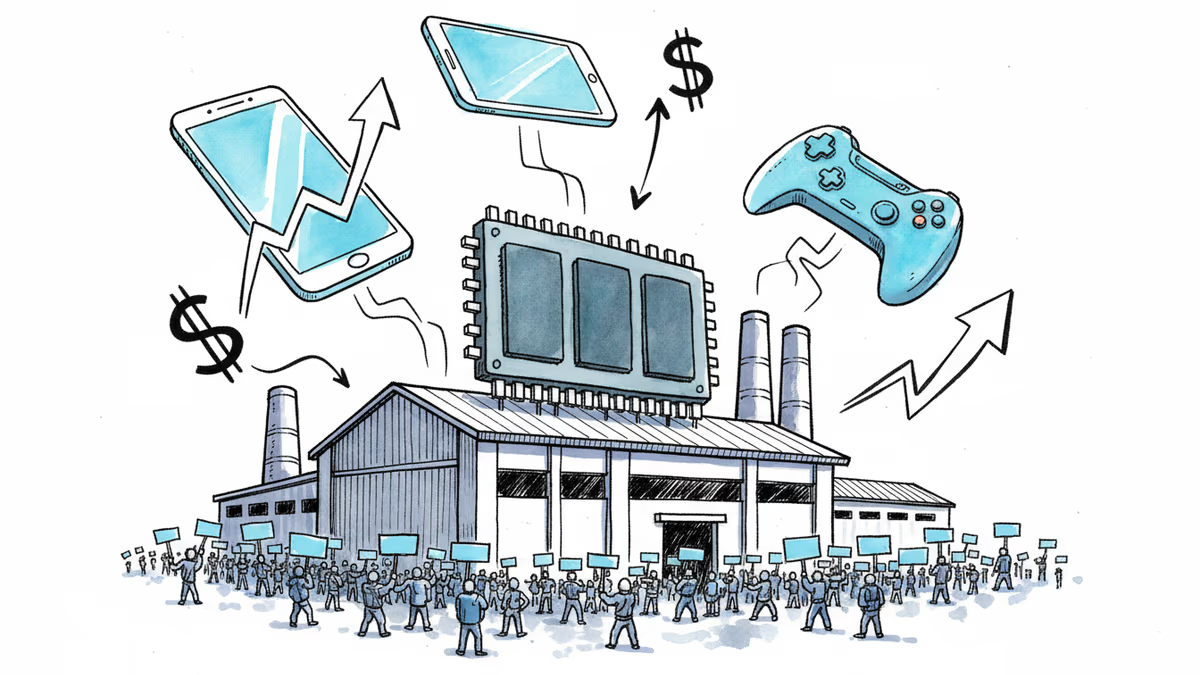
40,000 Samsung union workers rallied at its Pyeongtaek chip plant, threatening an 18-day strike over wages. With AI-driven RAM shortages already lifting consumer prices, the timing couldn't be worse.

Memory makers can't build fabs fast enough. By end of 2027, supply will cover just 60% of demand. Here's why the shortage could last until 2030—and what it means for AI, your devices, and the chip industry.
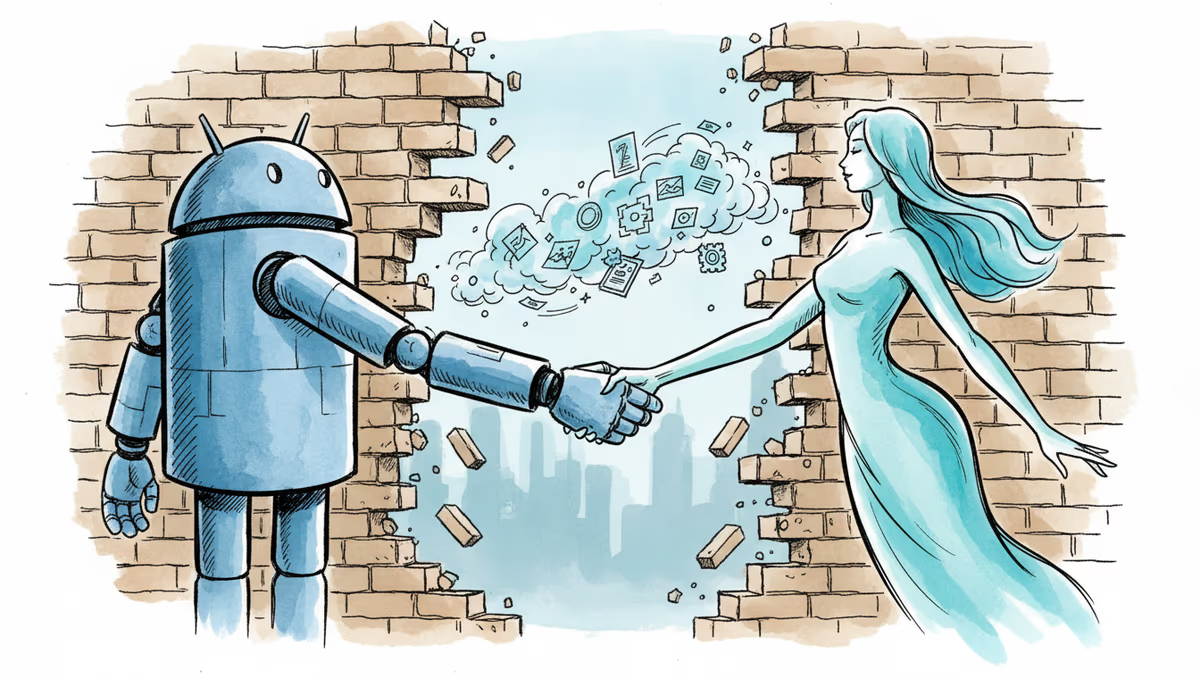
Samsung's Galaxy S26 now supports AirDrop through Quick Share, making cross-platform file sharing seamless. What does it mean when Android starts dismantling one of Apple's most beloved moats?
Samsung and SK unveiled a chip and AI investment package worth thousands of trillions of won on June 29. The headline number swings wildly by outlet, but the real contest isn't capital — it's water and power.
40,000 Samsung union workers rallied at its Pyeongtaek chip plant, threatening an 18-day strike over wages. With AI-driven RAM shortages already lifting consumer prices, the timing couldn't be worse.
Memory makers can't build fabs fast enough. By end of 2027, supply will cover just 60% of demand. Here's why the shortage could last until 2030—and what it means for AI, your devices, and the chip industry.
Samsung's Galaxy S26 now supports AirDrop through Quick Share, making cross-platform file sharing seamless. What does it mean when Android starts dismantling one of Apple's most beloved moats?
Thoughts
Share your thoughts on this article
Sign in to join the conversation