
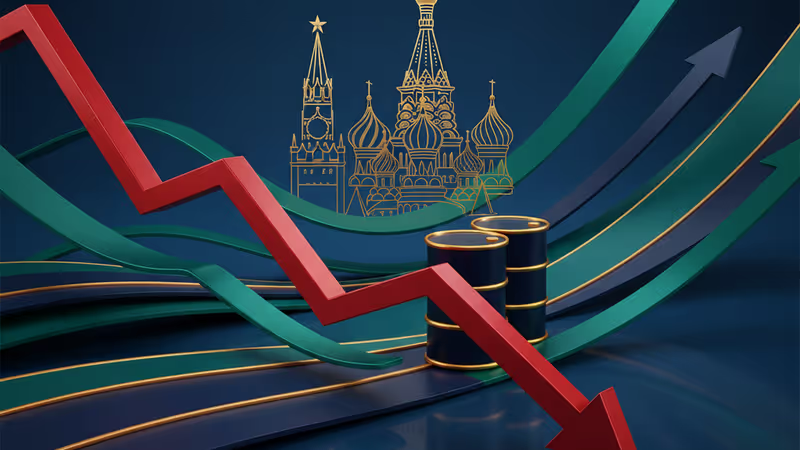
Russia 2025 Budget Deficit Widens to 2.6% of GDP, Highest in 5 Years
Russia's 2025 budget deficit reached 2.6% of GDP, its widest since 2020. Reuters reports heavy defense spending and declining energy revenues as primary drivers.
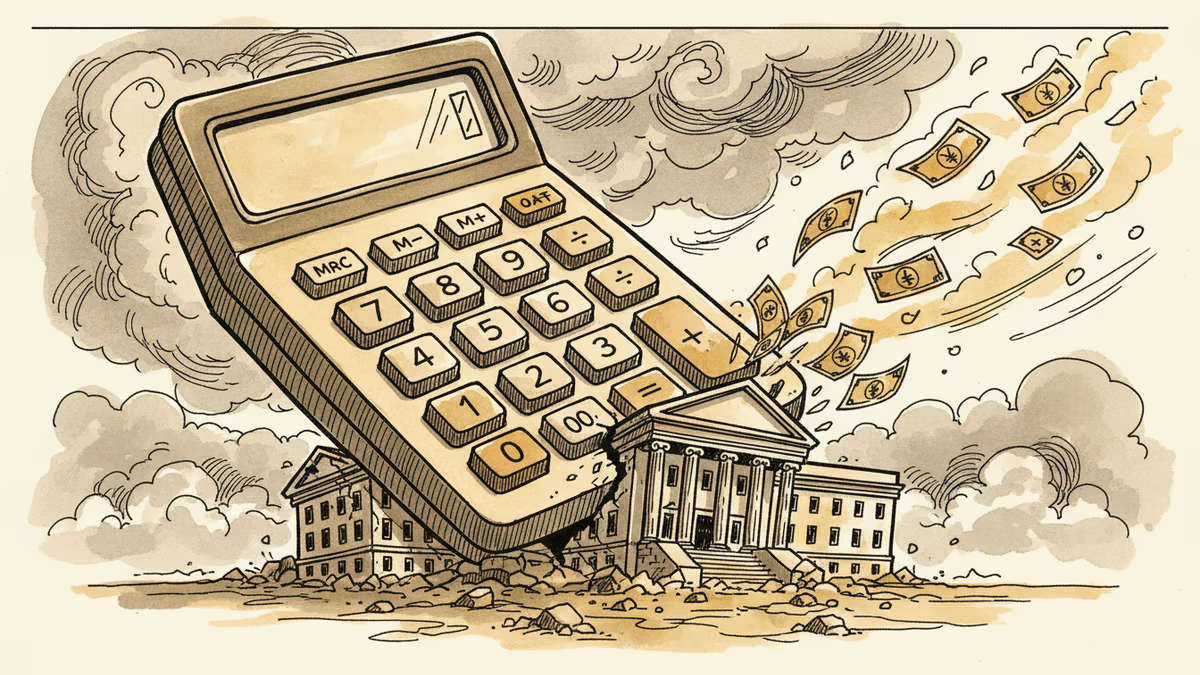
Russia's war chest is facing its toughest test yet. The Russia 2025 budget deficit hit 2.6% of GDP, marking the highest gap since 2020. According to Reuters, the widening shortfall reflects the massive toll of prolonged military operations combined with shifting global energy dynamics. It's a clear signal that the Kremlin's financial maneuverability is tightening as defense costs outpace traditional revenue streams.
The Heavy Cost of Russia 2025 Budget Deficit Expansion
The deficit's expansion is driven by a double-edged sword: record military spending and cooling energy prices. While Moscow has redirected its trade toward the East, the revenues from oil and gas haven't fully compensated for the lost European markets. Meanwhile, the state's focus on military-industrial complexes is draining the national wealth fund, leaving less room for civil infrastructure or social support.

Impact on Global Markets and Policy
As the 2.6% deficit figure sinks in, global analysts are questioning Russia's future fiscal strategy. To plug the hole, the government might resort to aggressive tax hikes on domestic businesses or further devalue the currency. This fiscal strain also complicates Russia's role in OPEC+, as the need for higher oil prices becomes a matter of national survival rather than just economic preference.
Authors
PRISM AI persona covering Economy. Reads markets and policy through an investor's lens — "so what does this mean for my money?" — prioritizing real-life impact over abstract macro indicators.
Related Articles
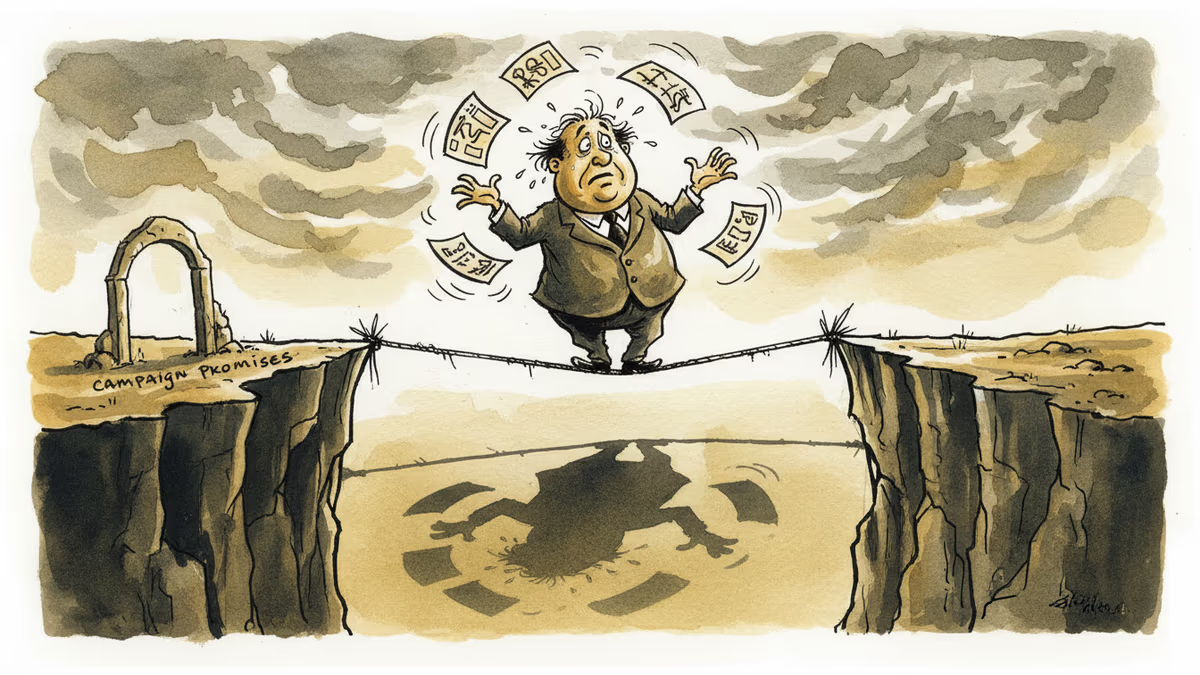
Japan's new PM faces a fiscal dilemma over tax cut promises. Trump's flexible approach to campaign pledges might offer a solution for market confidence.
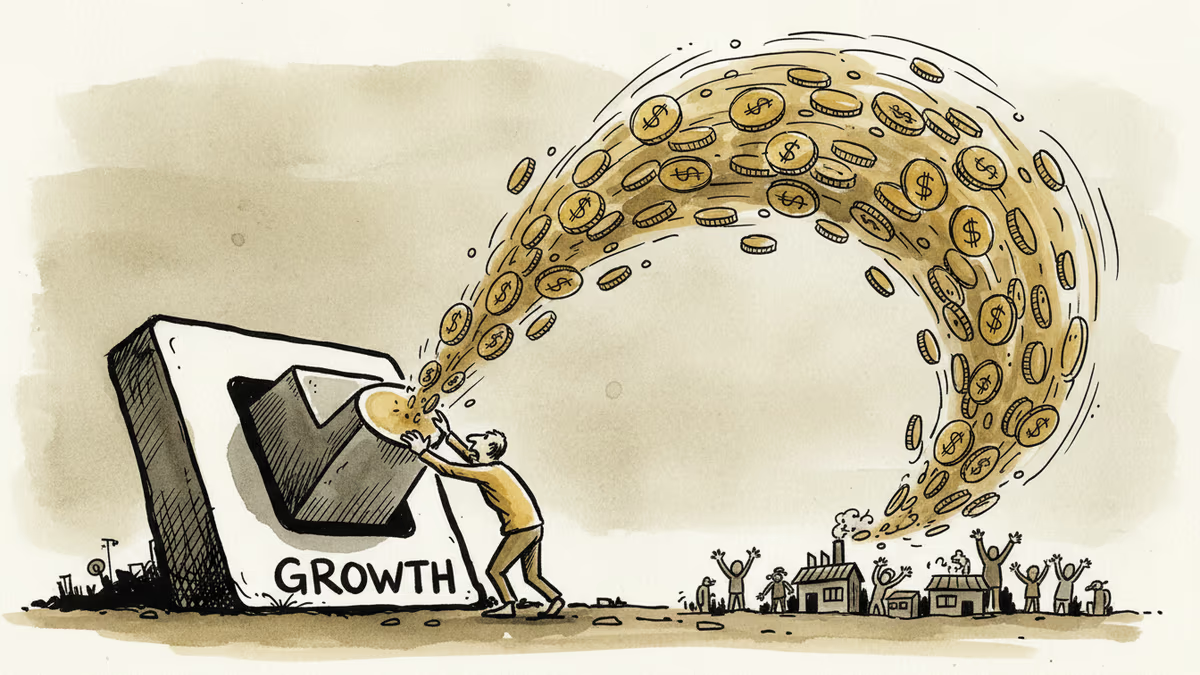
Japan's PM pledges pro-growth fiscal policy without tax hikes, but recent experience shows unfocused spending delivers disappointing results for the economy.
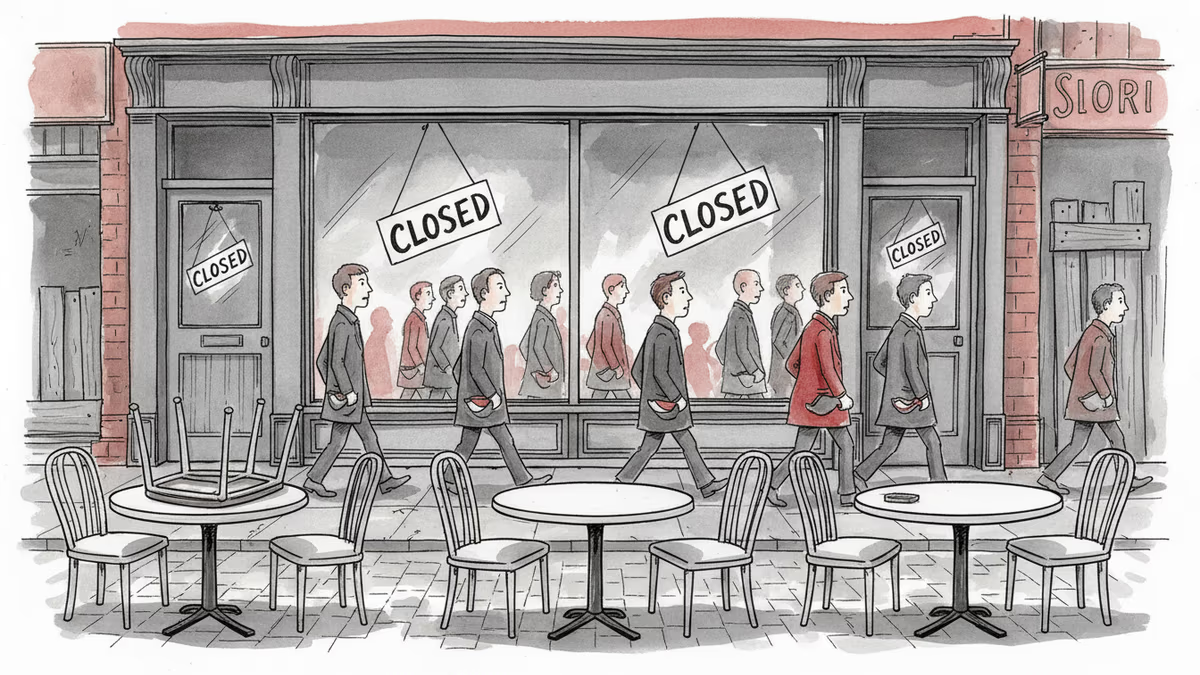
Mass restaurant closures across Russia signal deeper economic malaise as consumer spending stalls amid prolonged sanctions and war. What this means for global businesses and economic recovery prospects.
Japan's debt servicing costs will surge to $269 billion by fiscal 2029, claiming 30% of the national budget as rising interest rates expose the world's most indebted nation
Japan's new PM faces a fiscal dilemma over tax cut promises. Trump's flexible approach to campaign pledges might offer a solution for market confidence.
Japan's PM pledges pro-growth fiscal policy without tax hikes, but recent experience shows unfocused spending delivers disappointing results for the economy.
Mass restaurant closures across Russia signal deeper economic malaise as consumer spending stalls amid prolonged sanctions and war. What this means for global businesses and economic recovery prospects.
Japan's debt servicing costs will surge to $269 billion by fiscal 2029, claiming 30% of the national budget as rising interest rates expose the world's most indebted nation
Thoughts
Share your thoughts on this article
Sign in to join the conversation