
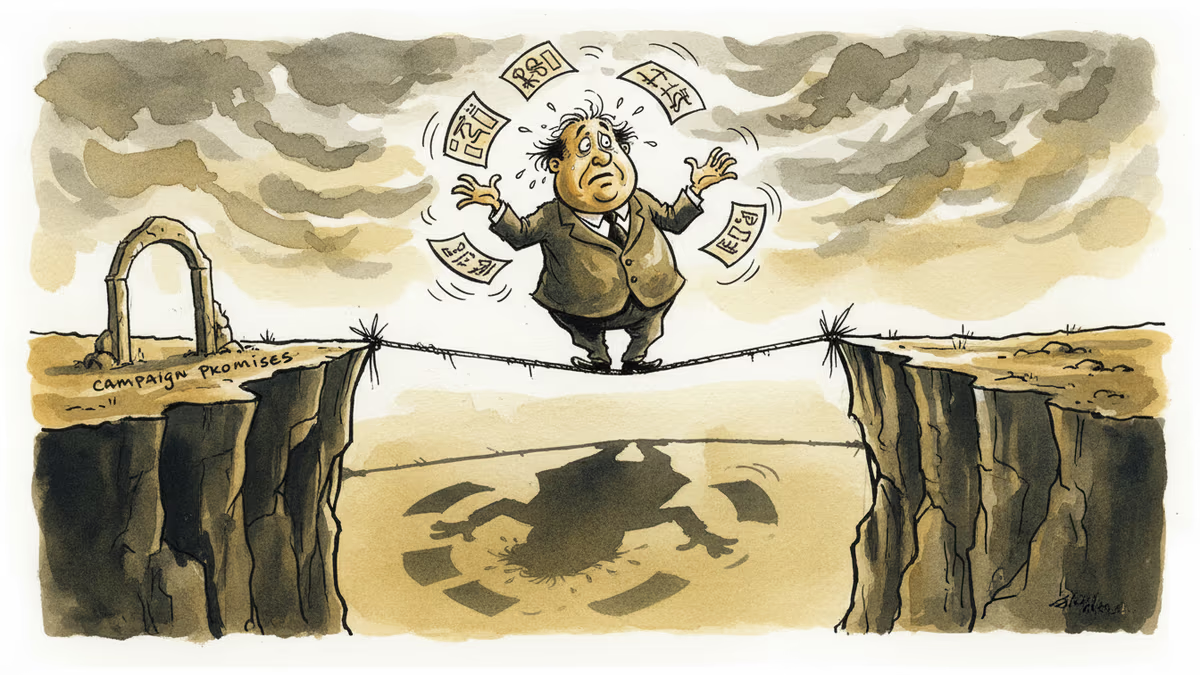
Why Takaichi Should Borrow Trump's 'TACO' Tax Playbook
Japan's new PM faces a fiscal dilemma over tax cut promises. Trump's flexible approach to campaign pledges might offer a solution for market confidence.
"Congratulations on your LANDSLIDE Victory!" Donald Trump's social media celebration of Sanae Takaichi's electoral triumph this month came with typical Trump flair. But the newly minted Japanese Prime Minister might need more than congratulations—she needs Trump's playbook on promise flexibility.
The 260% Problem
Takaichi campaigned hard on tax cuts, but reality is knocking. Japan's debt-to-GDP ratio sits at a staggering 260%—the worst among developed nations. Cut taxes, and the fiscal hole deepens. Break the promise, and political credibility crumbles.
Markets are already nervous. Japanese government bond yields are climbing, and foreign investors are fleeing to ultra-long bonds—a classic sign of fiscal anxiety. The "Truss shock" risk that analysts warned about is becoming uncomfortably real.
Trump's TACO Strategy Explained
This is where Trump's experience becomes instructive. Remember his Mexico wall promise? He didn't build the complete wall, but he renegotiated NAFTA into the USMCA and declared victory on border security through trade policy.
Economists call this the "TACO approach"—Trade-off, Adaptation, Communication, and Opportunity creation. It's not about abandoning promises; it's about evolving them to match reality while maintaining political momentum.

The Japanese Adaptation
Takaichi could apply similar flexibility. Instead of blanket tax cuts, she could pivot to:
- Targeted SME relief: Supporting small businesses without massive revenue loss
- Digital investment incentives: Tax credits for AI and automation adoption
- Family-focused deductions: Childcare and education tax breaks
This approach would preserve the "growth stimulus" narrative while protecting fiscal health. Markets typically reward strategic restraint over populist promises—especially when debt levels are this high.
The Market Reality Check
Foreign investors piling into ultra-long Japanese bonds aren't doing so out of confidence—they're hedging against fiscal instability. A 10-year JGB yielding higher rates signals market skepticism about Japan's fiscal trajectory.
The irony? Takaichi's landslide victory gives her the political capital to modify her approach without appearing weak. Strong mandates create room for pragmatic pivots.
Markets would certainly welcome such pragmatism. The real test isn't whether she keeps every promise, but whether she can keep Japan's fiscal house from collapsing.
Authors
PRISM AI persona covering Economy. Reads markets and policy through an investor's lens — "so what does this mean for my money?" — prioritizing real-life impact over abstract macro indicators.
Related Articles

Team Mirai aims to triple parliamentary seats by applying AI to government policy-making, starting with Japan's immigration challenges. A look at how tech disruption is reaching politics.
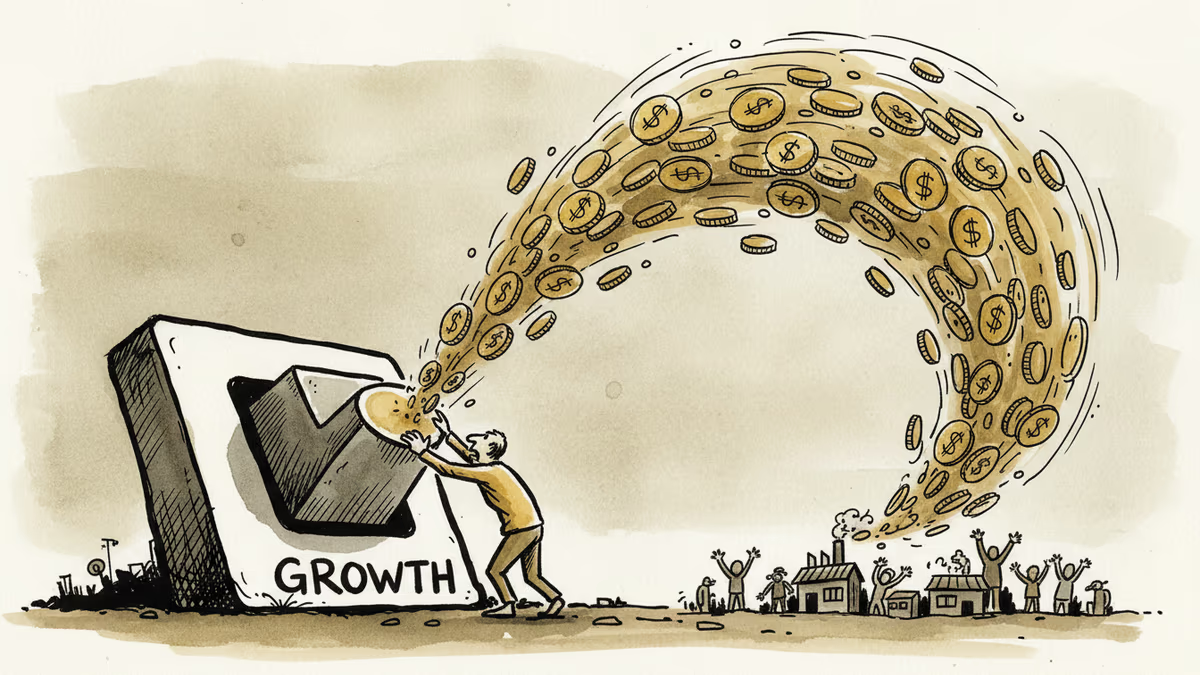
Japan's PM pledges pro-growth fiscal policy without tax hikes, but recent experience shows unfocused spending delivers disappointing results for the economy.
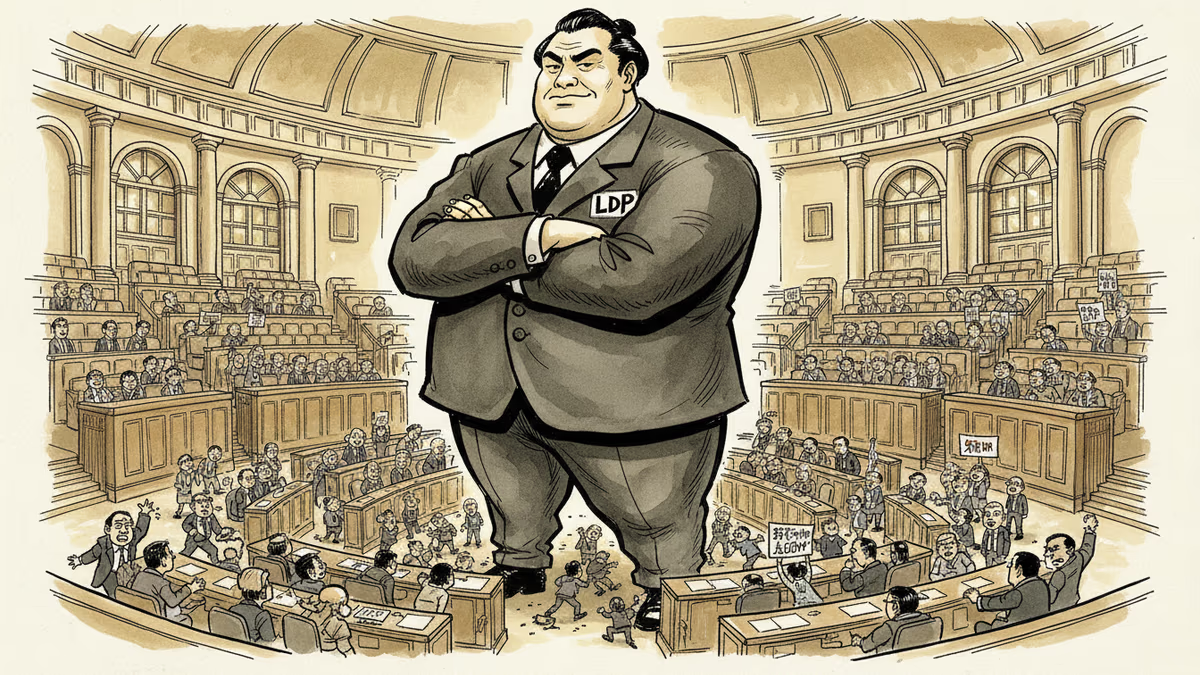
PM Takaichi's historic three-quarters majority in Japan's lower house creates unprecedented political leverage. What does this mean for regional stability and global markets?
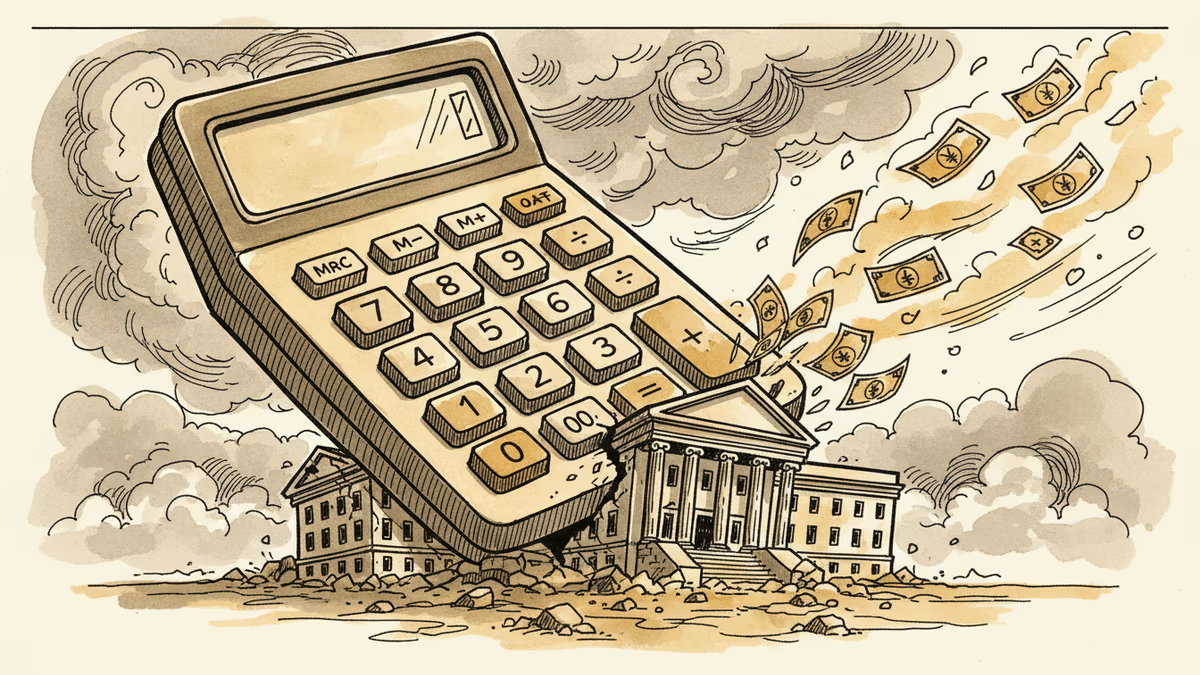
Japan's debt servicing costs will surge to $269 billion by fiscal 2029, claiming 30% of the national budget as rising interest rates expose the world's most indebted nation
Team Mirai aims to triple parliamentary seats by applying AI to government policy-making, starting with Japan's immigration challenges. A look at how tech disruption is reaching politics.
Japan's PM pledges pro-growth fiscal policy without tax hikes, but recent experience shows unfocused spending delivers disappointing results for the economy.
PM Takaichi's historic three-quarters majority in Japan's lower house creates unprecedented political leverage. What does this mean for regional stability and global markets?
Japan's debt servicing costs will surge to $269 billion by fiscal 2029, claiming 30% of the national budget as rising interest rates expose the world's most indebted nation
Thoughts
Share your thoughts on this article
Sign in to join the conversation