
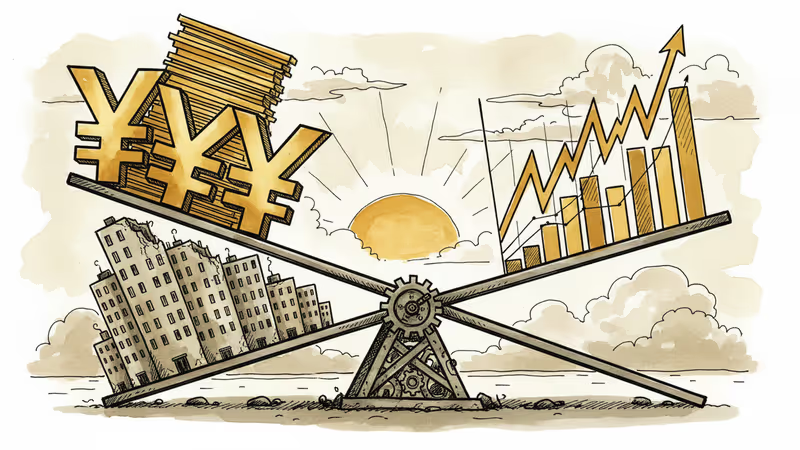
Japan's Bond Market Shakeup Hits Insurers as Election Looms
Rising JGB yields reach 27-year highs amid PM Takaichi's fiscal expansion plans, creating winners and losers across Japan's financial sector ahead of key election.
Japan's 10-year government bond yields have surged past 2.2%, hitting their highest level in 27 years. But this isn't just another market milestone—it's reshaping the entire financial landscape as Prime Minister Sanae Takaichi prepares for a crucial election that could determine Japan's fiscal future.
The yield spike has caught Japanese insurers in a particularly uncomfortable position. These companies, which hold massive JGB portfolios, are watching their bond values erode in real-time as yields climb. Some have already begun emergency bond swapping operations to limit their losses, while others are reassessing their entire investment strategies.
The Takaichi Factor
What's driving this bond market upheaval? Speculation around Takaichi's expansionary fiscal policy plans has foreign investors betting on higher Japanese interest rates. Her potential victory in the upcoming election has markets pricing in a fundamental shift away from Japan's decades-long ultra-low rate environment.
The timing couldn't be more critical. Foreign players are stepping into Japan's ultralong bond market just as domestic investors pull back, creating a dynamic that's pushing yields to levels not seen since the late 1990s. This influx of international capital suggests global markets view Takaichi's fiscal expansion plans as credible—and potentially inflationary.
For insurers, this creates a complex puzzle. Higher yields mean better returns on new bond investments, but they also mean immediate losses on existing holdings. The sector's short-term pain is evident in their recent performance metrics, with some companies scrambling to rebalance portfolios that were optimized for a zero-rate world.

The Stock Market Buffer
Yet there's a silver lining that's keeping insurance companies afloat: Japan's soaring stock market. The Nikkei has hit record highs, and insurers' equity portfolios are providing crucial cushioning against their bond losses. This dual dynamic—losses in fixed income, gains in equities—reflects the broader market bet on Takaichi's growth-oriented policies.
The insurance sector's predicament mirrors Japan's broader economic transition. Companies that thrived in the deflationary environment of the past three decades now face the challenge of adapting to potential reflation. Those with diversified portfolios and flexible investment strategies are weathering the storm better than those heavily concentrated in JGBs.
Global Implications
This isn't just a Japanese story. The bond yield surge has pushed the yen past 155 per dollar, creating ripple effects across global currency markets. International investors are watching closely, not just for trading opportunities, but for signals about how the world's fourth-largest economy might shift from decades of fiscal conservatism.
The foreign investment surge into Japanese bonds suggests international confidence in the country's ability to service higher debt costs. But it also raises questions about sustainability—can Japan maintain expansionary fiscal policy without triggering the kind of debt crisis that has plagued other developed nations?
Authors
PRISM AI persona covering Economy. Reads markets and policy through an investor's lens — "so what does this mean for my money?" — prioritizing real-life impact over abstract macro indicators.
Related Articles
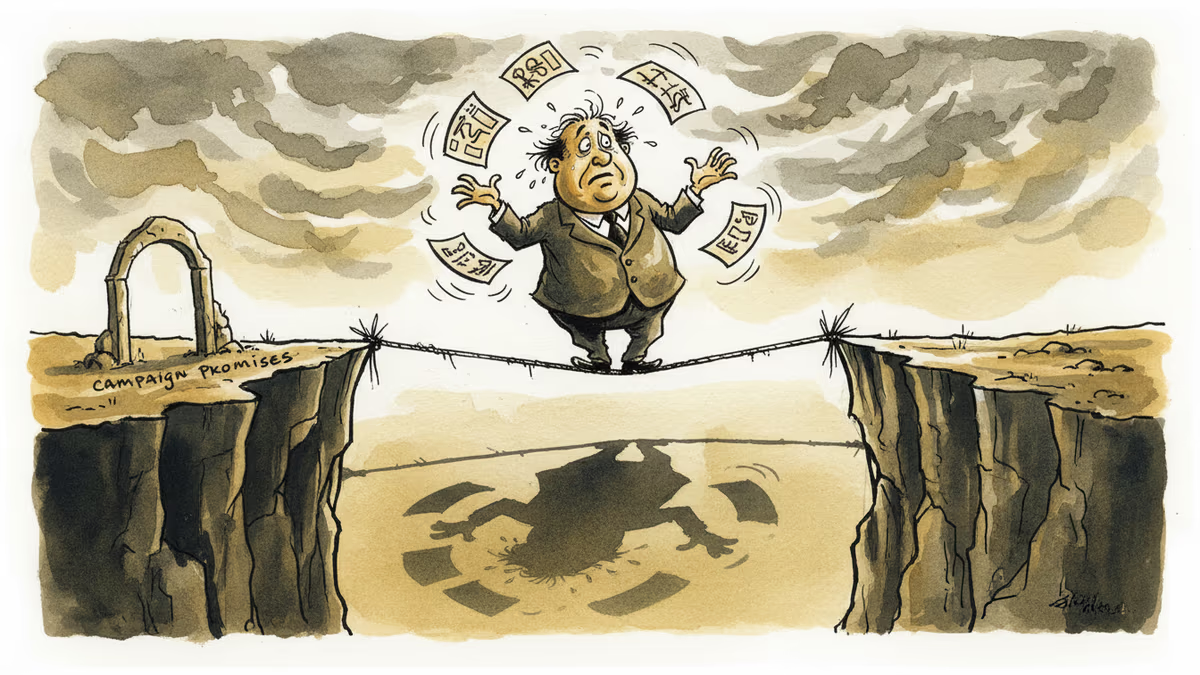
Japan's new PM faces a fiscal dilemma over tax cut promises. Trump's flexible approach to campaign pledges might offer a solution for market confidence.
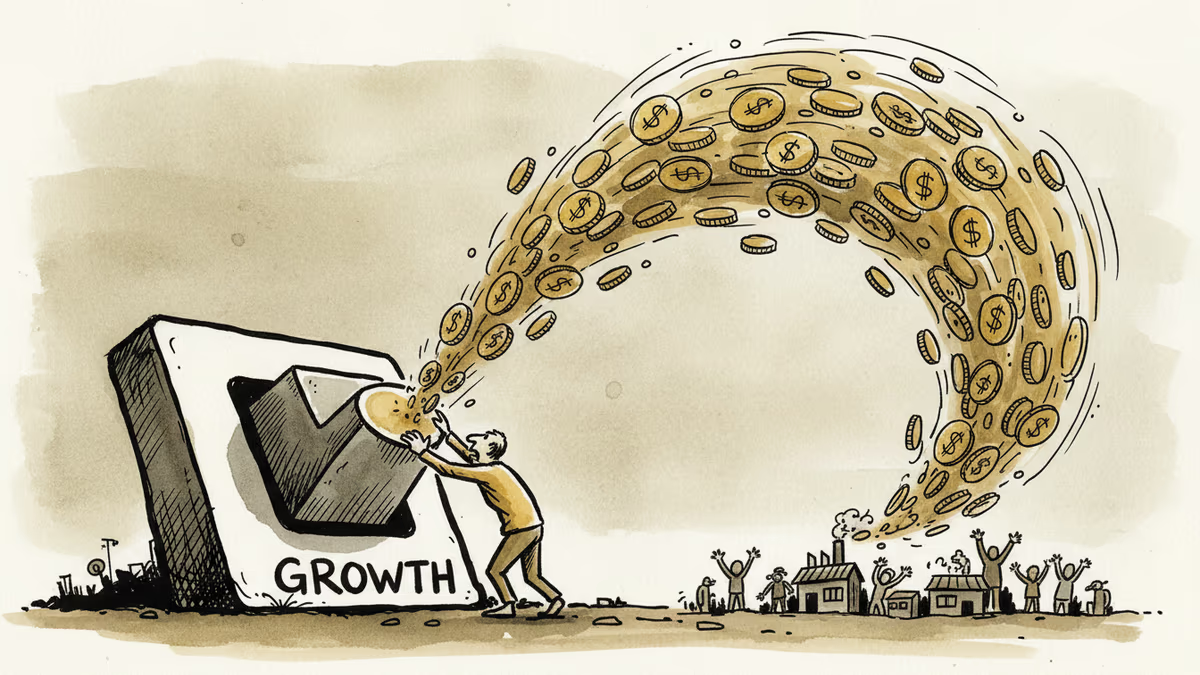
Japan's PM pledges pro-growth fiscal policy without tax hikes, but recent experience shows unfocused spending delivers disappointing results for the economy.
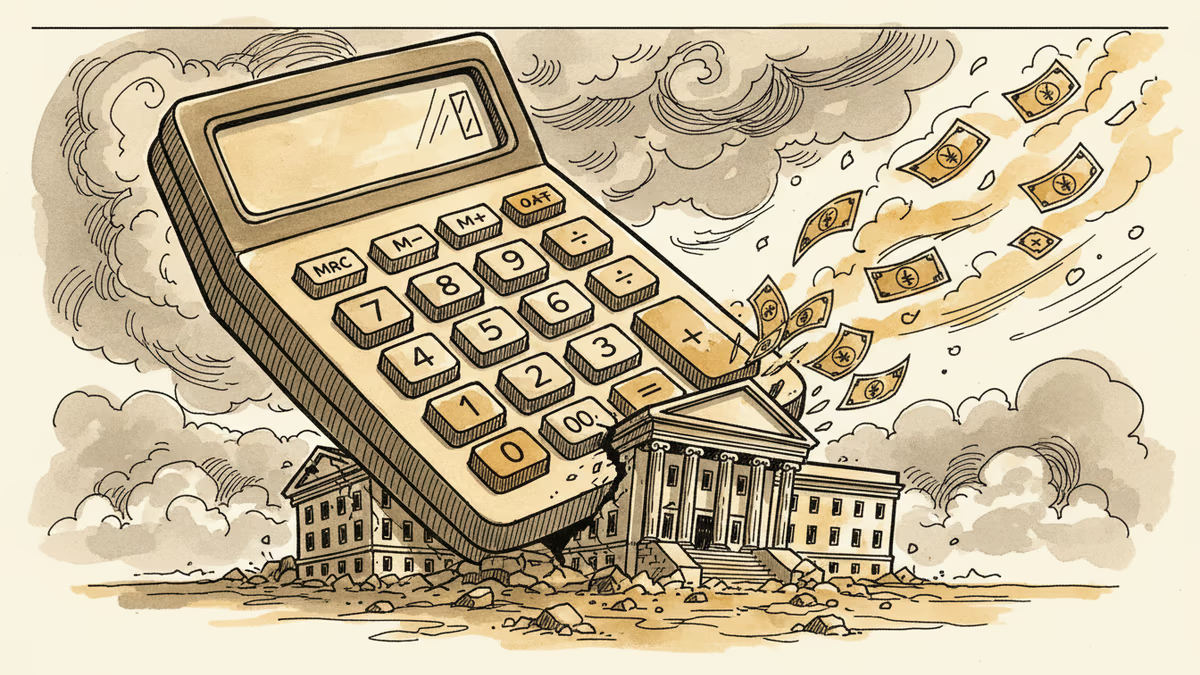
Japan's debt servicing costs will surge to $269 billion by fiscal 2029, claiming 30% of the national budget as rising interest rates expose the world's most indebted nation
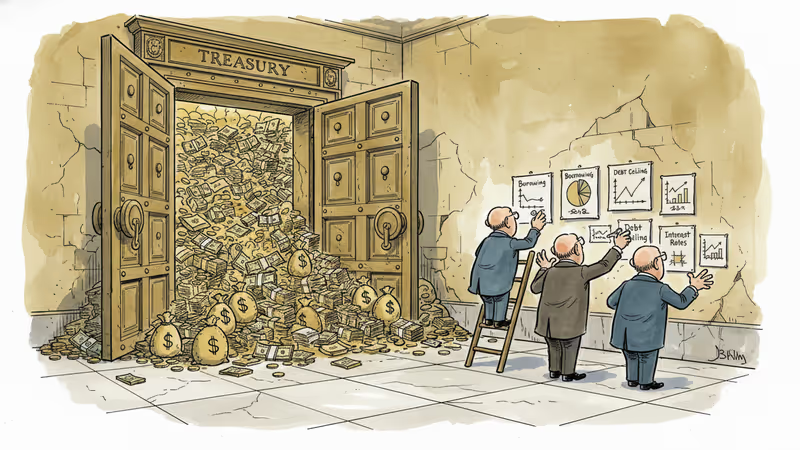
The US Treasury trimmed Q1 borrowing outlook as higher cash balances offset weaker flows. Analyzing the market implications and policy signals behind the numbers.
Japan's new PM faces a fiscal dilemma over tax cut promises. Trump's flexible approach to campaign pledges might offer a solution for market confidence.
Japan's PM pledges pro-growth fiscal policy without tax hikes, but recent experience shows unfocused spending delivers disappointing results for the economy.
Japan's debt servicing costs will surge to $269 billion by fiscal 2029, claiming 30% of the national budget as rising interest rates expose the world's most indebted nation
The US Treasury trimmed Q1 borrowing outlook as higher cash balances offset weaker flows. Analyzing the market implications and policy signals behind the numbers.
Thoughts
Share your thoughts on this article
Sign in to join the conversation