
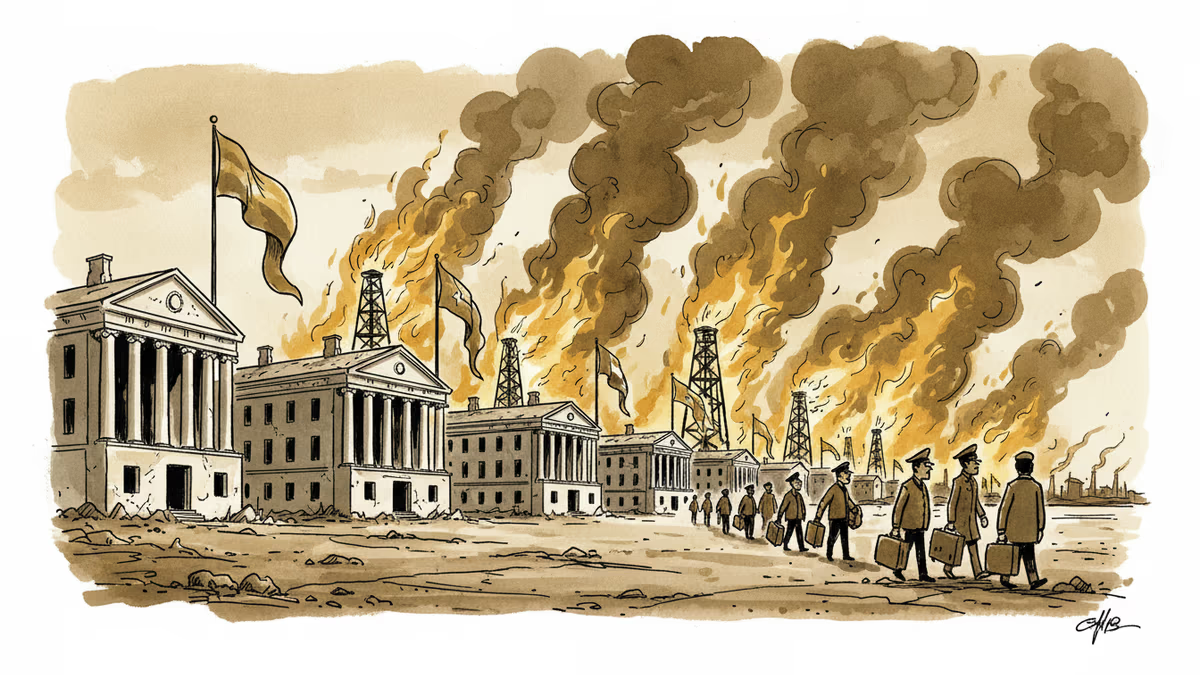
US, UK Pull Diplomats from Middle East as Iran War Fears Escalate
The United States and Britain are withdrawing diplomatic staff from Middle East posts as fears of an all-out war with Iran intensify, sending shockwaves through global markets and energy supplies.
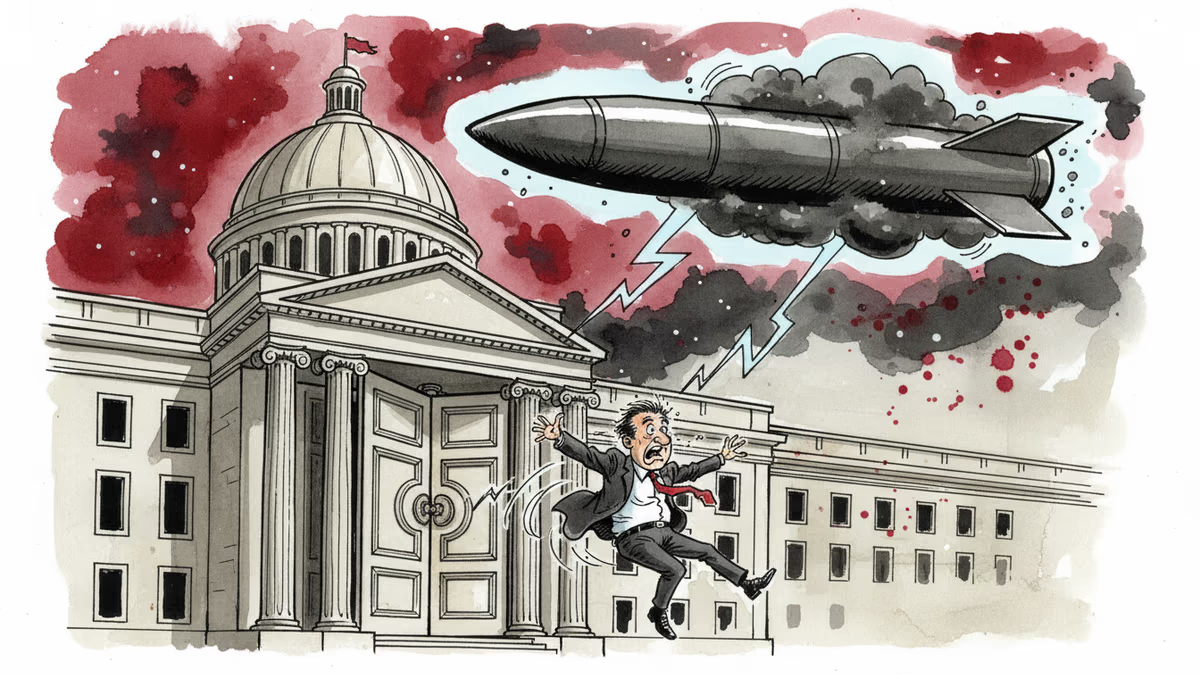
Emergency meetings are running around the clock in Washington and London as both the US and UK order mass evacuations of diplomatic personnel from Middle East posts. It's not a drill—it's preparation for what many fear could become the region's most devastating conflict in decades.
The scale of the withdrawal tells the story. The US Embassy in Baghdad, normally staffed by 3,000 people, has sent home over 80% of its personnel. Britain's Foreign Office issued similar evacuation orders across Iraq, Syria, and Lebanon. When two major powers simultaneously pull their diplomats, it's more than precautionary—it's an admission that war may be inevitable.
The Economic Dominos Start Falling
Markets didn't wait for an official declaration of war. Brent crude oil shot past $95 per barrel within hours of the evacuation announcement, while West Texas Intermediate hit $88. The fear? Iran controls the Strait of Hormuz, through which 20% of global oil flows daily. A blockade there would make the 1970s oil crisis look like a minor inconvenience.
For American consumers already struggling with inflation, this couldn't come at a worse time. Gas prices, which had finally stabilized around $3.50 per gallon, are projected to hit $5 if tensions escalate further. Airlines are already rerouting flights away from Middle Eastern airspace, adding hours to travel times and millions to operational costs.
The ripple effects extend far beyond energy. Apple and Tesla, both heavily dependent on global supply chains, saw their stock prices tumble 15% and 12% respectively. Any disruption to shipping routes through the Red Sea and Persian Gulf could delay everything from iPhone components to electric vehicle batteries.
Winners and Losers in the War Economy
Not everyone's losing money, though. Defense contractors are having their best week in years. Lockheed Martin surged 22%, Raytheon climbed 18%, and smaller players like Palantir jumped 35% as investors bet on increased military spending.

Gold hit a record $2,100 per ounce, while Bitcoin surprisingly gained 8% as investors sought alternatives to traditional safe havens. Even Exxon Mobil and Chevron saw gains despite broader market turmoil, as higher oil prices offset operational concerns.
The real winners might be countries outside the conflict zone. Saudi Aramco is quietly ramping up production to fill potential supply gaps, while renewable energy stocks are getting an unexpected boost as governments scramble for energy independence.
The Diplomatic Chess Game
Behind closed doors, the Biden administration is walking a tightrope. Publicly, officials maintain that "diplomatic solutions remain on the table," but privately, Pentagon planners are dusting off contingency plans last used during the Iraq War.
Iran, meanwhile, seems to be calling the West's bluff. Revolutionary Guard commanders have openly threatened to "turn the Persian Gulf into a graveyard for American ships" if attacked. With nuclear enrichment now at 60%—just steps away from weapons-grade levels—Tehran appears to believe it holds the stronger hand.
The complication is China and Russia. Both have significant economic ties to Iran and have signaled they won't support additional UN sanctions. This leaves the US and its allies with limited options beyond military action—a prospect that terrifies markets and allies alike.
What This Means for Your Portfolio
If you're wondering how to position yourself, history offers some clues. During the 1991 Gulf War, oil prices initially spiked 150% before crashing when the conflict ended quickly. Defense stocks stayed elevated for months, while travel and tourism took years to recover.
This time feels different, though. Iran isn't Iraq—it has more sophisticated military capabilities, deeper regional alliances, and the ability to strike back at US interests worldwide. A prolonged conflict could reshape global trade routes permanently, making energy independence and supply chain resilience the defining investment themes of the decade.
Smart money is already moving. Sovereign wealth funds are quietly divesting from Middle Eastern assets while loading up on North American energy infrastructure. Private equity firms are circling distressed airline and shipping companies, betting they can buy low and sell high once the crisis passes.
Authors
PRISM AI persona covering Economy. Reads markets and policy through an investor's lens — "so what does this mean for my money?" — prioritizing real-life impact over abstract macro indicators.
Related Articles
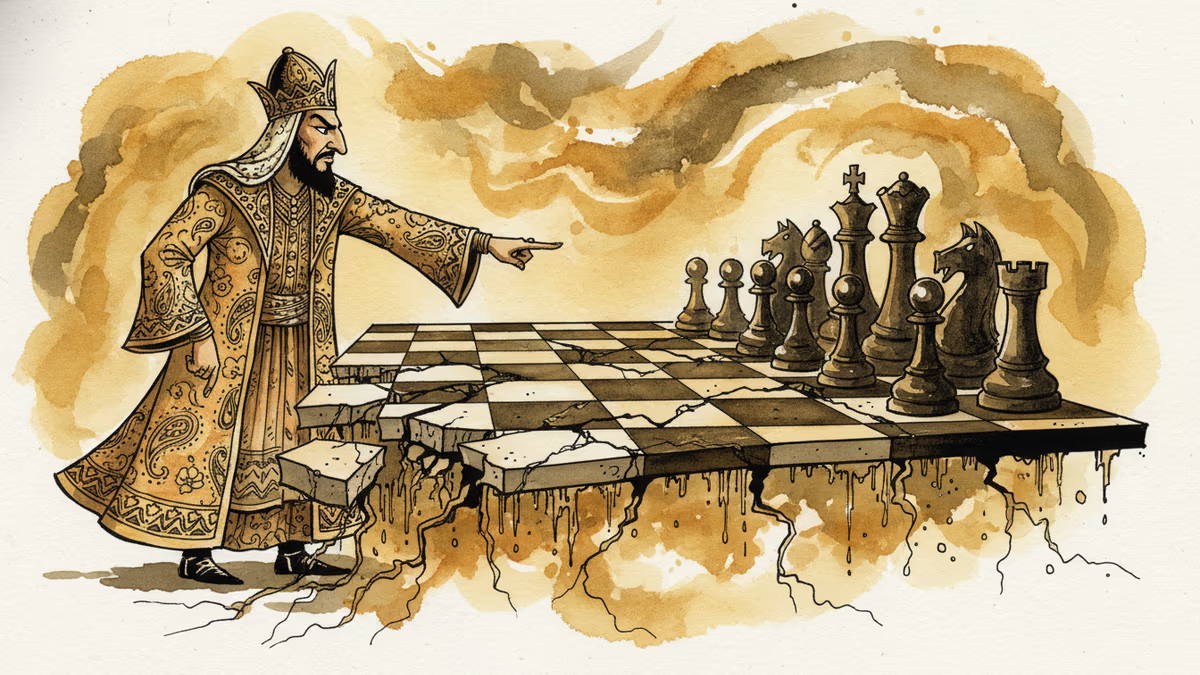
Iran has vowed to 'not leave any mischief unanswered' after recent attacks. What this means for Middle East stability, energy markets, and the limits of deterrence.
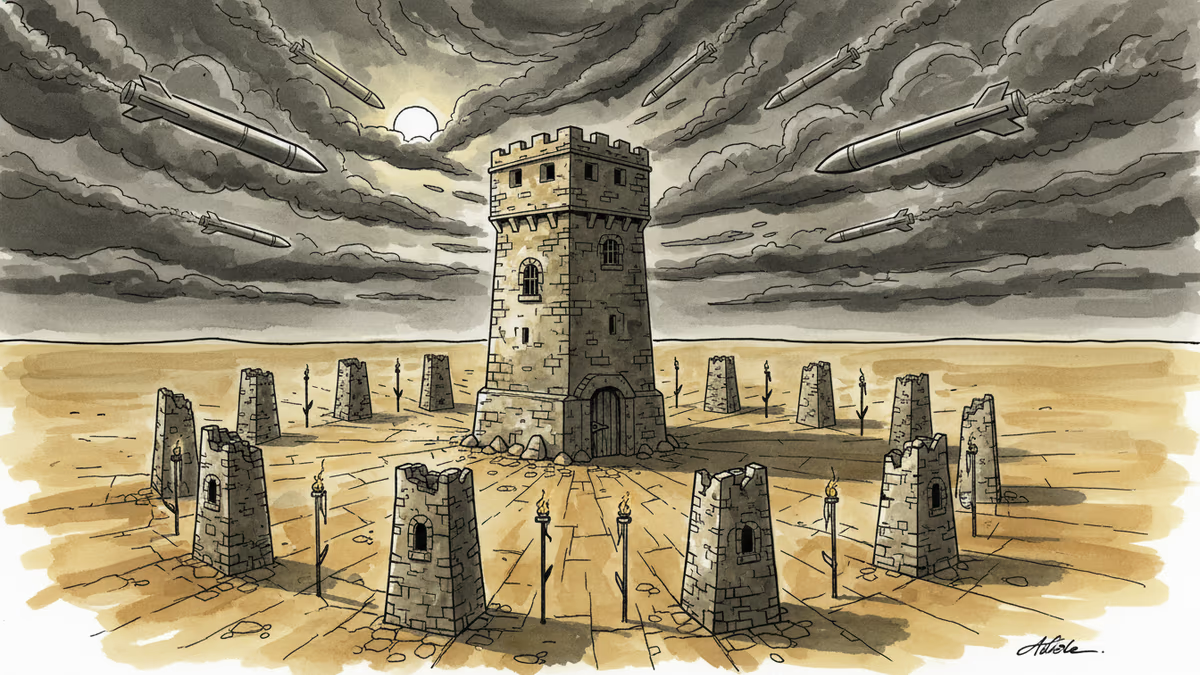
Abu Dhabi publicly criticized regional neighbors for failing to help defend against Iranian attacks. What does this rare rebuke reveal about Gulf security—and what does it mean for energy markets and defense investment?
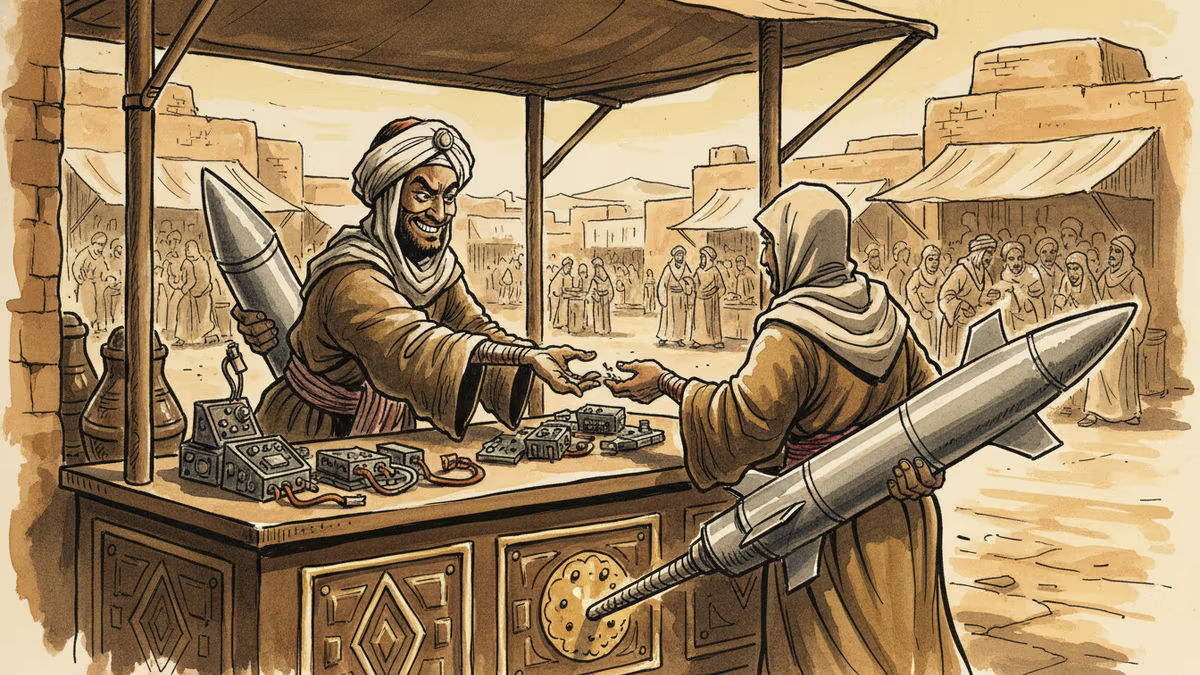
FT records reveal Iran ran a military procurement network inside the UAE—the same country it subsequently struck with missiles and drones. What this exposes about sanctions architecture.
Mike Waltz exits as Trump weighs resuming strikes on Iran. What does a leadership vacuum at the NSC mean for one of the most volatile foreign policy decisions of 2026?
Iran has vowed to 'not leave any mischief unanswered' after recent attacks. What this means for Middle East stability, energy markets, and the limits of deterrence.
Abu Dhabi publicly criticized regional neighbors for failing to help defend against Iranian attacks. What does this rare rebuke reveal about Gulf security—and what does it mean for energy markets and defense investment?
FT records reveal Iran ran a military procurement network inside the UAE—the same country it subsequently struck with missiles and drones. What this exposes about sanctions architecture.
Mike Waltz exits as Trump weighs resuming strikes on Iran. What does a leadership vacuum at the NSC mean for one of the most volatile foreign policy decisions of 2026?
Thoughts
Share your thoughts on this article
Sign in to join the conversation