

The Spectacle of Force: How US Protest Policing Became Performance Art in 2025
Analyze the shift in US protest policing in 2025, where public safety was replaced by militarized spectacle and performance. Focus on LA, DC, and Chicago case studies.
4,000 federalized National Guard troops and 700 US Marines didn't just maintain order—they put on a show. In 2025, protest policing in major US cities transformed into a theatrical spectacle, prioritizing the signaling of absolute power over actual public safety.
The 2025 Militarization Template: From LA to DC
Los Angeles served as the early blueprint. In June 2025, following protests against aggressive ICE raids, the federal government deployed massive troop numbers. Soldiers stood shoulder to shoulder with long guns while smoke canisters blanketed the streets. This wasn't de-escalation; it was a posture calibrated to provoke and intimidate through high-visibility optics.
By August, the federal government moved from episodic deployment to direct control. According to The Washington Post, 800 National Guard troops were deployed to Washington, DC, turning the capital into a "laboratory for a militarized approach." Despite crime being at multi-decade lows, the administration used the rhetoric of "restoring order" as a euphemism for pre-emptively deterring dissent.

Evolution of Control: From Incapacitation to Performance
For decades, US policing relied on strategic incapacitation—a model using surveillance and designated "protest zones" to prevent organic growth. But 2025 saw the rise of "performative policing." In Chicago's "Operation Midway Blitz" in September, officials even positioned camera crews near sniper posts to capture the dramatic moments of arrests.
This shift replaces the bureaucratic management of the 1970s with a narrative-driven display. Policing has moved through four stages: suppression, management, prevention, and now, pure performance. Authority is now asserted as much through optics and social media-ready imagery as it is by physical force.
Authors
Related Articles
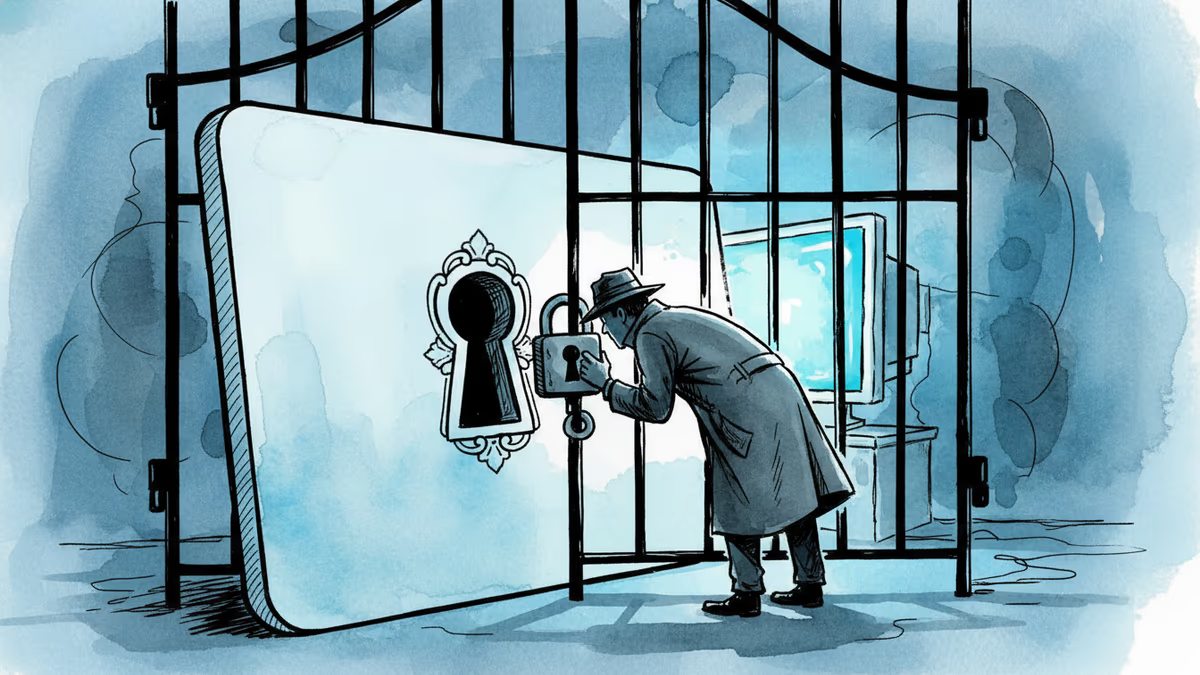
Wisconsin Governor Tony Evers vetoed an age verification bill for adult sites, citing privacy concerns. With 25+ states going the other way, the debate cuts to the heart of online freedom vs. child protection.
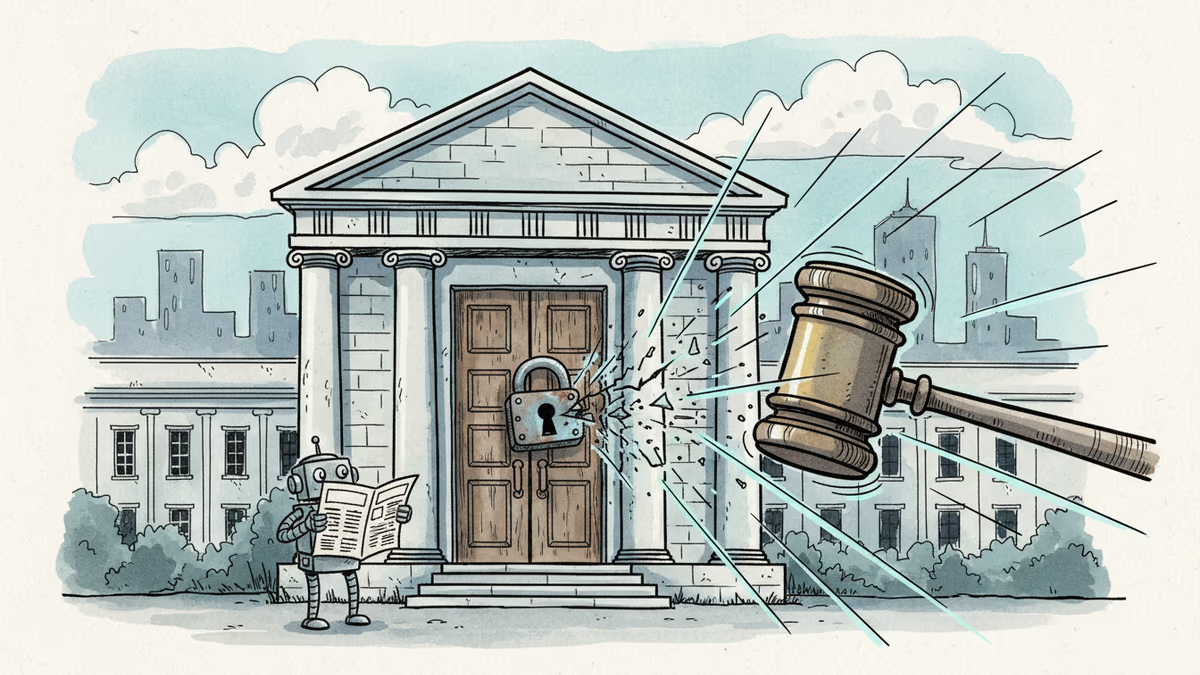
A federal judge blocked the Pentagon's blacklisting of Anthropic, ruling that punishing a company for public criticism of government policy is a textbook First Amendment violation.
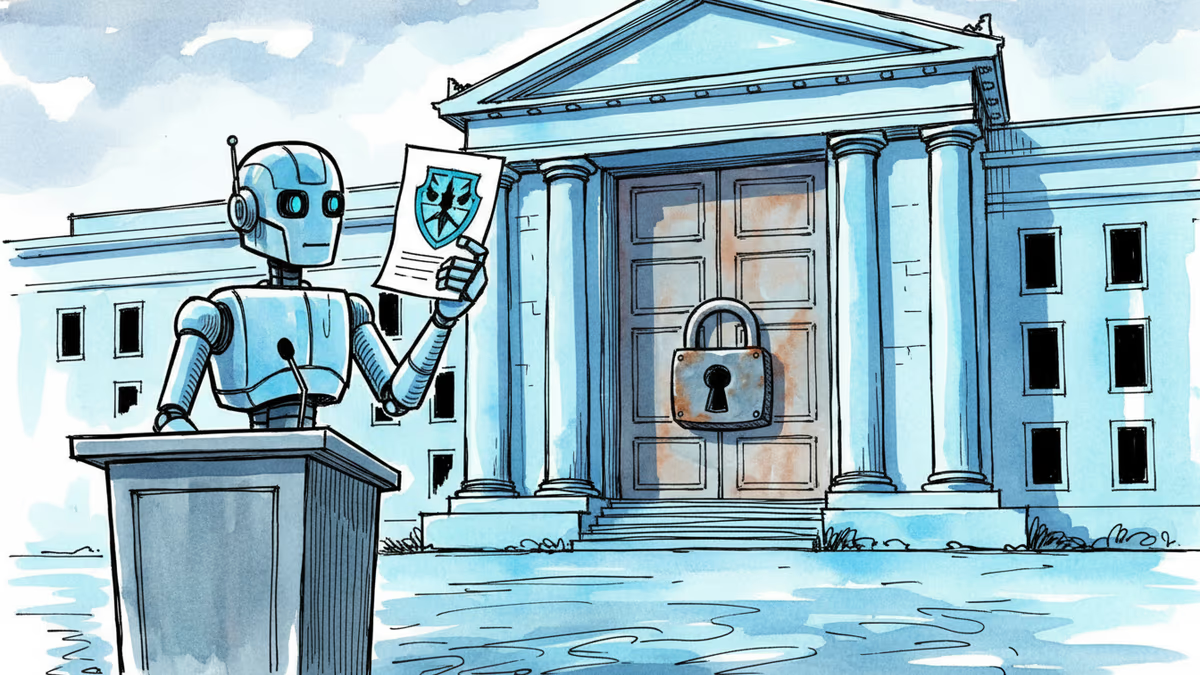
Anthropic filed two sworn declarations challenging the Pentagon's claim that it poses a national security risk. The timeline they reveal raises uncomfortable questions about the government's real motives.
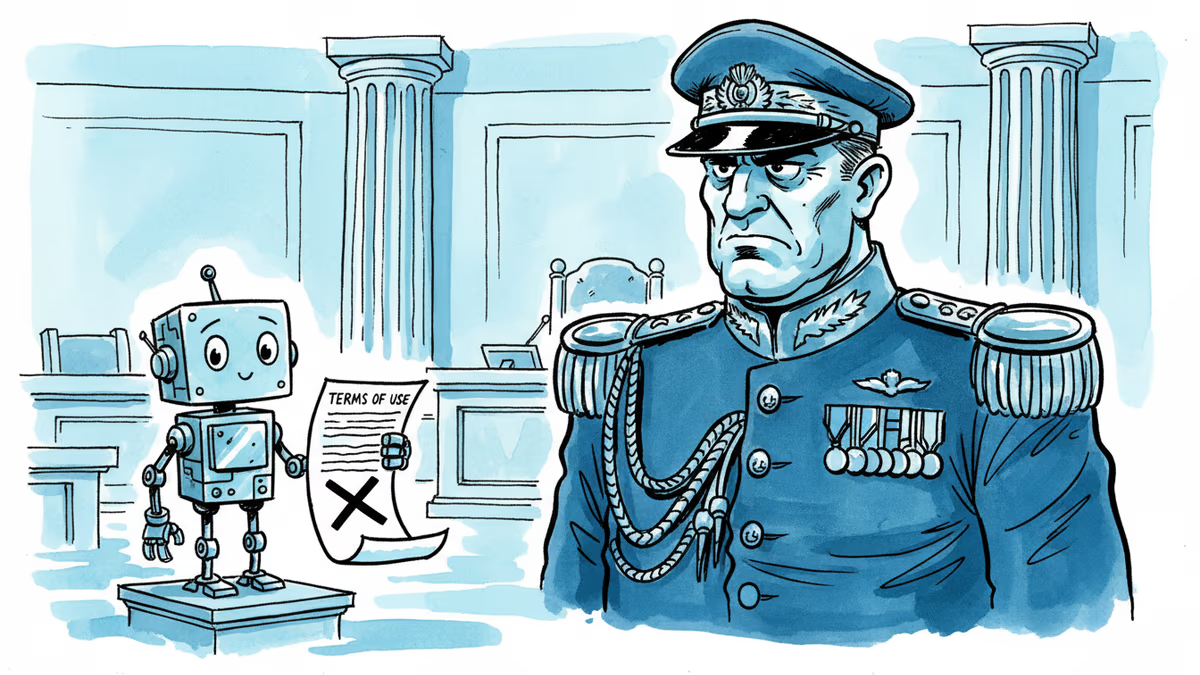
Anthropic filed suit against the Trump administration after being blacklisted for refusing to let Claude be used for autonomous warfare and mass surveillance. The First Amendment is now at the center of AI safety law.
Wisconsin Governor Tony Evers vetoed an age verification bill for adult sites, citing privacy concerns. With 25+ states going the other way, the debate cuts to the heart of online freedom vs. child protection.
A federal judge blocked the Pentagon's blacklisting of Anthropic, ruling that punishing a company for public criticism of government policy is a textbook First Amendment violation.
Anthropic filed two sworn declarations challenging the Pentagon's claim that it poses a national security risk. The timeline they reveal raises uncomfortable questions about the government's real motives.
Anthropic filed suit against the Trump administration after being blacklisted for refusing to let Claude be used for autonomous warfare and mass surveillance. The First Amendment is now at the center of AI safety law.
Thoughts
Share your thoughts on this article
Sign in to join the conversation