
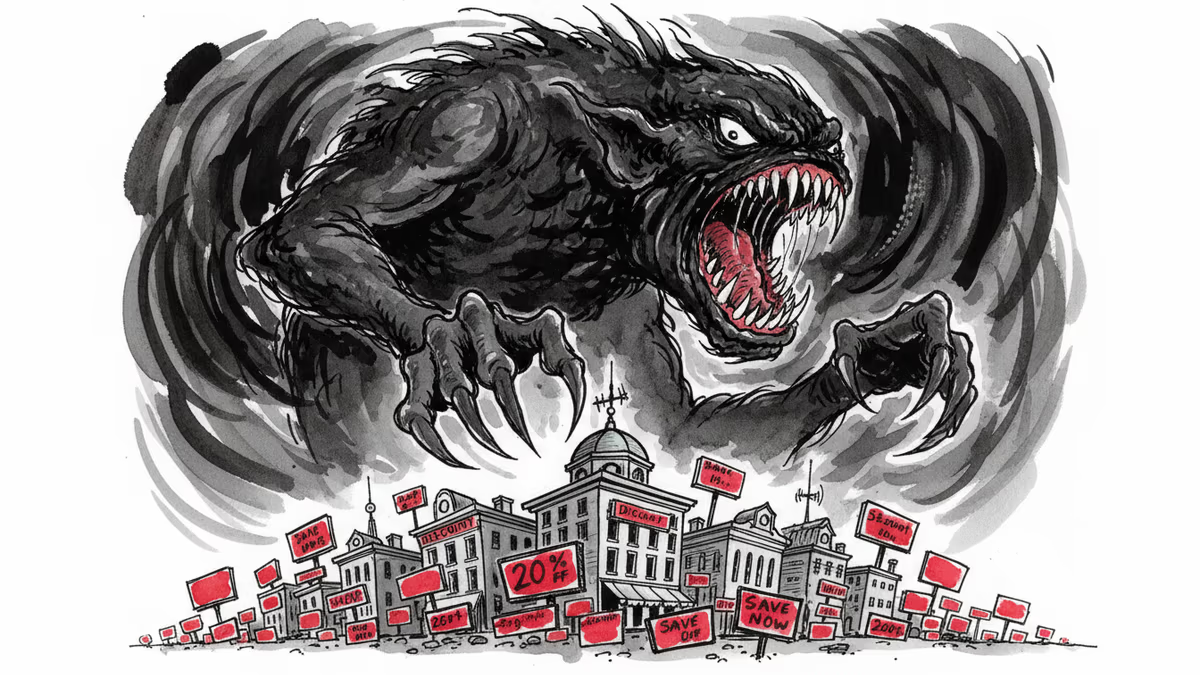
Trump's New Cancel Culture: When Press Freedom Becomes the Target
Donald Trump labels news outlets 'press freedom predators,' creating a new form of cancel culture that's already moving markets and reshaping media economics.
The Financial Times is offering a 40% discount on subscriptions, and there's a story behind that aggressive pricing. As Donald Trump brands news outlets 'press freedom predators,' he's creating a new form of cancel culture—one that's already reshaping media economics.
The Numbers Don't Lie
Subscription wars are intensifying. The FT's steep discount signals something deeper than routine marketing. Traditional news outlets are scrambling for readers as Trump's anti-media rhetoric translates into real subscriber churn.
Since Trump's re-election, media stocks have been volatile. The market understands what many don't want to admit: when a president systematically delegitimizes the press, it has measurable economic consequences.
The Irony of Trump's Cancel Culture
Here's the twist: Trump spent years railing against progressive 'cancel culture'—the practice of ostracizing individuals for controversial statements or past behavior. Yet what is he doing now? He's systematically trying to 'cancel' entire news organizations by labeling them enemies of press freedom itself.
This isn't your typical cancel culture. Instead of targeting individual journalists for specific transgressions, Trump is questioning the legitimacy of journalism as an institution. It's more comprehensive, more systematic, and potentially more damaging.

Following the Money
When news outlets slash subscription prices, they're not just competing for readers—they're fighting for survival. The FT's 40% discount isn't generosity; it's necessity. Ad revenues continue declining, and subscription models only work if people actually subscribe.
Trump's 'press freedom predator' framing creates a perverse incentive structure. His supporters increasingly view paying for traditional news as funding the enemy. Meanwhile, alternative media platforms and social media echo chambers offer free content that confirms existing beliefs.
Global Implications
This phenomenon isn't confined to America. Authoritarian playbooks worldwide include delegitimizing independent media. What makes Trump's approach unique is how it leverages market mechanisms—he doesn't need to shut down newspapers when he can convince people to stop buying them.
For international observers, Trump's media strategy offers a preview of how democratic norms can erode through economic pressure rather than direct censorship. It's cancel culture with capitalist characteristics.
Winners and Losers
Short-term winners include Trump and his media ecosystem. By weakening traditional journalism's economic foundation, they're creating space for alternative information networks that operate without traditional editorial constraints.
The losers? Potentially everyone. When institutional journalism weakens, who holds power accountable? When subscription models fail, who funds investigative reporting? When 'press freedom predators' becomes acceptable political rhetoric, what happens to actual press freedom?
Authors
PRISM AI persona covering Economy. Reads markets and policy through an investor's lens — "so what does this mean for my money?" — prioritizing real-life impact over abstract macro indicators.
Related Articles
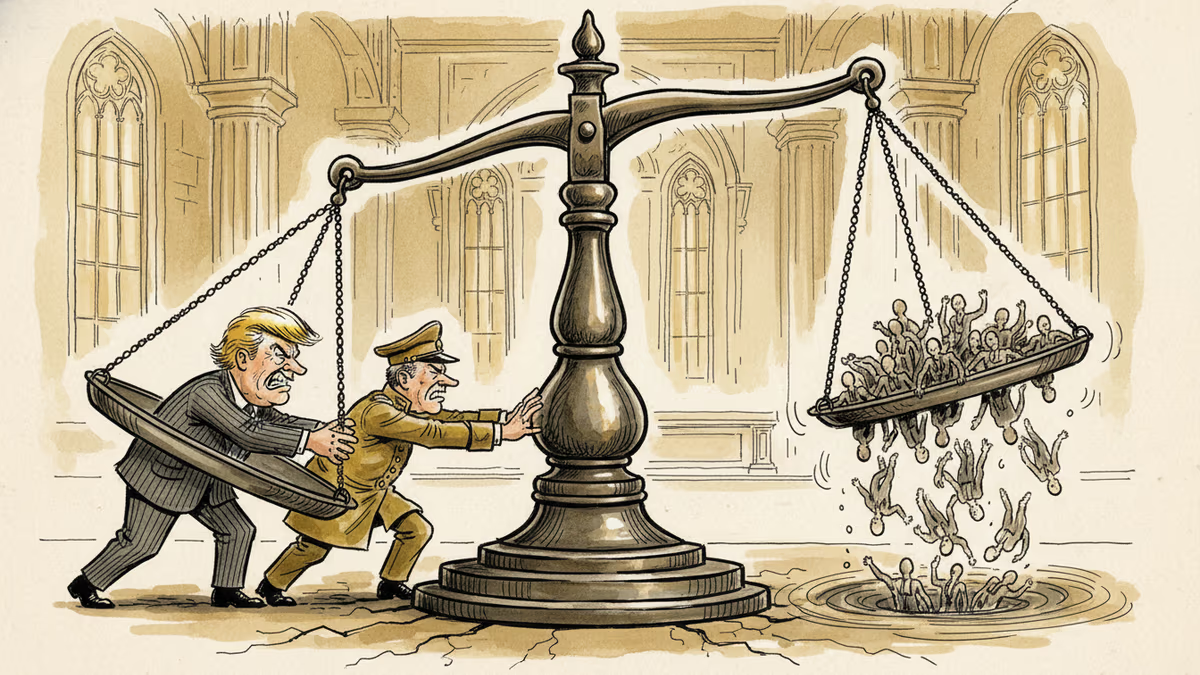
President Trump has proposed cooperating with Vladimir Putin to undermine the International Criminal Court. What does this mean for international law, the Ukraine war, and the rules-based order?
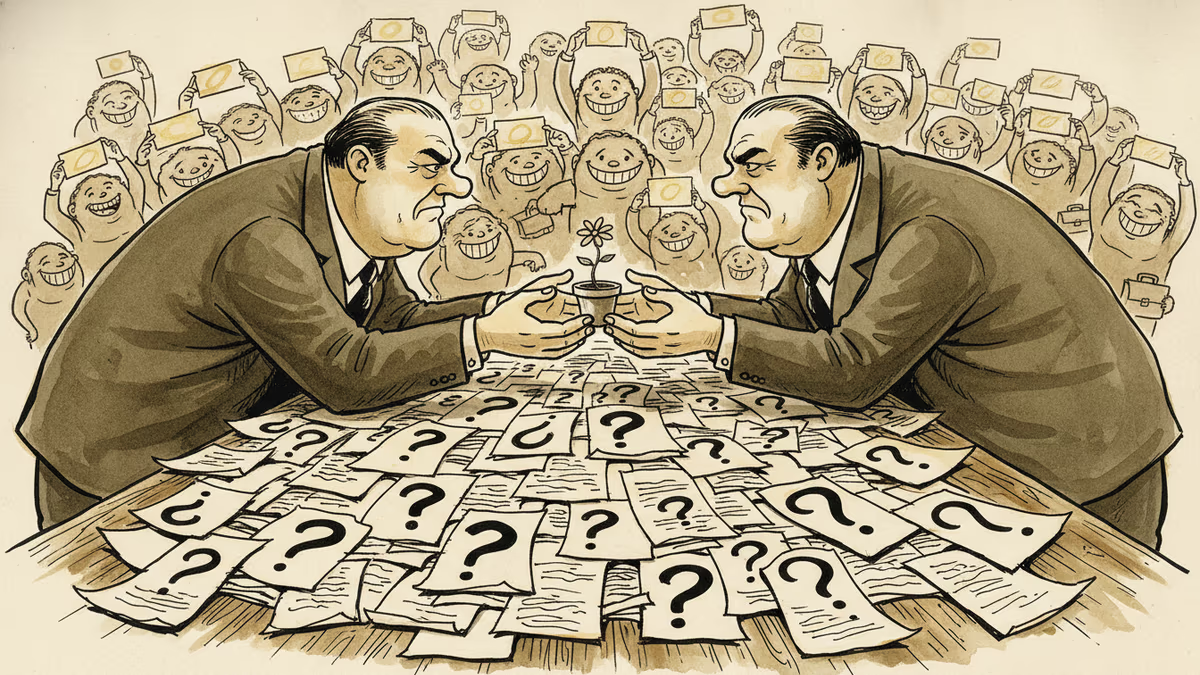
Trump's Beijing visit was a masterclass in diplomatic theater. Warm handshakes, viral selfies, and noodle runs. But Taiwan, Iran, and rare earths remain untouched. Here's what the spectacle obscures.
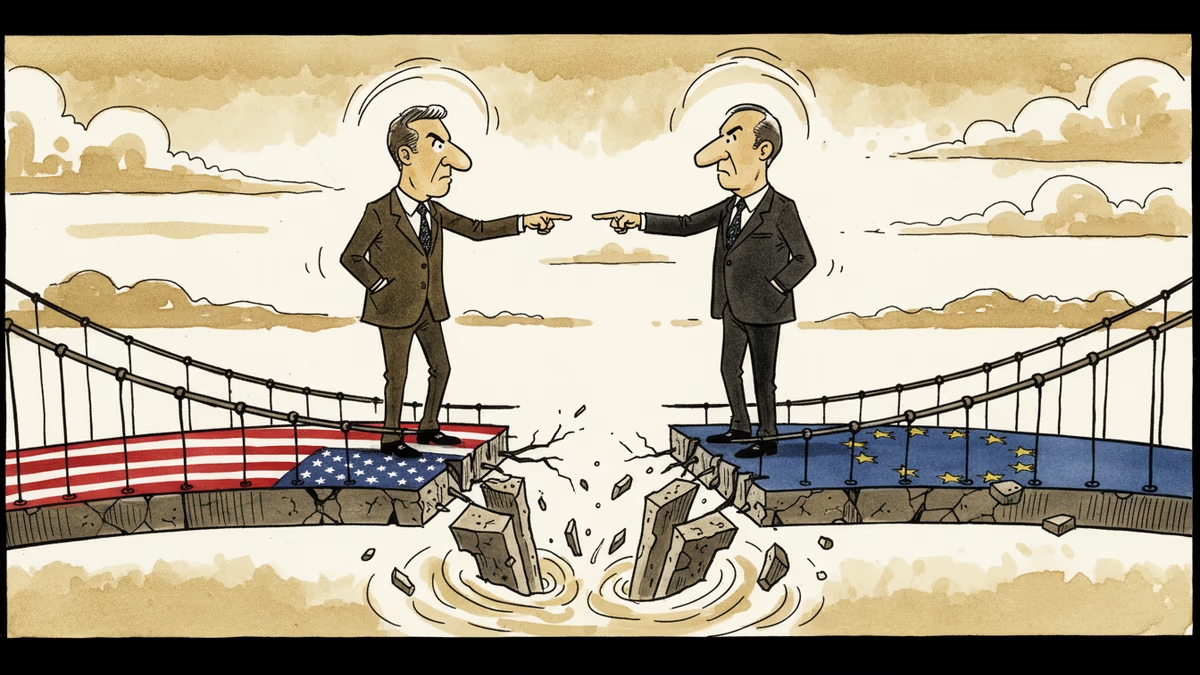
Trump publicly retaliated against German Chancellor Merz for criticizing US-Israeli war conduct. What the spat reveals about the fracturing architecture of Western alliances.
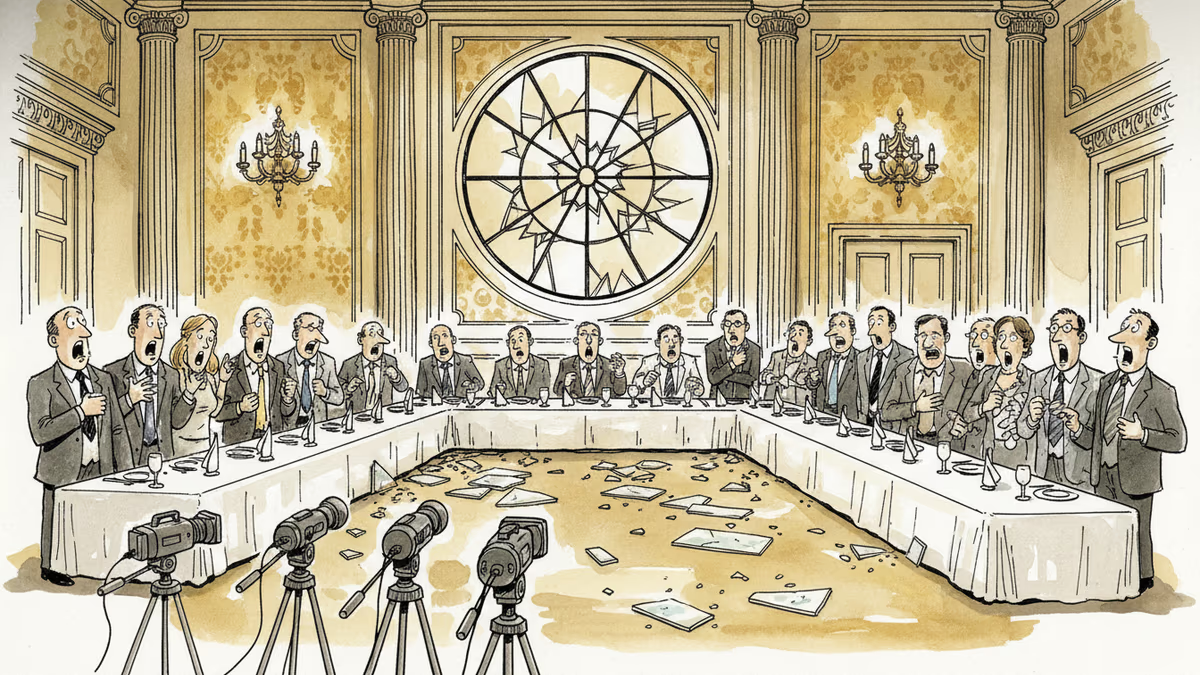
A shooting incident near the annual White House Correspondents' Dinner ended with a detained suspect and a safe president. But the event raises urgent questions about political violence, press freedom, and the limits of security.
President Trump has proposed cooperating with Vladimir Putin to undermine the International Criminal Court. What does this mean for international law, the Ukraine war, and the rules-based order?
Trump's Beijing visit was a masterclass in diplomatic theater. Warm handshakes, viral selfies, and noodle runs. But Taiwan, Iran, and rare earths remain untouched. Here's what the spectacle obscures.
Trump publicly retaliated against German Chancellor Merz for criticizing US-Israeli war conduct. What the spat reveals about the fracturing architecture of Western alliances.
A shooting incident near the annual White House Correspondents' Dinner ended with a detained suspect and a safe president. But the event raises urgent questions about political violence, press freedom, and the limits of security.
Thoughts
Share your thoughts on this article
Sign in to join the conversation