
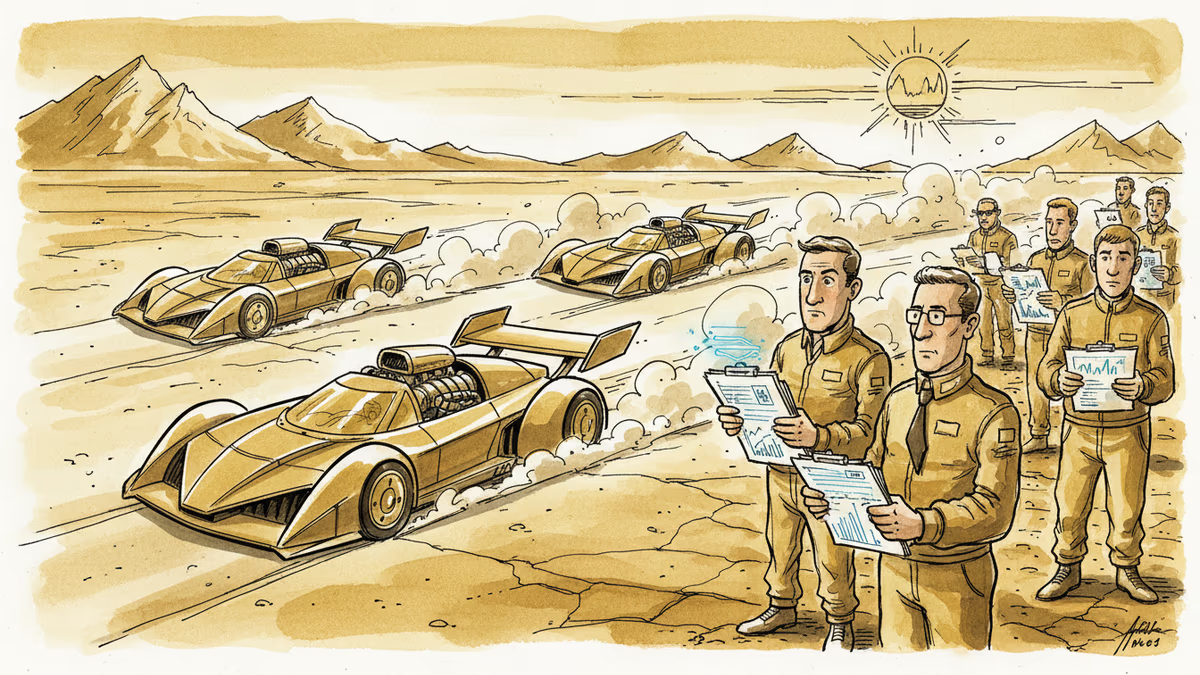
Why F1 Preseason Testing Is About Data, Not Speed
As F1 teams conduct final tests in Bahrain before the revolutionary 2026 season, lap times mean less than the crucial data being collected for massive regulation changes.
The Numbers That Matter Less Than a 'Bacon Briefcase'
In the scorching Bahrain heat, F1 teams are wrapping up their final preseason test with just two weeks until the Australian GP. Media outlets are busy publishing lap time rankings, but as one motorsport insider famously put it, these times mean about as much as "a bacon briefcase."
Why the dismissive comparison? Because preseason testing isn't a speed contest—it's a data collection laboratory.
2026: Everything Changes, Everyone Starts Over
This year marks F1's most dramatic transformation in decades. New chassis, new engines, new hybrid systems, and sustainable fuels have essentially reset the competitive landscape. The knowledge base that Red Bull used to dominate for four consecutive championships is now largely obsolete.
Every team is back at square one, and the winner will be whoever decodes the new regulations fastest. Engineers care more about tire temperatures, aerodynamic behavior, and fuel efficiency than outright speed. That's why you'll see things during testing that would never appear in actual races—cars without wheel covers or glowing red brake discs from extreme testing scenarios.
The Sponsor Show vs. Real Science
Here's where it gets interesting: some teams deliberately run light on fuel to post impressive lap times, hoping to catch the eye of potential sponsors. It's motorsport's version of putting your best foot forward on a first date.

But the serious contenders? They're running different playbooks. They load up with fuel, test dozens of configurations, and simulate race conditions. Mercedes engineers revealed they tested 200 different setups over three days—each one potentially crucial for specific race scenarios throughout the season.
The gap between show and substance has never been wider.
What Fans Should Really Watch For
Instead of obsessing over lap times, savvy observers focus on different metrics: How many laps did each team complete? How consistent were their sector times? Which teams seemed to struggle with reliability?
The real story emerges from long-run pace and tire degradation patterns. A team that's half a second slower in qualifying trim might be the one to beat if they can make their tires last five laps longer in race conditions.
McLaren's recent resurgence, for example, wasn't visible in flashy preseason times but in their methodical approach to understanding their car's behavior across different fuel loads and track conditions.
The Innovation Arms Race Begins
Beyond the immediate competition, these tests represent something bigger: a preview of automotive technology's future. The hybrid systems, lightweight materials, and aerodynamic innovations being refined in Bahrain will eventually trickle down to road cars.
For the automotive industry, F1 serves as an expensive but invaluable R&D laboratory. The sustainable fuels being tested could accelerate adoption in commercial aviation and shipping. The energy recovery systems might influence next-generation electric vehicles.
Authors
Related Articles
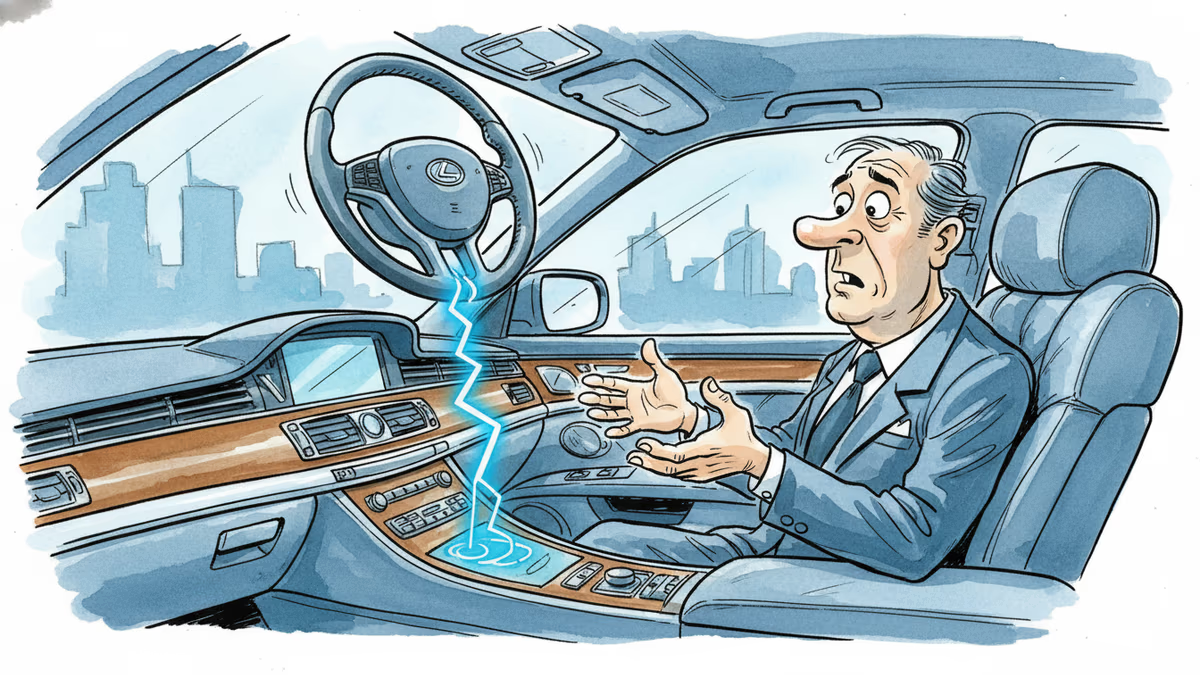
Mercedes-Benz is bringing steer-by-wire to the refreshed EQS sedan, eliminating the physical link between steering wheel and wheels. Here's what that actually means for drivers, safety, and the future of the car.
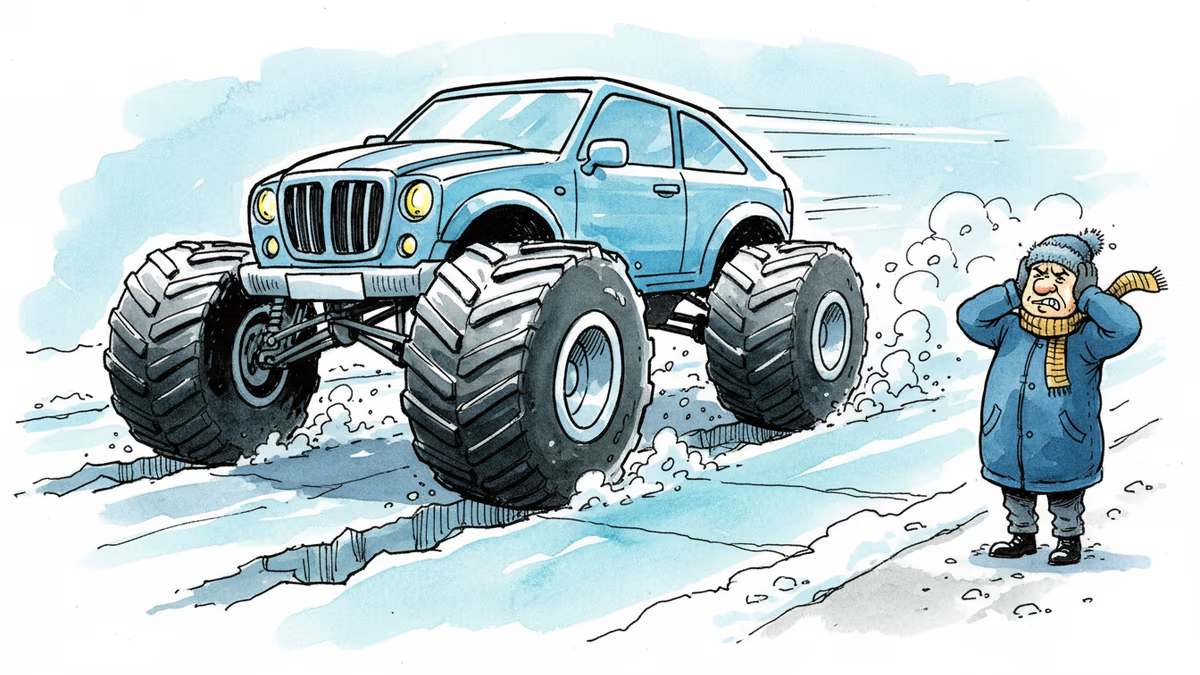
Studded snow tires offer unmatched grip on ice, but they're banned or restricted in many countries due to road damage and air quality concerns. What's the real trade-off?
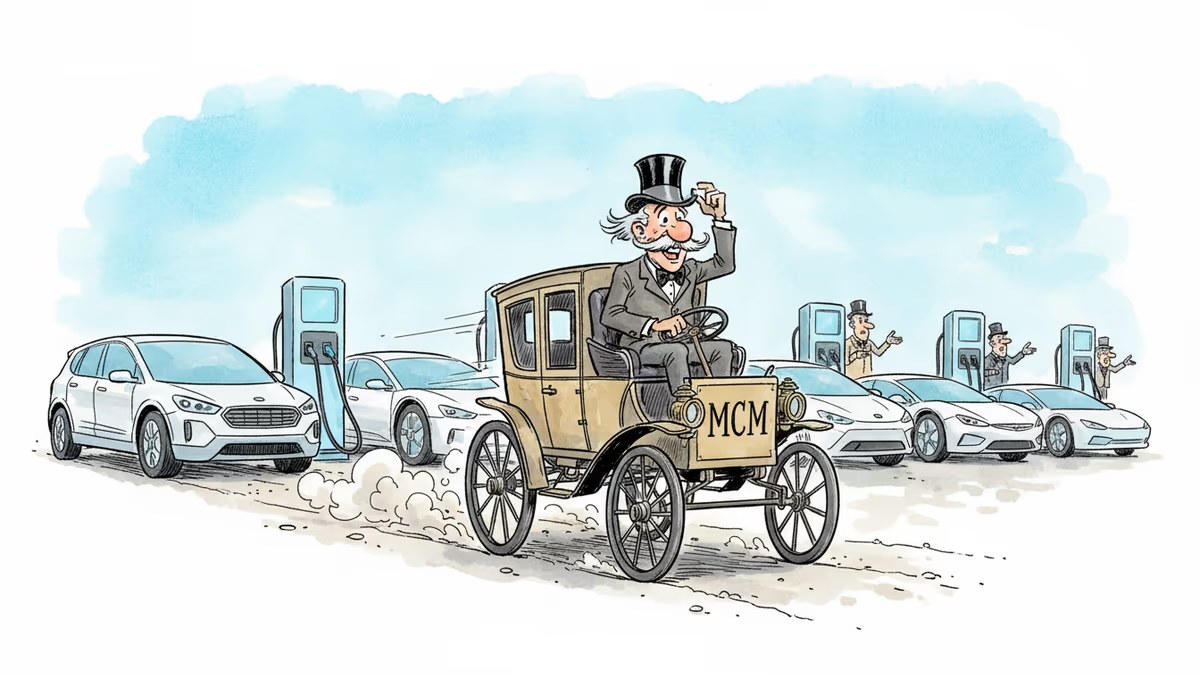
Ferdinand Porsche built the first hybrid vehicle in 1900. Over a century later, as EV adoption stalls, hybrids are surging. What does this mean for consumers, automakers, and the green transition?
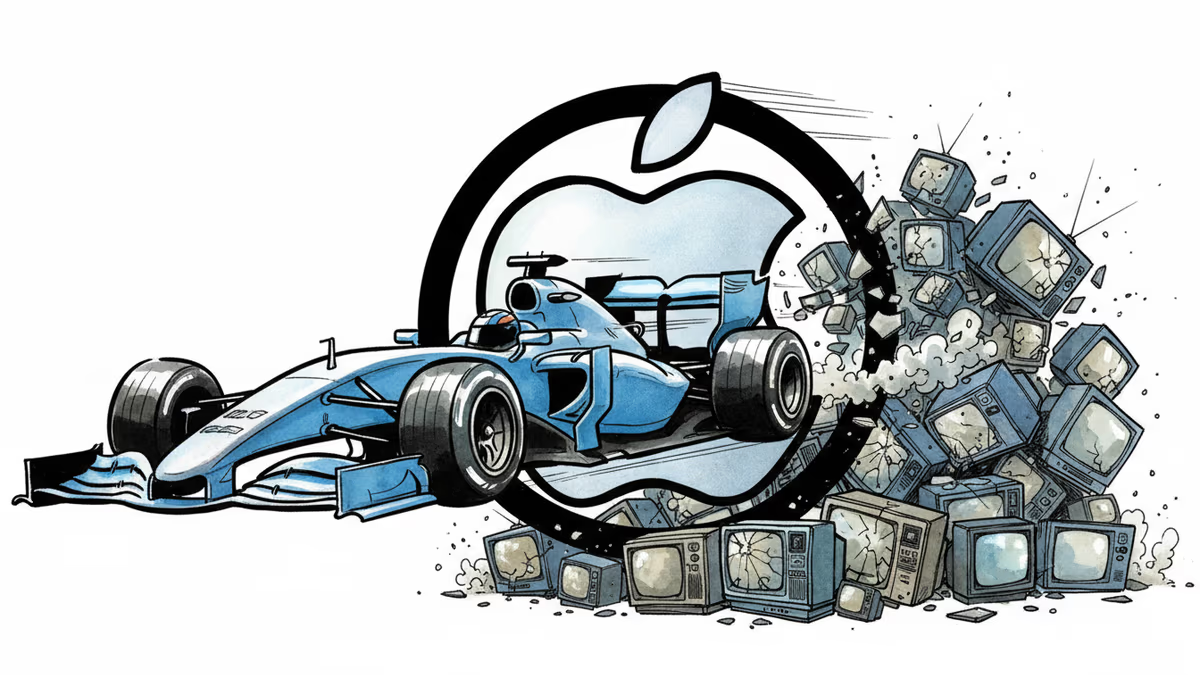
F1's massive shift from ESPN to Apple TV+ signals more than just a broadcasting change. New hybrid engines and sustainable fuels mark a complete sport reset for 2026.
Mercedes-Benz is bringing steer-by-wire to the refreshed EQS sedan, eliminating the physical link between steering wheel and wheels. Here's what that actually means for drivers, safety, and the future of the car.
Studded snow tires offer unmatched grip on ice, but they're banned or restricted in many countries due to road damage and air quality concerns. What's the real trade-off?
Ferdinand Porsche built the first hybrid vehicle in 1900. Over a century later, as EV adoption stalls, hybrids are surging. What does this mean for consumers, automakers, and the green transition?
F1's massive shift from ESPN to Apple TV+ signals more than just a broadcasting change. New hybrid engines and sustainable fuels mark a complete sport reset for 2026.
Thoughts
Share your thoughts on this article
Sign in to join the conversation