
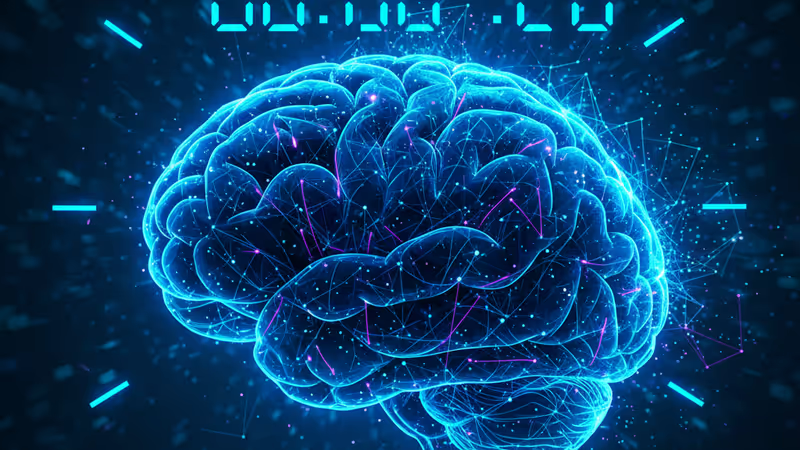
Your Brain Ages 1 Year Faster with Poor Sleep: New Brain Aging Study 2025
A 2025 study of 27,500 people reveals poor sleep can make your brain age 1 year faster. Explore the link between sleep habits, inflammation, and brain aging.
It's not just about feeling groggy in the morning. Poor sleep habits can actually make your brain age faster than your chronological years. Researchers at the Karolinska Institute in Sweden have found compelling evidence that sleep quality directly impacts the biological aging rate of the brain, pointing to inflammation as a primary culprit.
Poor Sleep Brain Aging Study 2025: Mapping the Damage
The study analyzed data from 27,500 middle-aged and elderly participants (average age 54.7) enrolled in the UK Biobank. After a 9-year follow-up, researchers used MRI scans and machine learning models to estimate their biological brain age based on five dimensions of sleep, including duration, insomnia, and snoring.
The findings were stark: for every point decrease in a healthy sleep score, the gap between brain age and chronological age widened by 6 months. Those with the poorest sleep quality had brains that were approximately 1 year older than their actual age. Only 41.2% of participants maintained healthy sleep patterns, while 3.3% suffered from severely poor sleep.

The Hidden Link: Inflammation and Waste Removal
What's driving this accelerated aging? The team identified chronic low-grade inflammation as a key mediator, explaining up to 10% of the association. Habits like a night-owl lifestyle and snoring were particularly strongly linked to higher inflammatory markers.
Furthermore, poor sleep disrupts the glymphatic system, which flushes metabolic waste from the brain. When this 'trash removal' fails, toxic substances can damage neurons over time. The researchers also noted that bad sleep harms cardiovascular health, creating a secondary ripple effect that starves brain tissue of optimal blood flow.
Authors
Related Articles
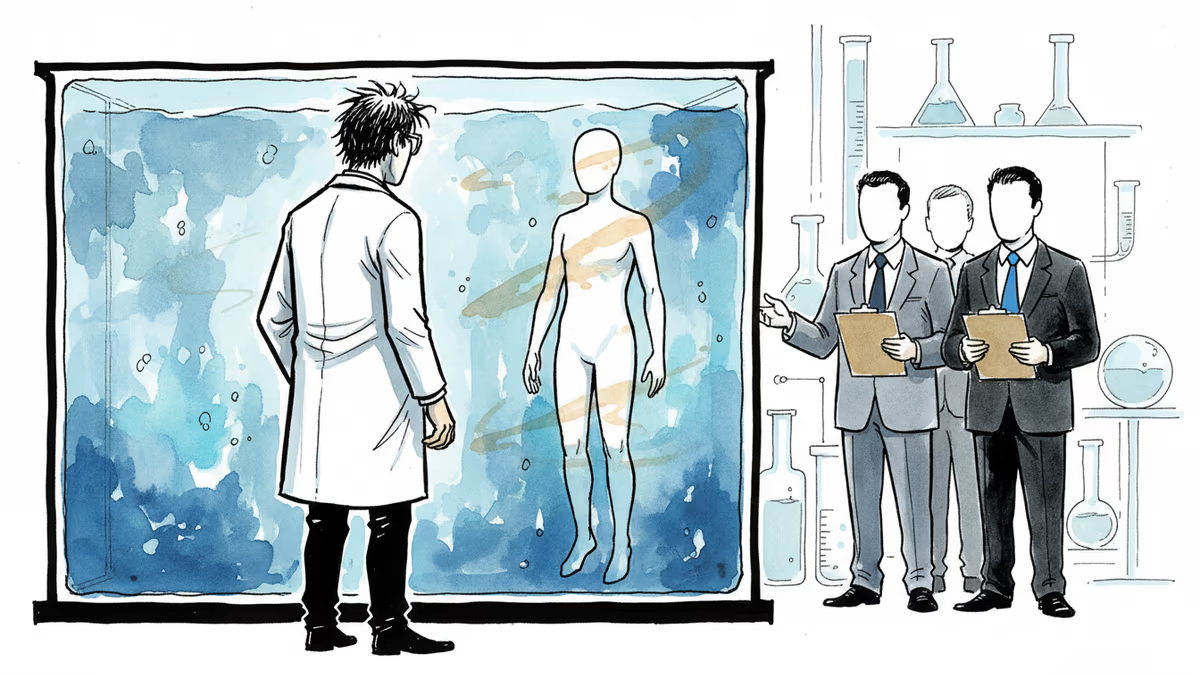
California startup R3 Bio quietly pitched investors on 'brainless human clones' as backup bodies—beyond its public story of nonsentient organ sacks for drug testing. A deep dive into biotech's most ethically charged frontier.
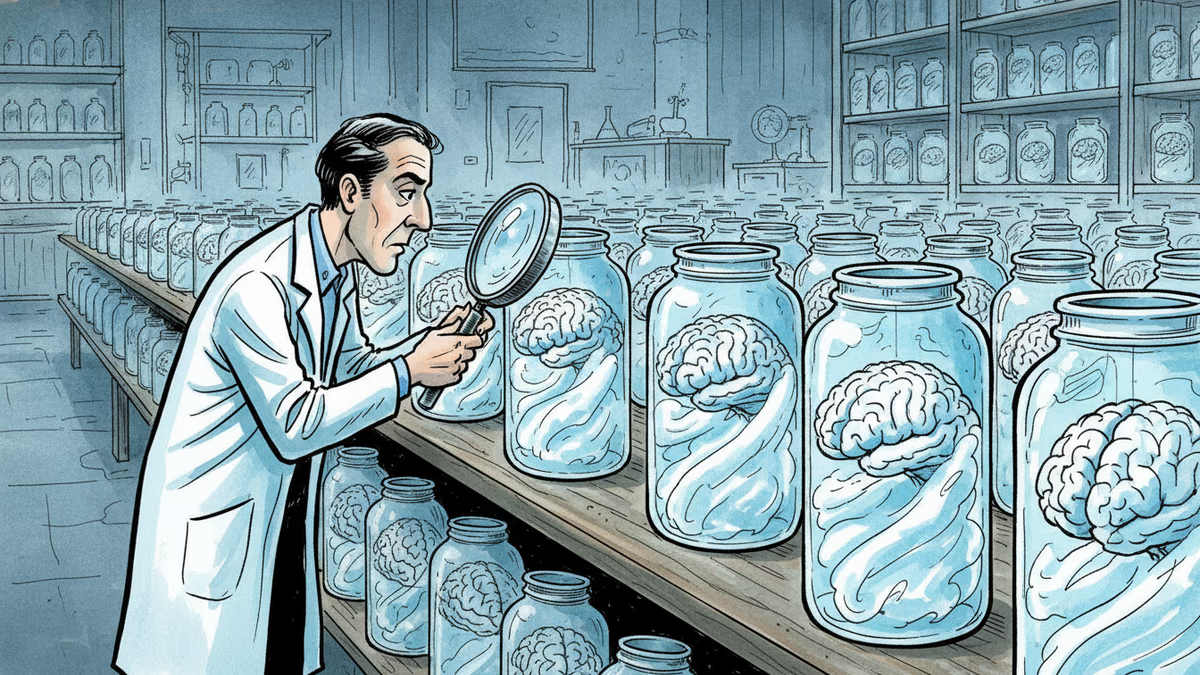
Around 5,000–6,000 people worldwide have signed up to have their bodies or brains cryonically preserved after death. Scientists say revival is vanishingly unlikely. So what exactly are they waiting for?
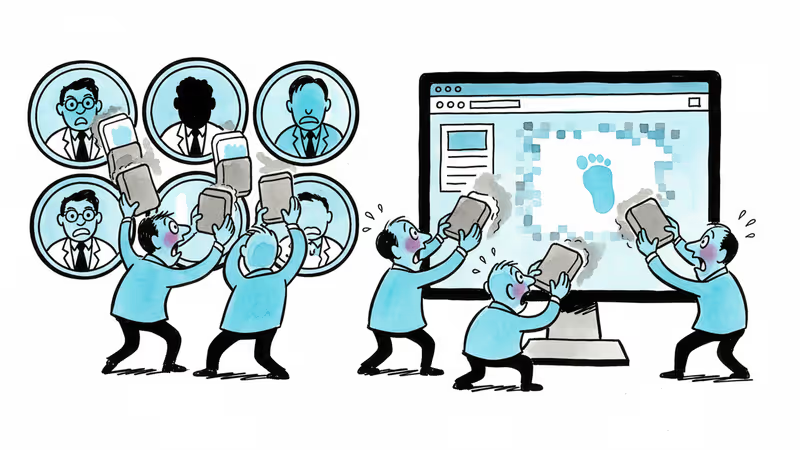
Peter Attia's Epstein connection triggers swift exits from David Protein and Biograph. How do startups manage influencer risk when reputations crumble overnight?

A 2026 study in Clinical Nutrition finds that seniors aged 65+ can significantly improve metabolic health by reducing ultraprocessed food intake. Read the Ultraprocessed food metabolic health study 2026 details.
California startup R3 Bio quietly pitched investors on 'brainless human clones' as backup bodies—beyond its public story of nonsentient organ sacks for drug testing. A deep dive into biotech's most ethically charged frontier.
Around 5,000–6,000 people worldwide have signed up to have their bodies or brains cryonically preserved after death. Scientists say revival is vanishingly unlikely. So what exactly are they waiting for?
Peter Attia's Epstein connection triggers swift exits from David Protein and Biograph. How do startups manage influencer risk when reputations crumble overnight?
A 2026 study in Clinical Nutrition finds that seniors aged 65+ can significantly improve metabolic health by reducing ultraprocessed food intake. Read the Ultraprocessed food metabolic health study 2026 details.
Thoughts
Share your thoughts on this article
Sign in to join the conversation