
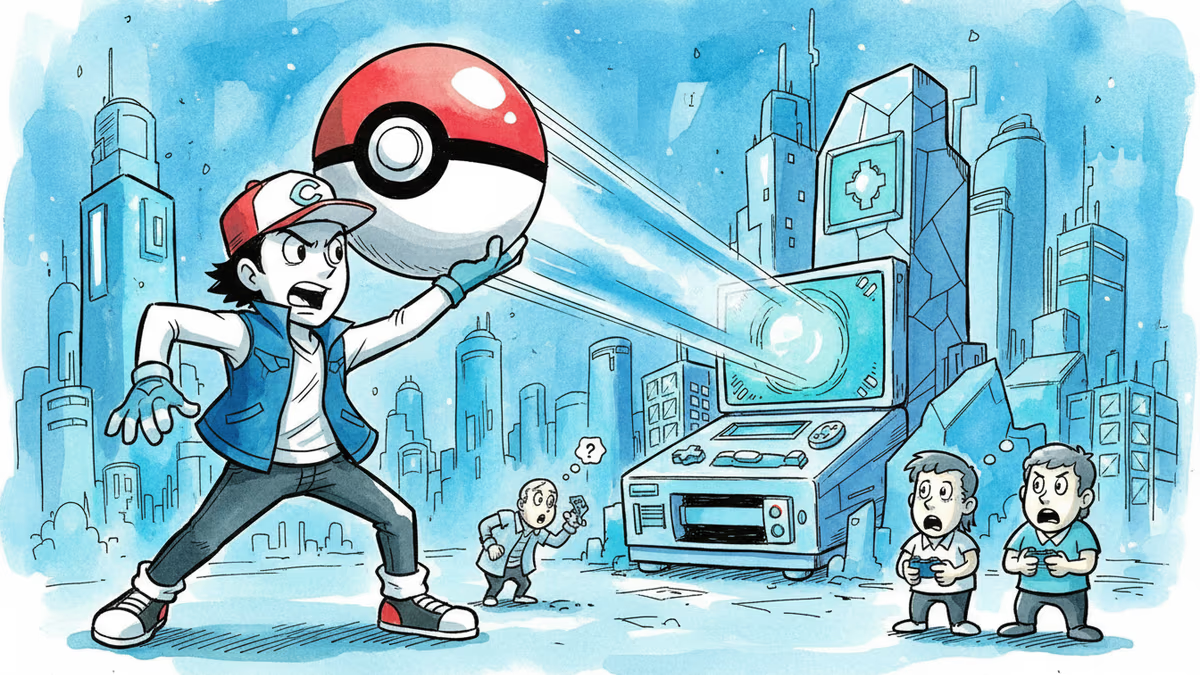
Nintendo Bets Big on Pokémon to Drive Next-Gen Console Wars
Pokémon Wind and Waves launches exclusively on Nintendo Switch 2 in 2027. Analyzing Nintendo's hardware strategy and gaming industry implications
The $60 Billion Gaming Market Just Got a New Player
Nintendo just dropped its biggest console war weapon. Pokémon Wind and Waves will launch exclusively on the Nintendo Switch 2 in 2027, marking the end of the Paldea region era and the beginning of something much bigger.
This isn't just another Pokémon game announcement. It's Nintendo's opening move in the next generation of console wars, using gaming's most valuable franchise as ammunition. The trailer revealed three new starter Pokémon—Browt, Pombon, and Gecua—set against expansive island environments that showcase what the new hardware can do.
Breaking the Rulebook: Exclusive or Risky?
Here's what makes this announcement seismic: Nintendo is breaking its own playbook. Traditionally, mainline Pokémon games launch on existing hardware, ensuring maximum reach. But Wind and Waves is Switch 2 exclusive from day one.
The numbers explain the confidence. Pokémon games have sold over 400 million copies globally. The franchise generates roughly $15 billion annually across games, merchandise, and media. Nintendo is betting that Pokémon's pull is strong enough to drive hardware adoption for an entirely new console.
Industry analysts see this as either brilliant or reckless. "It's the ultimate hardware driver," says gaming consultant David Cole. "But it also risks alienating the 130 million existing Switch owners."

What Sony and Microsoft Are Thinking Right Now
While Nintendo doubles down on exclusivity, competitors are moving in the opposite direction. Sony has been porting PlayStation exclusives to PC, expanding their addressable market. Microsoft is pushing Game Pass across every screen possible.
Nintendo's strategy feels almost retro—forcing consumers to buy specific hardware for specific content. It's a gamble that either reinforces the value of dedicated gaming devices or highlights how outdated that model has become.
The timing matters too. By 2027, cloud gaming, subscription services, and cross-platform play will be even more entrenched. Nintendo is essentially betting against the industry's direction toward platform agnosticism.
The 2027 Gaming Landscape
Three years might as well be three decades in gaming time. The Switch will be 10 years old by then—ancient in console terms. The question isn't whether Nintendo needs new hardware, but whether the exclusive-driven model still works.
Early technical details from the trailer suggest significant graphical improvements, possibly leveraging NVIDIA's next-generation mobile chips. The island environments shown hint at open-world complexity that would strain current Switch hardware.
For developers, this creates a new dynamic. Do you develop for the massive existing Switch install base or bet on the future with Switch 2? Nintendo is essentially forcing that choice with its biggest franchise.
Authors
Related Articles
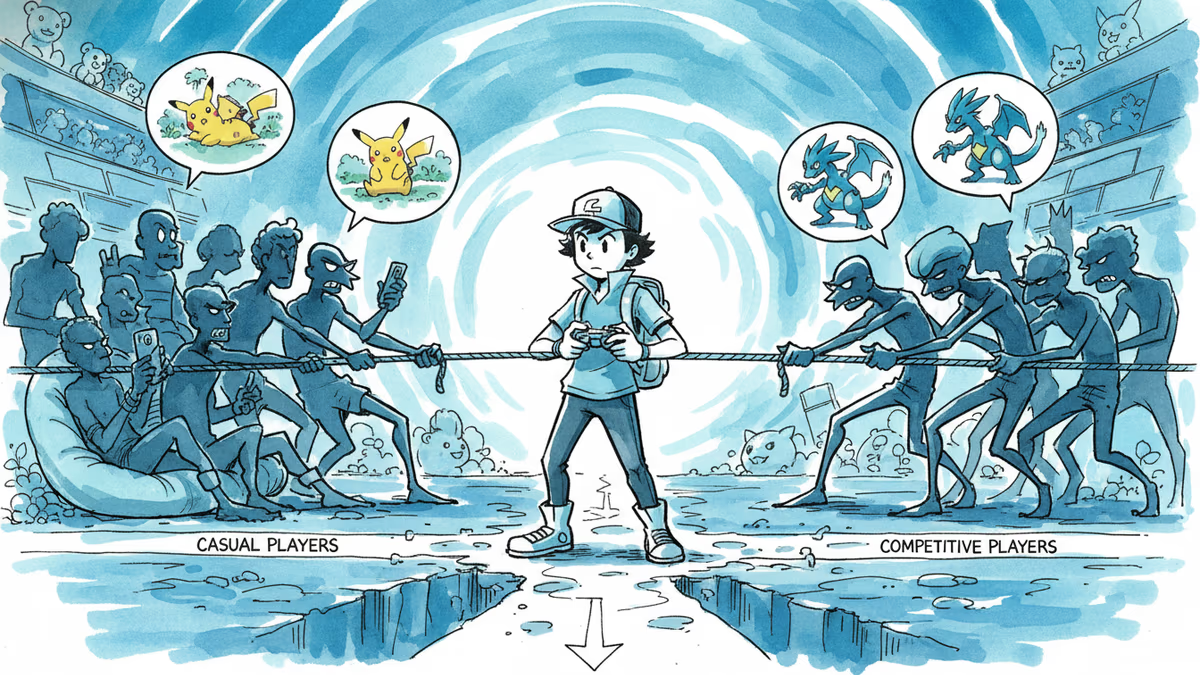
Pokémon Champions launched on Switch with bugs breaking core battle mechanics. But the deeper issue isn't the bugs — it's whether a game trying to please all players can satisfy any of them.
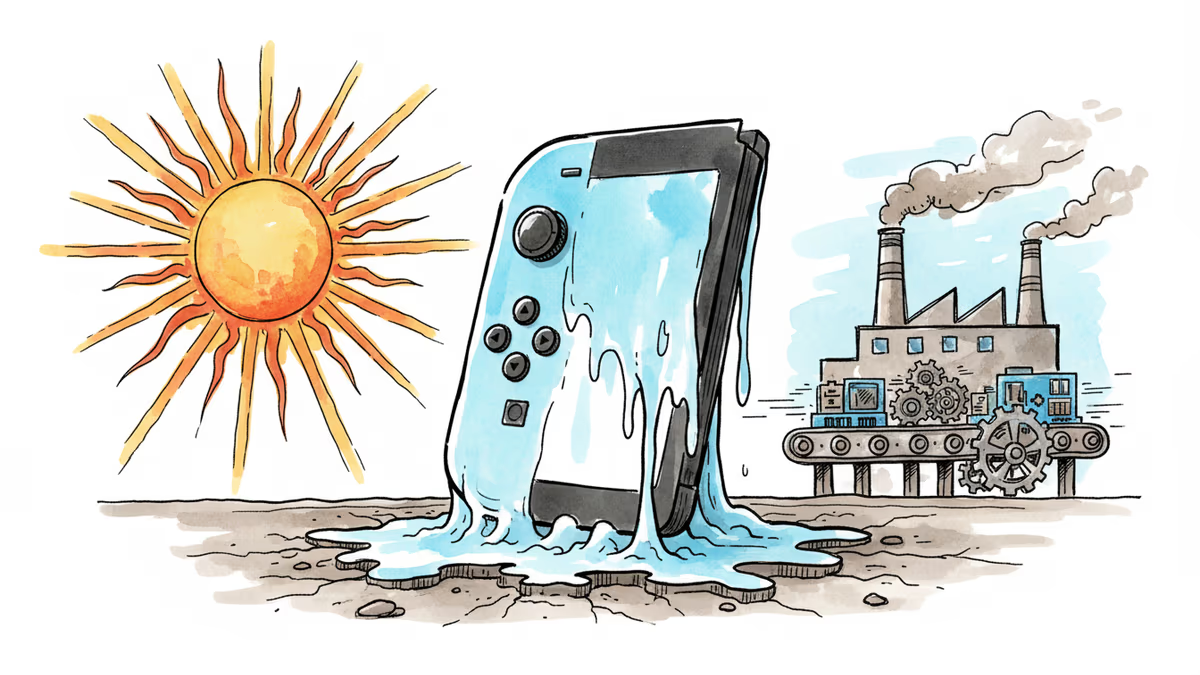
Nine months after a record-breaking launch, Nintendo is cutting Switch 2 production from 6 million to 4 million units per quarter. What went wrong, and what does it signal for the console market?
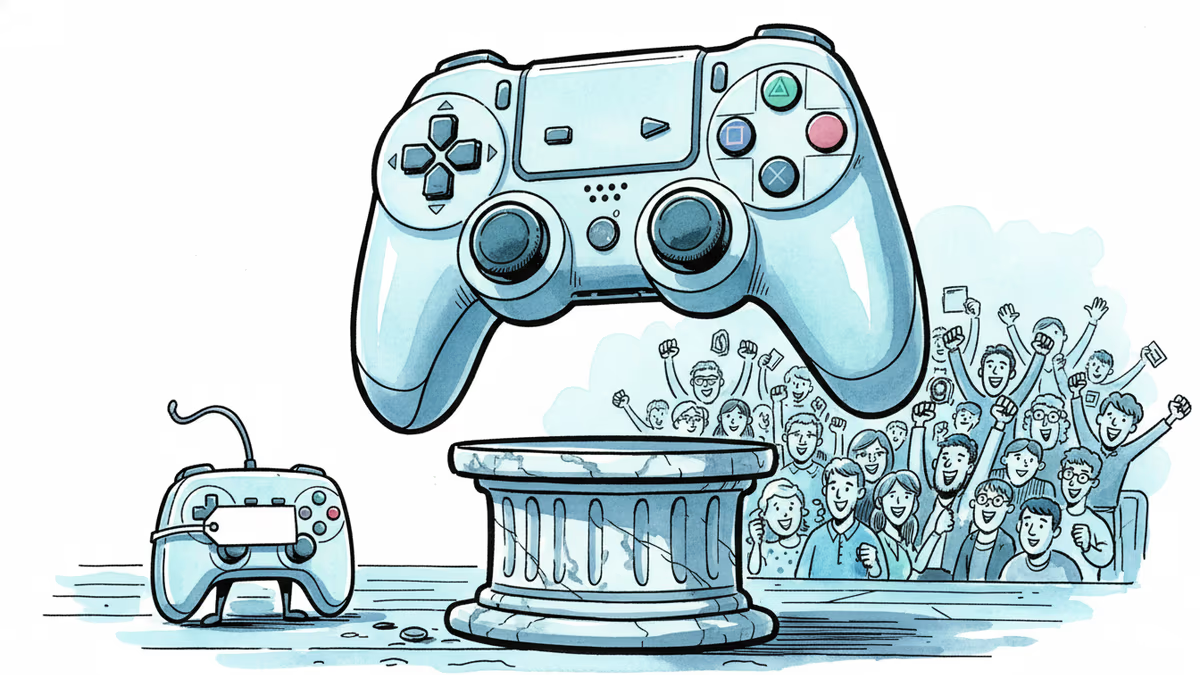
The EasySMX S10 Lite challenges Nintendo's official Switch 2 Pro Controller at less than half the price. What happens when third-party gear outperforms the original?
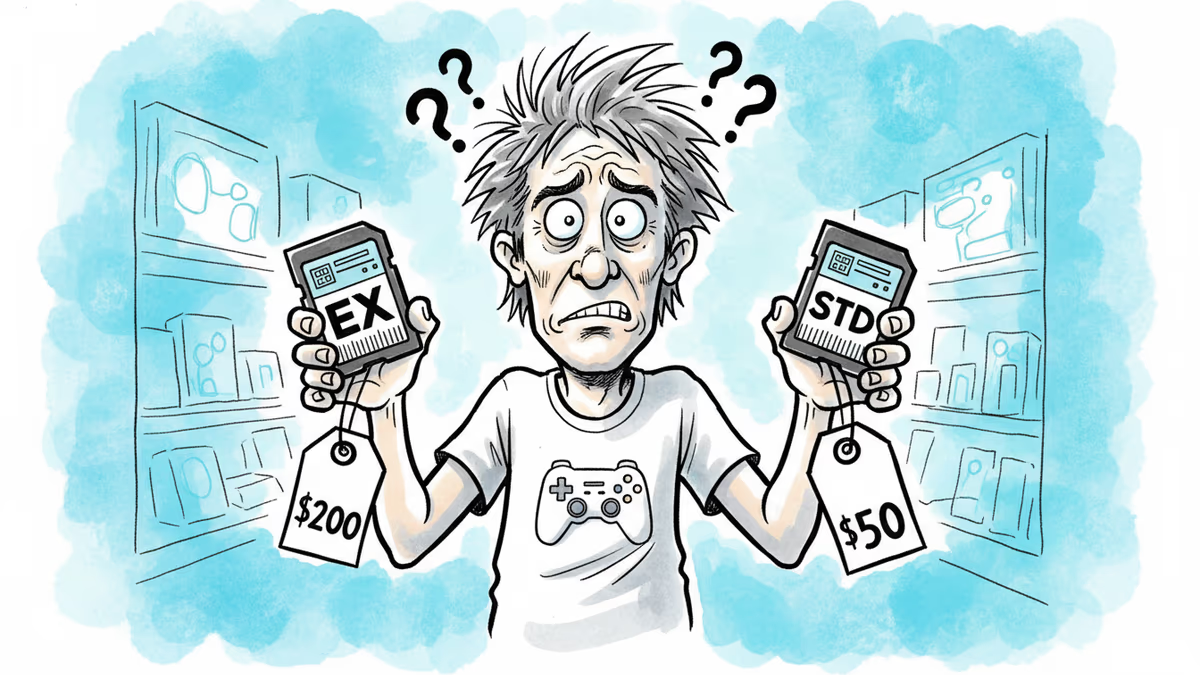
Nintendo Switch 2 requires expensive microSD Express cards instead of regular microSD. 4.4x faster speeds come with 2x higher prices - what this means for gamers and the industry.
Pokémon Champions launched on Switch with bugs breaking core battle mechanics. But the deeper issue isn't the bugs — it's whether a game trying to please all players can satisfy any of them.
Nine months after a record-breaking launch, Nintendo is cutting Switch 2 production from 6 million to 4 million units per quarter. What went wrong, and what does it signal for the console market?
The EasySMX S10 Lite challenges Nintendo's official Switch 2 Pro Controller at less than half the price. What happens when third-party gear outperforms the original?
Nintendo Switch 2 requires expensive microSD Express cards instead of regular microSD. 4.4x faster speeds come with 2x higher prices - what this means for gamers and the industry.
Thoughts
Share your thoughts on this article
Sign in to join the conversation