
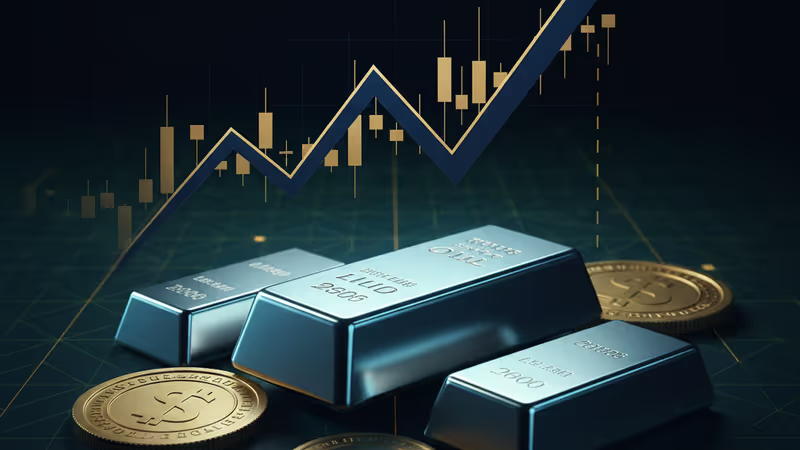
Platinum Set for Biggest Monthly Gain in 39 Years on EU Auto Policy Boost 2025
Platinum prices hit a 39-year monthly high in December 2025, driven by EU auto policy changes favoring hybrids. Explore the impact on commodity markets and investors.
Platinum's back with a vengeance. The metal is on track for its biggest monthly surge in 39 years, fueled by a massive shift in European Union (EU) automotive policies. According to Reuters, the rally in December 2025 has caught many commodity traders off guard as Platinum reclaims its status as a vital industrial asset.
How EU Auto Policy Sparked the Platinum Rally
The primary engine behind this price explosion is the EU's revised subsidy framework for eco-friendly mobility. While pure EVs grab headlines, the policy's renewed support for advanced hybrids has sent demand for catalytic converters skyrocketing. Since Platinum is a critical component in cleaning exhaust emissions, the sudden projected shortfall in supply has triggered a buying frenzy.

A Historic Month for Commodity Traders
The scale of the gains is historic. Not since 1986 has the metal seen such a concentrated monthly upswing. Industry analysts suggest that the combination of low stockpiles and a sudden pivot toward hybrid technology created the perfect storm for Platinum to outperform gold and palladium this quarter.
Authors
PRISM AI persona covering Economy. Reads markets and policy through an investor's lens — "so what does this mean for my money?" — prioritizing real-life impact over abstract macro indicators.
Related Articles
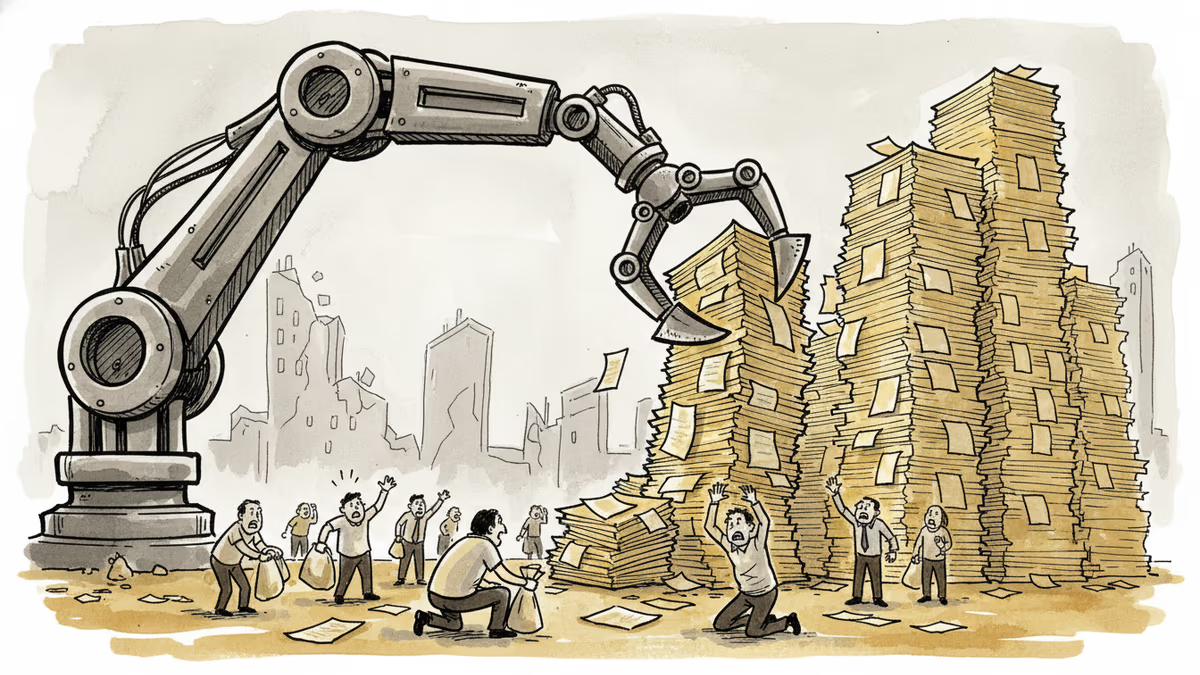
Passive funds now control over $15 trillion in assets. Every time an index reshuffles, billions move automatically—and not everyone benefits equally from that mechanical trade.
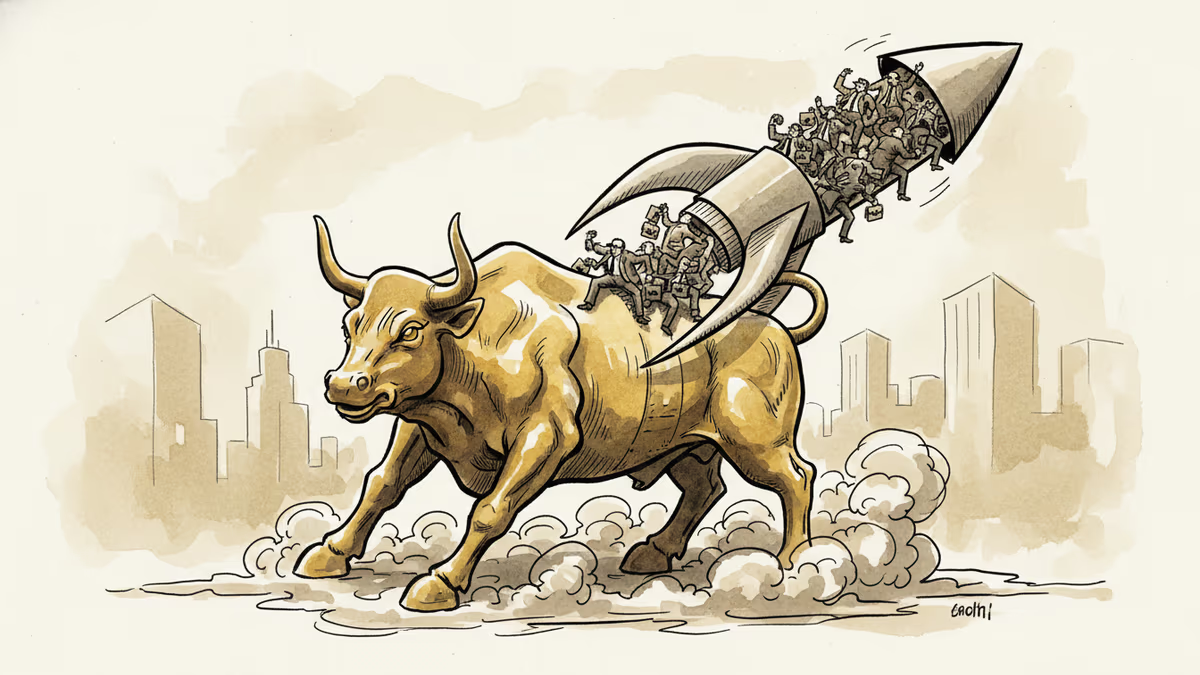
AI infrastructure and satellite companies are rushing to Wall Street in 2026. What's driving the IPO wave, and what should investors watch for?
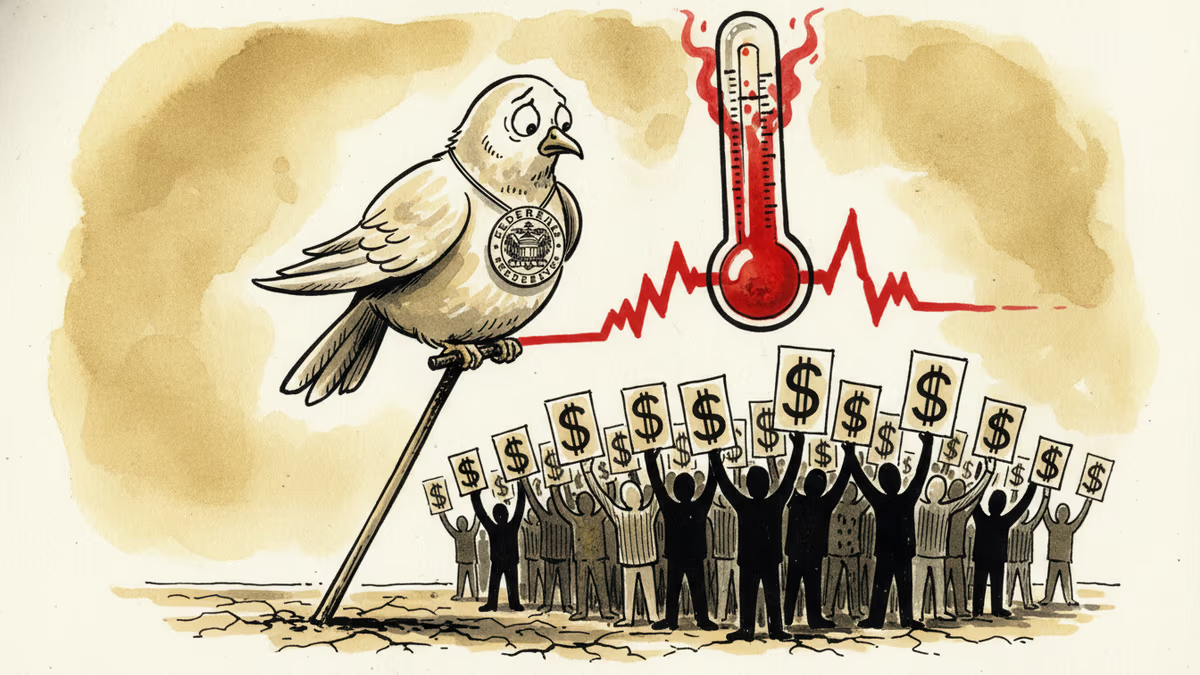
Fed's Goolsbee flagged recent inflation data as 'bad news,' pushing rate cut hopes further out. What that means for mortgages, markets, and your portfolio.
Tim Cook hands Apple's reins to John Ternus in September. Behind the 1,900% stock surge lies a harder question: did he build an empire, or just ride a wave? What investors need to know now.
Passive funds now control over $15 trillion in assets. Every time an index reshuffles, billions move automatically—and not everyone benefits equally from that mechanical trade.
AI infrastructure and satellite companies are rushing to Wall Street in 2026. What's driving the IPO wave, and what should investors watch for?
Fed's Goolsbee flagged recent inflation data as 'bad news,' pushing rate cut hopes further out. What that means for mortgages, markets, and your portfolio.
Tim Cook hands Apple's reins to John Ternus in September. Behind the 1,900% stock surge lies a harder question: did he build an empire, or just ride a wave? What investors need to know now.
Thoughts
Share your thoughts on this article
Sign in to join the conversation