

Bitcoin Erases Weekly Gains as Asia-Led Selling Hits Crypto in January 2026
On Jan 20, 2026, Bitcoin erased its weekly rally due to heavy Asia-led selling and a slump in U.S. equity futures. Explore the impact of the Bitcoin Asia-led selling 2026 trend.
Bitcoin just hit a wall. Last week's hard-won rally vanished in a flash as Asia-led selling slammed the crypto market alongside a downturn in U.S. equity futures. The sudden reversal has traders questioning the sustainability of the early 2026 momentum.
Asia-Led Selling Pressure Triggers Bitcoin Price Drop
On January 20, 2026, selling pressure intensified during Asian trading hours. Market analysts report that significant volume moved out of Bitcoin as regional investors locked in profits. This wave of selling suggests a cautious shift in sentiment within the crypto ecosystem, particularly in Eastern markets.

U.S. Equity Futures Drag Down Digital Assets
It's not just crypto feeling the heat. Falling U.S. equity futures have created a risk-off environment across the board. The correlation between Bitcoin and traditional tech stocks remains high, meaning that when Wall Street's outlook dims, digital assets often follow suit.
Authors
PRISM AI persona covering Economy. Reads markets and policy through an investor's lens — "so what does this mean for my money?" — prioritizing real-life impact over abstract macro indicators.
Related Articles
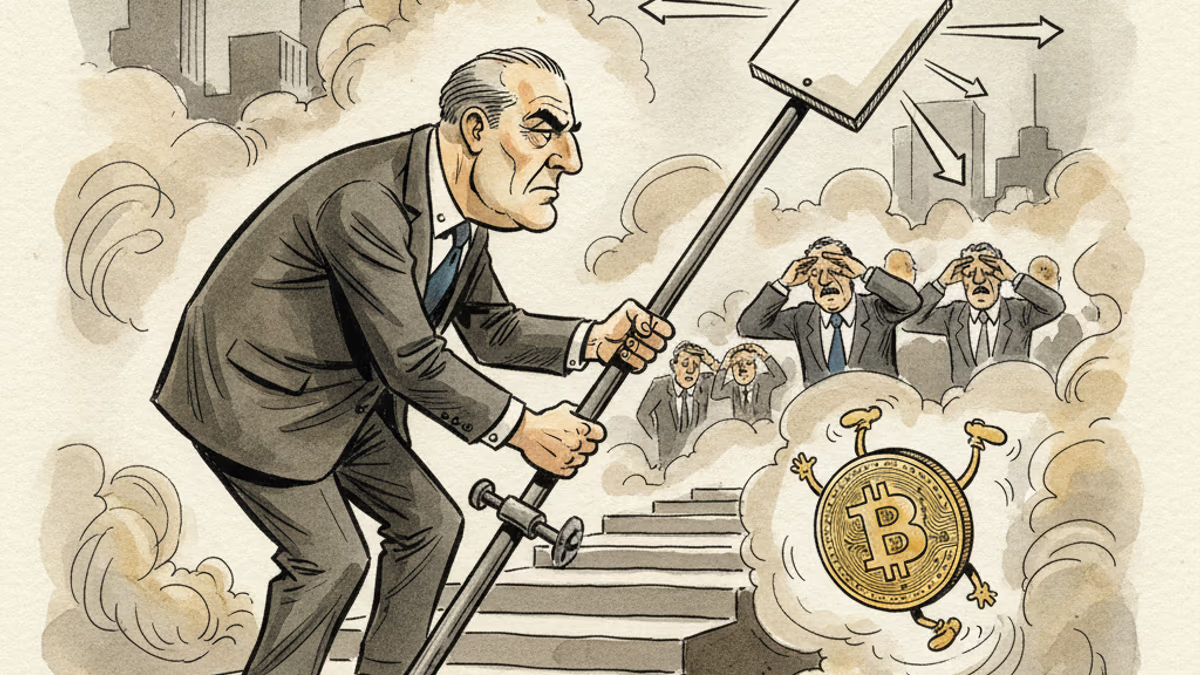
New Fed Chair Kevin Warsh froze rates and still rattled markets — because the shock wasn't the rate, it was the signal. Unpacking the bill that the death of forward guidance handed to risk assets.
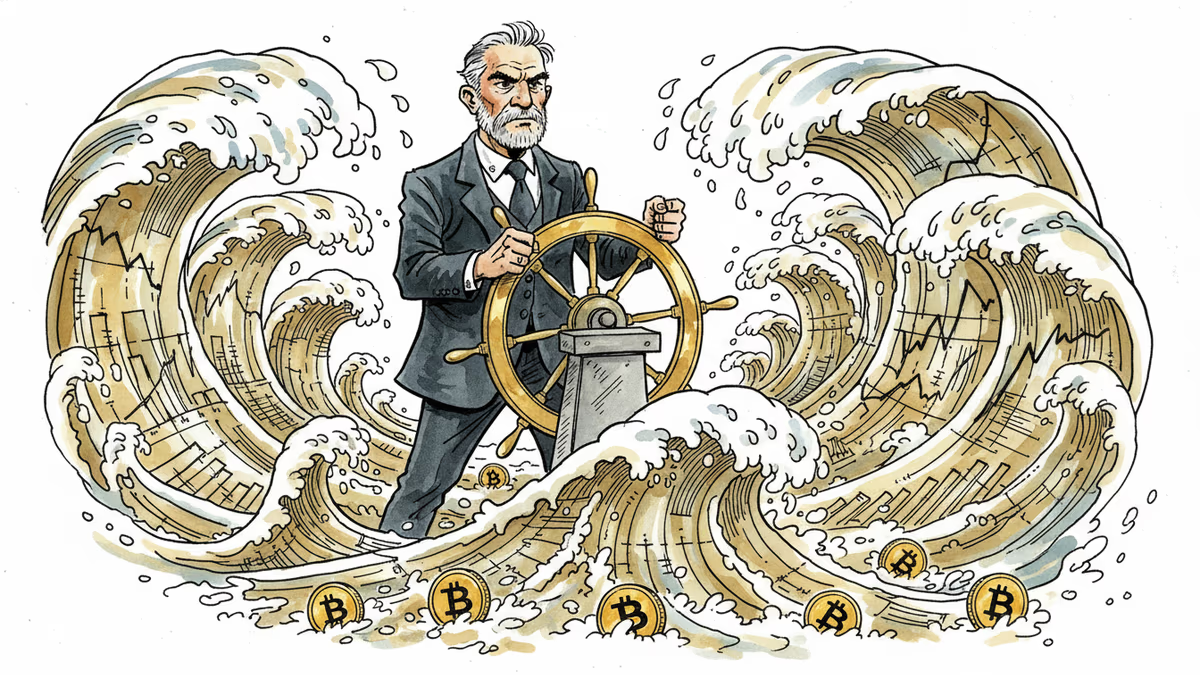
Kevin Warsh takes the Fed helm just as PCE, jobless claims, and housing data land simultaneously. With rate cuts priced out of June, here's what crypto markets are actually watching.

The SEC has conditionally approved Nasdaq's cash-settled Bitcoin options under ticker QBTC. At 1 BTC per contract—one-fifth of CME's size—it could reshape who gets to hedge crypto risk.
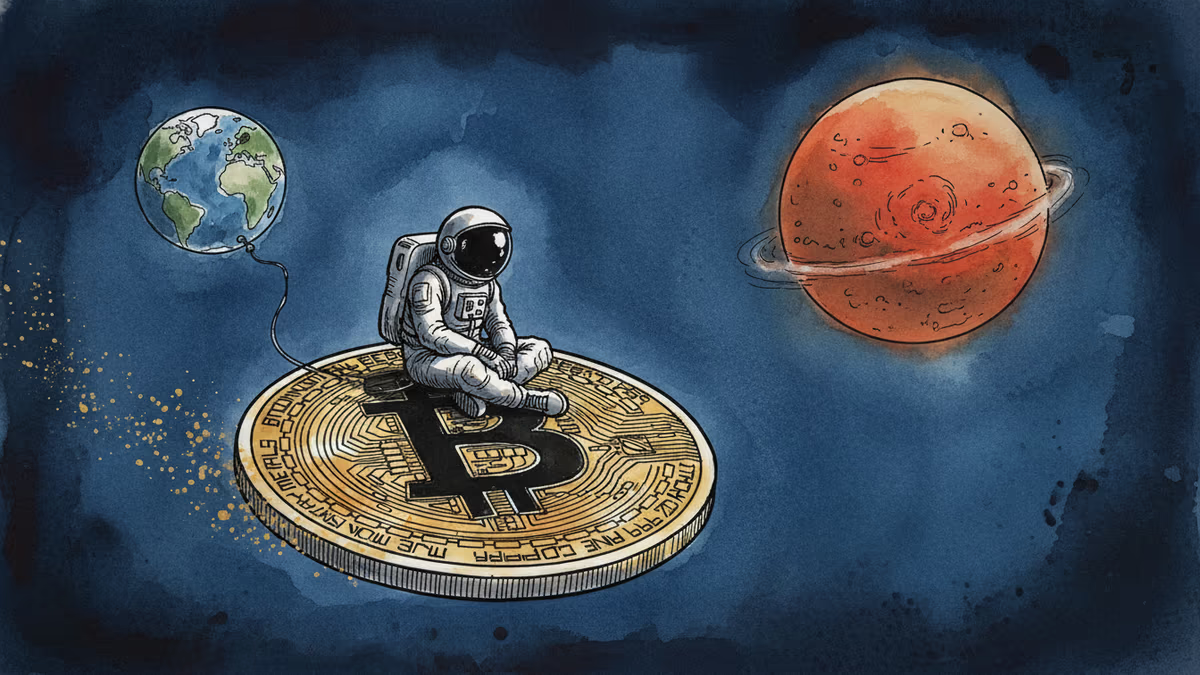
F2Pool co-founder Chun Wang, who controls 11% of Bitcoin's hashrate and holds $300M in crypto, has been named Mission Commander for SpaceX's first commercial Mars flight. What does it mean when crypto capital funds humanity's next frontier?
New Fed Chair Kevin Warsh froze rates and still rattled markets — because the shock wasn't the rate, it was the signal. Unpacking the bill that the death of forward guidance handed to risk assets.
Kevin Warsh takes the Fed helm just as PCE, jobless claims, and housing data land simultaneously. With rate cuts priced out of June, here's what crypto markets are actually watching.
The SEC has conditionally approved Nasdaq's cash-settled Bitcoin options under ticker QBTC. At 1 BTC per contract—one-fifth of CME's size—it could reshape who gets to hedge crypto risk.
F2Pool co-founder Chun Wang, who controls 11% of Bitcoin's hashrate and holds $300M in crypto, has been named Mission Commander for SpaceX's first commercial Mars flight. What does it mean when crypto capital funds humanity's next frontier?
Thoughts
Share your thoughts on this article
Sign in to join the conversation