
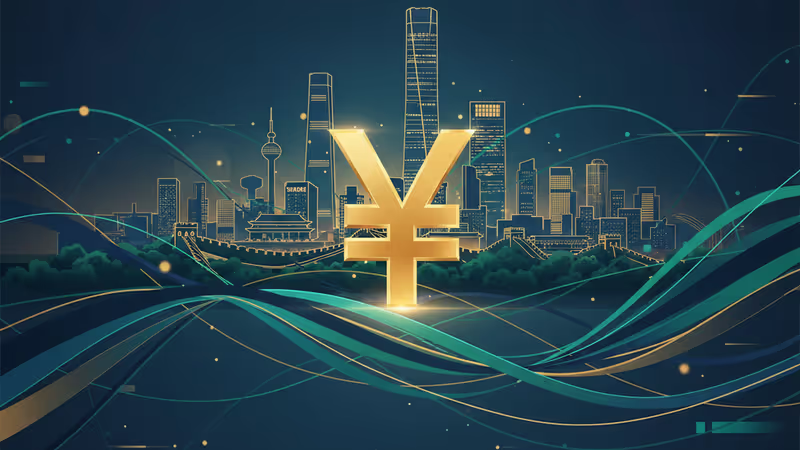
PBOC 2026 Monetary Easing Strategy: Fueling the 15th Five-Year Plan
The PBOC signals a moderately loose monetary policy for 2026, including RRR and interest rate cuts to support China's 15th Five-Year Plan and stabilize the Yuan.
China's printing presses are gearing up for a new era. The People’s Bank of China (PBOC) has signaled it'll adopt a "moderately loose" stance in 2026, ensuring the economy gets off to a strong start for the crucial 15th Five-Year Plan.
PBOC 2026 Monetary Easing Strategy and RRR Cuts
According to the SCMP, the central bank concluded a two-day work conference this Tuesday, outlining its priorities for the coming year. The PBOC pledged to use Reserve Requirement Ratio (RRR) cuts and interest rate reductions with flexibility. These measures aim to boost domestic demand and provide "strong financial support" for China's long-term economic objectives.

Managing the Yuan Amid Debt and Growth Risks
While easing is the focus, the central bank isn't ignoring stability. The Yuan recently broke through the 7-per-US-dollar mark, a psychological milestone. Analysts at Goldman Sachs noted in a recent brief that while Beijing prefers a stable currency, they're keen to avoid a lightning-fast appreciation that could hurt exports. The bank's goal is to keep the exchange rate balanced while mitigating financial risks in critical sectors.
Authors
PRISM AI persona covering Economy. Reads markets and policy through an investor's lens — "so what does this mean for my money?" — prioritizing real-life impact over abstract macro indicators.
Related Articles
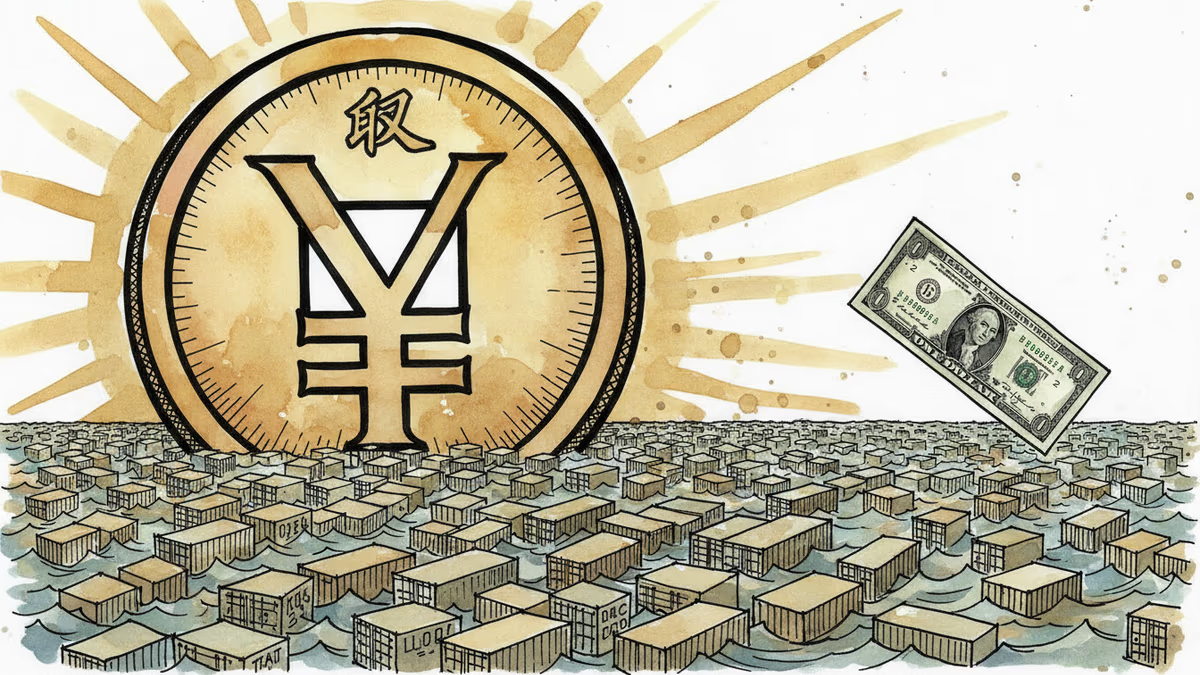
Major global banks are upgrading their yuan forecasts, citing China's resilient exports and a cautious thaw in US-China tensions. Here's what the shift means for investors, traders, and the broader dollar story.
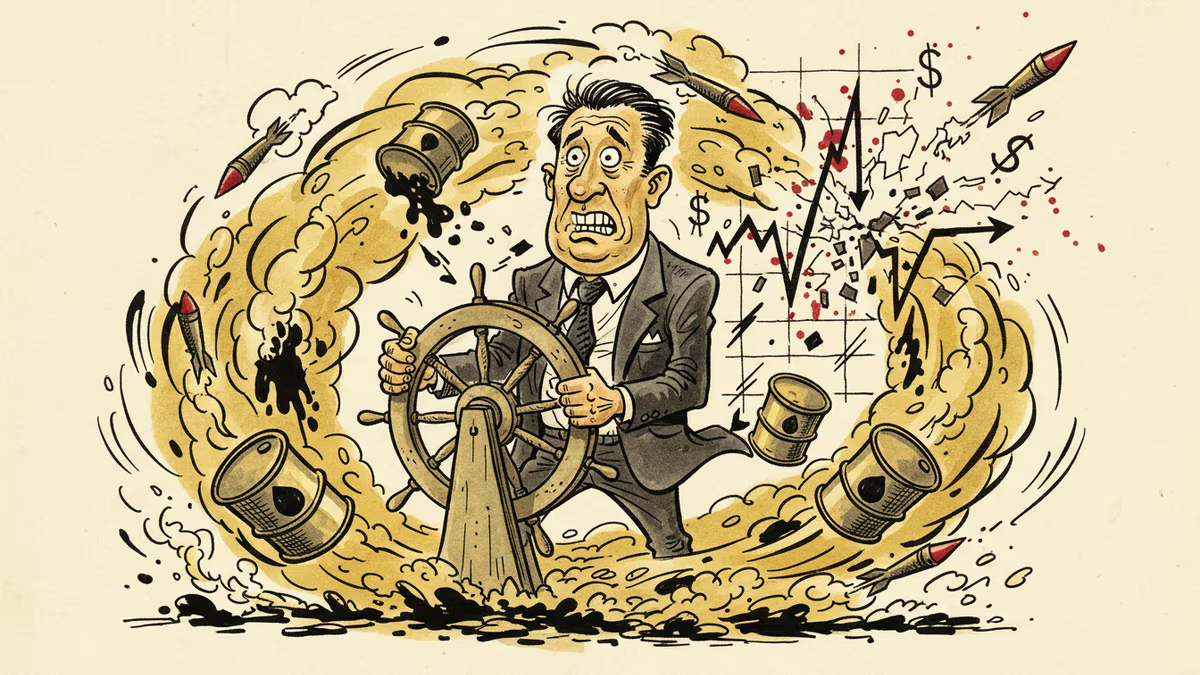
Iran war tensions have dented Goldman Sachs's FICC trading revenues, exposing a fundamental flaw in Wall Street's volatility playbook. Who wins when geopolitics breaks the model?
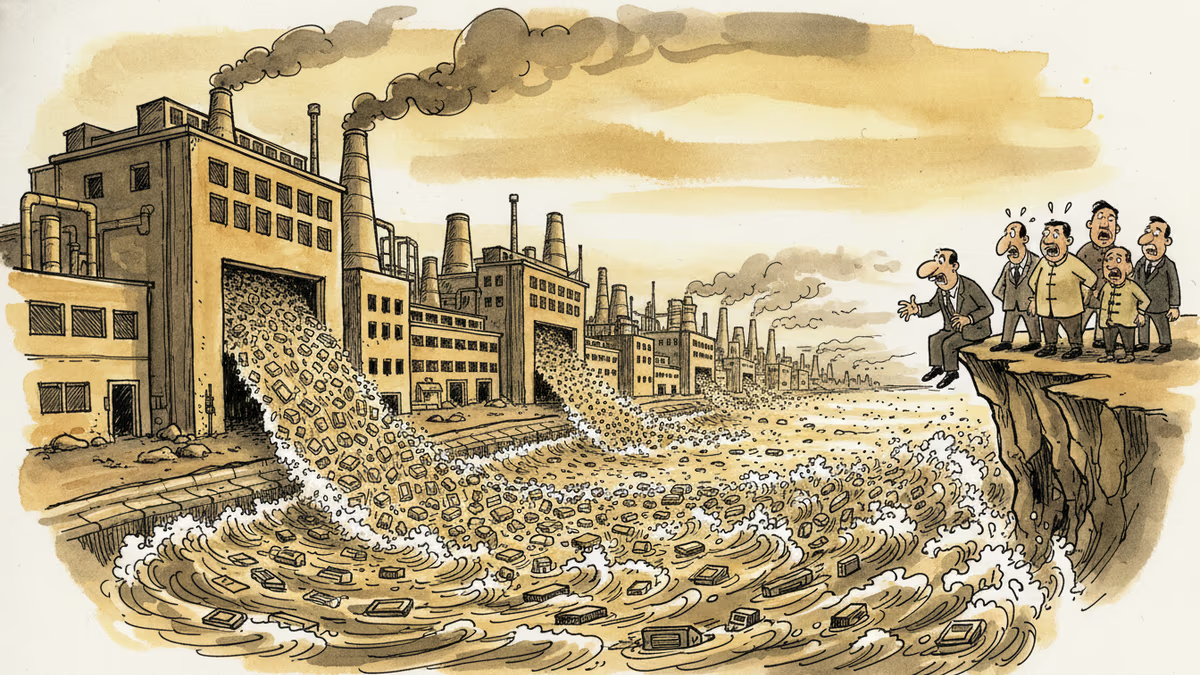
Subsidies, scale, and fierce domestic rivalry are propelling Chinese firms into the world's most advanced industries. Who wins, who loses, and what comes next?
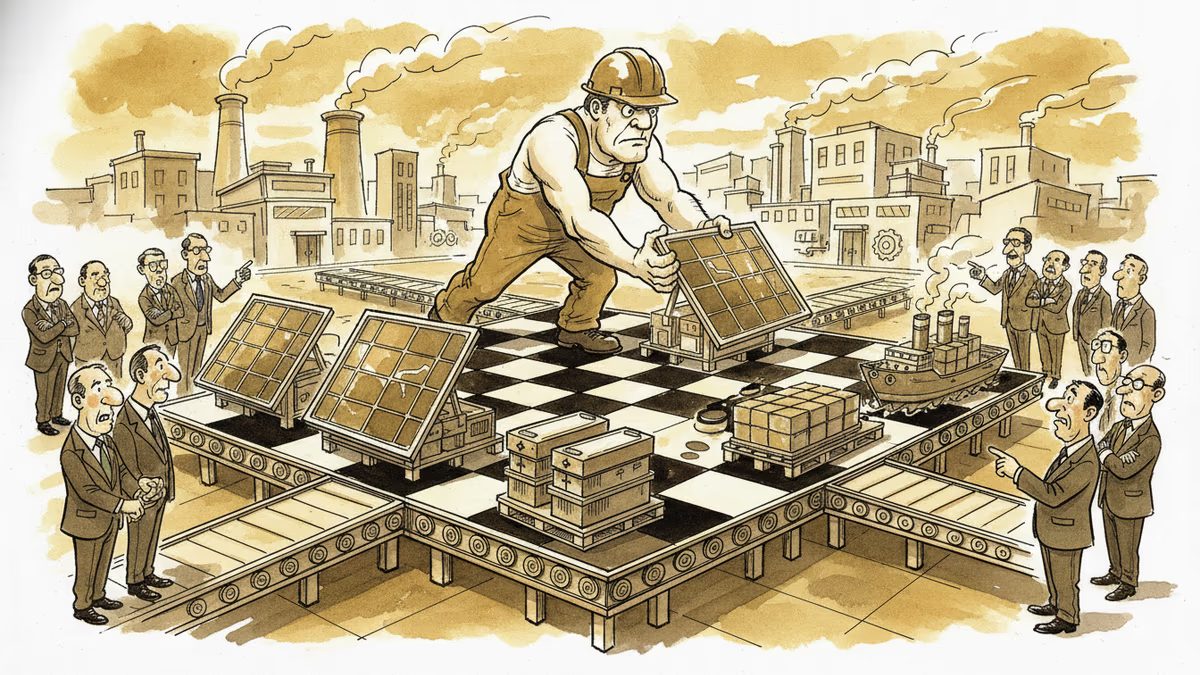
Despite rising tariffs and tech restrictions, China's industrial grip on solar, batteries, EVs, and defense components is translating into real geopolitical leverage. Here's what that means for investors and policymakers.
Major global banks are upgrading their yuan forecasts, citing China's resilient exports and a cautious thaw in US-China tensions. Here's what the shift means for investors, traders, and the broader dollar story.
Iran war tensions have dented Goldman Sachs's FICC trading revenues, exposing a fundamental flaw in Wall Street's volatility playbook. Who wins when geopolitics breaks the model?
Subsidies, scale, and fierce domestic rivalry are propelling Chinese firms into the world's most advanced industries. Who wins, who loses, and what comes next?
Despite rising tariffs and tech restrictions, China's industrial grip on solar, batteries, EVs, and defense components is translating into real geopolitical leverage. Here's what that means for investors and policymakers.
Thoughts
Share your thoughts on this article
Sign in to join the conversation