
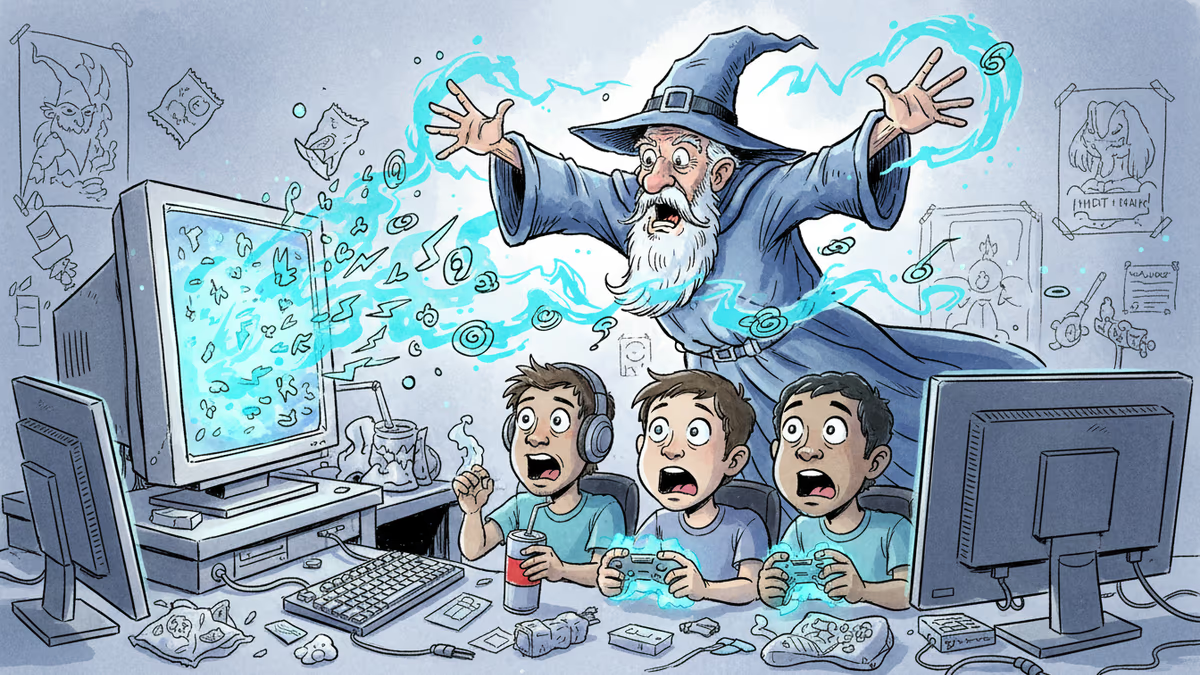
Diablo II Gets New Content After 25 Years—Is This Gaming's New Gold Rush?
Blizzard's surprise Diablo II expansion after 25 years signals a potential shift in gaming economics. Classic IPs might be more valuable than new blockbusters.
When 25 Years Becomes a Marketing Strategy
Last night, Blizzard did something unprecedented in gaming: they released new DLC for a game that's older than most of its players. The "Reign of the Warlock" expansion for Diablo II: Resurrected marks the first major content drop since 2001's "Lord of Destruction." That's 25 years of waiting—and it might just be the smartest business move in gaming right now.
Sure, it's technically for the 2021 remaster, not the original 2000 release. But the remaster is so faithful to the original that this feels like genuine new content for a quarter-century-old game. For fans who've been running the same Baal runs since the Bush administration, this is nothing short of miraculous.
The Warlock: More Than Just Another Class
The new Warlock class "commands forbidden power" and "dominates demons," according to Blizzard's description. These magic users leverage their "elevated status in Sanctuary to hunt down lost knowledge" and continue the legacy of Horazon. It's classic Diablo lore, but the timing tells a different story.
This isn't just about adding a seventh class. The expansion includes new endgame challenges and inventory management options—features that modern gamers expect but weren't possible in 2001. It's a fascinating hybrid of retro appeal and contemporary game design.
The Economics of Nostalgia

Here's what makes this move brilliant: while AAA studios burn through $200+ million budgets with no guarantee of success, Blizzard just monetized a proven fanbase with relatively minimal investment. Diablo II still maintains tens of thousands of concurrent players across multiple platforms. That's not nostalgia—that's an active market.
The gaming industry is facing a crisis of escalating costs and diminishing returns. Major publishers are laying off thousands while chasing the next billion-dollar hit. Meanwhile, a 25-year-old game just proved that sometimes the best new content is old content done right.
Community Response: Skepticism Meets Excitement
The reaction has been predictably mixed. Long-time fans are ecstatic, but there's underlying skepticism. Many see this as damage control after Diablo IV's lukewarm reception. Others question whether Blizzard is simply milking nostalgia instead of innovating.
But here's the thing: it doesn't matter. The fact that a quarter-century-old game can still generate this much discussion proves its enduring value. In an industry obsessed with the next big thing, Diablo II just reminded everyone that sometimes the biggest thing is already here.
The Bigger Picture: Gaming's Immortality Complex
This move signals something larger about gaming's evolution. We're witnessing the birth of truly immortal games—titles that transcend their original technology and continue evolving decades later. World of Warcraft is 20 years old and still getting expansions. Counter-Strike has been reinvented multiple times across 25 years.
Authors
Related Articles
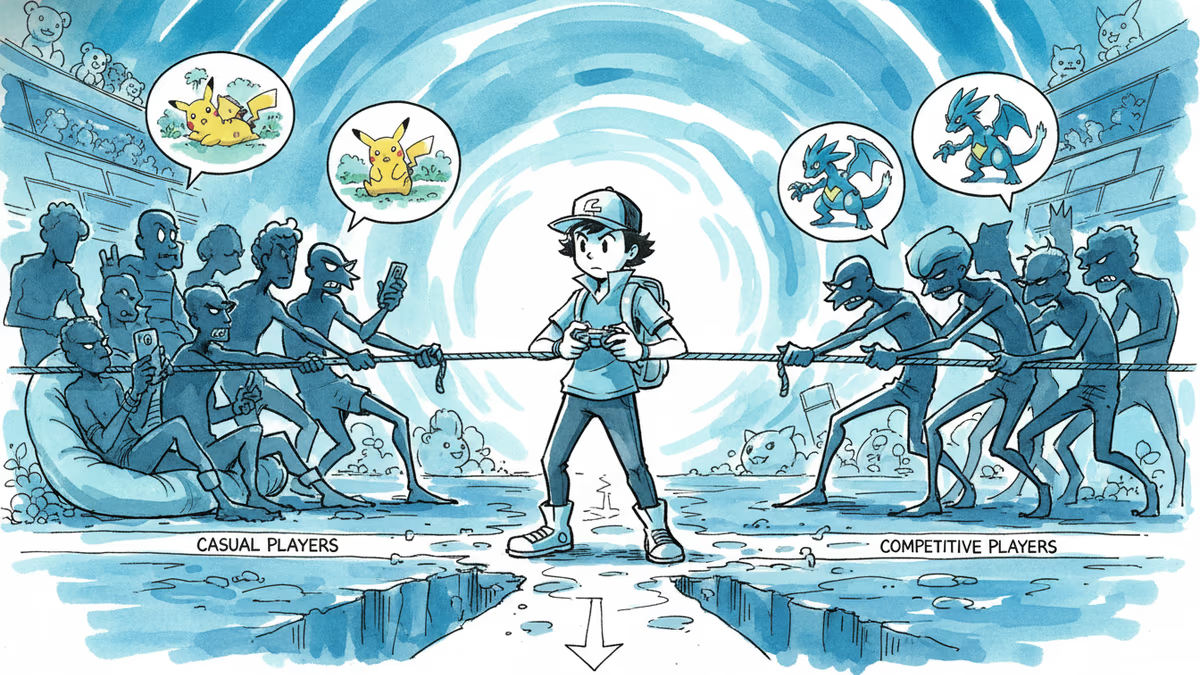
Pokémon Champions launched on Switch with bugs breaking core battle mechanics. But the deeper issue isn't the bugs — it's whether a game trying to please all players can satisfy any of them.
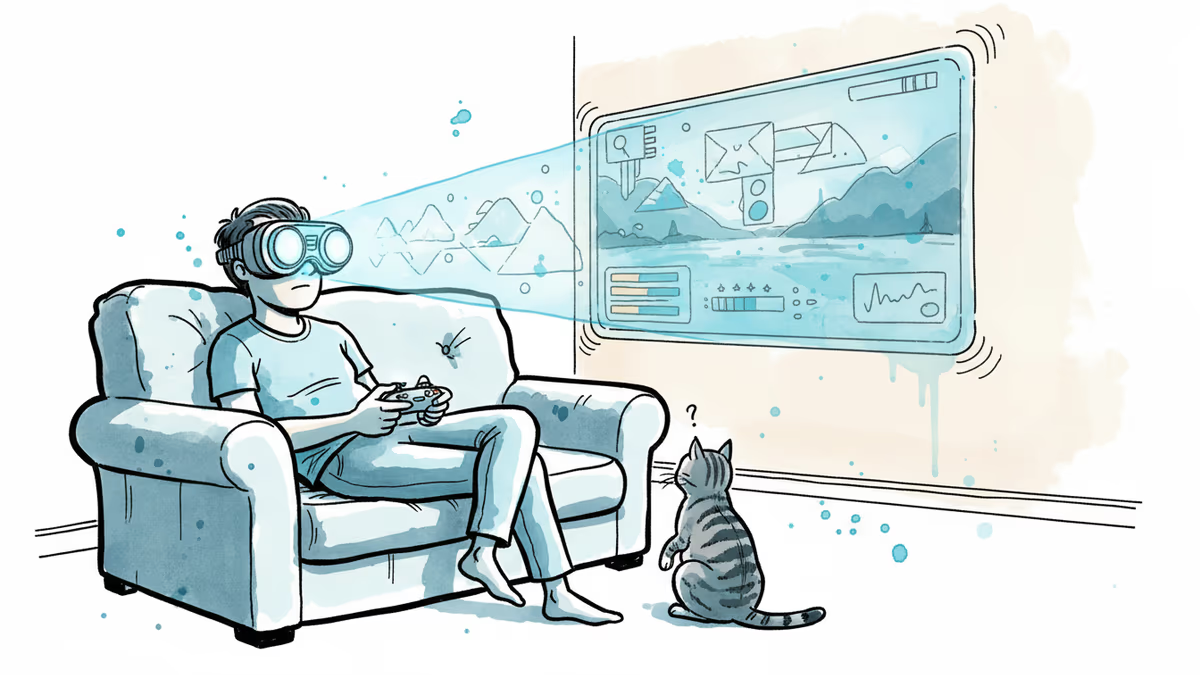
Xreal and Viture's latest AR glasses all do a few things well and a few things poorly. Here's what the best pair would look like — and why none of them are there yet.
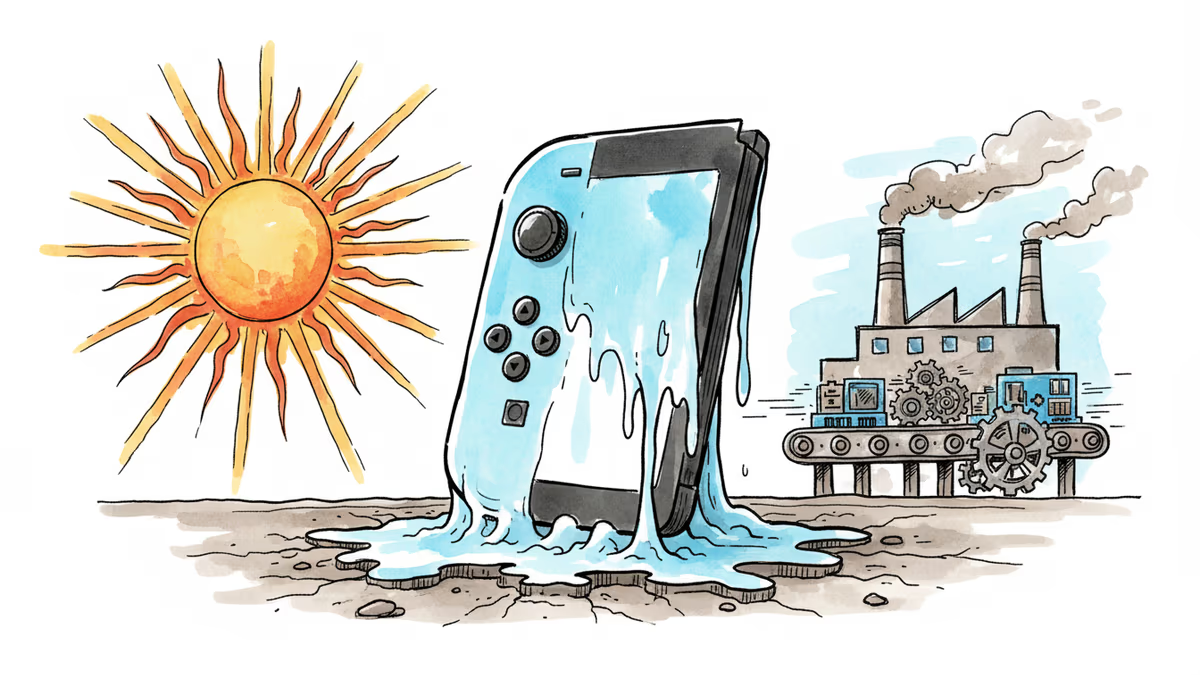
Nine months after a record-breaking launch, Nintendo is cutting Switch 2 production from 6 million to 4 million units per quarter. What went wrong, and what does it signal for the console market?
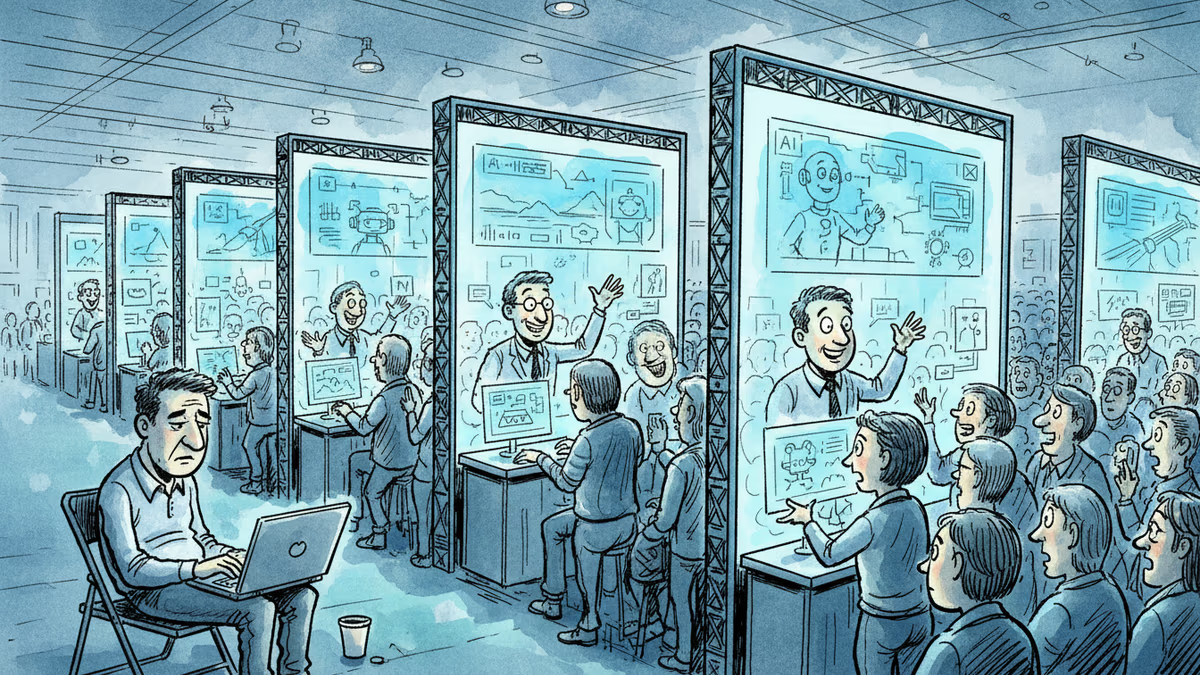
Generative AI tools dominated GDC 2026 — but most developers aren't shipping them in real games. What's holding the industry back, and what does that gap reveal?
Pokémon Champions launched on Switch with bugs breaking core battle mechanics. But the deeper issue isn't the bugs — it's whether a game trying to please all players can satisfy any of them.
Xreal and Viture's latest AR glasses all do a few things well and a few things poorly. Here's what the best pair would look like — and why none of them are there yet.
Nine months after a record-breaking launch, Nintendo is cutting Switch 2 production from 6 million to 4 million units per quarter. What went wrong, and what does it signal for the console market?
Generative AI tools dominated GDC 2026 — but most developers aren't shipping them in real games. What's holding the industry back, and what does that gap reveal?
Thoughts
Share your thoughts on this article
Sign in to join the conversation