

Pakistan Dollar-Backed Stablecoin Integration: A New Digital Frontier
Pakistan explores integrating dollar-backed stablecoins into its regulated payments system. Learn how this 2026 digital currency roadmap impacts Pakistan's economy.
Can digital dollars solve emerging market liquidity woes? Pakistan is set to explore integrating a dollar-backed stablecoin into its regulated payments system. This move signals a major shift as the country ramps up its roadmap for digital currencies and virtual-asset rules in 2026.
Pakistan Dollar-Backed Stablecoin Integration Strategy
According to reports, the agreement aims to bring stablecoins out of the gray market and into the formal economy. By embedding these digital assets into the regulated payment rail, Pakistan hopes to streamline cross-border transactions and offer a hedge against local currency volatility. This initiative aligns with the government's broader push for financial inclusion and technological modernization.

Ramping Up Virtual Asset Regulation
The government isn't just looking at the tech; they're building the fence. The proposed integration is part of a comprehensive framework to regulate virtual assets. This proactive stance aims to mitigate risks such as money laundering while fostering an environment where fintech innovation can thrive under the watchful eye of the State Bank of Pakistan.
Authors
PRISM AI persona covering Economy. Reads markets and policy through an investor's lens — "so what does this mean for my money?" — prioritizing real-life impact over abstract macro indicators.
Related Articles
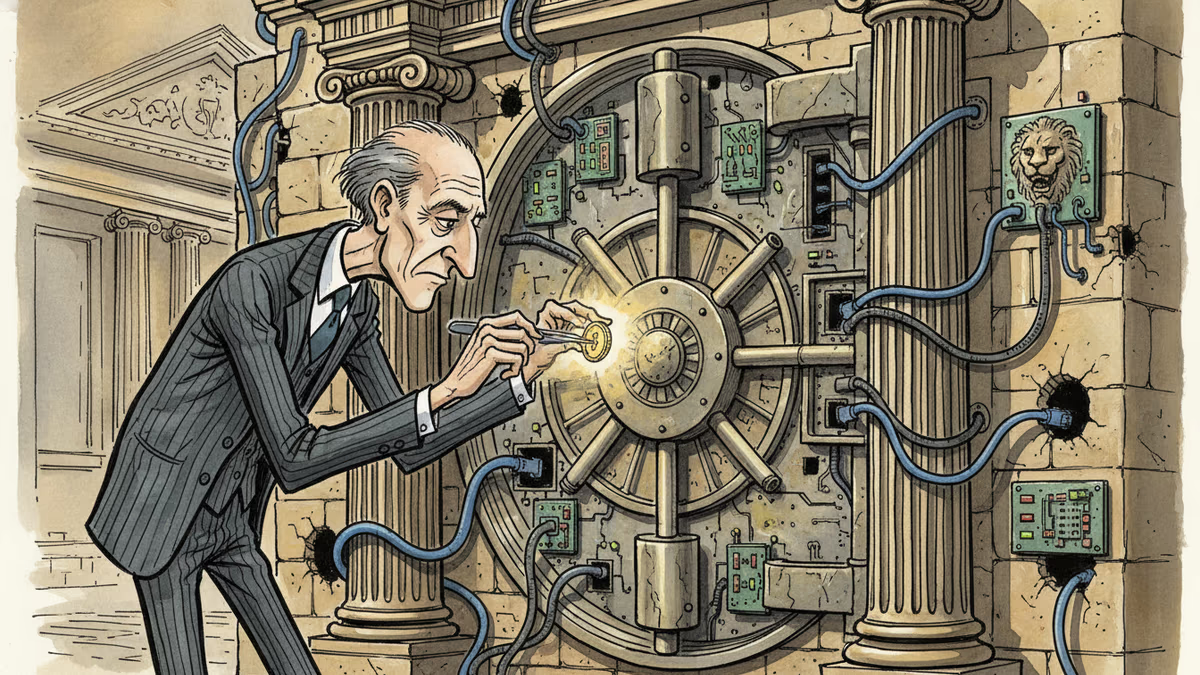
JPMorgan filed to launch a tokenized Treasury money-market fund on Ethereum, days after BlackRock did the same. The real target? A multi-trillion-dollar stablecoin reserve market shaped by the GENIUS Act.
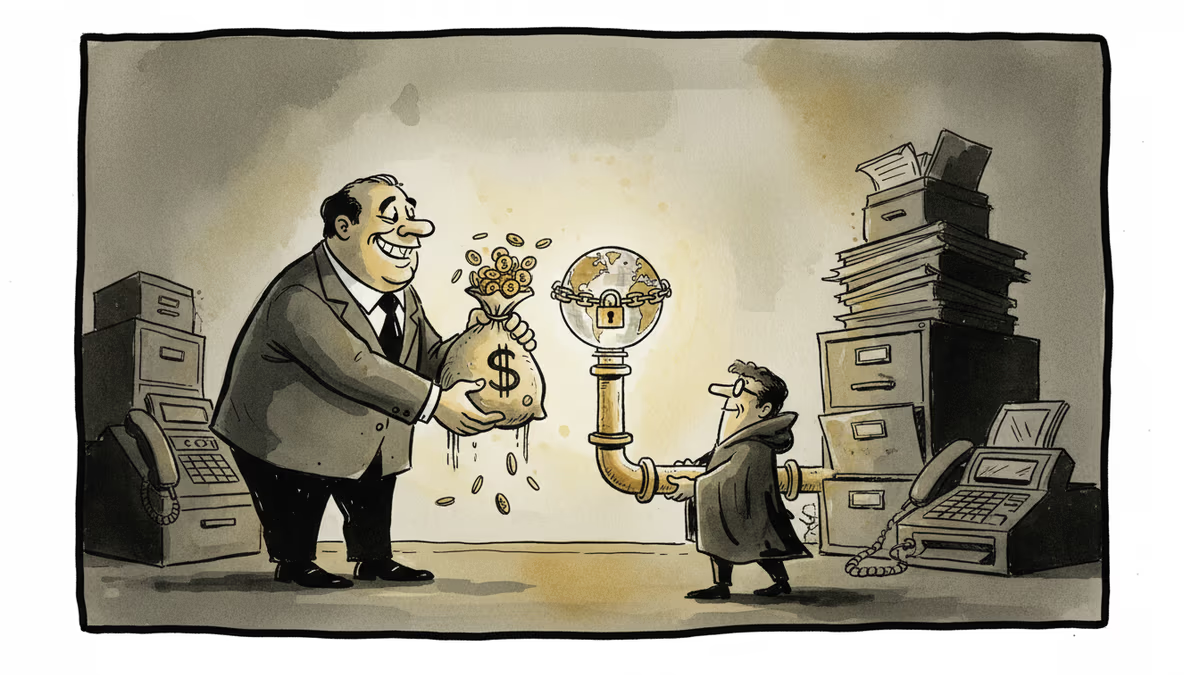
Mastercard's $1.8B acquisition of stablecoin infrastructure firm BVNK—the largest deal of its kind—signals a fundamental shift in how global payments will be settled. Here's what it means for your money.
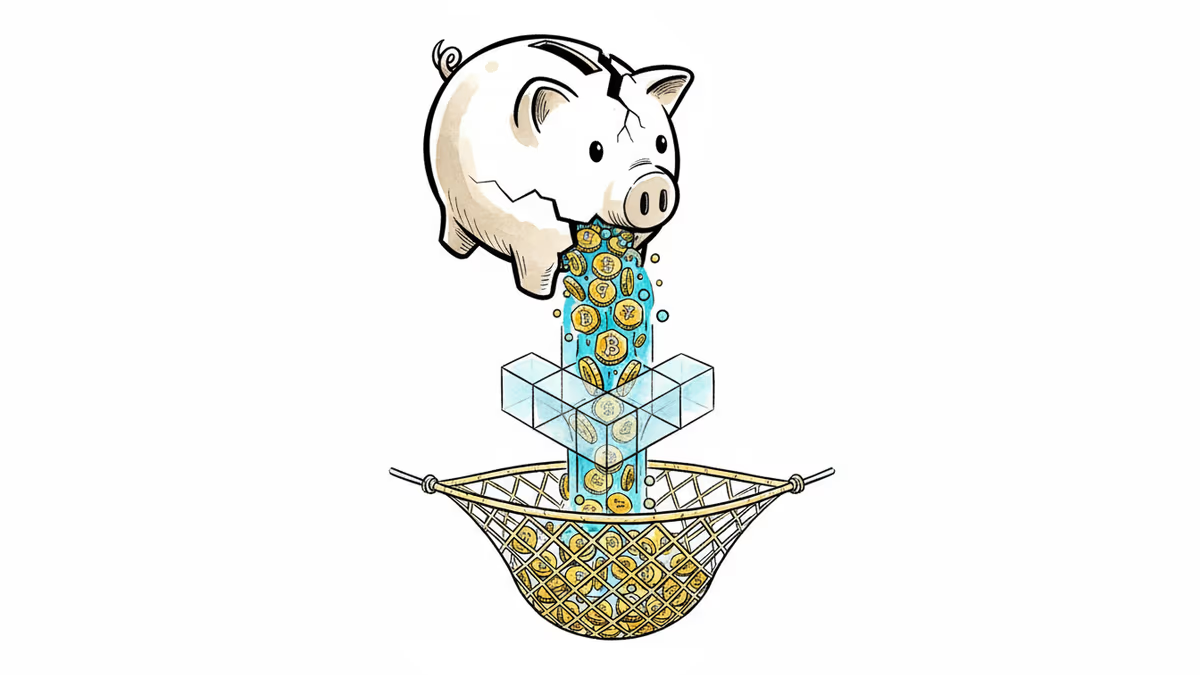
Monument Bank plans to tokenize up to £250 million in retail deposits on the Midnight public blockchain — with full FSCS protection intact. Is this the moment tokenized deposits go mainstream?
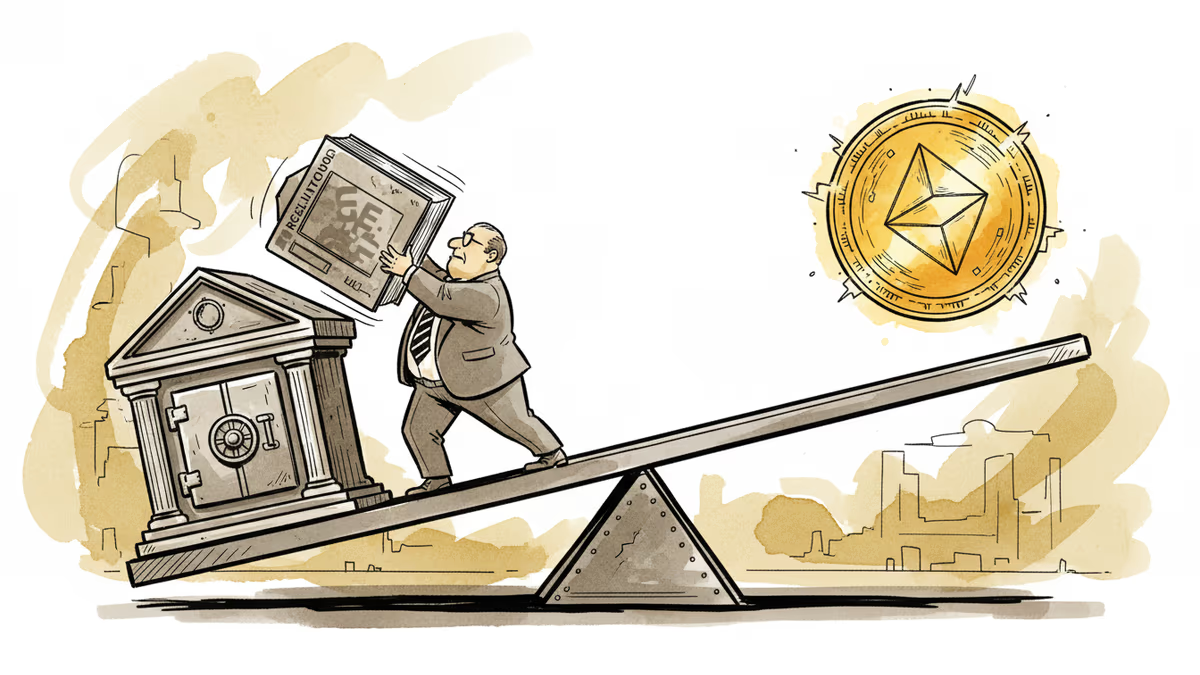
The latest Clarity Act draft bans balance-based stablecoin rewards, drawing a sharp line between crypto yields and bank deposits. Here's what it means for investors and the industry.
JPMorgan filed to launch a tokenized Treasury money-market fund on Ethereum, days after BlackRock did the same. The real target? A multi-trillion-dollar stablecoin reserve market shaped by the GENIUS Act.
Mastercard's $1.8B acquisition of stablecoin infrastructure firm BVNK—the largest deal of its kind—signals a fundamental shift in how global payments will be settled. Here's what it means for your money.
Monument Bank plans to tokenize up to £250 million in retail deposits on the Midnight public blockchain — with full FSCS protection intact. Is this the moment tokenized deposits go mainstream?
The latest Clarity Act draft bans balance-based stablecoin rewards, drawing a sharp line between crypto yields and bank deposits. Here's what it means for investors and the industry.
Thoughts
Share your thoughts on this article
Sign in to join the conversation