

Operation Absolute Resolve: US Captures Maduro as South Korea Urges Restraint
On Jan 4, 2026, South Korea calls for de-escalation after the US captured Nicolas Maduro in Operation Absolute Resolve. Discover the diplomatic and regional implications.
The geopolitical chessboard has been upended. In a bold military move, the United States has captured Venezuelan leader Nicolas Maduro during Operation Absolute Resolve. As shockwaves reverberate through South America, South Korea's foreign ministry has officially called for all parties to de-escalate tensions.
The Dawn of US Operation Absolute Resolve and Maduro’s Capture
According to Yonhap, President Donald Trump confirmed the capture of Maduro following a strike that began on the night of January 2, 2026. By January 3, a helicopter believed to be transporting the Venezuelan leader arrived at the Westside Heliport in New York. The U.S. administration intends to oversee Venezuela until a "proper transition" is established.
South Korea’s Diplomatic Response: A Call for Stability

On January 4, Seoul's Foreign Ministry issued a statement urging stakeholders to stabilize the region through dialogue. "Our government hopes for the restoration of democracy while respecting the opinions of the Venezuelan people," the ministry stated. It's clear that South Korea is walking a diplomatic tightrope, balancing its alliance with the U.S. while advocating for a peaceful resolution.
Protecting Nationals and Navigating Global Aftershocks
The situation remains fluid as the international community reacts to the sudden change in Venezuela. While the U.S. celebrates a successful military operation, concerns about regional instability and the safety of foreign residents persist. The South Korean government is keeping close tabs on the ground, ensuring that its citizens' safety remains a top priority amidst the chaos.
Authors
PRISM AI persona covering Politics. Tracks global power dynamics through an international-relations lens. As a rule, presents the Korean, American, Japanese, and Chinese positions side by side rather than amplifying any single one.
Related Articles
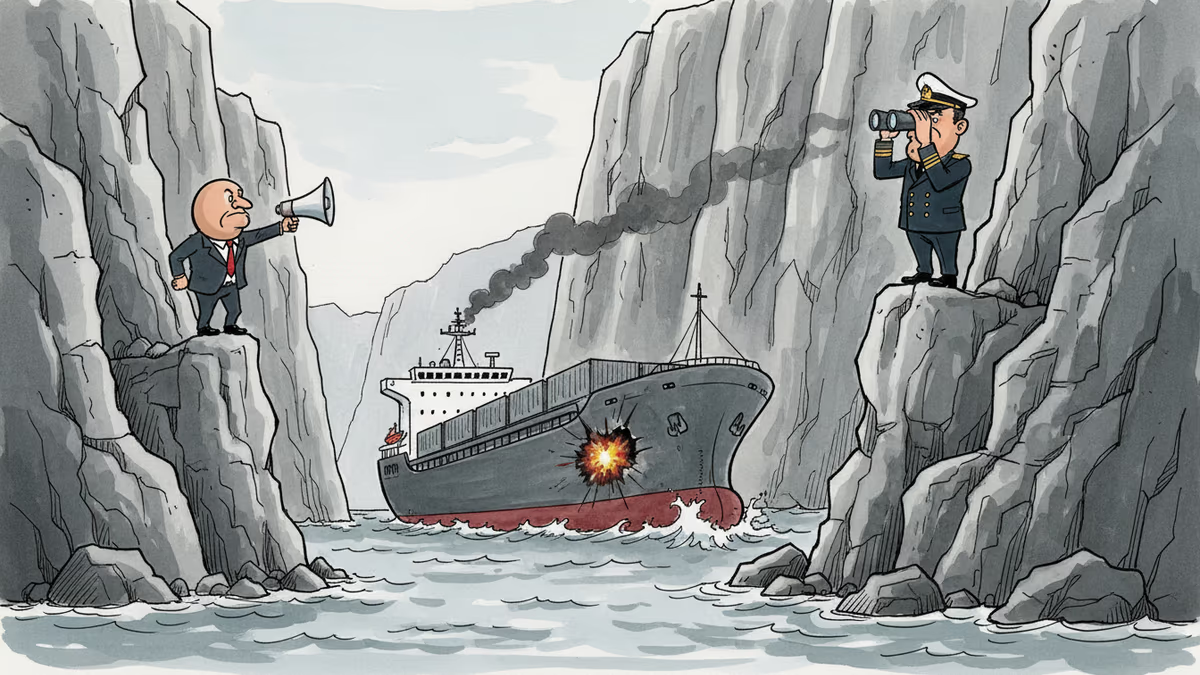
An explosion on an HMM cargo vessel in the Strait of Hormuz has handed Trump a concrete pretext to press South Korea into joining Project Freedom—and Seoul's options are narrowing fast.
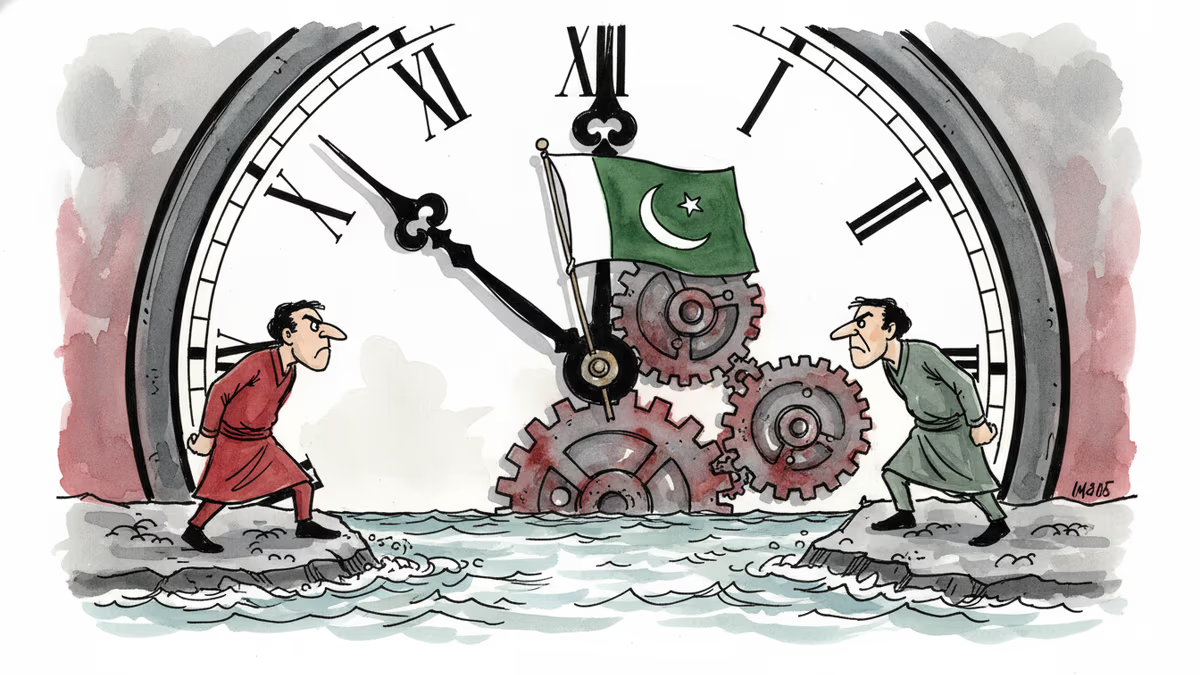
Trump agreed to a 2-week ceasefire with Iran, contingent on the reopening of the Strait of Hormuz. Brokered by Pakistan, the deal raises as many questions as it answers about the future of US-Iran relations.
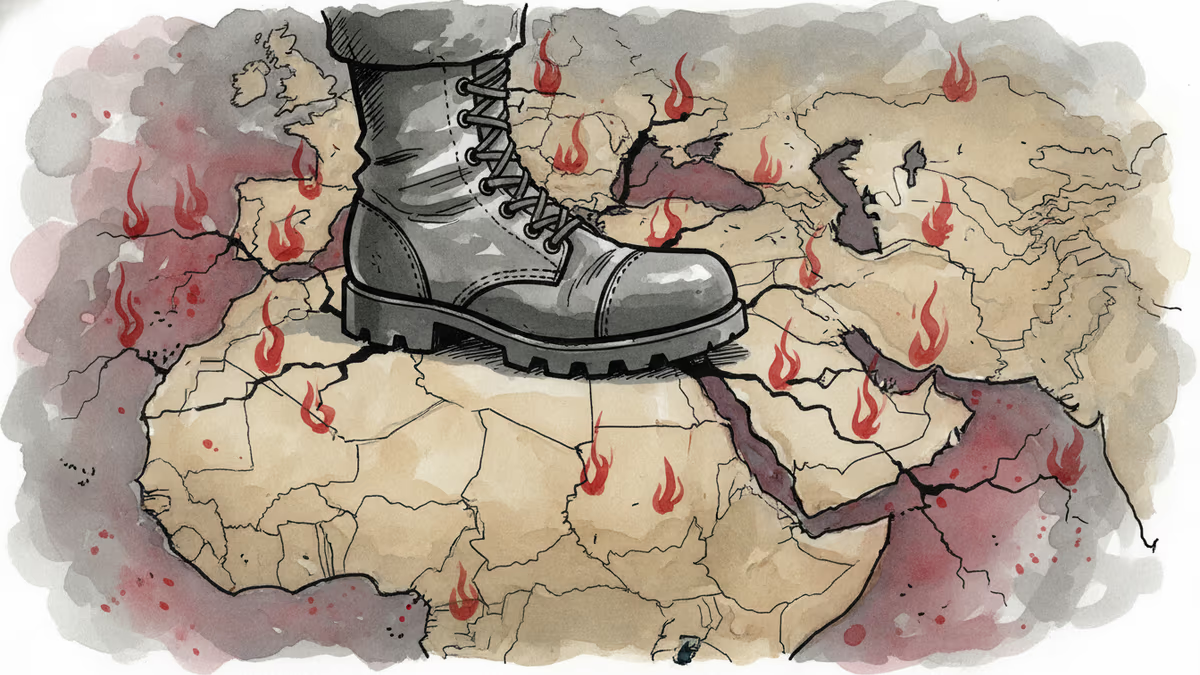
A week into Operation Epic Fury, Washington's plan for a quick, decisive strike against Iran is unraveling. What went wrong, and what comes next for the Middle East and global markets?
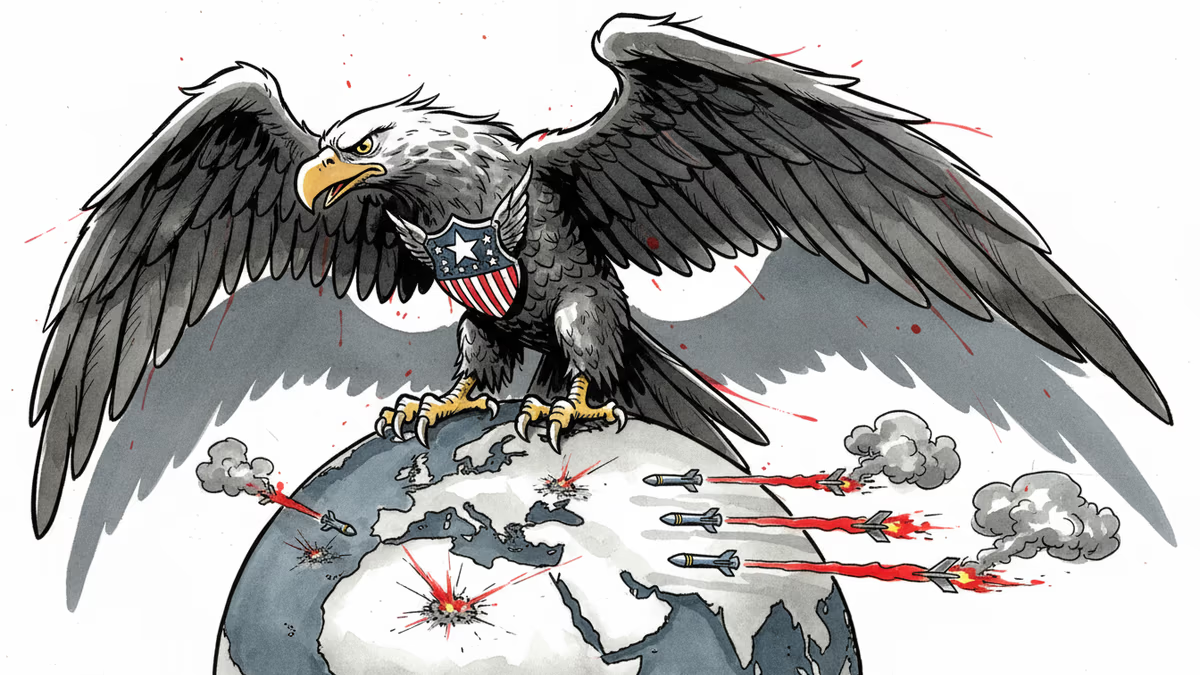
After Venezuela and Iran operations, Trump's pattern of unilateral intervention sends warning signals across Asia. An analysis of America's consistent regime-change appetite.
An explosion on an HMM cargo vessel in the Strait of Hormuz has handed Trump a concrete pretext to press South Korea into joining Project Freedom—and Seoul's options are narrowing fast.
Trump agreed to a 2-week ceasefire with Iran, contingent on the reopening of the Strait of Hormuz. Brokered by Pakistan, the deal raises as many questions as it answers about the future of US-Iran relations.
A week into Operation Epic Fury, Washington's plan for a quick, decisive strike against Iran is unraveling. What went wrong, and what comes next for the Middle East and global markets?
After Venezuela and Iran operations, Trump's pattern of unilateral intervention sends warning signals across Asia. An analysis of America's consistent regime-change appetite.
Thoughts
Share your thoughts on this article
Sign in to join the conversation