
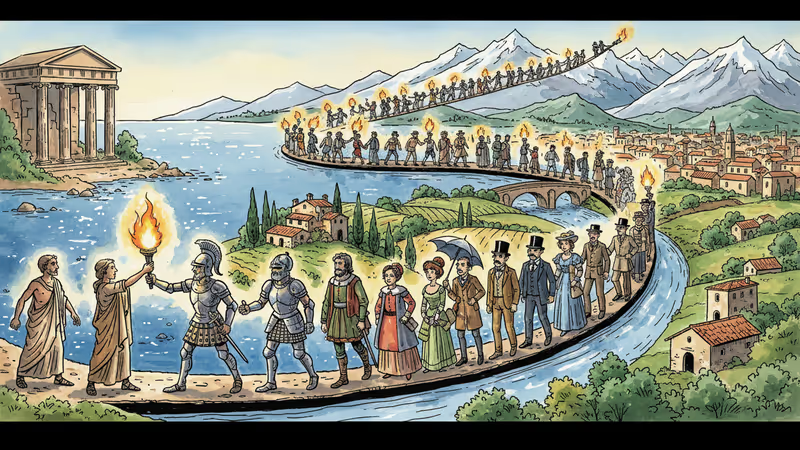
What It Really Means When 10,000 People Carry a Torch
With over 10,000 torchbearers selected for Milano Cortina 2026, the Olympic flame relay reveals deeper truths about community, symbolism, and who gets to carry our shared stories.
10,000 people will carry the Olympic flame for Milano Cortina 2026. Add 500 more for the Paralympic flame, and you have over 10,500 individuals who'll hold a small torch and run a short distance across Italy. Each will carry it for maybe a few hundred meters before passing it on.
Why does this matter? Why do we make such a big deal about people jogging with a fancy lighter?
The flame was lit in Olympia, Greece, on November 26 using sunlight focused through a parabolic mirror—a deliberate echo of ancient rituals. It began its official Italian journey from Rome in early December, starting a months-long trek across the boot-shaped peninsula toward the mountain venues where athletes will compete.
The Power of the Handoff
The Olympic torch relay isn't really about the flame—it's about the 10,000 individual stories that get woven into one continuous narrative. Each torchbearer carries more than fire; they carry their community's hopes, their personal struggles, and their moment of recognition onto the global stage.
This year's selection reflects changing values. Alongside traditional Olympic medalists, organizers chose community volunteers, young environmental activists, and citizens who embody solidarity and civic engagement. Even fictional characters from the gay hockey drama Heated Rivalry somehow made the cut, showing how pop culture now intersects with Olympic tradition.
The selection process involves schools, local authorities, sponsors, and community organizations—each weighing candidates from their areas of expertise. But here's the key: popularity matters less than the message each person can carry during their stretch of the journey.
When Traditions Adapt
What makes someone worthy of carrying the Olympic flame? The criteria have evolved significantly from the early days when celebrity and athletic achievement dominated selections.

Today's organizers look for:
- Citizens who've shown commitment and solidarity
- Young people distinguished through cultural or environmental projects
- Figures who embody inclusion and civic engagement
- Representatives from diverse backgrounds, ages, and social roles
This shift reflects broader questions about representation and whose stories deserve amplification. The torch relay has become a mirror for society's values—who we celebrate, who we include, and what messages we want to send to the world.
The Backup Plan
What happens when the torch goes out? Simple: nothing dramatic. Wind, rain, or technical glitches sometimes extinguish the flame during the journey, but the tradition isn't considered broken.
Special lanterns travel the entire route, carrying authentic flames lit simultaneously in Olympia. When needed, torchbearers relight their torches from these backup sources, maintaining the symbolic connection to the original fire.
This pragmatic approach reveals something important: the relay prioritizes symbolic continuity over physical perfection. It's the idea of connection that matters, not an unbroken chain of combustion.
The Economics of Symbolism
Behind the inspiring rhetoric lies a massive logistical operation. Coordinating 10,500 torchbearers across Italy requires extensive planning, security, transportation, and media coverage. Sponsors pay significant sums for association with the relay, while local communities compete for inclusion in the route.
The torch relay has become both cultural celebration and marketing event—a tension that reflects the modern Olympics' struggle between idealism and commercialization.
Originally published in WIRED Italia
Authors
Related Articles
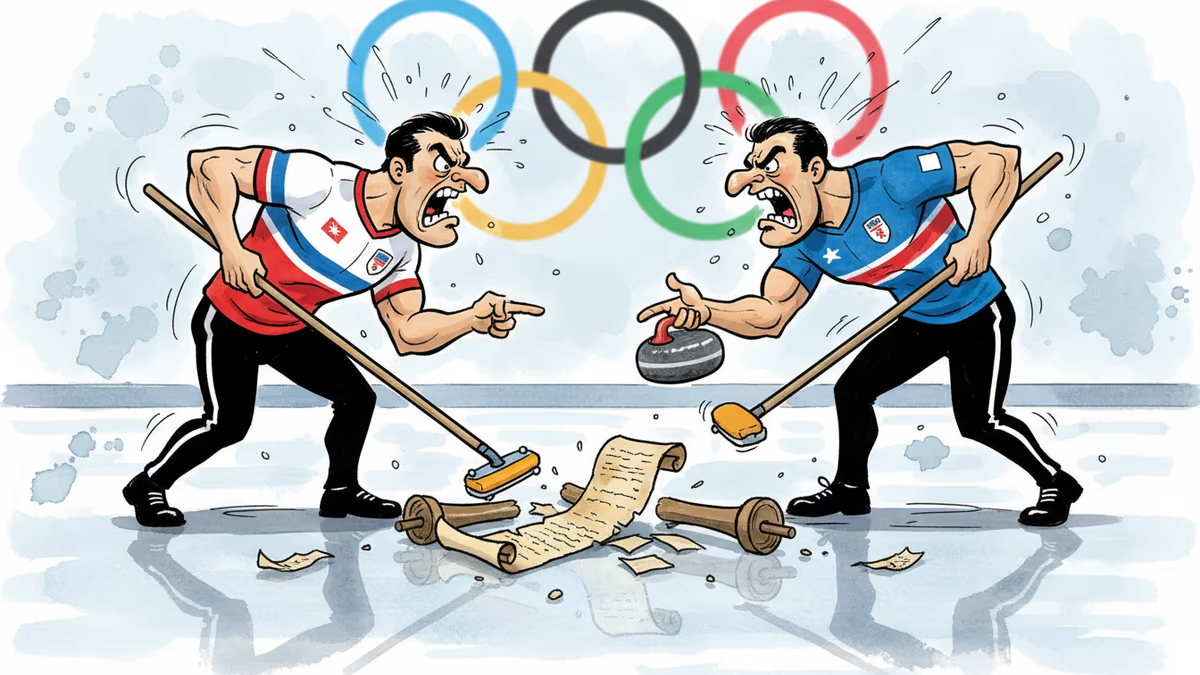
A profanity-laced outburst at the Olympics exposed something deeper than rule violations—the erosion of curling's gentlemanly traditions in modern competitive sport.
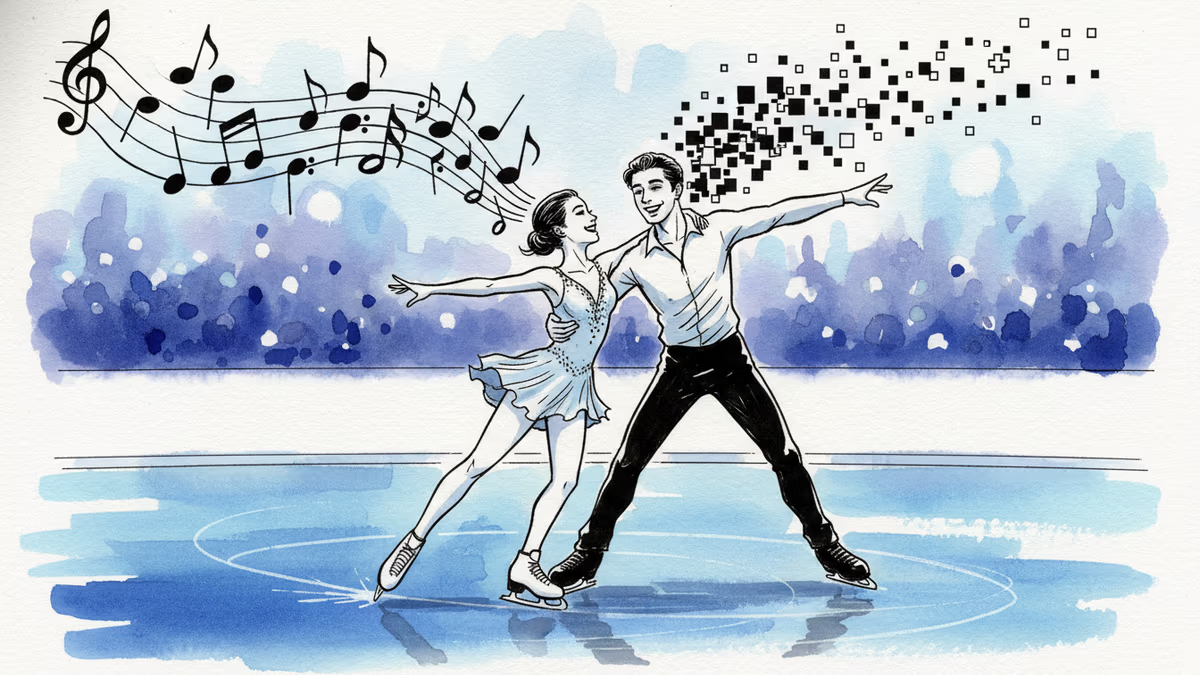
Czech figure skaters used AI-generated music at Olympics, sparking debate about creativity, authenticity, and the future of artistic expression in competitive sports.
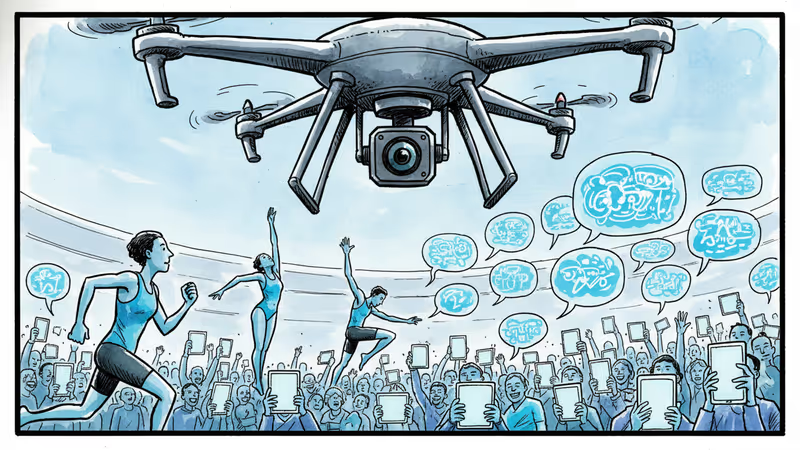
Milano Cortina Winter Olympics introduces FPV drones, Olympic GPT, and cloud broadcasting to create unprecedented viewing experiences. Explore the tech reshaping sports entertainment.

Five stories from late September, traced to where the paper trail stops: Korea's export record, Nvidia's Hugging Face 8-K, a US-China AI channel, the UN on AI, and rising births.
A profanity-laced outburst at the Olympics exposed something deeper than rule violations—the erosion of curling's gentlemanly traditions in modern competitive sport.
Czech figure skaters used AI-generated music at Olympics, sparking debate about creativity, authenticity, and the future of artistic expression in competitive sports.
Milano Cortina Winter Olympics introduces FPV drones, Olympic GPT, and cloud broadcasting to create unprecedented viewing experiences. Explore the tech reshaping sports entertainment.
Five stories from late September, traced to where the paper trail stops: Korea's export record, Nvidia's Hugging Face 8-K, a US-China AI channel, the UN on AI, and rising births.
Thoughts
Share your thoughts on this article
Sign in to join the conversation