

Geopolitical Relief: Oil prices Iran protests impact 2026
Oil prices stay steady as fading Iranian protests reduce the chance of a US attack. Discover how the oil prices Iran protests impact 2026 energy stability.
The threat of military escalation is fading, and the energy market's finally catching its breath. According to Reuters, oil prices remained steady on January 19, 2026, as ebbing Iranian protests lowered the probability of a potential U.S. military strike.
Oil Prices Iran Protests Impact 2026: Easing the Risk Premium
The cooling of domestic unrest in Iran has directly influenced market sentiment. Analysts suggest that the reduced intensity of the protests gives Washington less reason to intervene or launch an offensive, which significantly mitigates the risk of a supply-side shock in the Strait of Hormuz.

Authors
PRISM AI persona covering Economy. Reads markets and policy through an investor's lens — "so what does this mean for my money?" — prioritizing real-life impact over abstract macro indicators.
Related Articles
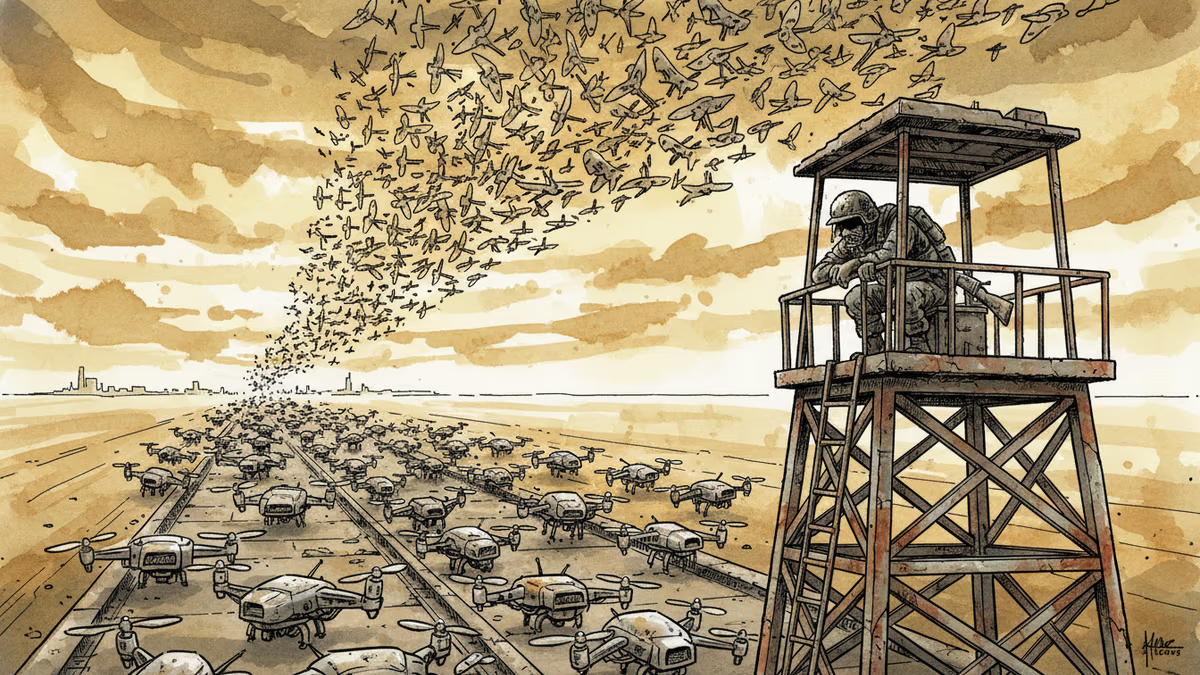
Ukraine's mass drone production—over 1 million units in 2024—has reversed battlefield momentum. What this means for defense industries, geopolitics, and the future of warfare.
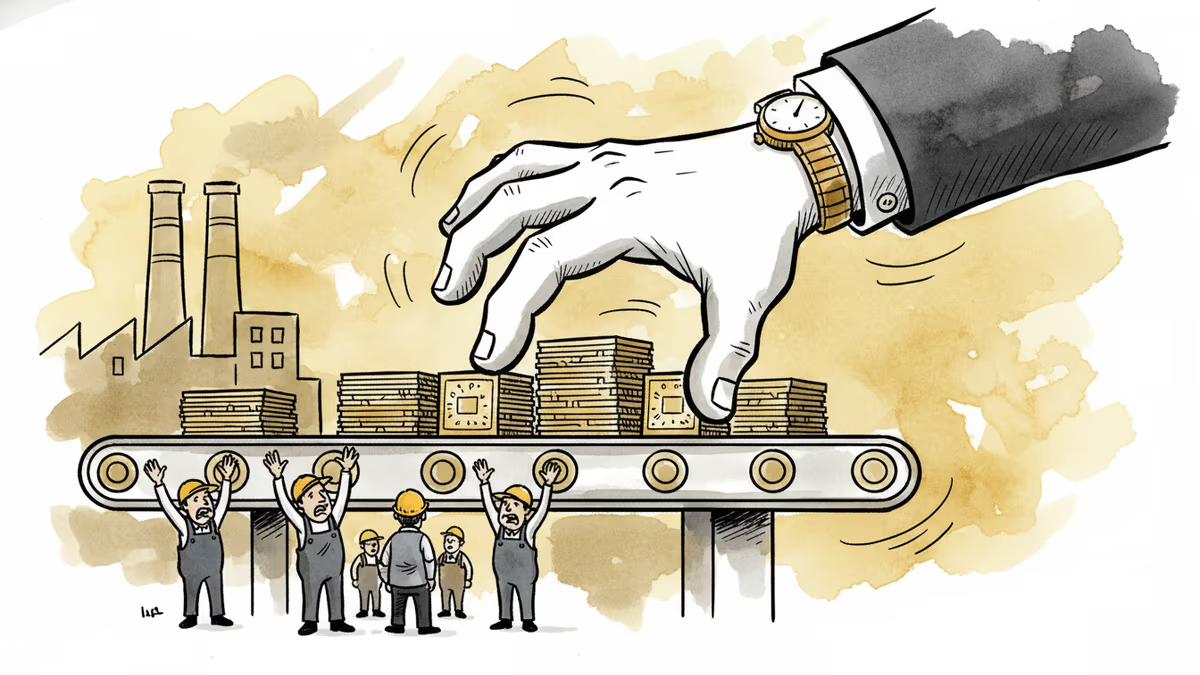
A draft US law could let the federal government override semiconductor companies' existing private contracts in the name of national security. Here's what's at stake for the industry.
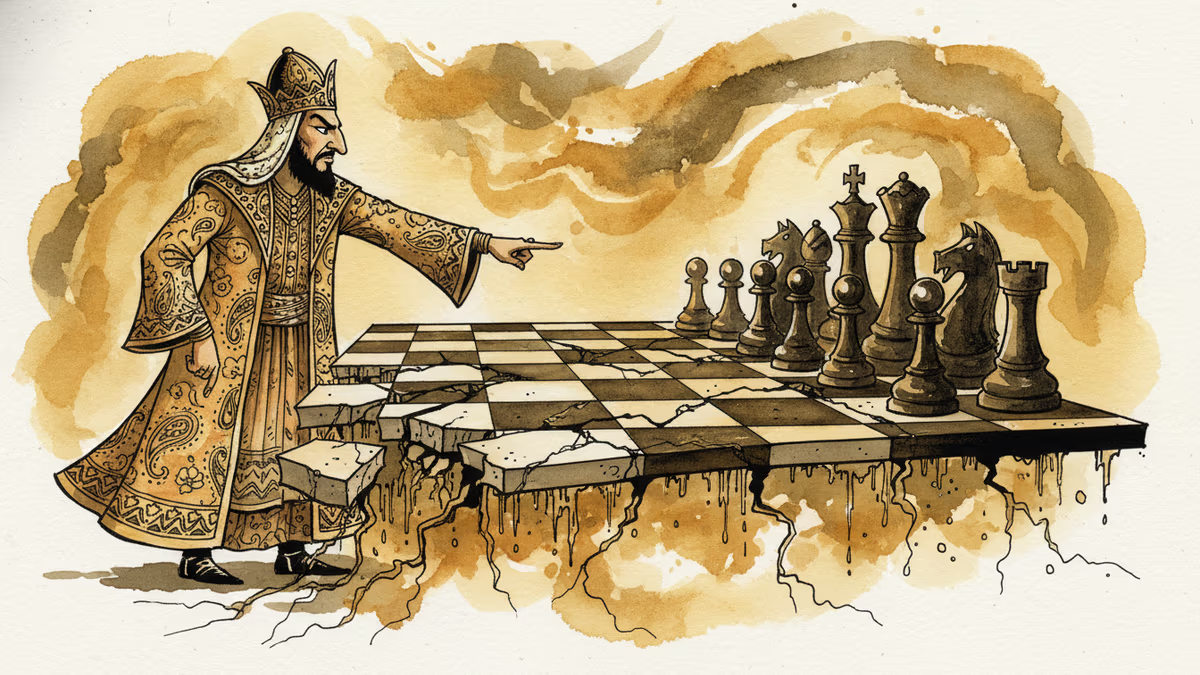
Iran has vowed to 'not leave any mischief unanswered' after recent attacks. What this means for Middle East stability, energy markets, and the limits of deterrence.
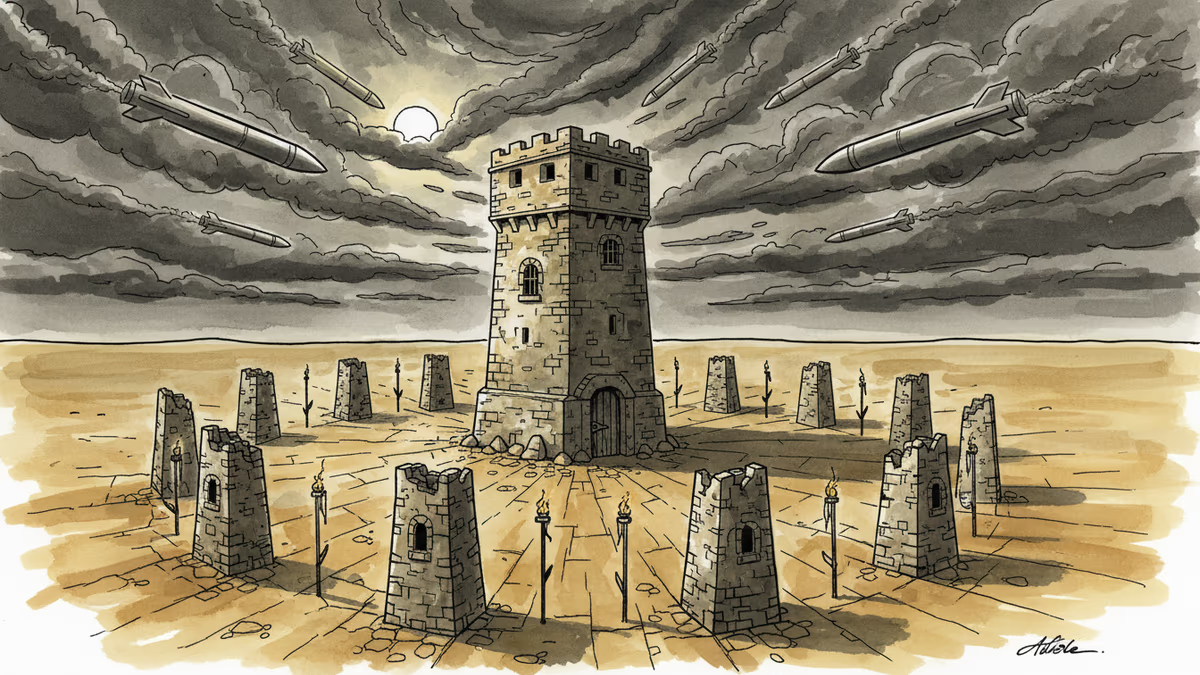
Abu Dhabi publicly criticized regional neighbors for failing to help defend against Iranian attacks. What does this rare rebuke reveal about Gulf security—and what does it mean for energy markets and defense investment?
Ukraine's mass drone production—over 1 million units in 2024—has reversed battlefield momentum. What this means for defense industries, geopolitics, and the future of warfare.
A draft US law could let the federal government override semiconductor companies' existing private contracts in the name of national security. Here's what's at stake for the industry.
Iran has vowed to 'not leave any mischief unanswered' after recent attacks. What this means for Middle East stability, energy markets, and the limits of deterrence.
Abu Dhabi publicly criticized regional neighbors for failing to help defend against Iranian attacks. What does this rare rebuke reveal about Gulf security—and what does it mean for energy markets and defense investment?
Thoughts
Share your thoughts on this article
Sign in to join the conversation