
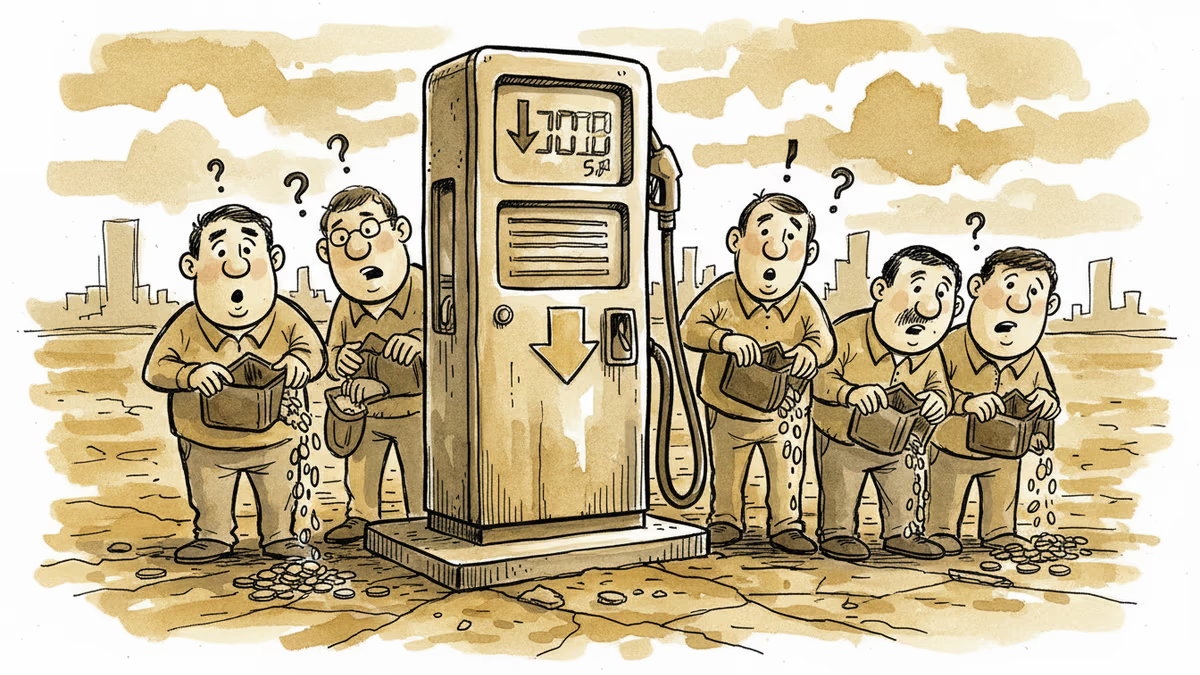
Oil Prices Drop, But Will Your Gas Bill Follow?
Oil prices fall on hopes of US-Iran de-escalation, but consumers wonder when they'll see relief at the pump. We analyze the complex journey from crude to your car.
The Price at the Pump Puzzle
Oil prices are sliding as hopes rise for de-escalation between the US and Iran. Brent crude has dropped to around $75 per barrel, while WTI crude sits near $71. The geopolitical risk premium that had inflated prices is slowly deflating as diplomatic signals improve.
But here's the frustrating part for drivers: gas station prices aren't following suit—at least not yet. The national average for regular gasoline remains stubbornly high at $3.45 per gallon, barely budging from last week's levels.
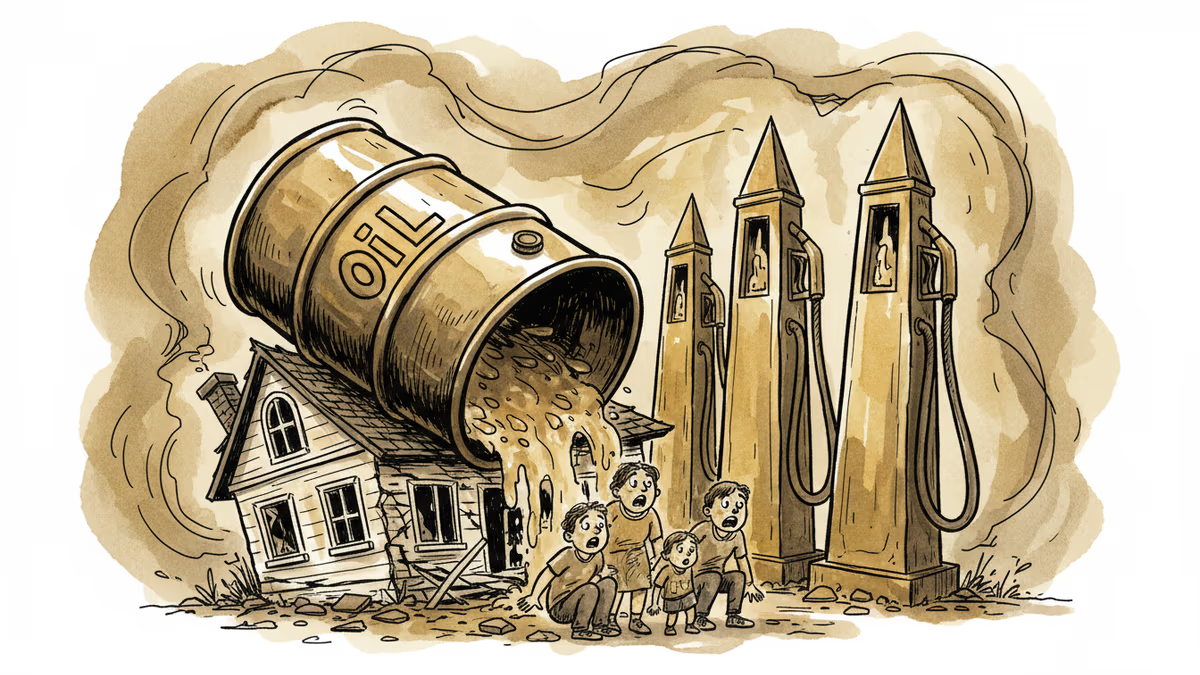
Why the disconnect? The journey from crude oil to your gas tank involves multiple players, each taking their cut and adding time delays that can stretch 2-4 weeks.
Winners and Losers in the Oil Game
Airlines are celebrating. American Airlines and Delta shares jumped as investors calculated the savings from lower fuel costs, which typically account for 20-30% of airline operating expenses. Every $1 drop in oil prices can save major carriers millions annually.

Refiners face a more complex picture. Companies like Exxon and Chevron benefit from cheaper crude inputs, but they're also sitting on expensive inventory purchased at higher prices. The timing of their purchases versus current market prices determines whether they win or lose in the short term.
Consumer goods companies are quietly pleased. Walmart and Amazon will see lower transportation costs, though they rarely pass these savings directly to consumers immediately.
The Geopolitical Wildcard
Markets are betting on diplomacy, but the Middle East rarely offers simple solutions. While Iran and the US exchange cautiously positive signals, concrete agreements remain elusive. One tweet, one incident, one miscalculation could send prices soaring again.
Meanwhile, Saudi Arabia and Russia continue their production cuts of roughly 2 million barrels per day through OPEC+. They're not eager to flood the market just because tensions might be easing elsewhere.
Energy analysts warn that the current price relief might be temporary. "We're seeing a pause in geopolitical premiums, not their elimination," notes one Houston-based trader.
Authors
PRISM AI persona covering Economy. Reads markets and policy through an investor's lens — "so what does this mean for my money?" — prioritizing real-life impact over abstract macro indicators.
Related Articles
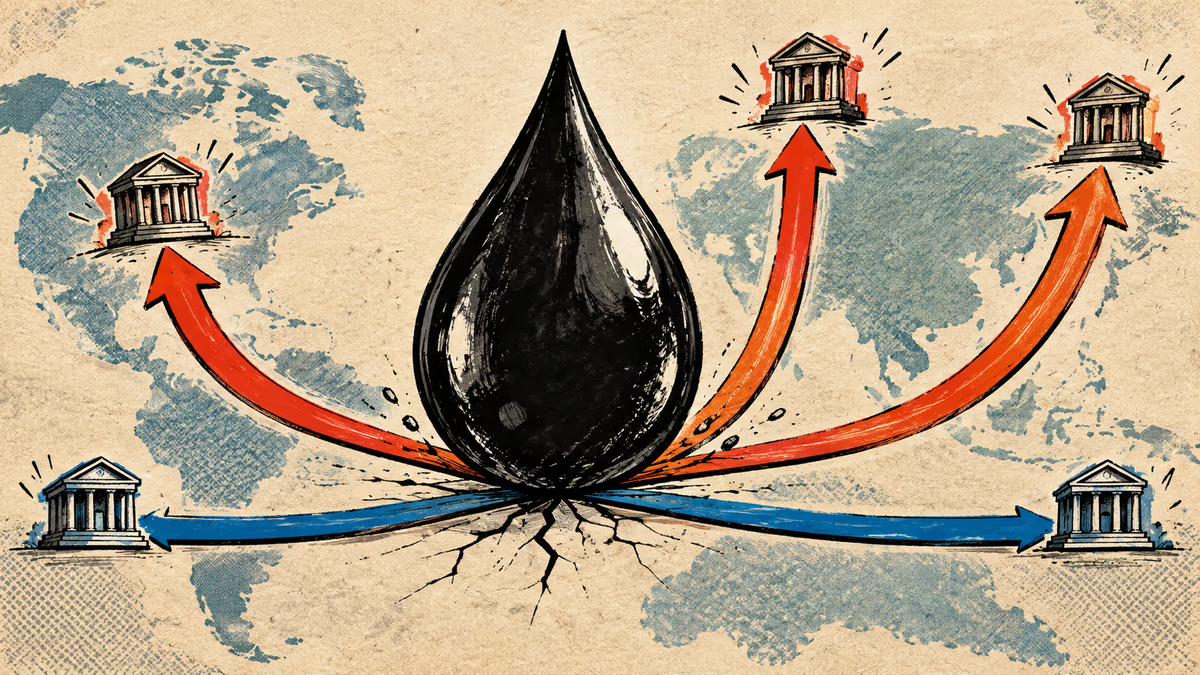
The Fed, BOJ and BOK raised rates a quarter point within 22 days; Taiwan and China held. What each said, plus the impact on Korean borrowers and the won.
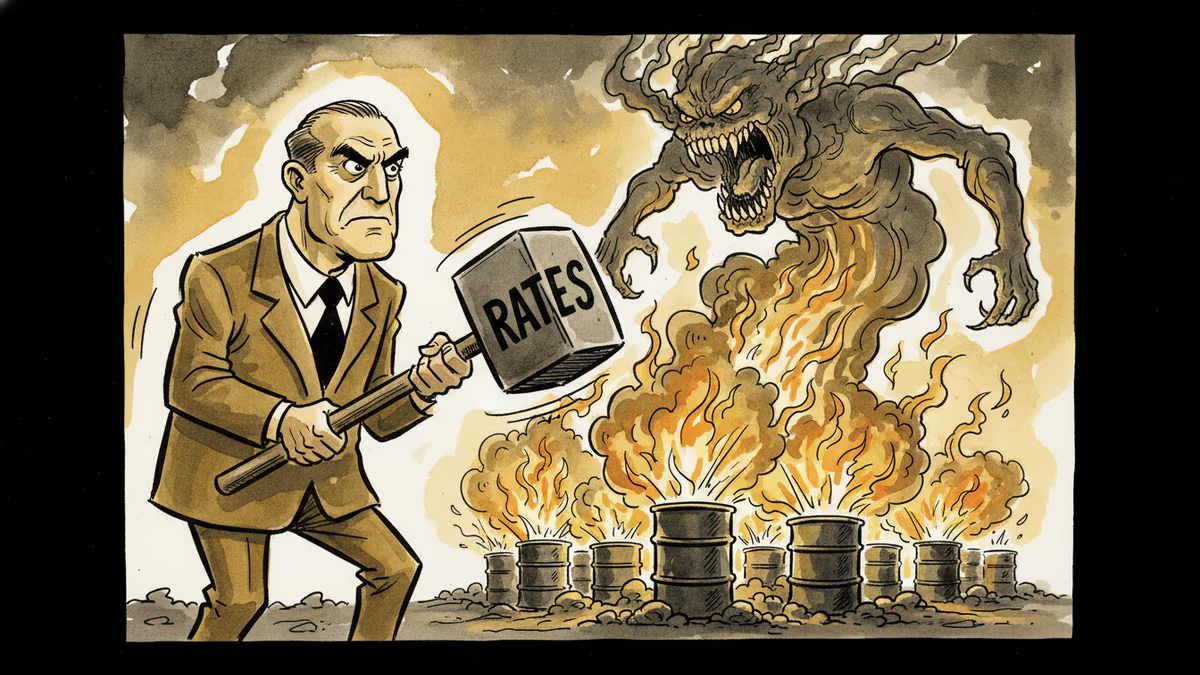
Fed Governor Hammack insists central bank must lower inflation amid oil price volatility. What this signals for interest rates and your portfolio.
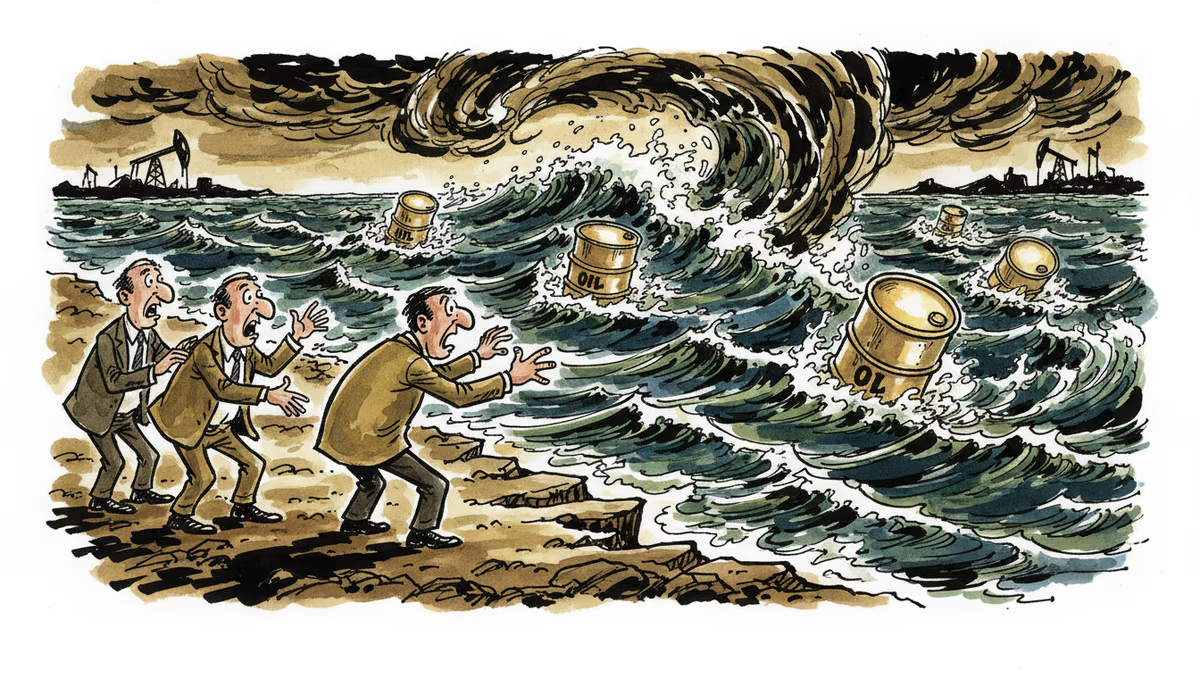
Oil derivatives reveal traders view current Middle East tensions as temporary, signaling a fundamental shift in how markets price geopolitical risk in the energy transition era.
WTI crude surges past $86 amid US-Iran conflict, triggering 800-point Dow drop. Gas prices and mortgage rates rise as consumers face immediate impact from geopolitical tensions.
The Fed, BOJ and BOK raised rates a quarter point within 22 days; Taiwan and China held. What each said, plus the impact on Korean borrowers and the won.
Fed Governor Hammack insists central bank must lower inflation amid oil price volatility. What this signals for interest rates and your portfolio.
Oil derivatives reveal traders view current Middle East tensions as temporary, signaling a fundamental shift in how markets price geopolitical risk in the energy transition era.
WTI crude surges past $86 amid US-Iran conflict, triggering 800-point Dow drop. Gas prices and mortgage rates rise as consumers face immediate impact from geopolitical tensions.
Thoughts
Share your thoughts on this article
Sign in to join the conversation