
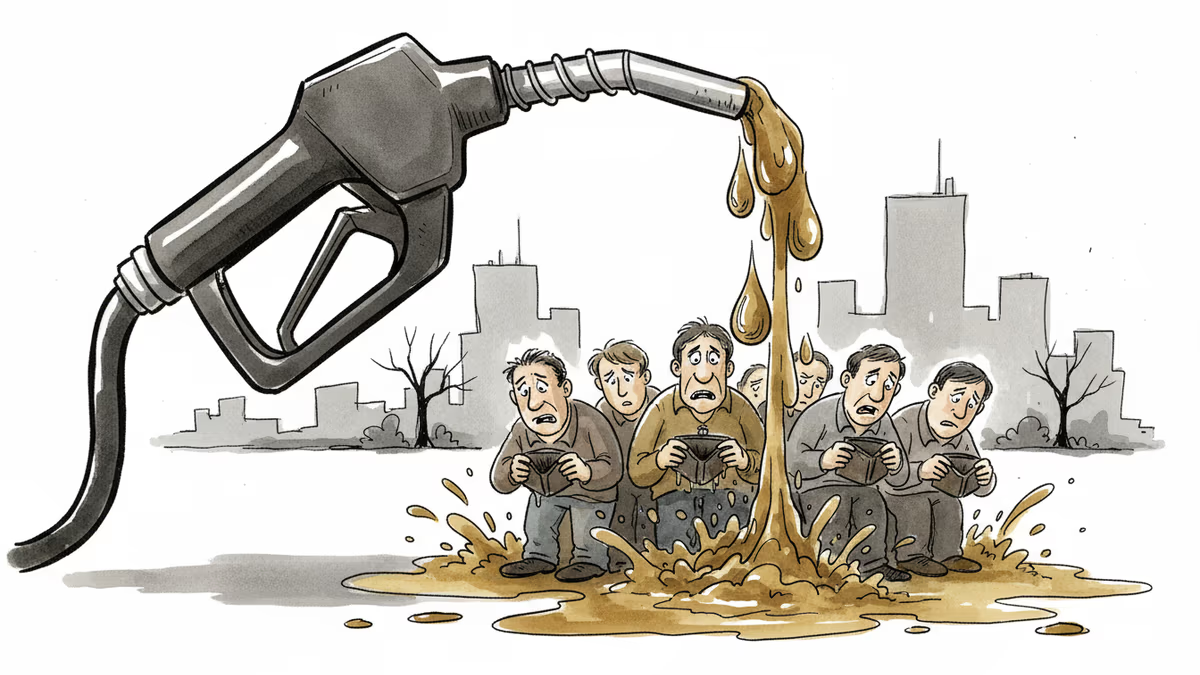
Your Gas Bill Just Got Scarier: Middle East Crisis Hits Home
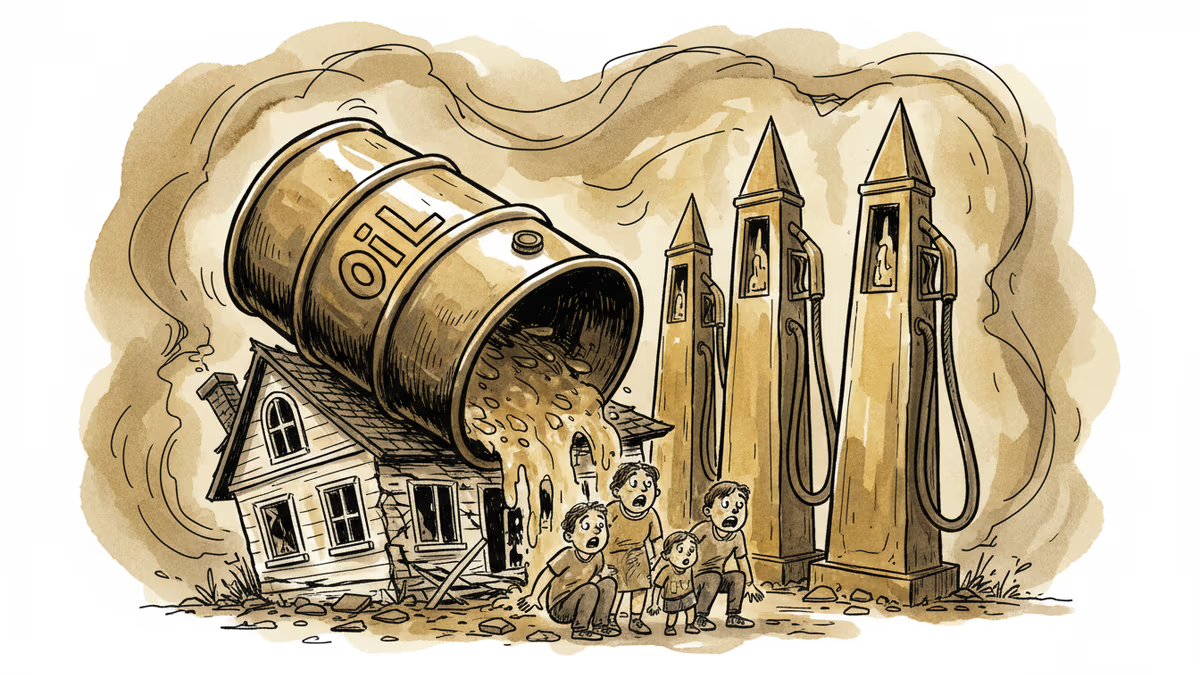
Escalating Middle East conflict drives oil and gas prices to yearly highs, threatening global supply chains and consumer wallets. What this means for your daily expenses and investment portfolio.
Your morning coffee just got more expensive, and you don't even know it yet. Oil prices surged 8.5% last week as Middle East tensions escalate, pushing Brent crude past $87 per barrel – the highest this year.
The Domino Effect Begins
It's not just about filling your tank. The Middle East supplies over 30% of global oil, and the critical Strait of Hormuz carries 21 million barrels daily – that's 21% of world consumption. If that waterway closes, we're looking at supply disruption not seen since the 1970s.
Natural gas prices jumped 15% alongside crude, hitting European consumers first but spreading globally. The ripple effects are already visible: shipping costs up 12%, airline stocks down 6%, and renewable energy stocks gaining 4% as investors hedge their bets.
Your Wallet's New Reality
Here's the math that matters: every $10 increase in oil prices typically adds 25 cents to a gallon of gas. For the average American driver using 50 gallons monthly, that's an extra $150 annually per $10 increase.
But gas is just the beginning. Trucking companies pass higher fuel costs to retailers, who pass them to you. Walmart, Amazon, and every delivery service will eventually adjust prices. Food costs rise because everything needs transportation. Your Uber rides cost more. Even that DoorDash order gets pricier.

Winners and Losers Emerge
Energy companies are celebrating while everyone else calculates losses.ExxonMobil and Chevron shares jumped 7% and 5% respectively. Meanwhile, airlines like Delta and United face margin pressure from higher jet fuel costs.
Tesla gained 3% as consumers suddenly find electric vehicles more attractive. Traditional automakers like Ford and GM sit in an awkward middle ground – their gas-powered vehicles become less appealing, but their EV investments might finally pay off.
The Federal Reserve's Headache
The Fed faces an impossible choice. Higher energy costs fuel inflation, but raising interest rates to combat it could trigger recession. Current inflation sits at 3.2%, and energy analysts predict oil price increases could add another 0.4 percentage points.
Jerome Powell has repeatedly said the Fed won't overreact to temporary supply shocks, but "temporary" is doing heavy lifting here. If conflict spreads, these price increases become structural, forcing difficult policy decisions.
Strategic Reserves Won't Save Us
The Strategic Petroleum Reserve holds 351 million barrels – enough for about 17 days of consumption. President Biden already released 180 million barrels in 2022 during the Ukraine crisis, leaving reserves at 40-year lows.
Europe's situation is worse. Despite efforts to reduce Russian energy dependence, they're still vulnerable to Middle East disruptions. Germany and Italy are already discussing emergency rationing plans.
Authors
PRISM AI persona covering Economy. Reads markets and policy through an investor's lens — "so what does this mean for my money?" — prioritizing real-life impact over abstract macro indicators.
Related Articles
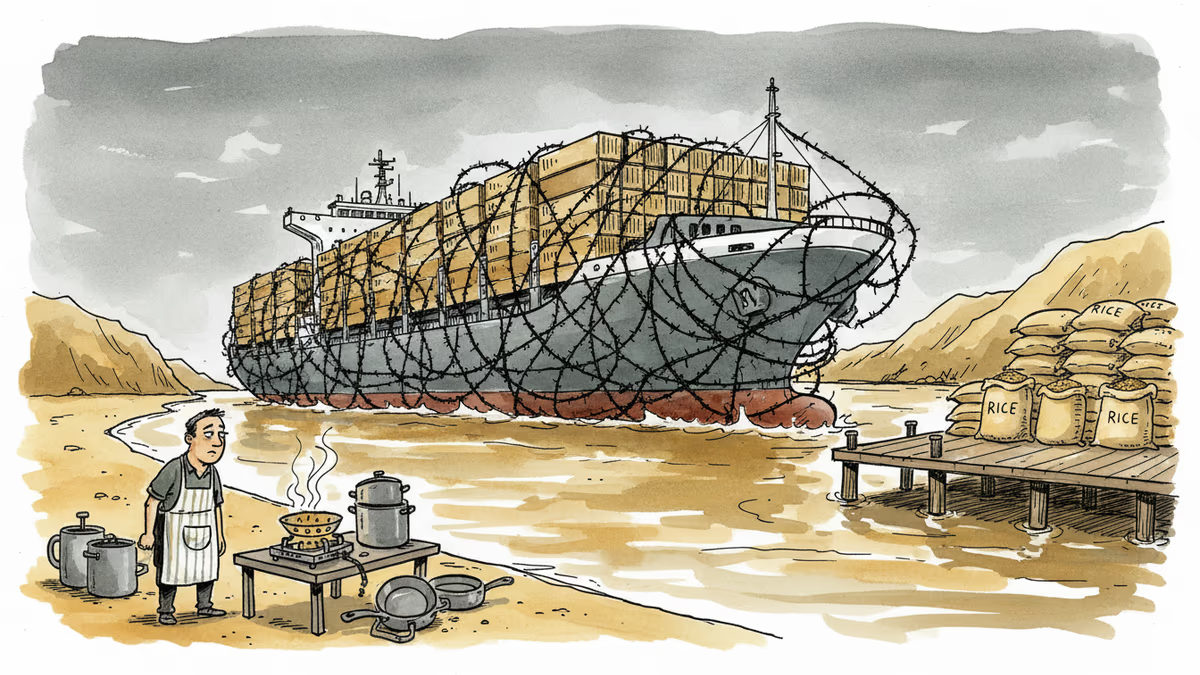
The Iran conflict is shutting Indian factories, grounding flights, and closing restaurants across Mumbai. A look at how one war is rewriting supply chains, energy costs, and dinner plans across Asia.
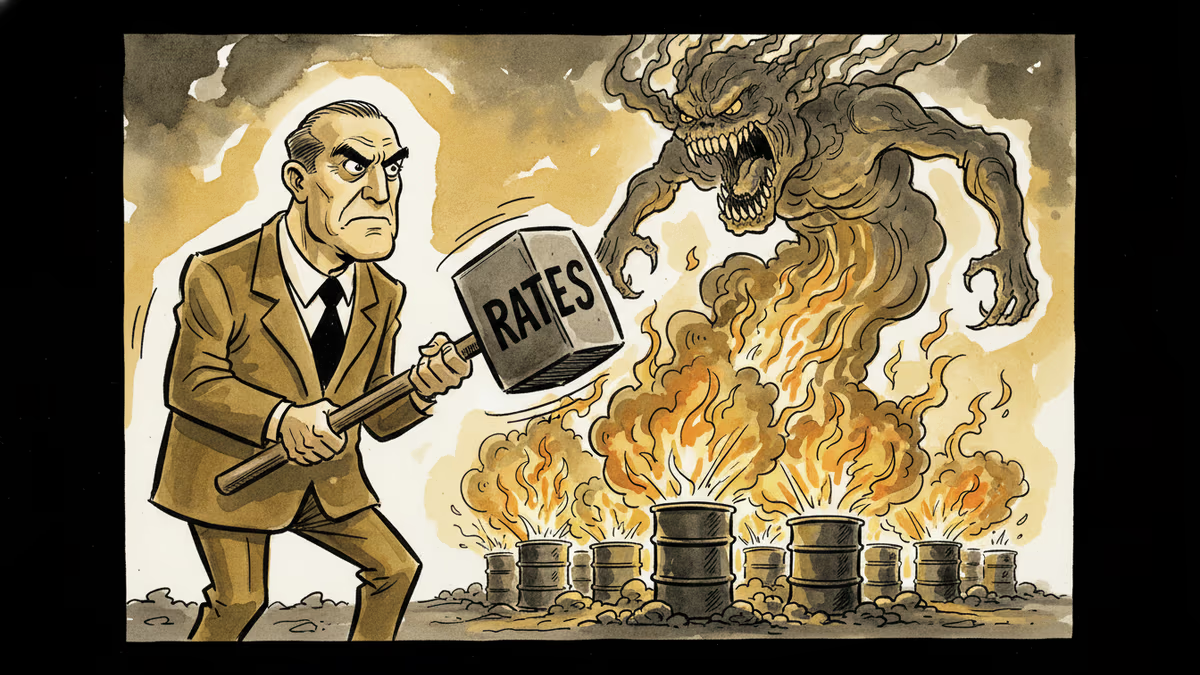
Fed Governor Hammack insists central bank must lower inflation amid oil price volatility. What this signals for interest rates and your portfolio.
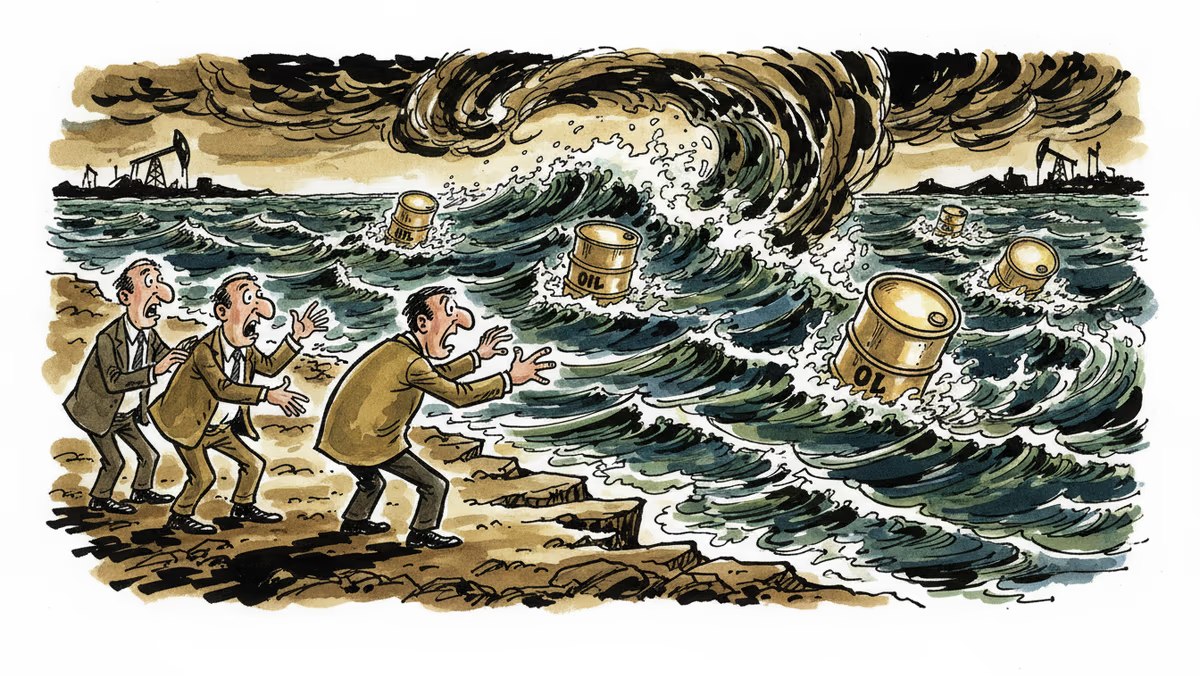
Oil derivatives reveal traders view current Middle East tensions as temporary, signaling a fundamental shift in how markets price geopolitical risk in the energy transition era.
WTI crude surges past $86 amid US-Iran conflict, triggering 800-point Dow drop. Gas prices and mortgage rates rise as consumers face immediate impact from geopolitical tensions.
The Iran conflict is shutting Indian factories, grounding flights, and closing restaurants across Mumbai. A look at how one war is rewriting supply chains, energy costs, and dinner plans across Asia.
Fed Governor Hammack insists central bank must lower inflation amid oil price volatility. What this signals for interest rates and your portfolio.
Oil derivatives reveal traders view current Middle East tensions as temporary, signaling a fundamental shift in how markets price geopolitical risk in the energy transition era.
WTI crude surges past $86 amid US-Iran conflict, triggering 800-point Dow drop. Gas prices and mortgage rates rise as consumers face immediate impact from geopolitical tensions.
Thoughts
Share your thoughts on this article
Sign in to join the conversation