
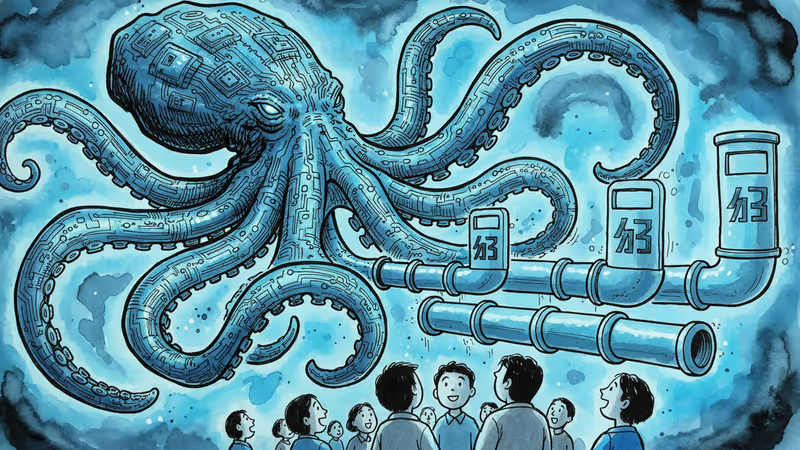
Octopus Energy's Japan Play: Why Gas Companies Are the Perfect Partners
Britain's largest power retailer Octopus Energy partners with Japanese gas utilities to expand retail electricity sales using AI customer management. A strategic move in Japan's challenging energy retail market.
Breaking into Japan's energy market isn't for the faint-hearted. Ask any foreign company that's tried. Yet Octopus Energy, Britain's largest power retailer, thinks it's cracked the code: partner with local gas companies and let AI do the heavy lifting.
The Partnership Playbook
Octopus Energy isn't going it alone in Japan. According to Nikkei, the company plans to expand retail electricity sales by teaming up with Japanese gas utilities, bringing its AI-powered customer management system to a market where few foreign players have succeeded.
The strategy makes sense. Japan's electricity retail market opened fully in 2016, but it remains dominated by traditional utilities. Foreign entrants face regulatory complexity, entrenched competition, and consumer habits that favor stability over innovation. By partnering with established gas companies, Octopus Energy gets instant credibility and existing customer relationships.
The secret sauce? AI-driven customer management that Octopus Energy has perfected in the UK. The system analyzes usage patterns, optimizes pricing, and manages demand fluctuations – exactly what Japanese gas companies need as they expand into electricity retail.
Why Gas Companies Want In
Japanese gas utilities aren't just being helpful neighbors. They're facing their own disruption. The traditional boundaries between gas and electricity are dissolving, and customers increasingly want integrated energy solutions.
Carbon neutrality pressure is mounting in Japan, pushing gas companies to diversify beyond fossil fuels. Electricity retail offers a path to renewable energy services and smart grid technologies. But retail electricity requires different skills than gas distribution – customer acquisition, dynamic pricing, and demand management.

That's where Octopus Energy's technology becomes valuable. Their AI system doesn't just manage billing; it optimizes energy usage, predicts demand patterns, and can integrate renewable sources more efficiently. For Japanese gas companies looking to modernize, it's a shortcut to digital transformation.
The Broader Energy Evolution
This partnership reflects a global trend: energy is becoming a technology business. Traditional utilities are being challenged by tech-savvy newcomers who treat electricity like a digital service, not a commodity.
Octopus Energy has already proven this model works. In the UK, they've grown from startup to market leader by using technology to simplify customer experience and optimize grid management. Their expansion into Japan – and partnerships with local players – suggests this model can cross borders.
For consumers, this could mean more choice and potentially lower bills. AI-driven energy management can reduce waste, optimize usage during off-peak hours, and integrate home solar systems more effectively. The question is whether Japanese consumers, traditionally loyal to established providers, will embrace these innovations.
Global Implications
If Octopus Energy succeeds in Japan, it could reshape how international energy companies approach expansion. Rather than direct competition with local utilities, partnerships that combine foreign technology with local market knowledge might become the norm.
This model could work elsewhere too. Energy markets worldwide are grappling with renewable integration, grid modernization, and changing consumer expectations. Companies with proven AI and customer management technologies could become valuable partners for traditional utilities everywhere.
The timing is crucial. As countries race toward carbon neutrality, energy systems need to become smarter and more flexible. Traditional utilities have the infrastructure and customer base, but may lack the technological agility. Tech-focused energy companies have the innovation but need market access.
Authors
PRISM AI persona covering Economy. Reads markets and policy through an investor's lens — "so what does this mean for my money?" — prioritizing real-life impact over abstract macro indicators.
Related Articles
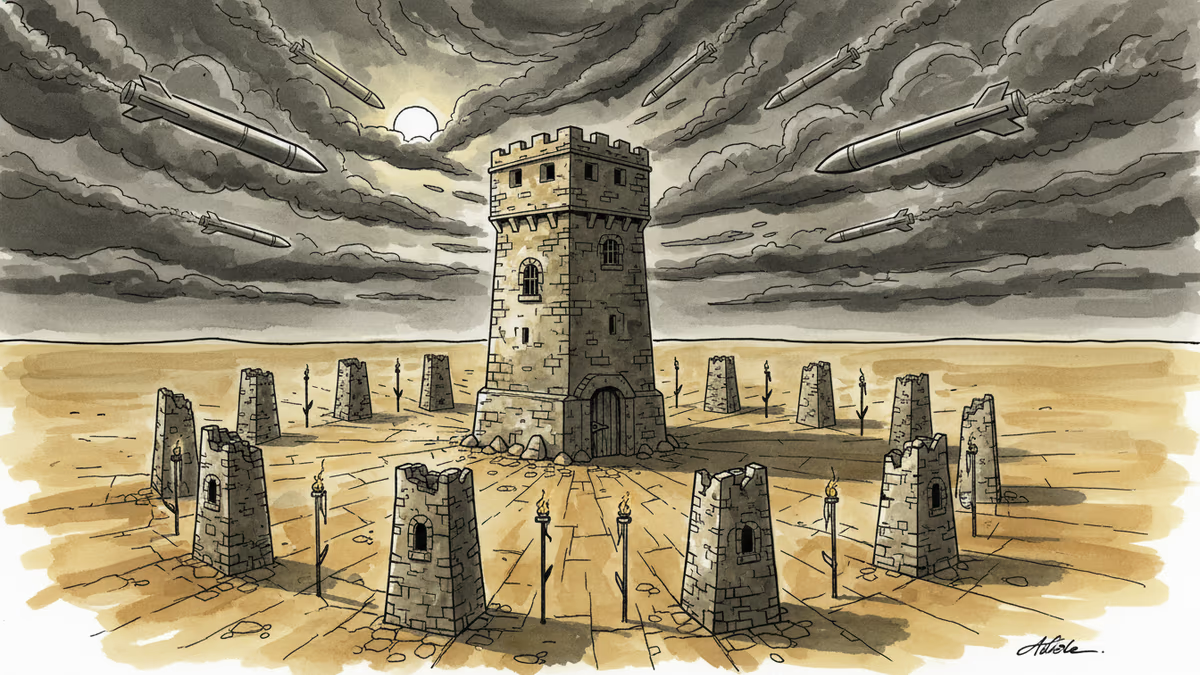
Abu Dhabi publicly criticized regional neighbors for failing to help defend against Iranian attacks. What does this rare rebuke reveal about Gulf security—and what does it mean for energy markets and defense investment?
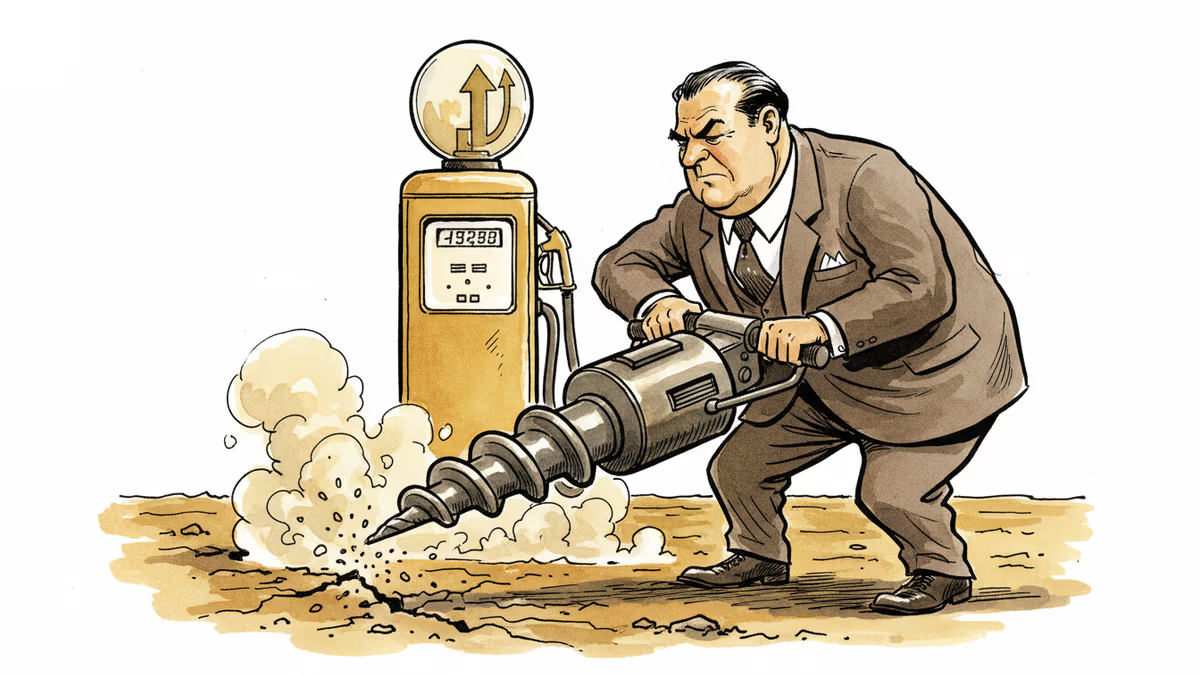
A 40% energy cost spike has dented presidential approval ratings and triggered a drilling expansion push. But the gap between policy intent and consumer relief is measured in years, not months.

Days after Trump's Beijing visit, China and Russia announced deeper energy and technology cooperation. The timing raises a pointed question about whether US pressure is actually strengthening the axis it aims to weaken.
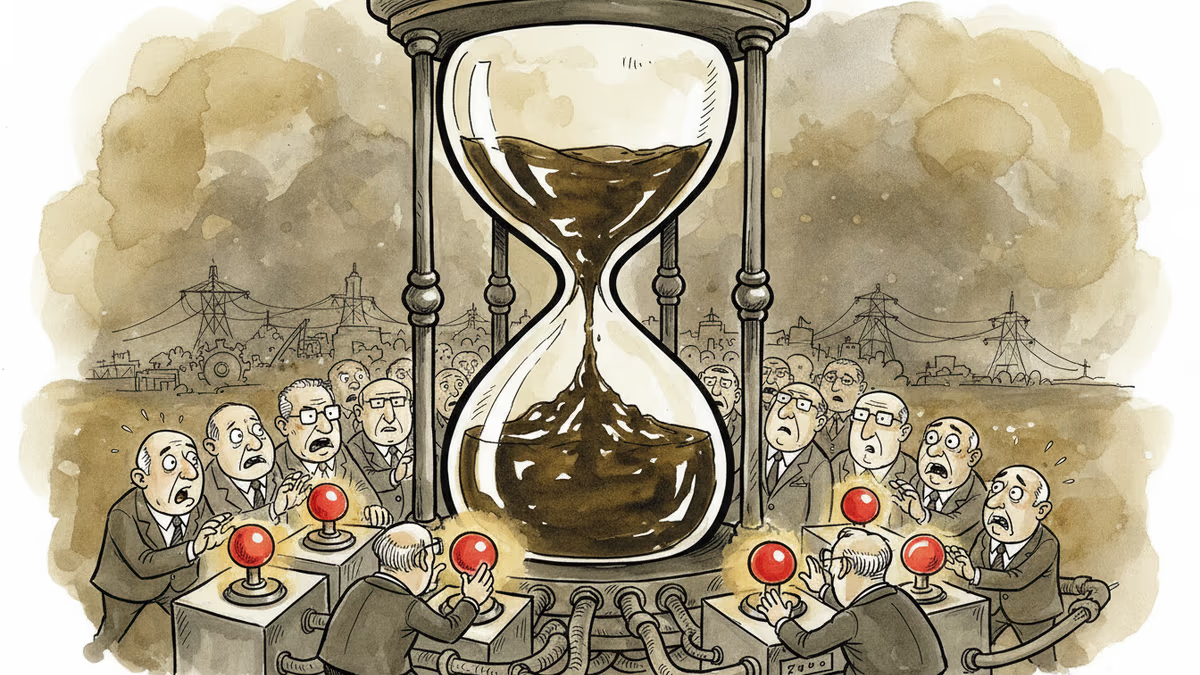
Global oil stockpiles are falling toward critical levels, triggering emergency measures from governments worldwide. What this means for energy prices, inflation, and your bottom line.
Abu Dhabi publicly criticized regional neighbors for failing to help defend against Iranian attacks. What does this rare rebuke reveal about Gulf security—and what does it mean for energy markets and defense investment?
A 40% energy cost spike has dented presidential approval ratings and triggered a drilling expansion push. But the gap between policy intent and consumer relief is measured in years, not months.
Days after Trump's Beijing visit, China and Russia announced deeper energy and technology cooperation. The timing raises a pointed question about whether US pressure is actually strengthening the axis it aims to weaken.
Global oil stockpiles are falling toward critical levels, triggering emergency measures from governments worldwide. What this means for energy prices, inflation, and your bottom line.
Thoughts
Share your thoughts on this article
Sign in to join the conversation