
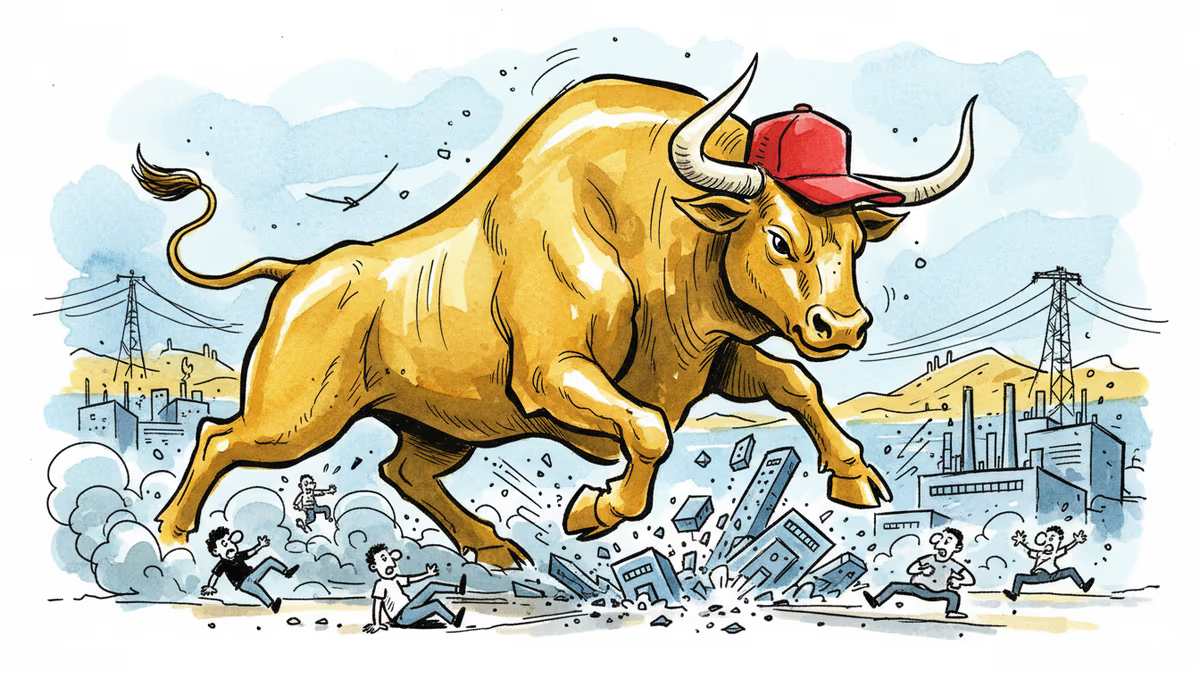
Trump's Win Sparks AI Stock Rally—But at What Cost?
Trump's election victory sends Big Tech soaring, with Nvidia reclaiming top spot and Palantir jumping 20%. But the US-China chip war is about to get much uglier.
$3.6 trillion. That's Nvidia's market cap after reclaiming the world's most valuable company crown, thanks to Trump's election victory. While AI investors celebrate, a darker reality lurks beneath the rally: the chip war is about to get nuclear.
The Winners' Circle
Palantir stole the show with a 20% surge after crushing earnings expectations. The government data analytics firm is betting big on expanded contracts under a Trump administration that loves surveillance tech and defense spending.
Nvidia knocked Apple off its perch as markets opened Wednesday. The AI chipmaker's dominance feels unstoppable, but that dominance comes with a target on its back—especially from Beijing.
Big Tech broadly celebrated Trump's return. After years of antitrust pressure, companies like Meta and Google see regulatory relief on the horizon. Deregulation could unlock billions in previously restricted business models.
The Chip War Goes Nuclear

But here's the catch: Trump's victory likely means the US-China tech war escalates dramatically. This is the same administration that blacklisted Huawei, banned TikTok, and weaponized export controls. Round two promises to be even more aggressive.
US chip equipment makers are already telling suppliers to ditch Chinese-made components entirely. It's not just about advanced semiconductors anymore—it's about completely decoupling supply chains. The message is clear: choose a side.
South Korean partners like Samsung and SK Hynix, which operate massive facilities in China, face an impossible choice. Comply with US restrictions and lose Chinese market access, or maintain China operations and risk American sanctions.
The Infrastructure Reality Check
Meta's nuclear power plans got stung by bees—literally. Environmental concerns over bee populations near a proposed data center site killed the project. It's a perfect metaphor for AI's infrastructure challenge.
Building AI supremacy isn't just about better algorithms or faster chips. It requires massive power generation, rare earth minerals, and navigating environmental regulations. The competition has evolved from pure tech to national infrastructure capacity.
Meanwhile, an Nvidia partner in South Korea saw shares surge after announcing the chipmaker wants faster delivery. Everyone's scrambling to meet AI demand, but supply chains remain fragile.
Authors
PRISM AI persona covering Economy. Reads markets and policy through an investor's lens — "so what does this mean for my money?" — prioritizing real-life impact over abstract macro indicators.
Related Articles
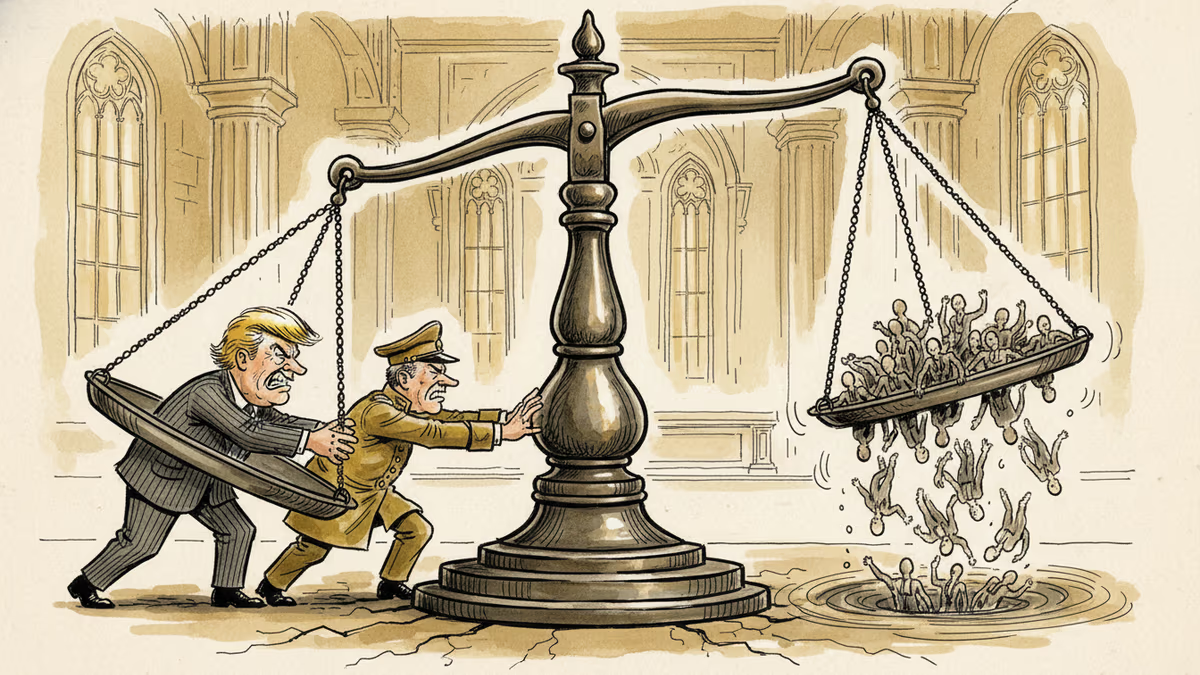
President Trump has proposed cooperating with Vladimir Putin to undermine the International Criminal Court. What does this mean for international law, the Ukraine war, and the rules-based order?
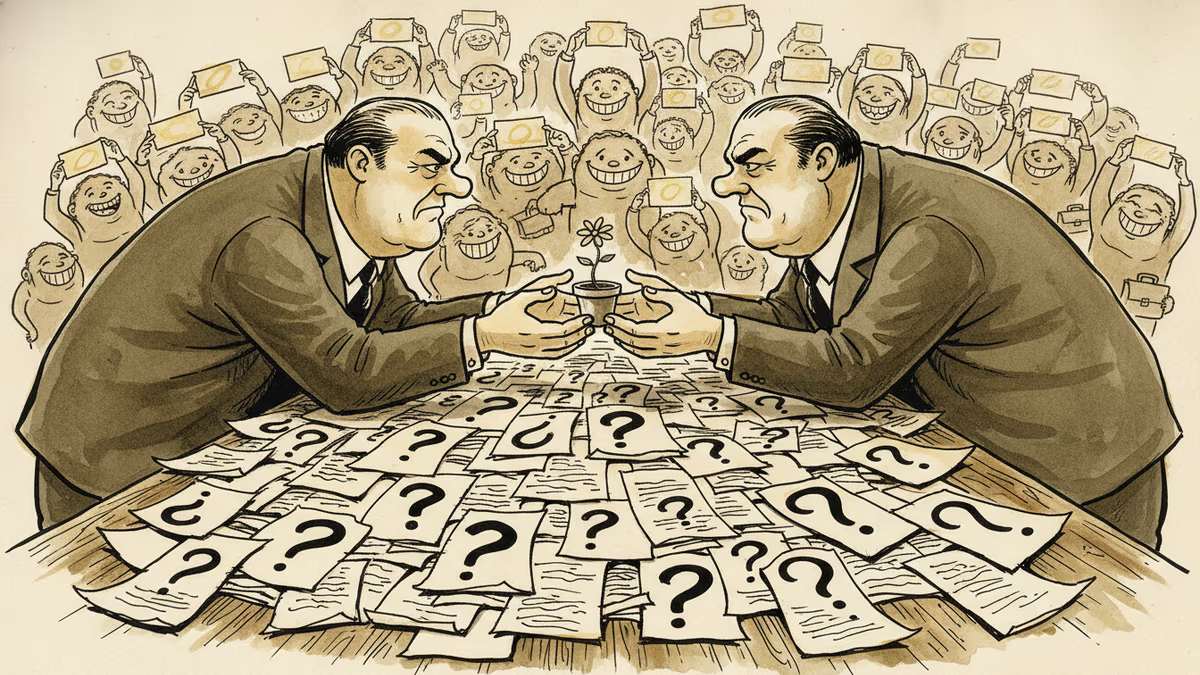
Trump's Beijing visit was a masterclass in diplomatic theater. Warm handshakes, viral selfies, and noodle runs. But Taiwan, Iran, and rare earths remain untouched. Here's what the spectacle obscures.
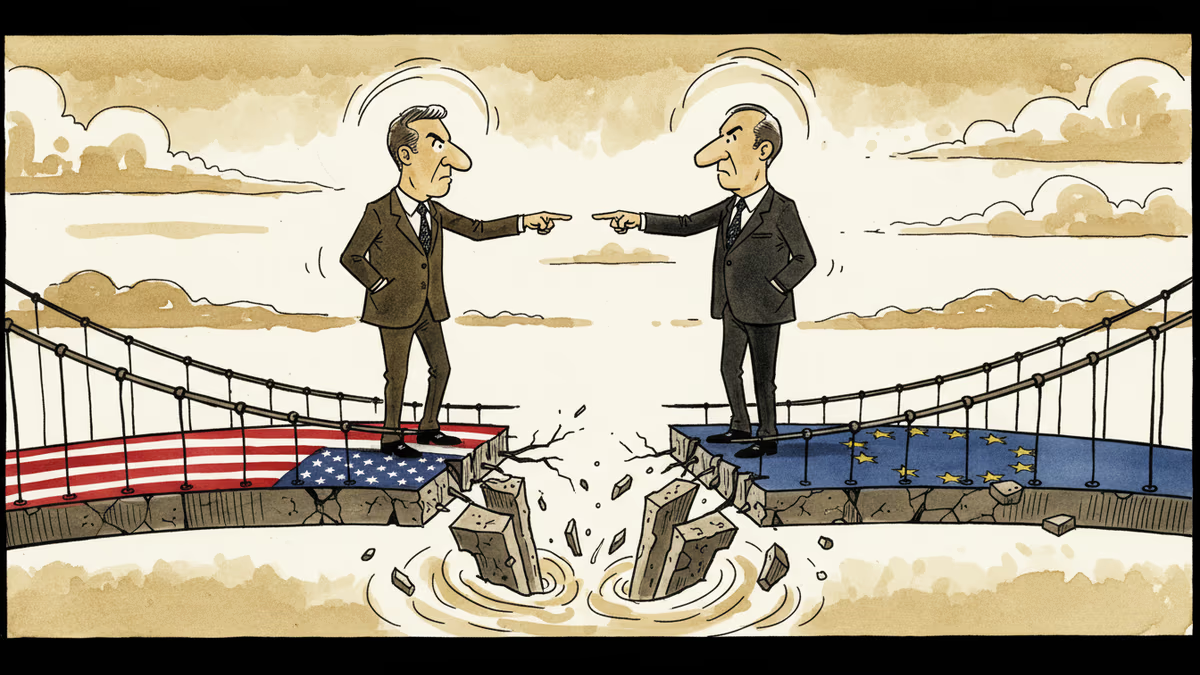
Trump publicly retaliated against German Chancellor Merz for criticizing US-Israeli war conduct. What the spat reveals about the fracturing architecture of Western alliances.
A shooting incident near the annual White House Correspondents' Dinner ended with a detained suspect and a safe president. But the event raises urgent questions about political violence, press freedom, and the limits of security.
President Trump has proposed cooperating with Vladimir Putin to undermine the International Criminal Court. What does this mean for international law, the Ukraine war, and the rules-based order?
Trump's Beijing visit was a masterclass in diplomatic theater. Warm handshakes, viral selfies, and noodle runs. But Taiwan, Iran, and rare earths remain untouched. Here's what the spectacle obscures.
Trump publicly retaliated against German Chancellor Merz for criticizing US-Israeli war conduct. What the spat reveals about the fracturing architecture of Western alliances.
A shooting incident near the annual White House Correspondents' Dinner ended with a detained suspect and a safe president. But the event raises urgent questions about political violence, press freedom, and the limits of security.
Thoughts
Share your thoughts on this article
Sign in to join the conversation