
Nintendo's Controller Gambit: The Hidden Strategy Behind the Switch 2 Transition
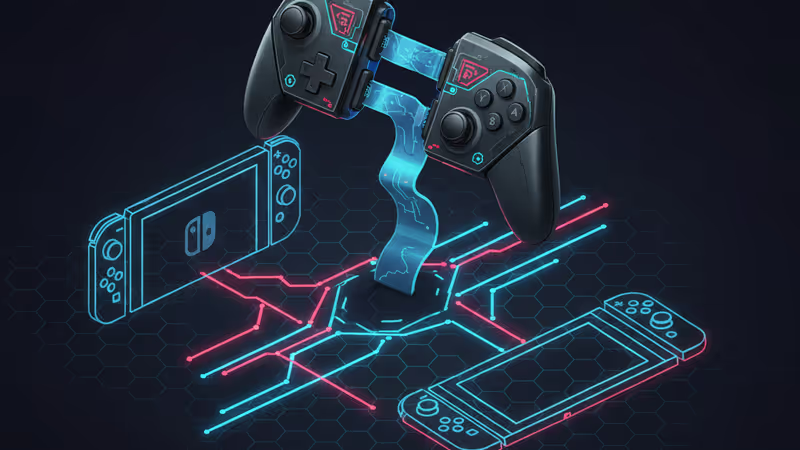
Nintendo's Switch 2 controller strategy is a calculated move to accelerate upgrades and control its ecosystem. This is more than a peripheral, it's a platform gatekeeper.
The Lede: Beyond the Joystick
The upcoming Nintendo Switch 2 launch isn't just a hardware refresh; it's a masterclass in controlled ecosystem evolution. While headlines focus on processors and screens, the real strategic play is happening in the peripherals market. Nintendo’s decision to make its new Switch 2 Pro Controller incompatible with the original Switch is not an oversight—it's a deliberate, high-stakes maneuver to accelerate the upgrade cycle and redefine platform value. For any executive watching the platform economy, this is a critical case study in managing a generational transition and leveraging hardware to enforce a business strategy.
Why It Matters: Fracturing the Ecosystem for Profit
The seemingly minor detail of controller compatibility has significant second-order effects. By making its premium, first-party controller exclusive to the new console, Nintendo is creating a powerful incentive to upgrade. This move intentionally fractures its own user base, establishing a clear two-tier system: the legacy Switch and the next-generation experience. This has two primary impacts:
- Creates a 'Feature Moat': Key innovations and the 'best' experience are now locked behind the new hardware paywall. This goes beyond simple graphics; it's about tactile features and quality-of-life improvements that differentiate the new platform, justifying its price point and pushing dedicated players to migrate sooner.
- Supercharges the Third-Party Market: This calculated gap in the market creates a massive opportunity for brands like 8BitDo, GuliKit, and Hori. They can now position their products as the 'best' cross-generation controllers, offering compatibility and features that even Nintendo's official lineup doesn't. They become a vital, value-adding layer of the ecosystem, satisfying demand that Nintendo itself has chosen to ignore.

The Analysis: A Classic Nintendo Playbook, Refined
This strategy is a departure from Microsoft’s inclusive, cross-generational accessory philosophy but a familiar tactic for Nintendo, which has historically used unique hardware to define its consoles. From the N64’s Rumble Pak to the Wii’s MotionPlus, Nintendo has always treated peripherals as core to the gameplay experience, not just as input devices.
The difference now is the maturity of the third-party market. In the past, official accessories were often the only high-quality option. Today, companies like GuliKit are innovating on core technology—like using Hall effect joysticks to eliminate the infamous 'Joy-Con drift'—beating Nintendo at its own game on durability and pro-level features. Nintendo's move is therefore a defensive one as much as it is an offensive one. By reserving its own 'ultimate' controller for the Switch 2, it maintains a premium halo product that can't be fully replicated, even if third-party options offer superior individual components. The official controller's unique selling proposition remains its seamless integration of proprietary features like HD Rumble and NFC for Amiibo, a software and hardware lock that others cannot easily bypass.
PRISM's Take: A Calculated Risk for a Controlled Future
Nintendo's controller strategy is a bold and calculated risk. The company is betting that the allure of a superior, exclusive experience on the Switch 2 will outweigh any consumer frustration over the lack of backward compatibility for its new Pro Controller. It's a confident move that leverages its brand loyalists to drive a swift and profitable transition. While this opens the door for third-party manufacturers to thrive by offering more versatile solutions, it ultimately reinforces Nintendo's control over its ecosystem. They are not just selling a new console; they are selling a new standard, and the price of admission requires buying into their vision, one premium, exclusive accessory at a time.
Authors
Related Articles
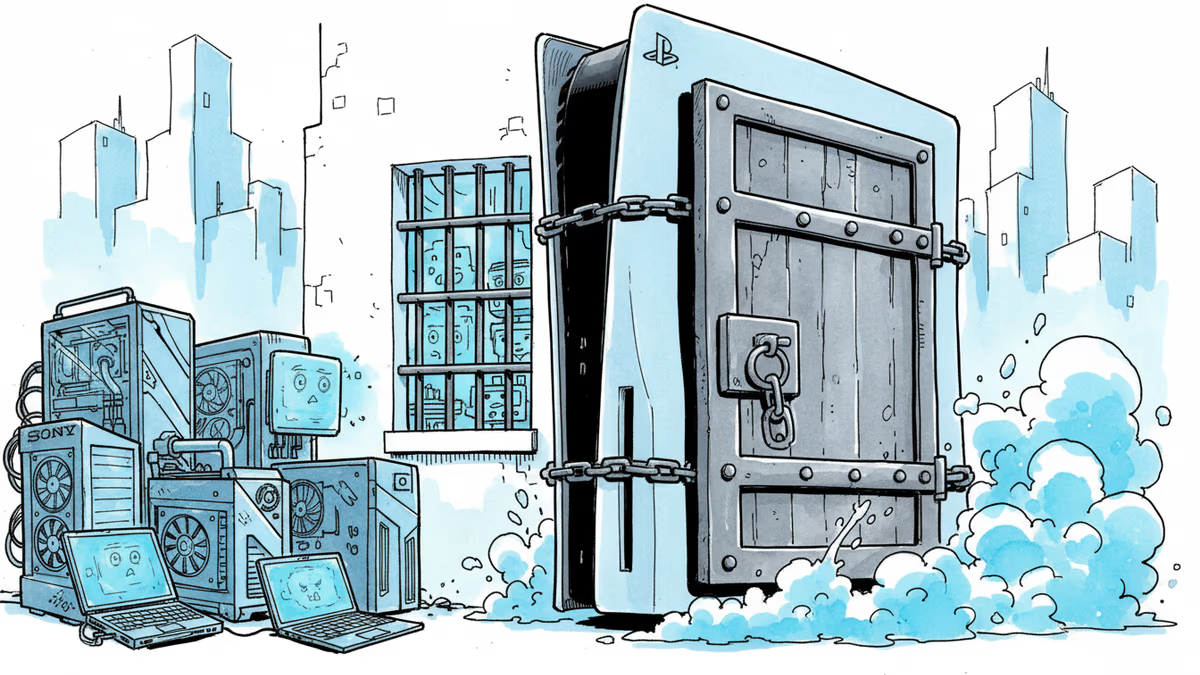
Sony is pulling its major single-player PlayStation games from PC. After six years of multiplatform expansion, the reversal raises hard questions about exclusivity, hardware sales, and who really controls gaming's future.
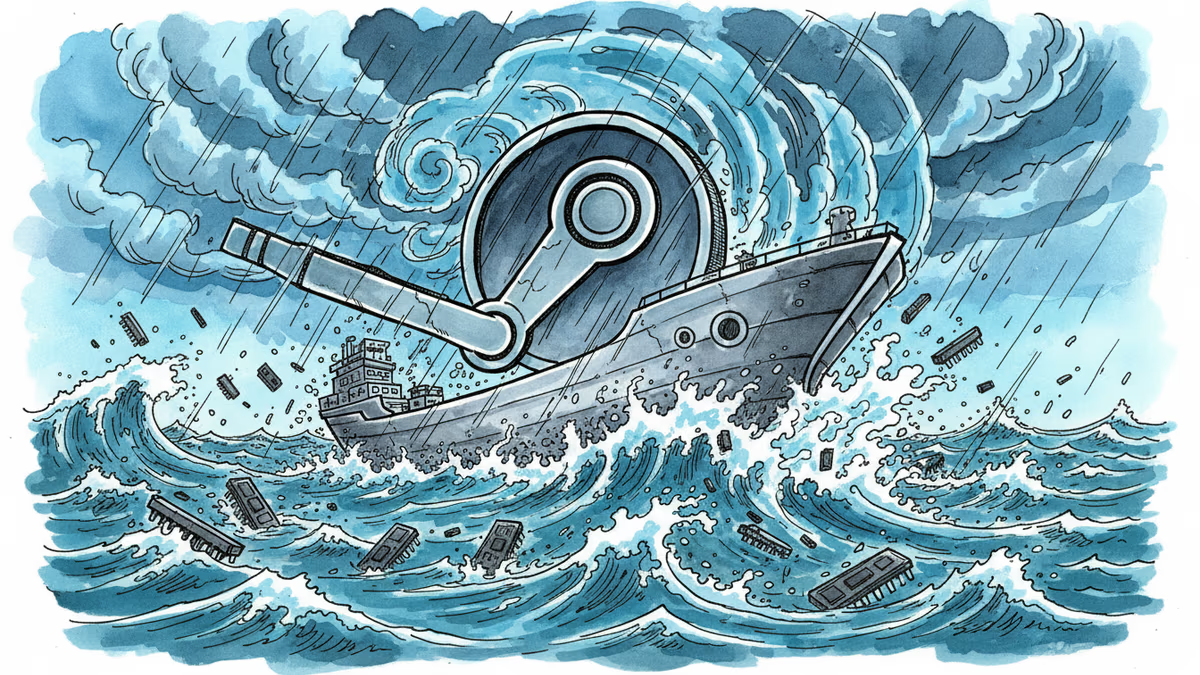
Steam Machine, Steam Frame, and Steam Controller face delays as Valve navigates global memory shortage while maintaining 2026 shipping commitment.
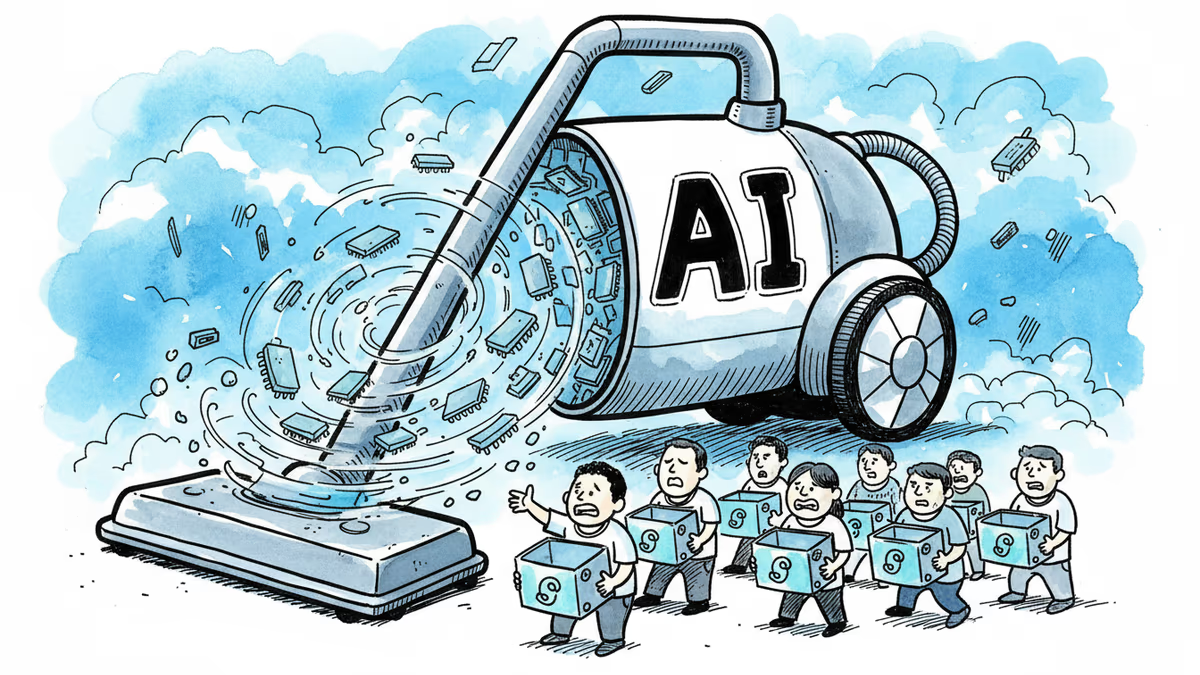
Valve's Steam Deck OLED faces global shortages due to memory and storage supply constraints, exposing deeper structural shifts in gaming hardware economics.
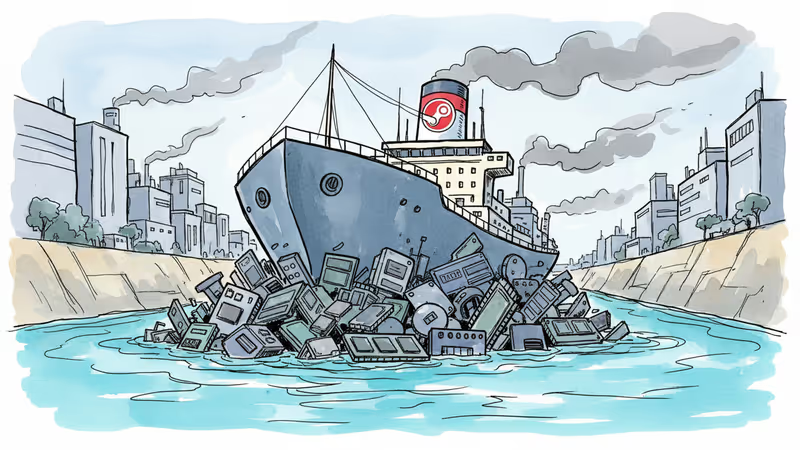
Steam Machine, Steam Frame, and Steam Controller face delays as global memory crisis forces Valve to reset pricing expectations and launch timeline.
Sony is pulling its major single-player PlayStation games from PC. After six years of multiplatform expansion, the reversal raises hard questions about exclusivity, hardware sales, and who really controls gaming's future.
Steam Machine, Steam Frame, and Steam Controller face delays as Valve navigates global memory shortage while maintaining 2026 shipping commitment.
Valve's Steam Deck OLED faces global shortages due to memory and storage supply constraints, exposing deeper structural shifts in gaming hardware economics.
Steam Machine, Steam Frame, and Steam Controller face delays as global memory crisis forces Valve to reset pricing expectations and launch timeline.
Thoughts
Share your thoughts on this article
Sign in to join the conversation