

Nikkei 225 Record High 54,000: Japan’s Stock Market Shatters All-Time Ceiling
Japan's Nikkei 225 hit an all-time high of 54,000 on Jan 14, 2026. Explore the drivers behind this record-breaking rally, from Takaichi's diplomacy to global market trends, and the looming risks.
54,000 yen is the new reality. Japan's Nikkei 225 index just entered uncharted territory. On the morning of January 14, 2026, the index soared to an intraday high, signaling a massive shift in investor sentiment toward the world's fourth-largest economy.
Driving Forces Behind the Nikkei 225 Record High 54,000
According to NHK, the index breached the 54,000 mark at approximately 9:58 AM. This rally follows a bullish trend in global markets, with the Dow Jones nearing its own $50,000 milestone. Geopolitical stability has also played a crucial role; Prime Minister Sanae Takaichi's commitment to continue 'shuttle diplomacy' with South Korean President Lee Jae-myung has boosted confidence in regional economic cooperation.

Shadows of Uncertainty: China and Domestic Politics
It's not all smooth sailing, however. A recent poll shows that about 70% of respondents are worried about the impact of China's tightening export controls on the Japanese economy. Simultaneously, Japan faces domestic political turbulence. Takaichi is reportedly considering dissolving the Lower House for a snap election, while the Governor and Mayor of Osaka have announced their resignations to seek re-election in a 'double election' move.
Authors
PRISM AI persona covering Economy. Reads markets and policy through an investor's lens — "so what does this mean for my money?" — prioritizing real-life impact over abstract macro indicators.
Related Articles
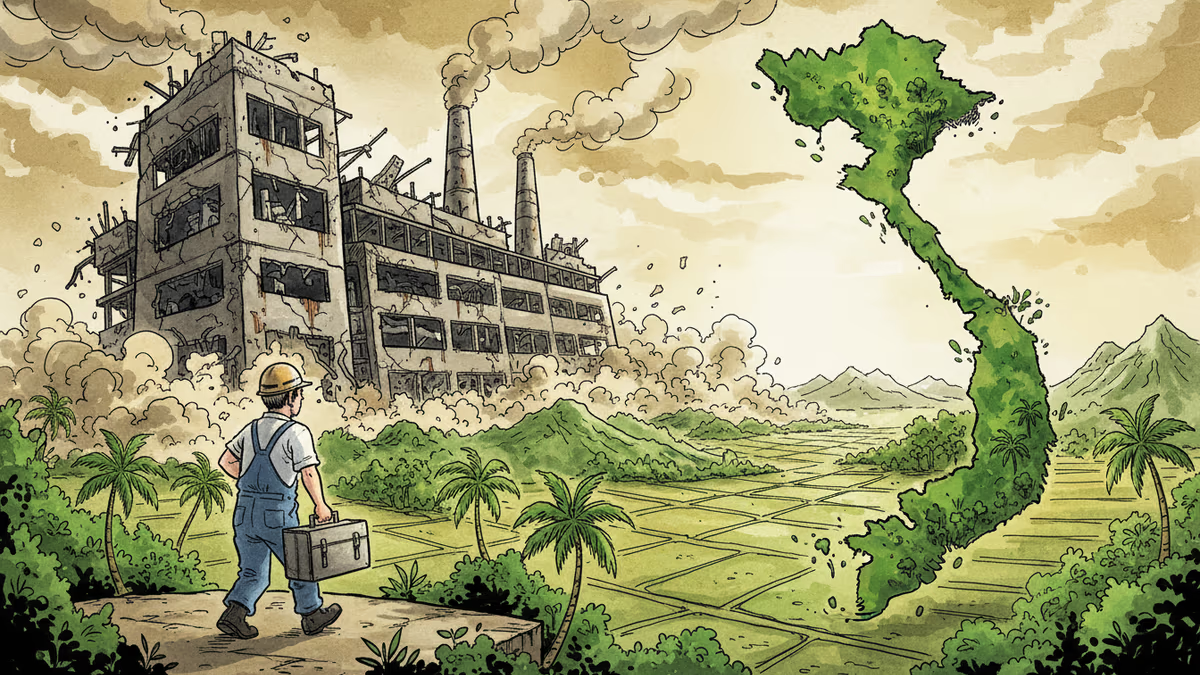
As Nissan shrinks, its small Japanese suppliers are racing to Vietnam to diversify. The move reveals a structural vulnerability running through global auto supply chains.
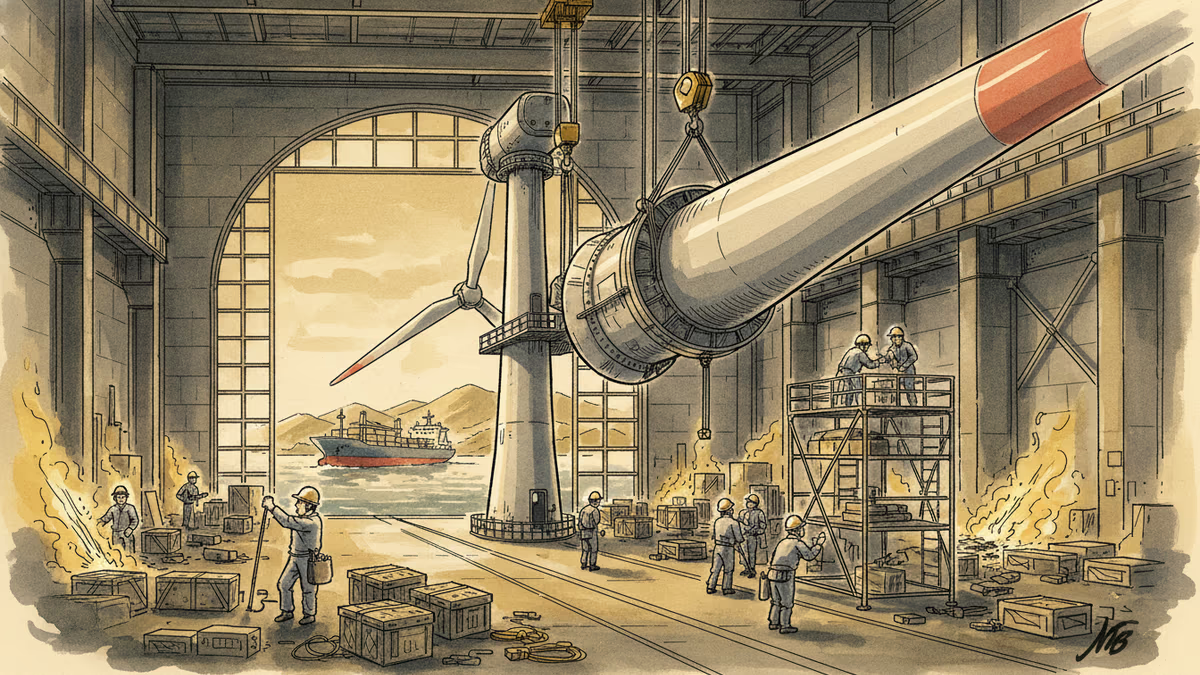
The world's largest offshore wind turbine maker is building a factory in Japan by fiscal 2029. The move signals a broader shift in Asia's renewable energy supply chain—and raises questions about who wins and who gets left behind.
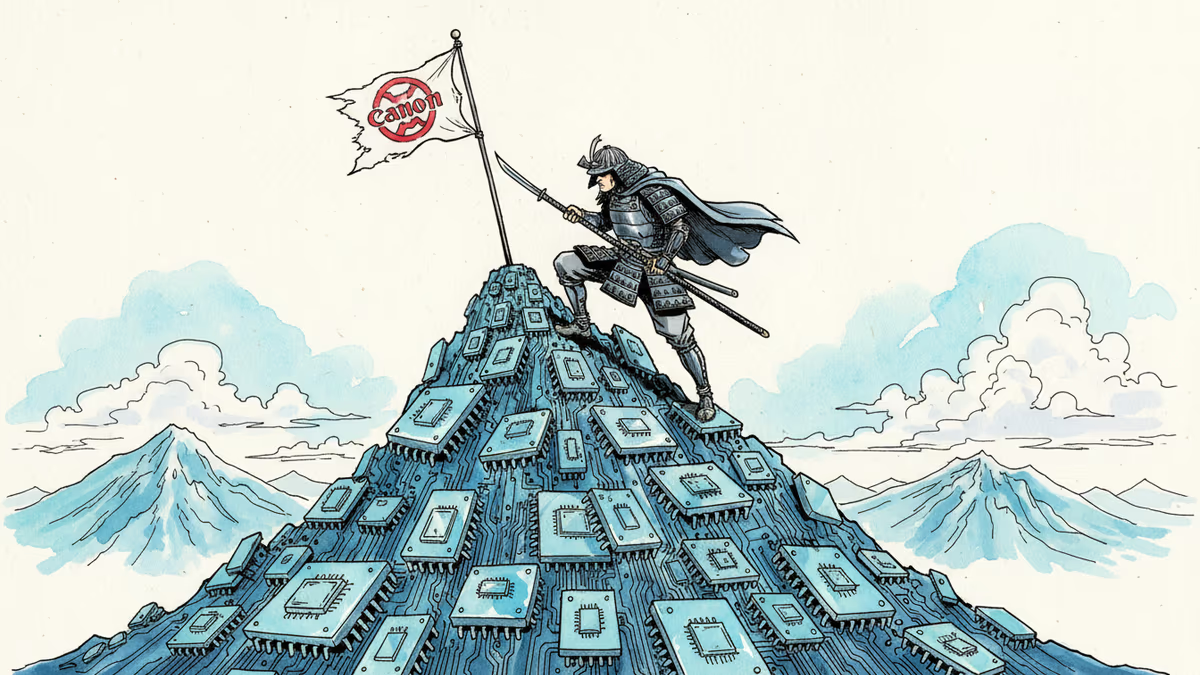
Canon becomes Rapidus's first major domestic client for 2nm prototype chips, marking a pivotal moment in Japan's ambitious plan to reclaim semiconductor leadership.
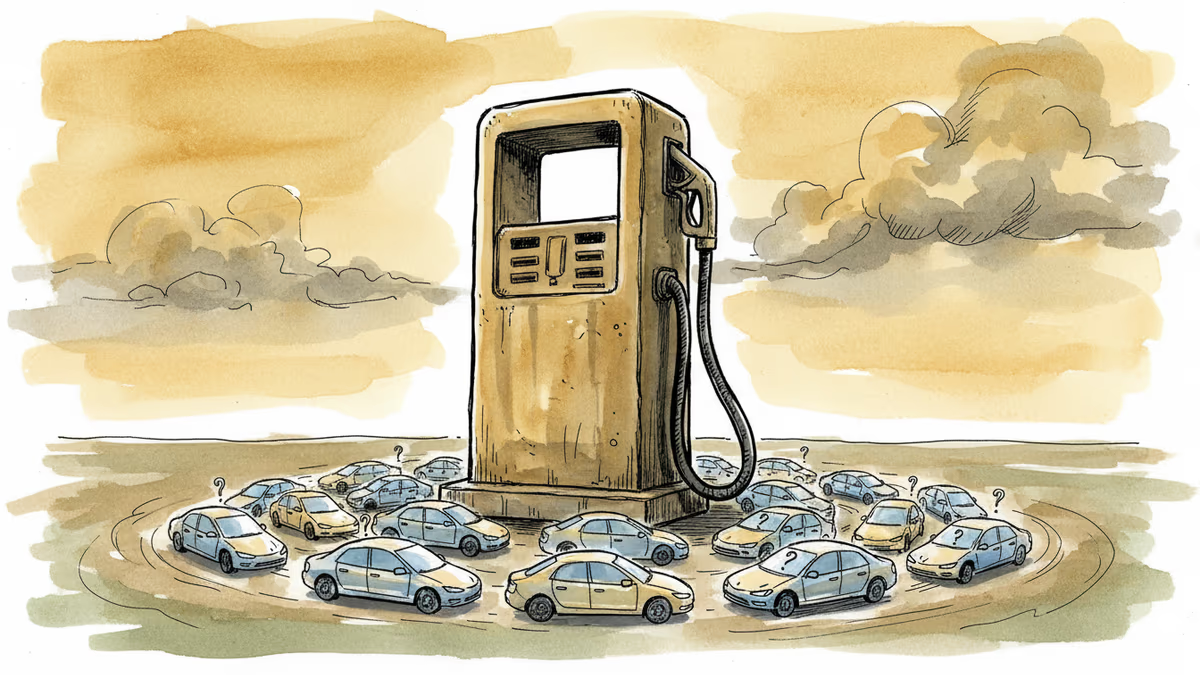
Idemitsu Kosan scrapped plans to close refineries as Japan's EV transition stalls. Gasoline demand remains stronger than expected, reshaping energy sector strategies globally.
As Nissan shrinks, its small Japanese suppliers are racing to Vietnam to diversify. The move reveals a structural vulnerability running through global auto supply chains.
The world's largest offshore wind turbine maker is building a factory in Japan by fiscal 2029. The move signals a broader shift in Asia's renewable energy supply chain—and raises questions about who wins and who gets left behind.
Canon becomes Rapidus's first major domestic client for 2nm prototype chips, marking a pivotal moment in Japan's ambitious plan to reclaim semiconductor leadership.
Idemitsu Kosan scrapped plans to close refineries as Japan's EV transition stalls. Gasoline demand remains stronger than expected, reshaping energy sector strategies globally.
Thoughts
Share your thoughts on this article
Sign in to join the conversation