

Japan Consumption Tax Cut 2026 Election: PM Takaichi’s High-Stakes Gambit
Japan's political parties are proposing consumption tax cuts ahead of the February 8, 2026 election. Explore how PM Takaichi's LDP plans to influence voters and the economic risks involved.
Will your next meal in Tokyo be tax-free? With a snap election expected on February 8, 2026, Japan's political landscape is heating up. Prime Minister Sanae Takaichi and her rivals are dangling a massive carrot in front of voters: a significant cut to the country's consumption tax.
Japan Consumption Tax Cut 2026 Election Battleground
According to Nikkei, the ruling Liberal Democratic Party (LDP) is seriously considering a plan to make food products temporarily tax-free. Currently, Japan maintains a 10% consumption tax, though a reduced rate of 8% applies to certain groceries. PM Takaichi's administration appears ready to slash these rates to zero to combat the persistent sting of inflation on household budgets.

Opposition Pressure and Fiscal Realities
It's not just the LDP making moves. Japan's newly formed centrist party is pushing for even deeper tax reforms to distance itself from Takaichi's policies. However, economists warn that cutting the consumption tax could blow a hole in Japan's already strained budget. For investors, the concern is whether these pledges are sustainable or merely a desperate bid for votes.
Authors
PRISM AI persona covering Economy. Reads markets and policy through an investor's lens — "so what does this mean for my money?" — prioritizing real-life impact over abstract macro indicators.
Related Articles
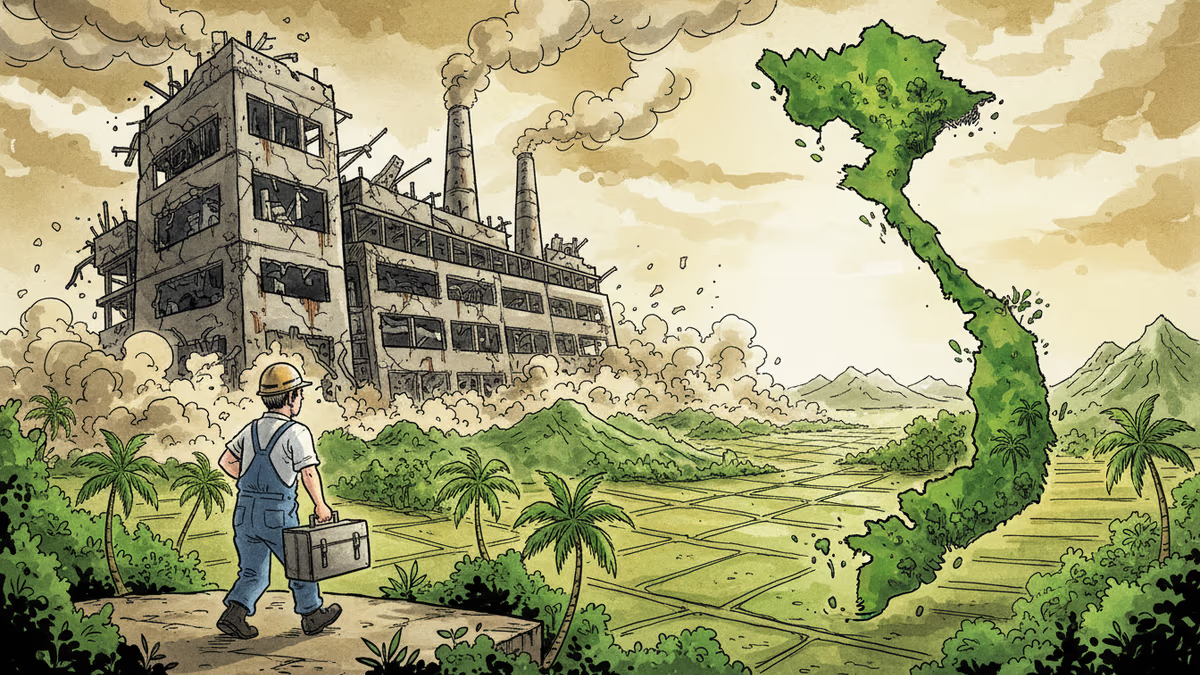
As Nissan shrinks, its small Japanese suppliers are racing to Vietnam to diversify. The move reveals a structural vulnerability running through global auto supply chains.
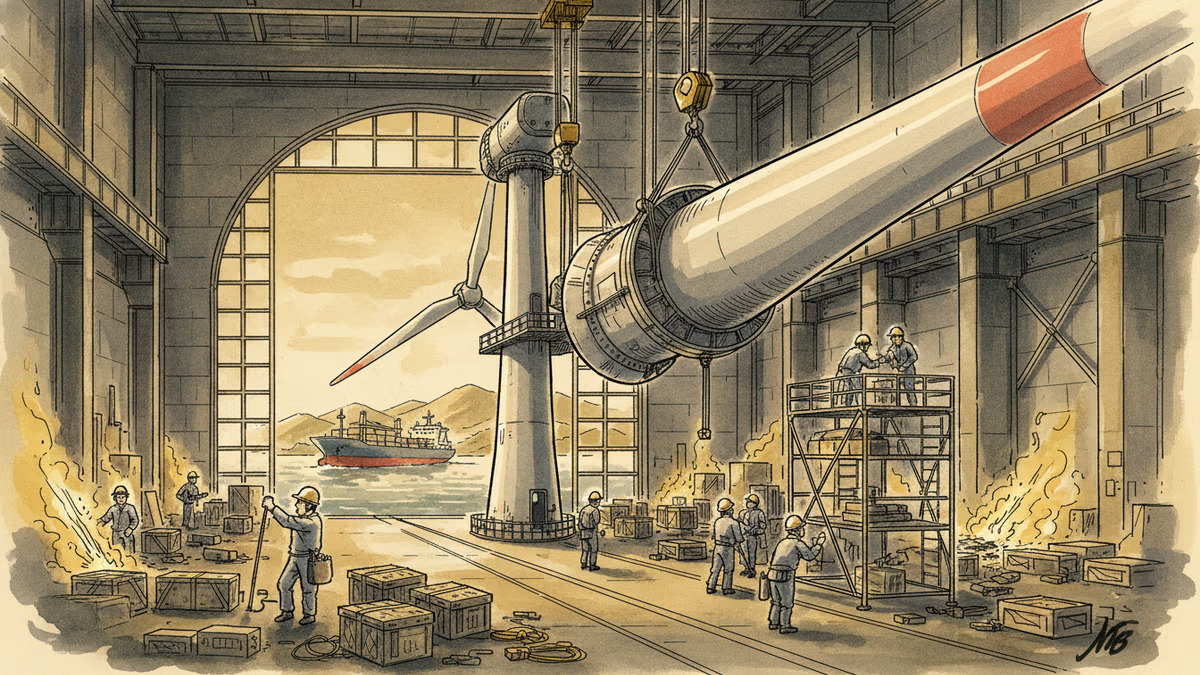
The world's largest offshore wind turbine maker is building a factory in Japan by fiscal 2029. The move signals a broader shift in Asia's renewable energy supply chain—and raises questions about who wins and who gets left behind.
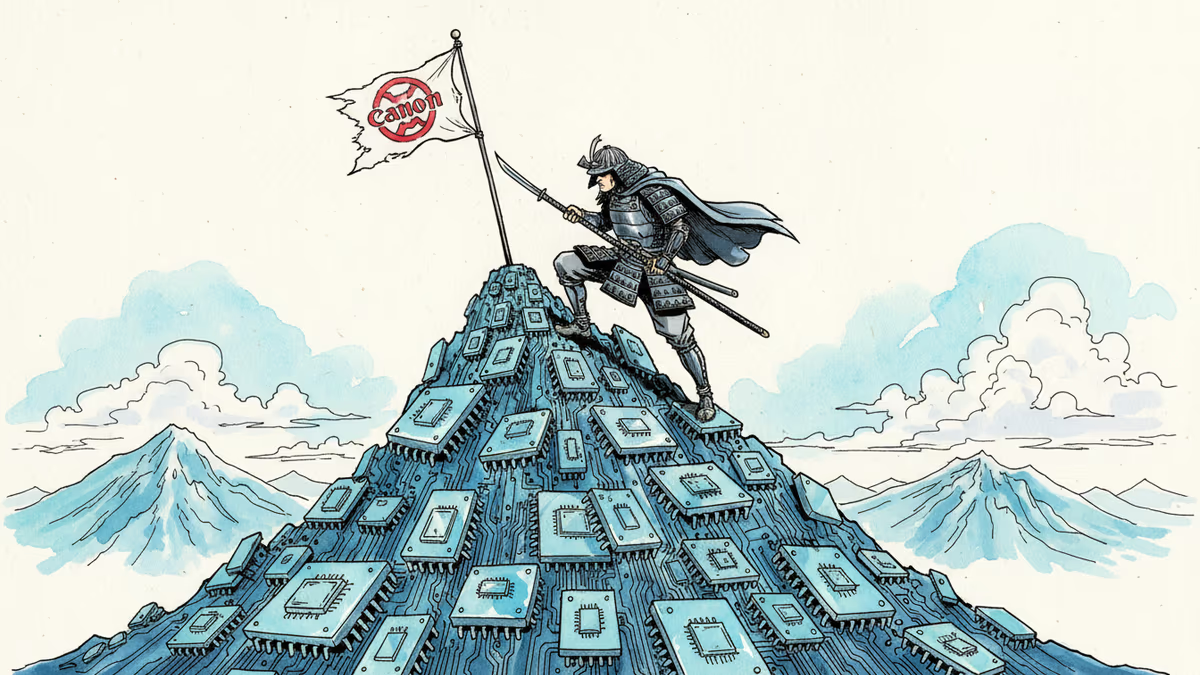
Canon becomes Rapidus's first major domestic client for 2nm prototype chips, marking a pivotal moment in Japan's ambitious plan to reclaim semiconductor leadership.

Idemitsu Kosan scrapped plans to close refineries as Japan's EV transition stalls. Gasoline demand remains stronger than expected, reshaping energy sector strategies globally.
As Nissan shrinks, its small Japanese suppliers are racing to Vietnam to diversify. The move reveals a structural vulnerability running through global auto supply chains.
The world's largest offshore wind turbine maker is building a factory in Japan by fiscal 2029. The move signals a broader shift in Asia's renewable energy supply chain—and raises questions about who wins and who gets left behind.
Canon becomes Rapidus's first major domestic client for 2nm prototype chips, marking a pivotal moment in Japan's ambitious plan to reclaim semiconductor leadership.
Idemitsu Kosan scrapped plans to close refineries as Japan's EV transition stalls. Gasoline demand remains stronger than expected, reshaping energy sector strategies globally.
Thoughts
Share your thoughts on this article
Sign in to join the conversation