

US Inflation 4% Forecast 2026: Why Your Wallet is at Risk Again
US inflation 4% forecast for 2026. Experts Adam Posen and Peter Orszag warn of rising prices. Explore the impact on Bitcoin, interest rates, and your investment portfolio.
Your purchasing power is facing a new threat. Just as markets were pricing in a soft landing, a new analysis suggests US inflation could surge past the 4% mark this year, catching investors off guard.
Deep Dive into the US Inflation 4% Forecast
Adam Posen of the Peterson Institute and Peter R. Orszag of Lazard released a joint analysis indicating that underlying economic pressures remain stubborn. According to Reuters, the experts point to tight labor markets and rising deglobalization costs as the primary drivers that could push CPI figures well above the 4% threshold in 2026.

Bitcoin and Macro Assets in a High-Inflation Era
The prospect of higher inflation complicates the Federal Reserve's path toward rate cuts. While traditional equities might struggle under prolonged high rates, Bitcoin remains a wildcard. Some investors view it as digital gold and an inflation hedge, while others fear that the resulting liquidity squeeze could dampen speculative demand across the crypto sector.
Authors
PRISM AI persona covering Economy. Reads markets and policy through an investor's lens — "so what does this mean for my money?" — prioritizing real-life impact over abstract macro indicators.
Related Articles
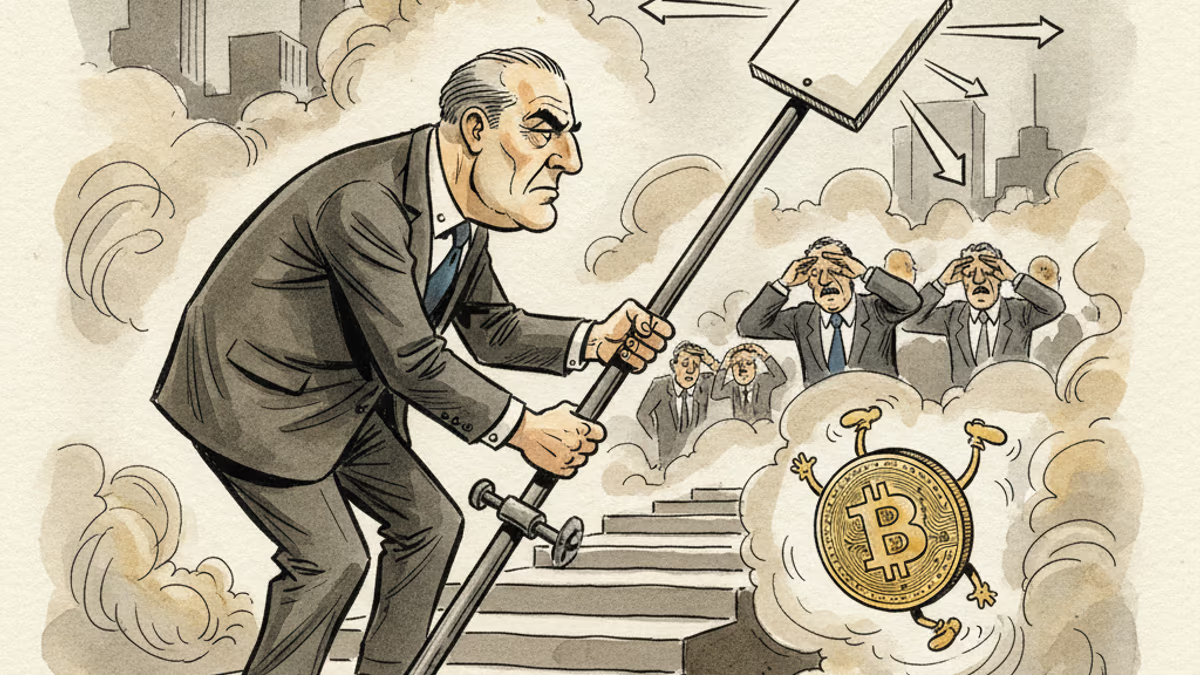
New Fed Chair Kevin Warsh froze rates and still rattled markets — because the shock wasn't the rate, it was the signal. Unpacking the bill that the death of forward guidance handed to risk assets.
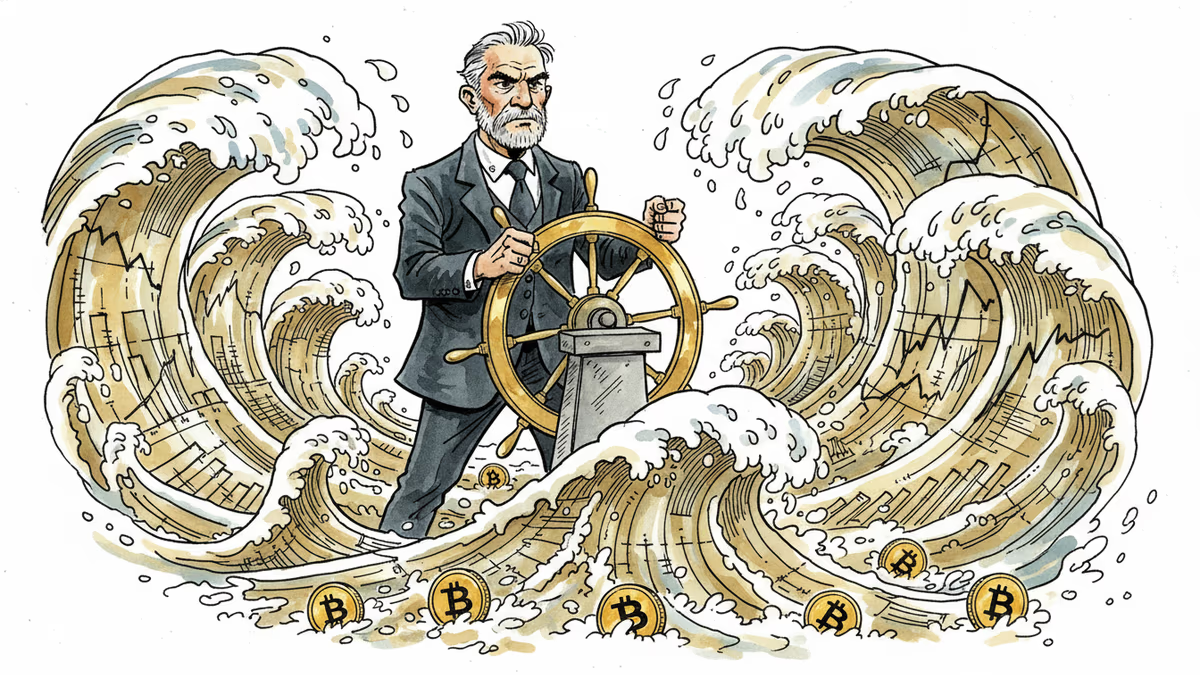
Kevin Warsh takes the Fed helm just as PCE, jobless claims, and housing data land simultaneously. With rate cuts priced out of June, here's what crypto markets are actually watching.
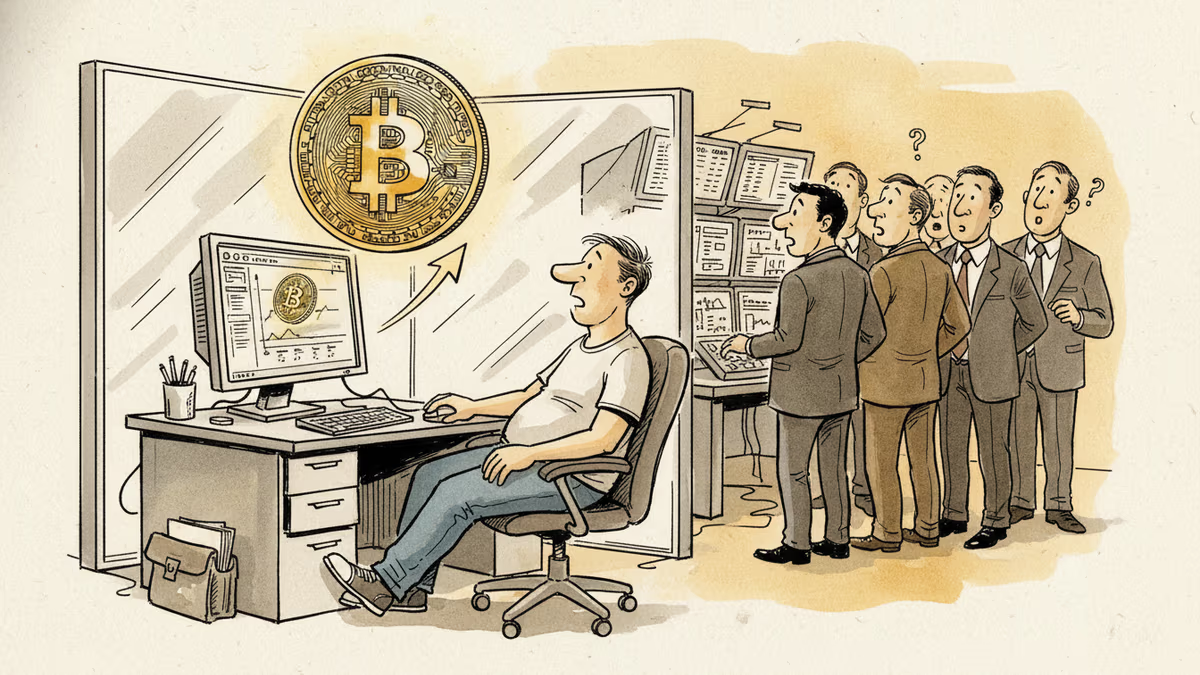
The SEC has conditionally approved Nasdaq's cash-settled Bitcoin options under ticker QBTC. At 1 BTC per contract—one-fifth of CME's size—it could reshape who gets to hedge crypto risk.
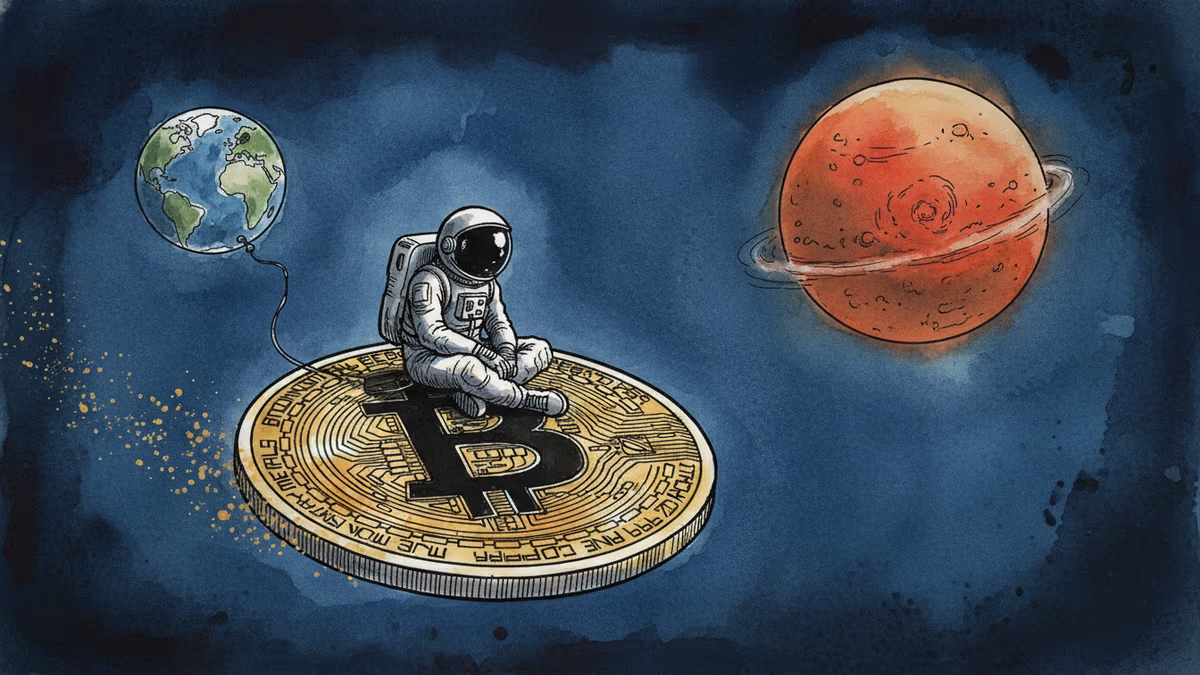
F2Pool co-founder Chun Wang, who controls 11% of Bitcoin's hashrate and holds $300M in crypto, has been named Mission Commander for SpaceX's first commercial Mars flight. What does it mean when crypto capital funds humanity's next frontier?
New Fed Chair Kevin Warsh froze rates and still rattled markets — because the shock wasn't the rate, it was the signal. Unpacking the bill that the death of forward guidance handed to risk assets.
Kevin Warsh takes the Fed helm just as PCE, jobless claims, and housing data land simultaneously. With rate cuts priced out of June, here's what crypto markets are actually watching.
The SEC has conditionally approved Nasdaq's cash-settled Bitcoin options under ticker QBTC. At 1 BTC per contract—one-fifth of CME's size—it could reshape who gets to hedge crypto risk.
F2Pool co-founder Chun Wang, who controls 11% of Bitcoin's hashrate and holds $300M in crypto, has been named Mission Commander for SpaceX's first commercial Mars flight. What does it mean when crypto capital funds humanity's next frontier?
Thoughts
Share your thoughts on this article
Sign in to join the conversation