
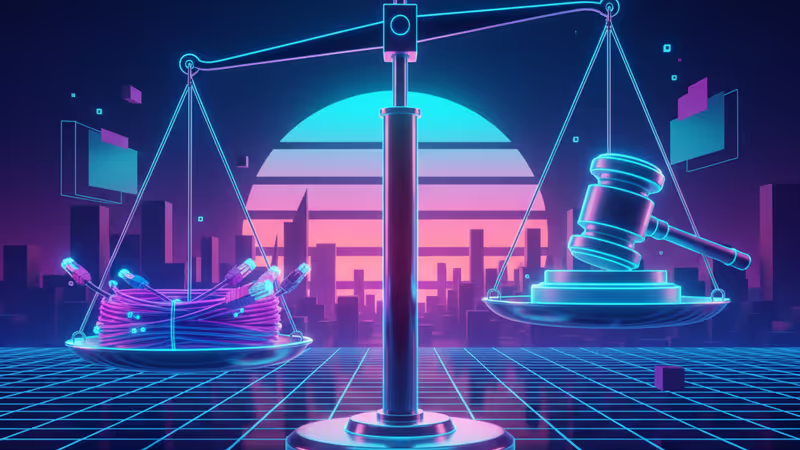
The Never-Ending Battle: US Net Neutrality Rules 2025 Outlook
Explore the 15-year saga of US Net Neutrality Rules 2025. From the Obama era to the latest court battles in 2024, understand why this regulatory fight never ends.
It’s the fight that never truly ends. For 15 years, federal net neutrality rules in the U.S. have been switched on and off like a desk lamp. According to The Verge, the basic principle—prohibiting ISPs from blocking or throttling lawful traffic—remains a central battlefield for digital rights and corporate interests.
US Net Neutrality Rules 2025: A Decade of Legal Tug-of-War
The regulatory rollercoaster began in 2010 under President Barack Obama. The FCC passed the Open Internet Order, only to see it blocked by a court following ISP challenges. This set a precedent for the instability that would define the next decade and a half.

Regulatory Whiplash and Infrastructure Impacts
In 2024, the rules seemed poised for a definitive return. However, the victory was short-lived as courts stepped in yet again. The constant flip-flopping creates a "regulatory whiplash" effect. While ISPs argue that these rules stifle investment in high-speed fiber and 5G, advocates insist that without them, the internet will become a series of paid fast lanes, hurting consumers and startups.
Authors
Related Articles
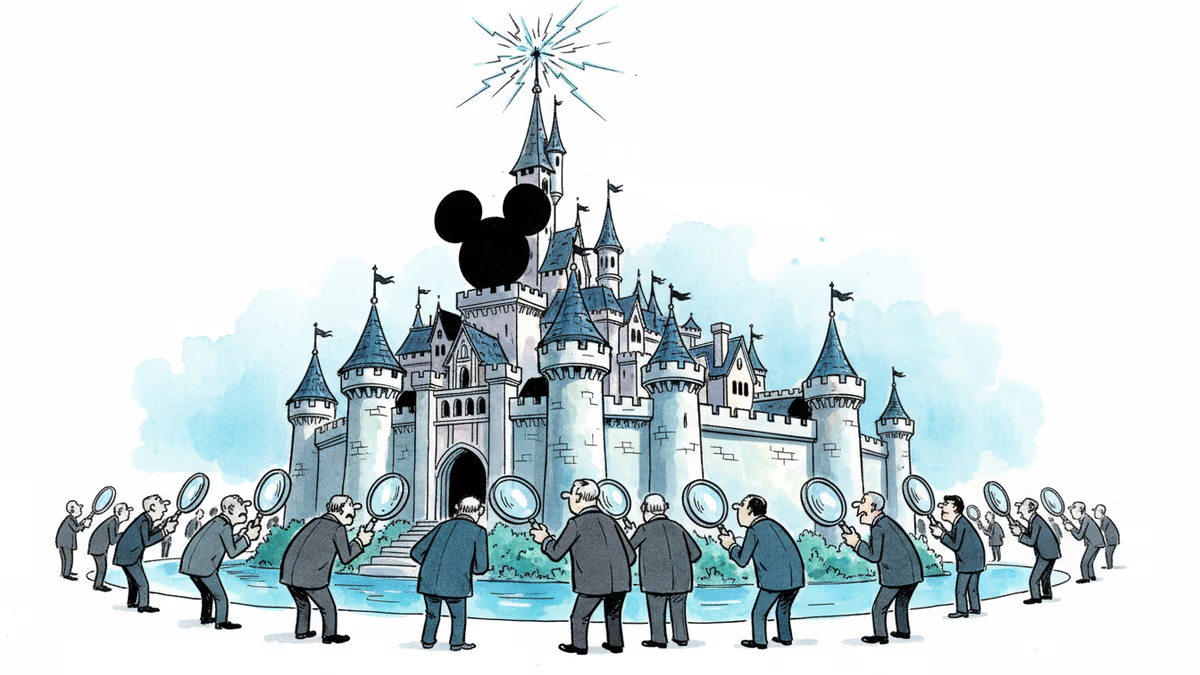
Josh D'Amaro took over Disney with a bold Disney Plus vision. Days later, he's in a First Amendment fight with the Trump administration over The View. What does this mean for media freedom?
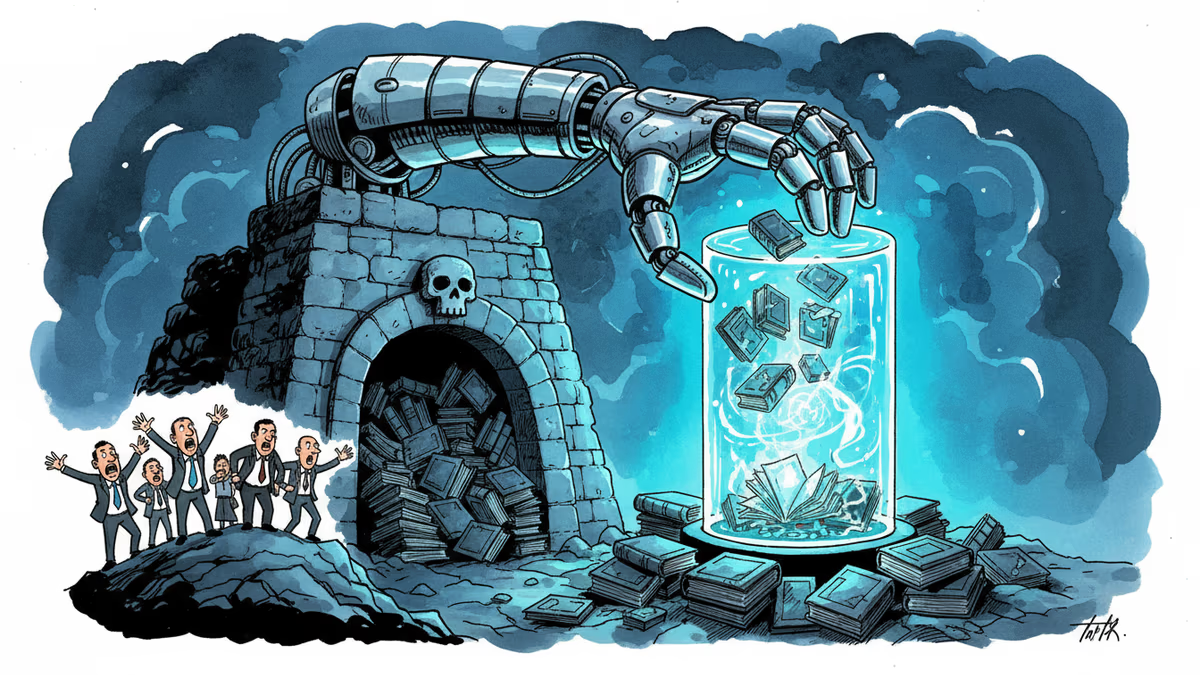
Five major publishers and author Scott Turow have filed a class action lawsuit against Meta, alleging the company used illegal pirate sites like LibGen to train its Llama AI models without permission.
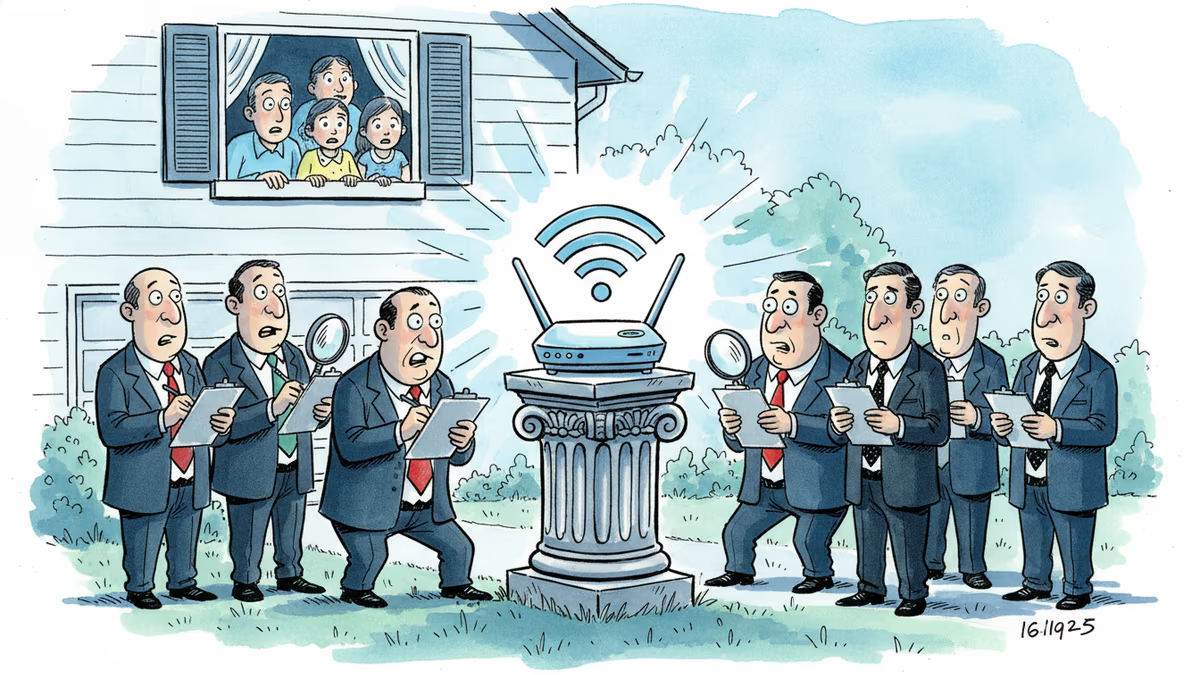
The FCC has banned new foreign-made consumer routers, citing cyberattacks linked to China. Every major brand is affected. Here's what it means for your home, your wallet, and the future of internet hardware.
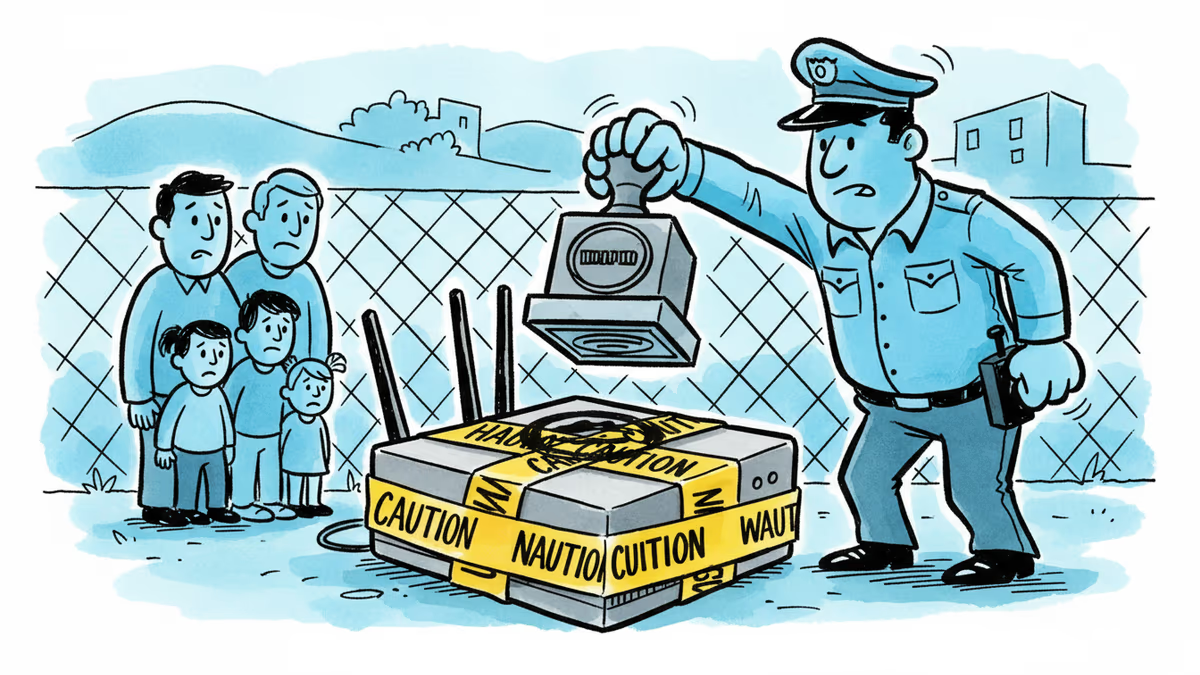
The FCC has banned new imports of foreign-made consumer networking gear, citing national security. After drones, routers are next. What this means for prices, competition, and the future of connected homes.
Josh D'Amaro took over Disney with a bold Disney Plus vision. Days later, he's in a First Amendment fight with the Trump administration over The View. What does this mean for media freedom?
Five major publishers and author Scott Turow have filed a class action lawsuit against Meta, alleging the company used illegal pirate sites like LibGen to train its Llama AI models without permission.
The FCC has banned new foreign-made consumer routers, citing cyberattacks linked to China. Every major brand is affected. Here's what it means for your home, your wallet, and the future of internet hardware.
The FCC has banned new imports of foreign-made consumer networking gear, citing national security. After drones, routers are next. What this means for prices, competition, and the future of connected homes.
Thoughts
Share your thoughts on this article
Sign in to join the conversation