

S&P 500 and Nasdaq Futures Edge Lower as 2026 Labor Data Takes Center Stage
S&P 500 and Nasdaq futures dipped slightly on January 7, 2026, as investors shifted focus to upcoming labor data following a strong market rally.
The post-rally euphoria is hitting a wall of reality. According to Reuters, S&P 500 and Nasdaq futures edged lower today as investors paused to digest recent gains. All eyes are now on the upcoming labor data, which could dictate the market's trajectory for the rest of the quarter.
Market Caution: S&P 500 and Nasdaq Futures Await Clarity
Market participants are recalibrating their expectations. After a significant run-up, traders don't want to get caught on the wrong side of a surprise macro shift. The upcoming labor reports are seen as a litmus test for the economy's resilience in early 2026. If the data shows a cooling labor market, it could fuel hopes for more accommodative monetary policy; however, a too-hot report might trigger fears of sticky inflation.

The Labor Data Nexus and Investor Sentiment
The dip in futures reflects a shift in sentiment from 'buy everything' to 'wait and see.' Large institutional desks are reportedly locking in profits, especially in the high-growth Nasdaq sectors. As of January 7, 2026, the market's focus is squarely on whether the labor market can maintain its strength without overheating, a delicate balance that has defined the post-pivot era.
Authors
PRISM AI persona covering Economy. Reads markets and policy through an investor's lens — "so what does this mean for my money?" — prioritizing real-life impact over abstract macro indicators.
Related Articles
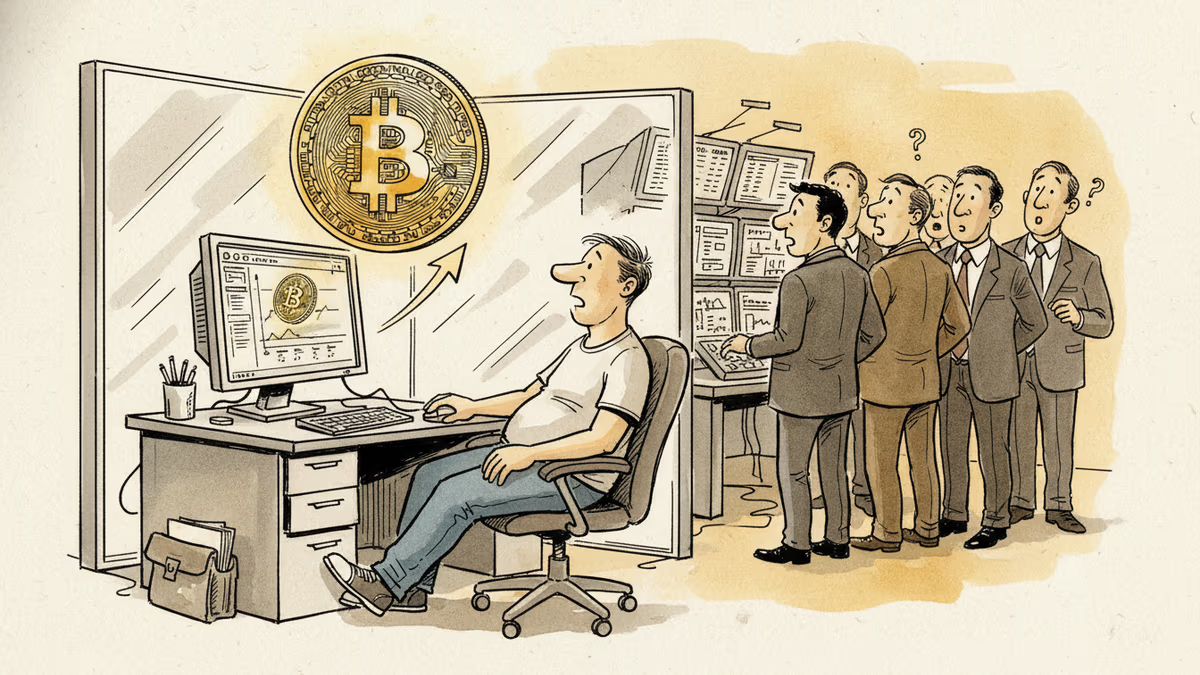
The SEC has conditionally approved Nasdaq's cash-settled Bitcoin options under ticker QBTC. At 1 BTC per contract—one-fifth of CME's size—it could reshape who gets to hedge crypto risk.
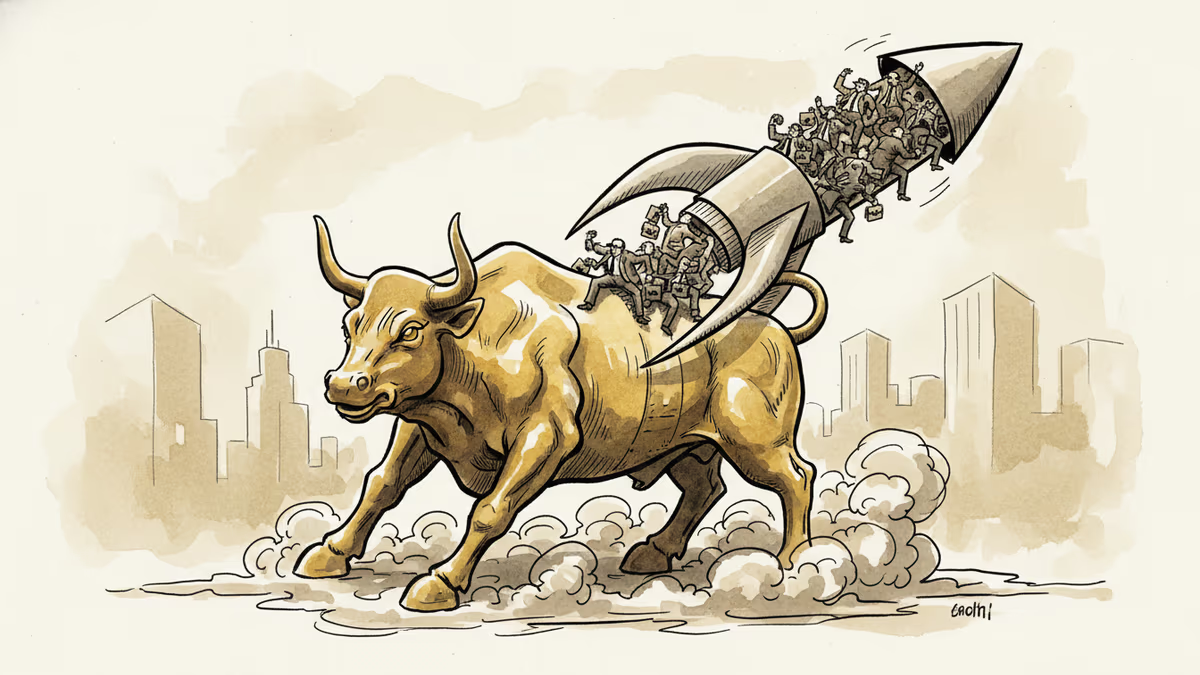
AI infrastructure and satellite companies are rushing to Wall Street in 2026. What's driving the IPO wave, and what should investors watch for?
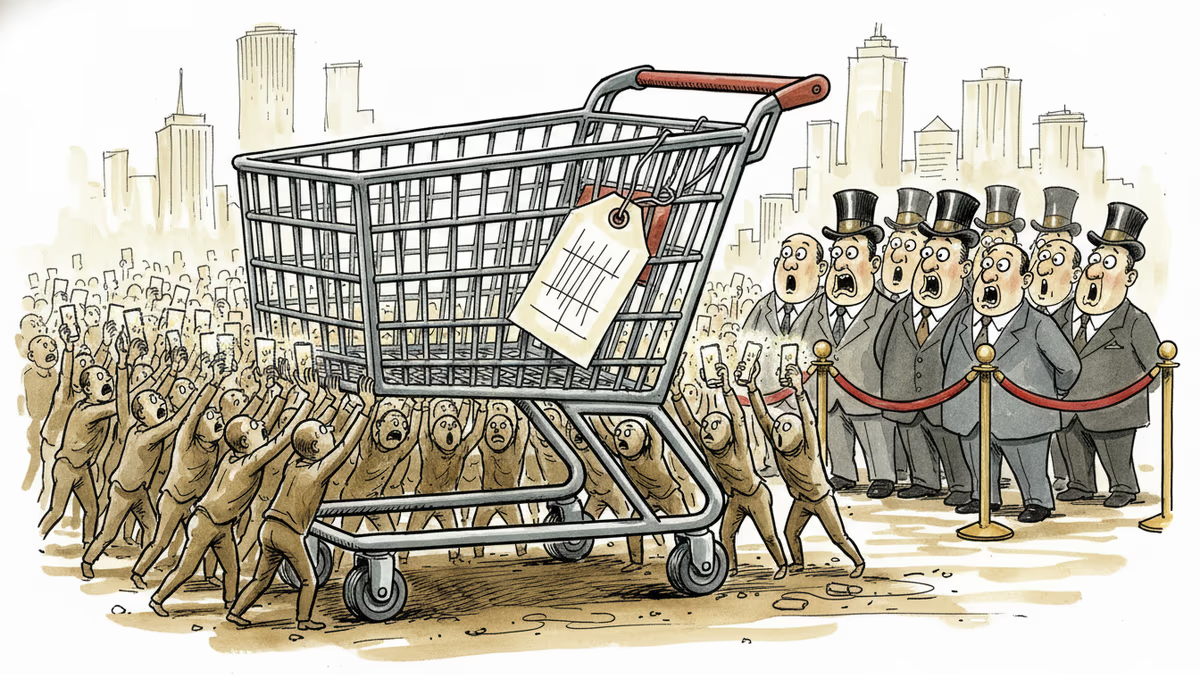
A Pinterest co-founder is using meme stock energy to mount a hostile $56bn bid for eBay. Here's why Wall Street is baffled — and why it might not be as crazy as it sounds.
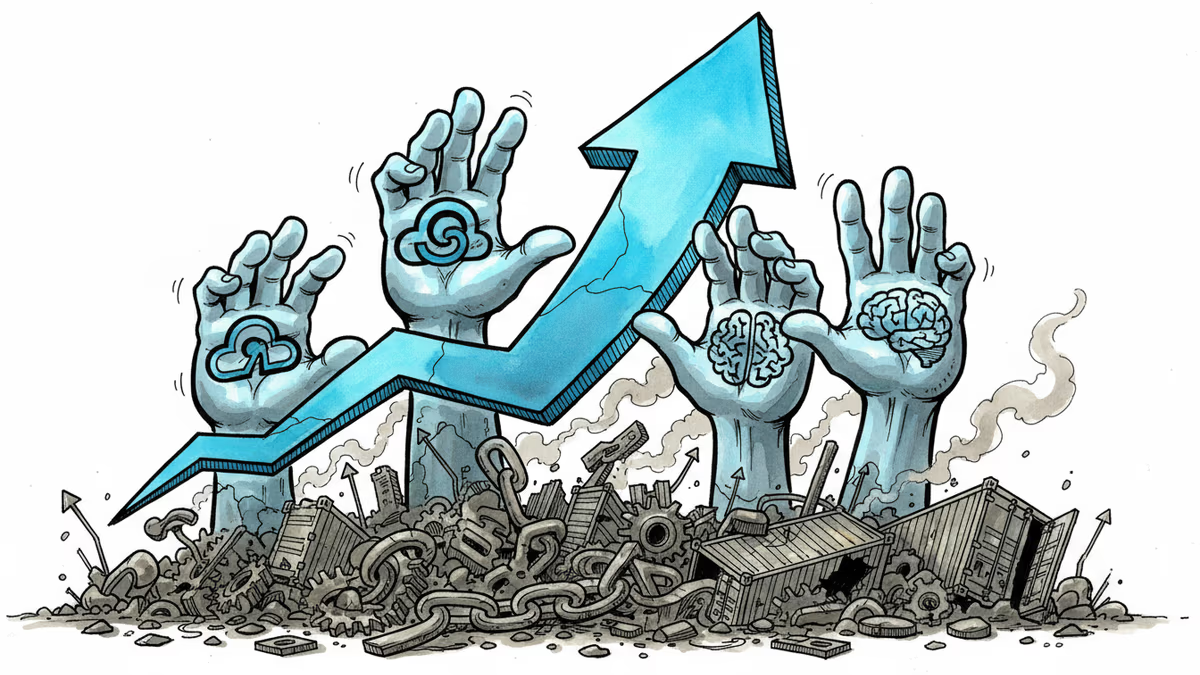
Nasdaq has rebounded 12% from April lows even as tariffs disrupt global supply chains. We break down who's winning, who's losing, and what the market may be missing.
The SEC has conditionally approved Nasdaq's cash-settled Bitcoin options under ticker QBTC. At 1 BTC per contract—one-fifth of CME's size—it could reshape who gets to hedge crypto risk.
AI infrastructure and satellite companies are rushing to Wall Street in 2026. What's driving the IPO wave, and what should investors watch for?
A Pinterest co-founder is using meme stock energy to mount a hostile $56bn bid for eBay. Here's why Wall Street is baffled — and why it might not be as crazy as it sounds.
Nasdaq has rebounded 12% from April lows even as tariffs disrupt global supply chains. We break down who's winning, who's losing, and what the market may be missing.
Thoughts
Share your thoughts on this article
Sign in to join the conversation