
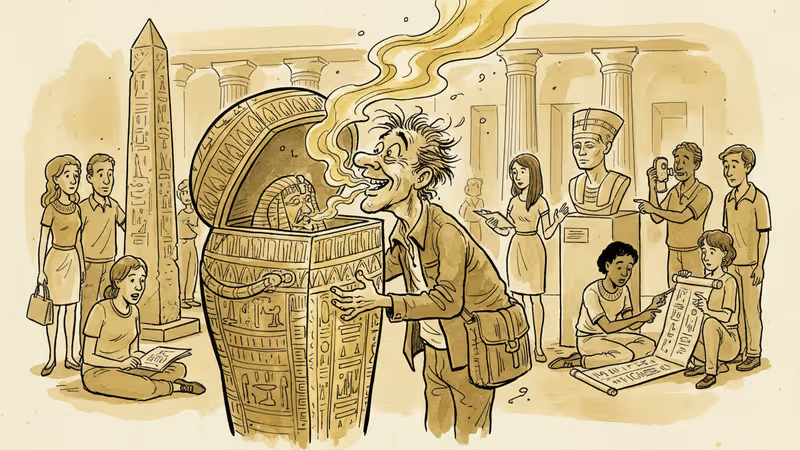
The Scent of Eternity: Ancient Egyptian Mummy Balms Come Alive in Museums
Scientists have recreated the 4,000-year-old fragrances used in Egyptian mummification and are now incorporating them into museum exhibits, transforming how we experience ancient history through smell.
What if you could smell exactly what ancient Egyptians smelled 4,000 years ago? Dr. Barbara Huber from the Max Planck Institute has done just that, scientifically recreating the "scent of eternity" from mummy balms and bringing it into modern museum exhibits.
Decoding Ancient Chemistry
In 2023, researchers analyzed the compounds used to mummify the organs of an ancient Egyptian noblewoman. The results were surprising: the recipes were far more complex than expected, incorporating ingredients not native to Egypt. This suggests ancient Egyptians maintained sophisticated trade networks specifically for their most sacred ritual.
Working with a professional perfumer, the team recreated these ancient formulations. The resulting fragrance combines natron salt, plant-based resins, and aromatic spices in a blend described as both sweet and mysteriously otherworldly.
The original mummification process was a 40-day sacred ritual. After removing organs and liquefying the brain through the nostrils, embalmers washed the body cavity with spices and palm wine. These weren't just preservation techniques—they were religious ceremonies where scent played a crucial spiritual role.
Museums Embrace Multisensory Storytelling
Now Huber is collaborating with museum curators to incorporate these recreated scents into Egyptian exhibits. Visitors can literally smell what ancient priests and mourners experienced during mummification ceremonies.
This represents a fundamental shift in museum philosophy. For centuries, museums have relied primarily on visual displays. But smell connects directly to memory and emotion in ways that sight cannot. A single scent can transport us across millennia in an instant.

The implications extend far beyond Egyptology. Imagine experiencing the smoky incense of medieval cathedrals, the leather and parchment of ancient libraries, or the spices that drove global trade routes. The British Museum or The Met could transform from repositories of objects into immersive time machines.
When Science Meets Ancient Wisdom
This project showcases how modern analytical chemistry can unlock secrets that traditional archaeology cannot. Mass spectrometry and gas chromatography are revealing details about ancient life that would have been impossible to discover just decades ago.
But it also raises fascinating questions. Are we truly recreating the original scents, or have 4,000 years of chemical degradation changed them beyond recognition? Did ancient noses perceive these fragrances differently than modern ones do?
The potential applications are staggering. Combined with VR and AR technologies, we could create fully immersive historical experiences. Imagine exploring Tutankhamun's tomb while breathing the actual air of ancient Egypt, or walking through Pompeii with the scents of a Roman marketplace.
The Business of Sensory Heritage
This innovation opens new revenue streams for cultural institutions struggling with funding. Exclusive scent experiences could command premium ticket prices. Museums might partner with fragrance companies to create historically-inspired products, turning ancient chemistry into modern commerce.
But commercialization brings ethical concerns. Who owns the rights to recreate ancient scents? Should sacred rituals become tourist attractions? As we democratize access to sensory history, we must consider whether we're preserving culture or commodifying it.
Authors
Related Articles
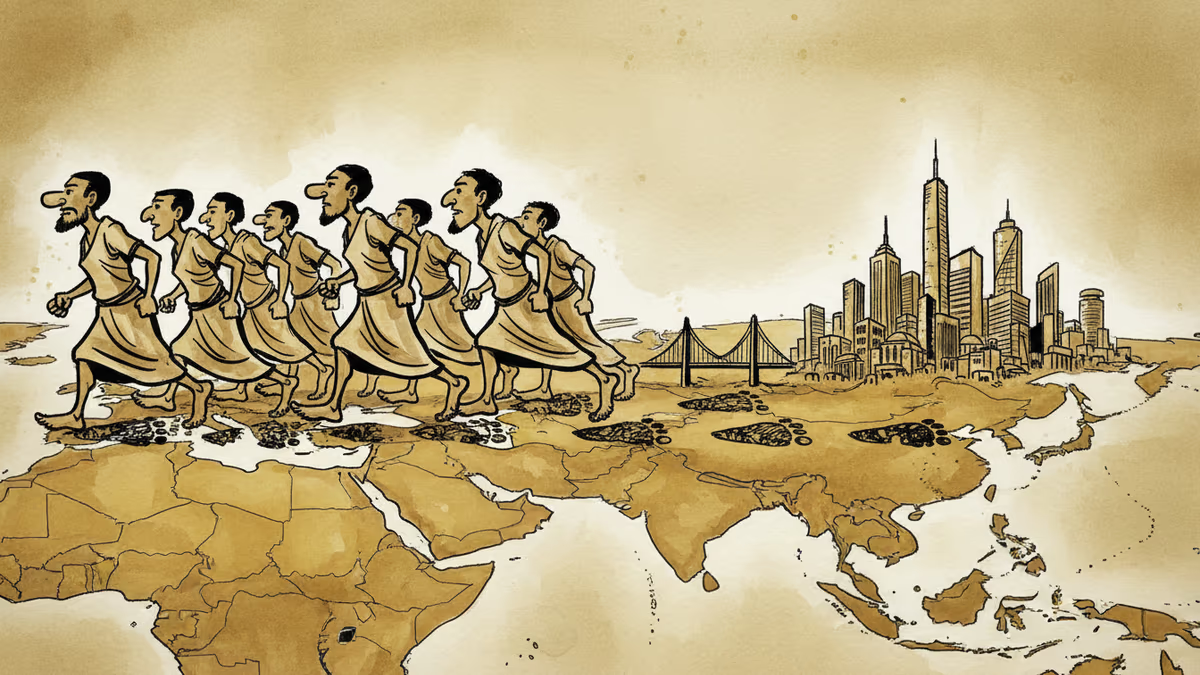
1.77-million-year-old Homo erectus skulls from China push back Asian colonization by 130,000 years, revealing humanity's surprisingly rapid spread across continents.
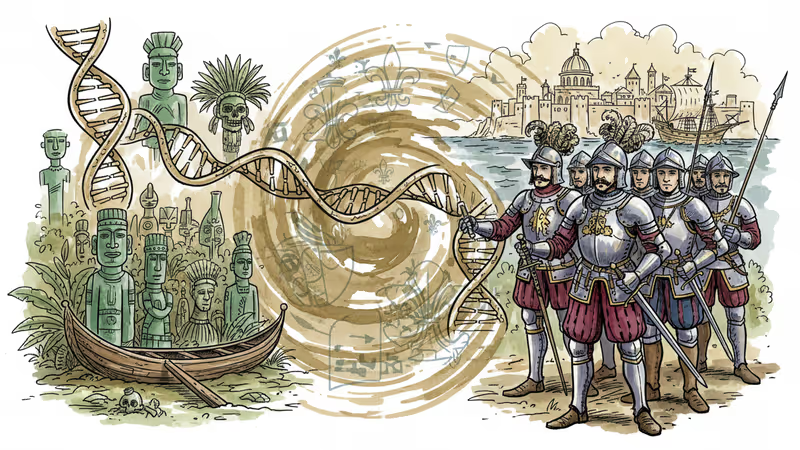
A 5,500-year-old syphilis genome found in Colombia challenges everything we thought we knew about venereal disease origins and the infamous 1495 Naples outbreak.

Archaeologists found traces of plant poison on 60,000-year-old arrowheads, proving prehistoric humans used complex chemical hunting strategies.

Researchers find traces of a 3,700-year-old red rice wine in a Bronze Age Chinese cemetery. The discovery reveals sophisticated fermentation tech using a starter similar to modern sake.
1.77-million-year-old Homo erectus skulls from China push back Asian colonization by 130,000 years, revealing humanity's surprisingly rapid spread across continents.
A 5,500-year-old syphilis genome found in Colombia challenges everything we thought we knew about venereal disease origins and the infamous 1495 Naples outbreak.
Archaeologists found traces of plant poison on 60,000-year-old arrowheads, proving prehistoric humans used complex chemical hunting strategies.
Researchers find traces of a 3,700-year-old red rice wine in a Bronze Age Chinese cemetery. The discovery reveals sophisticated fermentation tech using a starter similar to modern sake.
Thoughts
Share your thoughts on this article
Sign in to join the conversation