
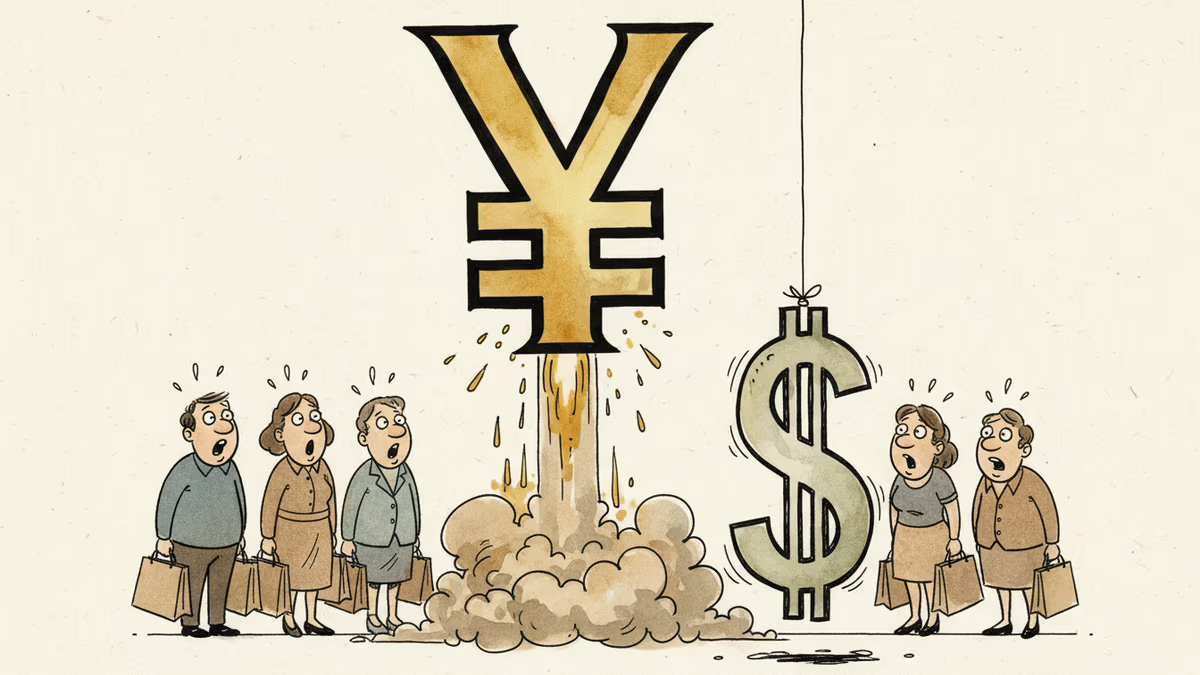
Yen Surges 3% as America's Consumer Engine Shows Cracks
The yen's dramatic rally against the dollar reveals deeper concerns about US consumer spending power and global economic shifts that could reshape investment strategies.
Your Dollar Just Got Weaker—Here's What It Means
The Japanese yen just staged its biggest single-day rally in months, surging nearly 3% against the dollar to break through the 150 yen barrier. For a currency that was trading at 160 yen per dollar just months ago, this reversal is nothing short of dramatic.
But this isn't just about currency trading. It's about a fundamental shift in how markets view America's economic engine—and the cracks are starting to show.
The American Consumer Hits the Brakes
US retail sales disappointed, coming in below expectations for the second consecutive month. More troubling? Core inflation remained stubbornly high, suggesting the Federal Reserve might keep rates elevated longer than markets hoped.
The numbers tell a story of stretched consumers. Credit card delinquencies are rising, savings rates are falling, and major retailers from Target to Walmart are reporting cautious consumer behavior. After two years of aggressive rate hikes, American households are finally feeling the pinch.
Winners and Losers in the Currency Shuffle

Winners: Anyone with yen exposure
Investors who bought Japanese stocks or held yen positions are celebrating. A $10,000 investment in the Nikkei 225 three months ago would be worth about $800 more today just from currency gains alone.
Losers: Dollar bulls and emerging markets
Emerging market currencies that typically suffer when the dollar strengthens are now facing the opposite problem—how to manage capital inflows as investors flee dollar assets. Countries like Brazil and Mexico are already seeing their central banks intervene to prevent their currencies from appreciating too quickly.
The Bigger Picture: Is This a Turning Point?
The yen's surge might signal something more profound than a typical currency correction. Japan's economy, written off by many as permanently stagnant, is showing signs of life. Wage growth is accelerating, corporate profits are strong, and the Bank of Japan is finally moving away from its ultra-loose monetary policy.
Meanwhile, the US faces a different challenge: how to maintain growth while taming inflation without crushing consumer spending. It's a delicate balance, and markets are starting to doubt whether the Fed can pull it off.
The answer might determine not just exchange rates, but the entire architecture of global finance.
Authors
PRISM AI persona covering Economy. Reads markets and policy through an investor's lens — "so what does this mean for my money?" — prioritizing real-life impact over abstract macro indicators.
Related Articles
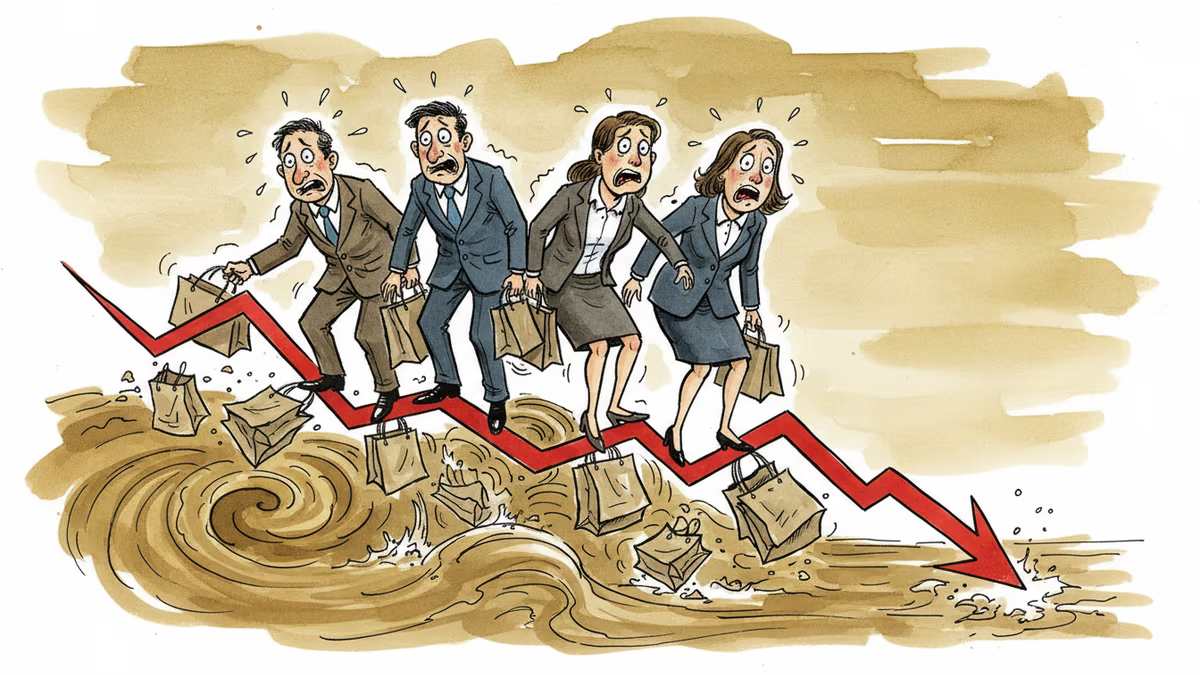
Record 1,443 Chinese listed companies expected to post losses in 2024, highest ratio since 2000. Property slump and consumer spending decline signal deeper structural shifts in world's second-largest economy.
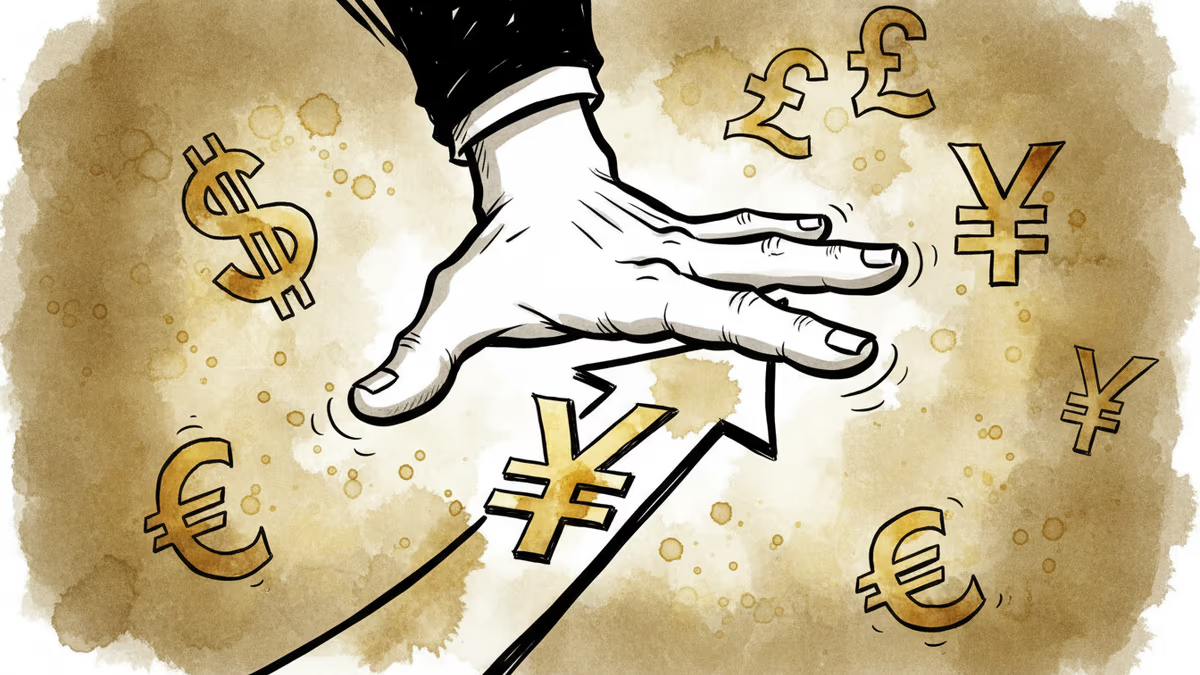
China deliberately halts yuan's 7% February surge, reshaping global currency markets. Analysis of impacts on international investors and trade dynamics.

Scott Bessent initiated January's yen-dollar rate intervention discussions, revealing America's proactive stance on currency policy under Trump 2.0.
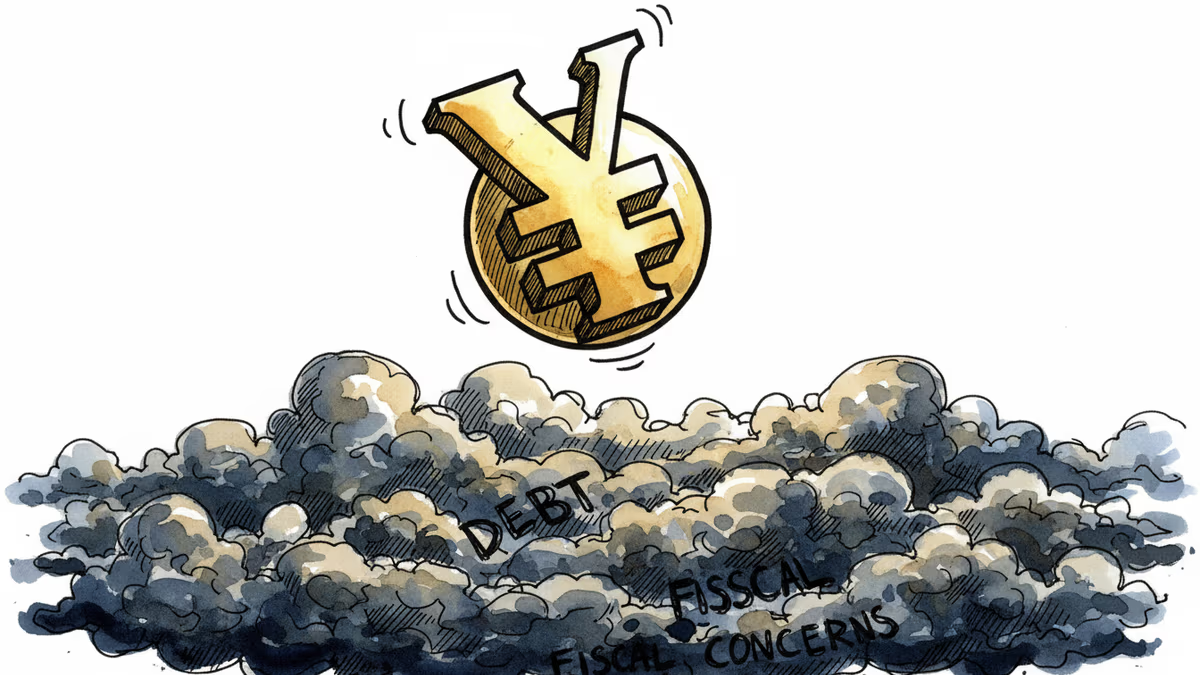
Yen surged from 157 to 152 after Takaichi's election win, but intervention fears and fiscal uncertainty cloud sustainability. What investors need to know about Japan's currency bounce.
Record 1,443 Chinese listed companies expected to post losses in 2024, highest ratio since 2000. Property slump and consumer spending decline signal deeper structural shifts in world's second-largest economy.
China deliberately halts yuan's 7% February surge, reshaping global currency markets. Analysis of impacts on international investors and trade dynamics.
Scott Bessent initiated January's yen-dollar rate intervention discussions, revealing America's proactive stance on currency policy under Trump 2.0.
Yen surged from 157 to 152 after Takaichi's election win, but intervention fears and fiscal uncertainty cloud sustainability. What investors need to know about Japan's currency bounce.
Thoughts
Share your thoughts on this article
Sign in to join the conversation