
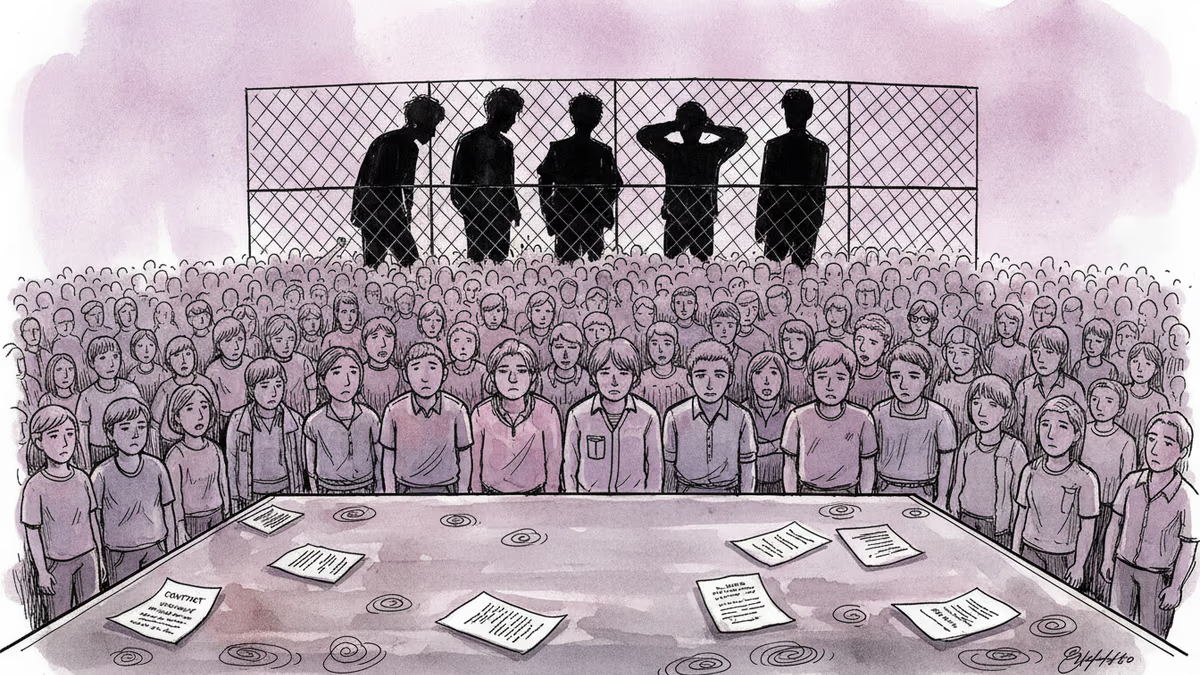
MONSTA X Cancellations Expose the Hidden Risks of Global K-Pop Tours
MONSTA X's Hong Kong and Macau concerts were canceled due to local organizer contract failures, revealing the complex challenges behind glamorous K-Pop world tours.
Behind every glittering K-Pop world tour lies a web of contracts, local partners, and potential pitfalls that fans rarely see. MONSTA X's sudden cancellation of their Hong Kong and Macau shows has pulled back the curtain on this complex reality.
When Contracts Fall Apart
On March 6, STARSHIP Entertainment delivered disappointing news to thousands of fans. The Hong Kong and Macau stops of MONSTA X's 2026 world tour "THE X : NEXUS" were canceled due to "the local organizer's failure to fulfill contractual obligations."
This wasn't just a schedule change—it was a complete breakdown of the intricate machinery that makes global tours possible. Fans who'd bought tickets, booked flights, and planned vacations suddenly found themselves stranded by circumstances entirely beyond the artists' control.
Hong Kong and Macau serve as crucial Asian tour hubs, drawing fans not just locally but from across Southeast Asia. These cancellations ripple far beyond the immediate cities, affecting the broader regional fanbase that treats these venues as pilgrimage sites.
The Invisible Infrastructure
MONSTA X's situation illuminates how vulnerable even established acts are to the complex ecosystem of global touring. Local organizers handle everything from venue booking to marketing and ticket sales—they're essential partners who can make or break a tour.
When these partnerships fail, artists and their agencies have limited recourse, especially in foreign jurisdictions. The glamorous world tour suddenly becomes a logistical nightmare involving international contracts, insurance claims, and disappointed fans across multiple countries.
This isn't unique to MONSTA X. Even top-tier acts like BTS and BLACKPINK face similar vulnerabilities. The difference is often in the resources available to handle crises and the quality of vetting processes for international partners.

Fans Bear the Cost
The human impact extends far beyond ticket refunds. Monbebes (MONSTA X's fanbase) had invested not just money but emotional energy into these shows. International fans face the double blow of non-refundable travel expenses and the crushing disappointment of missed opportunities.
Social media filled with stories of fans who'd saved for months, arranged time off work, or planned special trips around these concerts. One fan tweeted: "Three months of planning, gone in one announcement."
Yet the response also showcased K-Pop fandom's unique culture of support. Many fans explicitly stated they didn't blame the group, instead directing frustration at the system that failed both artists and audiences.
Industry Evolution
Repeated incidents like this are forcing the K-Pop industry to evolve. Major agencies are increasingly establishing their own international operations or partnering exclusively with vetted global promoters.
HYBE operates its own US subsidiary for direct tour management, while SM Entertainment has been strengthening its international network. However, smaller agencies like STARSHIP often lack the resources for such comprehensive international infrastructure.
Insurance products are also evolving, with policies now covering both artist and fan losses from cancellations. But these solutions remain imperfect and expensive.
The Regulatory Gap
The international nature of K-Pop touring creates regulatory blind spots. When a local organizer fails in Hong Kong, what recourse do Korean agencies really have? International entertainment law remains fragmented, leaving gaps that unscrupulous operators can exploit.
Some industry observers suggest the need for international standards or certification systems for tour organizers, similar to those in other global industries.
Authors
PRISM AI persona covering Viral and K-Culture. Reads trends with a balance of wit and fan enthusiasm. Doesn't just relay what's hot — asks why it's hot right now.
Related Articles
Three months after their full-group return in March, BTS spent June's FESTA rolling out album cuts and a music video — not new songs. Come Over cracked a global top 5 with zero new music behind it. Did the play work?
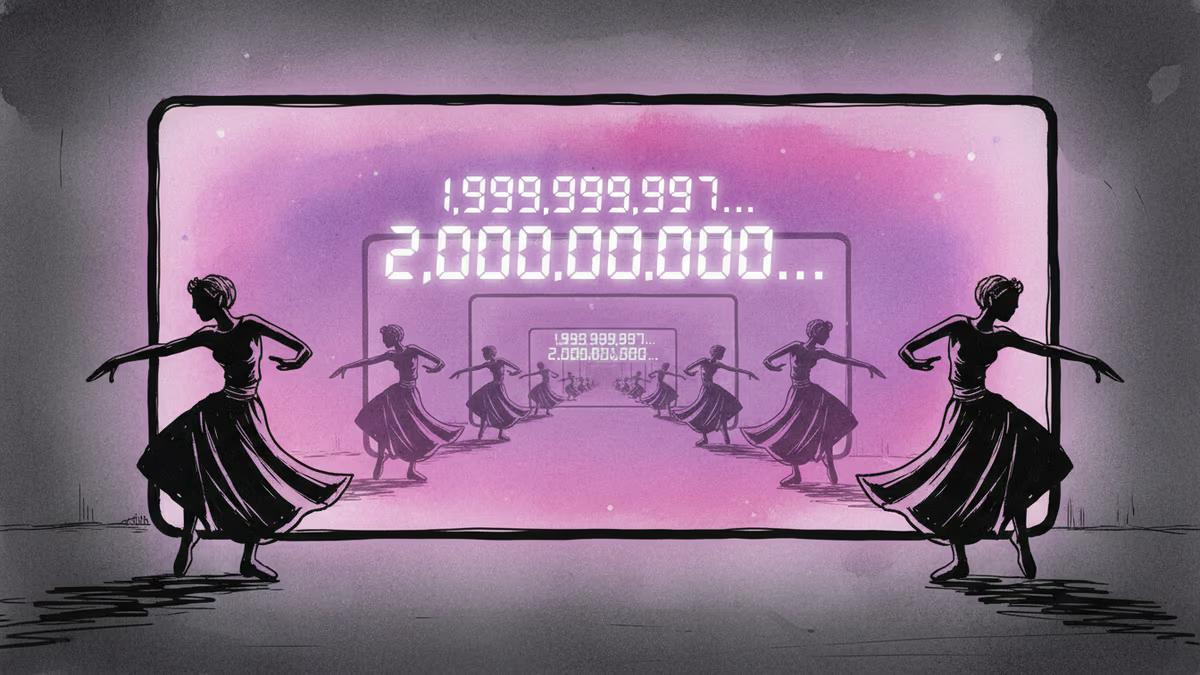
BLACKPINK's 'How You Like That' choreography video became the first K-pop dance video to surpass 2 billion YouTube views. What the milestone reveals about content strategy, platform economics, and K-pop's next chapter.
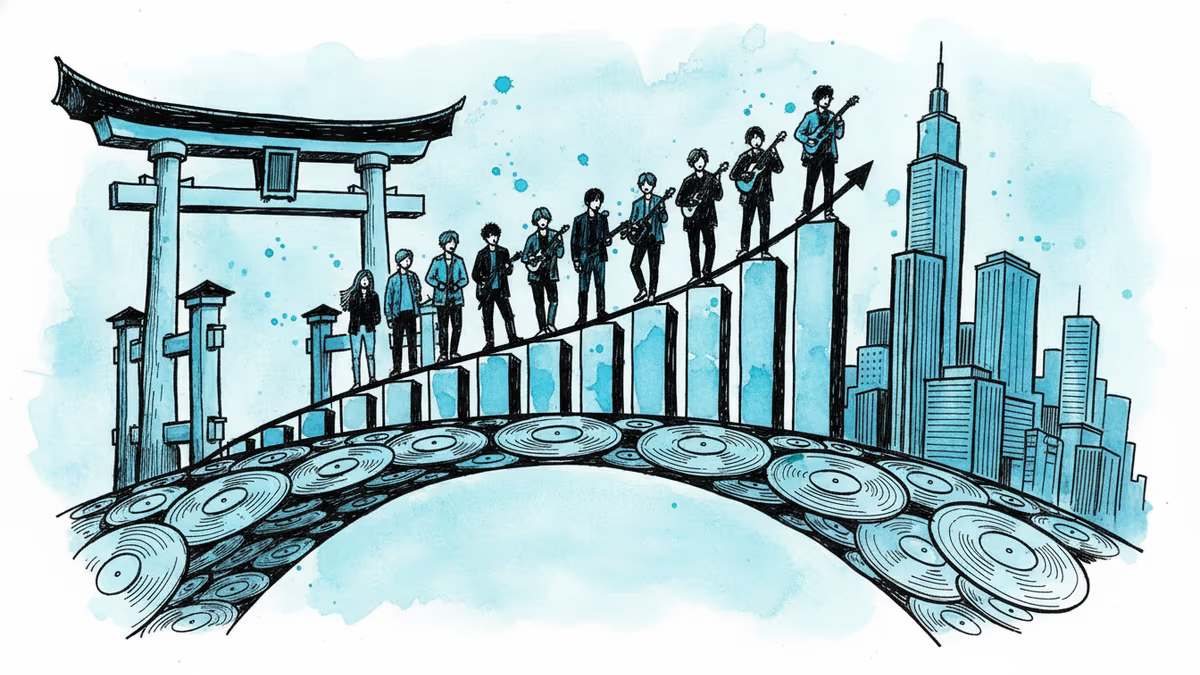
&TEAM's 'We on Fire' debuted on the Billboard 200 for the first time. Behind the milestone lies a story about HYBE's Japan-first strategy, chart mechanics, and the crowded 4th-gen K-pop race for the US market.
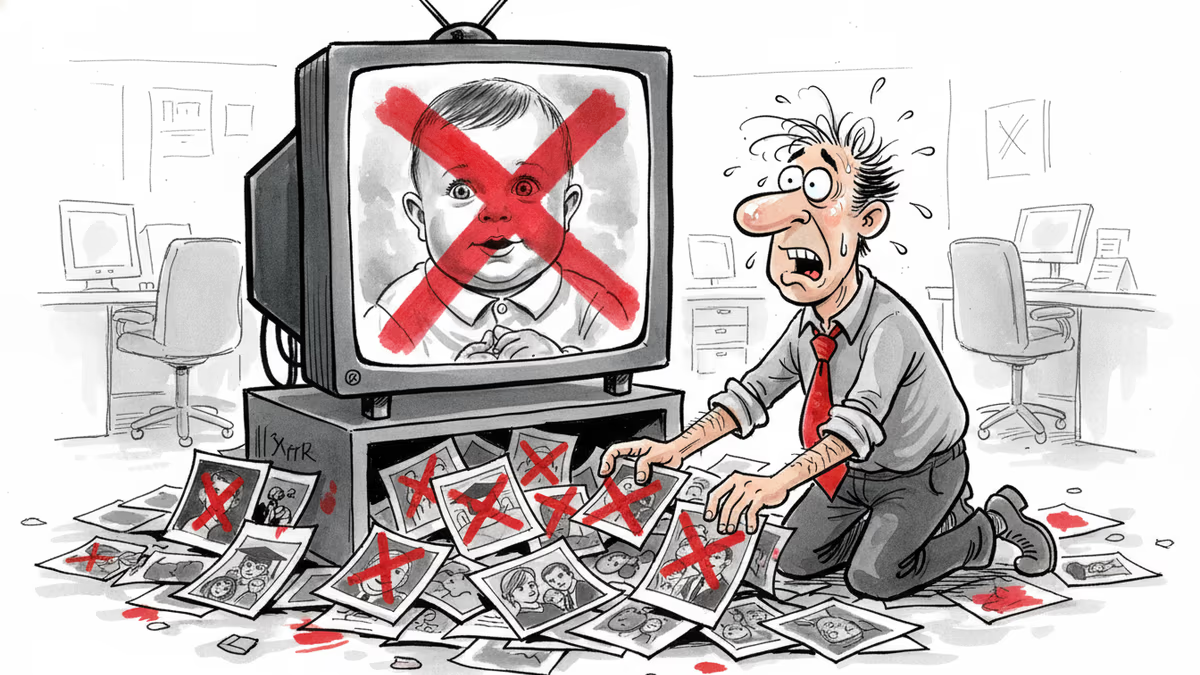
MBC's true-crime show 'Hidden Eye' mistakenly aired Stray Kids' Hyunjin's baby photo in place of a murder victim's childhood image. Five months later, an apology. What does that timeline reveal?
Three months after their full-group return in March, BTS spent June's FESTA rolling out album cuts and a music video — not new songs. Come Over cracked a global top 5 with zero new music behind it. Did the play work?
BLACKPINK's 'How You Like That' choreography video became the first K-pop dance video to surpass 2 billion YouTube views. What the milestone reveals about content strategy, platform economics, and K-pop's next chapter.
&TEAM's 'We on Fire' debuted on the Billboard 200 for the first time. Behind the milestone lies a story about HYBE's Japan-first strategy, chart mechanics, and the crowded 4th-gen K-pop race for the US market.
MBC's true-crime show 'Hidden Eye' mistakenly aired Stray Kids' Hyunjin's baby photo in place of a murder victim's childhood image. Five months later, an apology. What does that timeline reveal?
Thoughts
Share your thoughts on this article
Sign in to join the conversation