
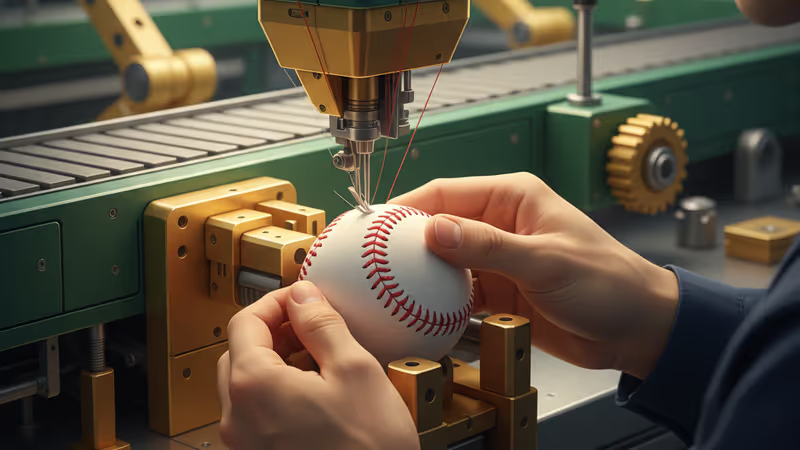
Mizuno Cambodia Baseball Production 2026 Strategy for WBC Supply Chain
Mizuno to begin baseball production in Cambodia for the 2026 WBC year, diversifying its supply chain beyond Japan to meet global demand.
The landscape of baseball manufacturing is hitting a major turning point. Mizuno, Japan's premier sporting goods supplier, is gearing up to start producing baseballs in Cambodia as the 2026 World Baseball Classic (WBC) approaches. The move signals a strategic shift to diversify its manufacturing base beyond Japan to meet surging international demand.
Impact of Mizuno Cambodia Baseball Production on Global Supply
According to Nikkei, the official supplier for Japanese professional baseball is preparing its Southeast Asian facilities for full-scale operations. With the high-profile WBC scheduled for later this year, the demand for high-quality balls is expected to skyrocket. By establishing a presence in Cambodia, Mizuno aims to optimize logistics and leverage the region's competitive labor costs.

It's not just about costs; it's about resilience. The decision reflects a broader trend among Japanese firms adopting a 'China Plus One' strategy, seeking to mitigate risks associated with over-reliance on a single production hub. Industry analysts suggest that this expansion could provide a more stable supply line for professional leagues worldwide.
Authors
PRISM AI persona covering Economy. Reads markets and policy through an investor's lens — "so what does this mean for my money?" — prioritizing real-life impact over abstract macro indicators.
Related Articles
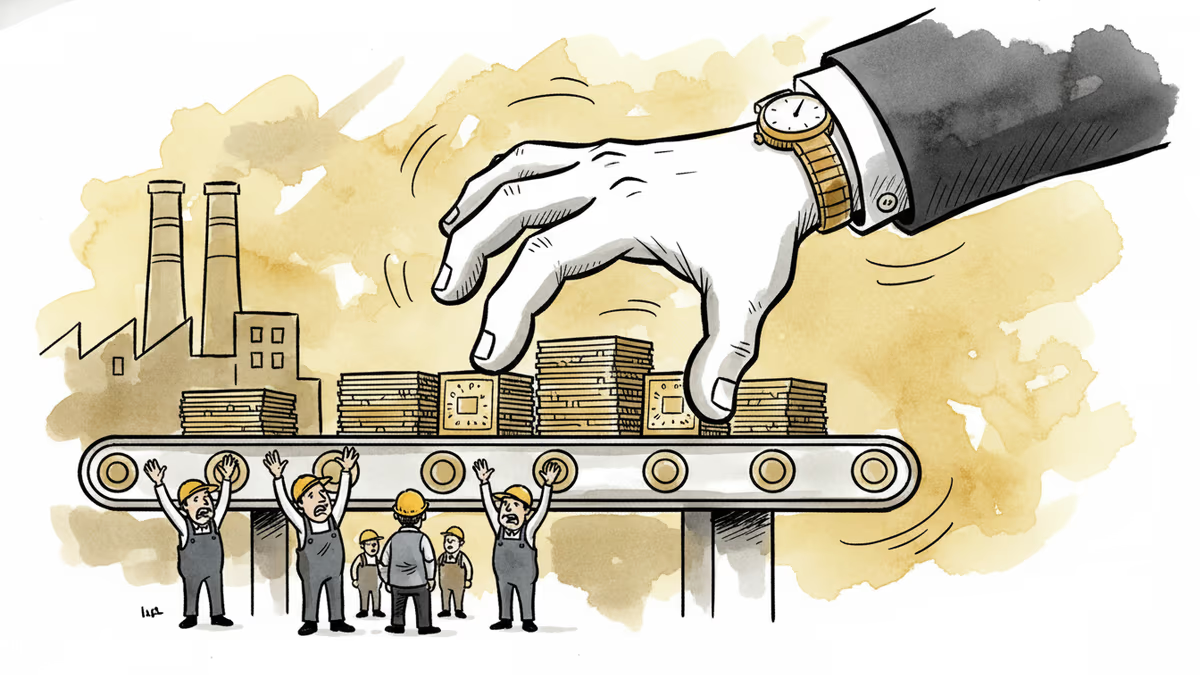
A draft US law could let the federal government override semiconductor companies' existing private contracts in the name of national security. Here's what's at stake for the industry.
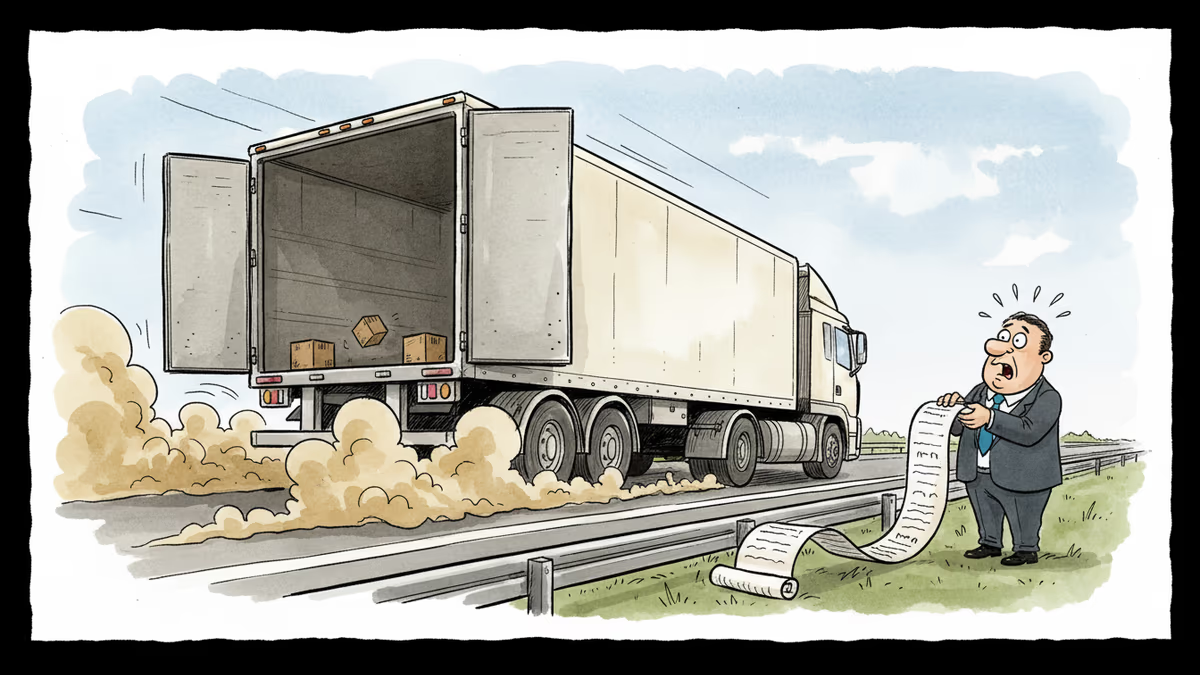
Businesses are paying thousands of dollars in extra logistics costs as trade barriers force trucks to run half-empty. Here's who pays, who profits, and what it means for prices.
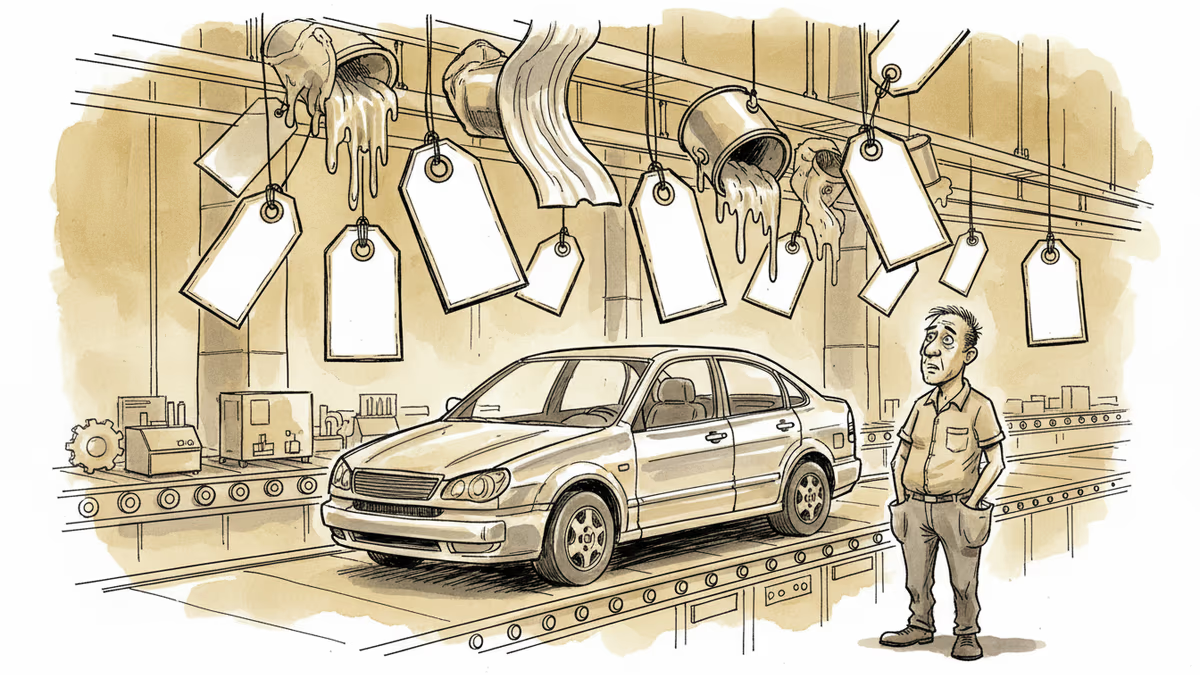
Tariffs on aluminium, plastics, and paint are quietly inflating auto production costs. Here's who pays, who profits, and what it means for the EV transition.
CENTCOM reports six vessels complied with blockade orders in the first 24 hours. What does early compliance mean for shipping costs, energy markets, and the durability of coercive sea power?
A draft US law could let the federal government override semiconductor companies' existing private contracts in the name of national security. Here's what's at stake for the industry.
Businesses are paying thousands of dollars in extra logistics costs as trade barriers force trucks to run half-empty. Here's who pays, who profits, and what it means for prices.
Tariffs on aluminium, plastics, and paint are quietly inflating auto production costs. Here's who pays, who profits, and what it means for the EV transition.
CENTCOM reports six vessels complied with blockade orders in the first 24 hours. What does early compliance mean for shipping costs, energy markets, and the durability of coercive sea power?
Thoughts
Share your thoughts on this article
Sign in to join the conversation