
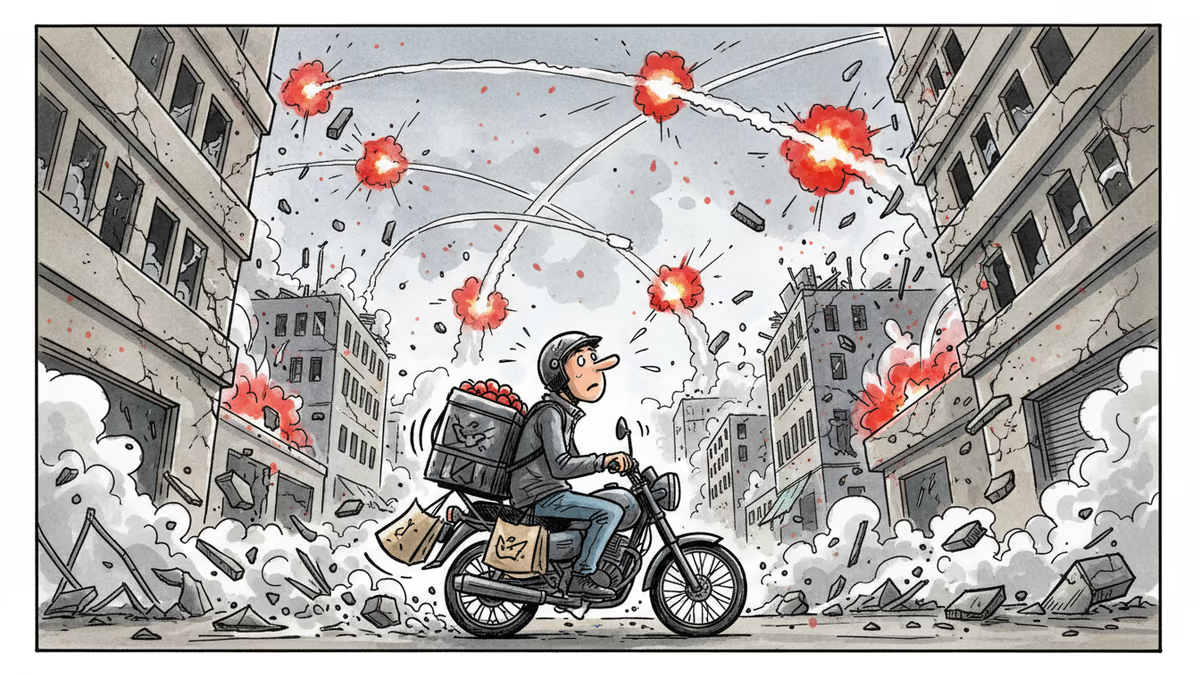
When Missiles Fall, Deliveries Still Come
Middle East delivery apps keep running through conflict zones. Essential service or worker exploitation? The thin line between necessity and safety.
The Algorithm Doesn't Stop for War
58 injured, 3 dead. That's the toll from missile and drone attacks in the UAE since February 28. Yet Careem, Uber Eats, and Deliveroo keep their apps running. Orders ping through phones as interception systems light up the sky above.
Their logic is straightforward: "People staying indoors need food and essentials more than ever. We're an essential service."
Careem reported surging demand for pantry staples—water, rice, pasta, fresh produce. The UAE government recommended remote work from March 1-3 for private sector employees. More people at home meant more delivery orders.
But the human cost of keeping the gig economy spinning through conflict raises uncomfortable questions about who bears the risk when convenience meets crisis.
The Penalty for Saying No
A Deliveroo driver, speaking anonymously, revealed the bind many riders face: "If I refuse to work, the logistics agency fines me. Same if I don't meet my daily delivery quota."
Most delivery platforms operate on a base salary plus per-delivery fee structure. Uber Eats pays for each pickup and drop-off, plus per-mile rates and customer tips. Some cities add per-minute rates. Every refused order directly impacts earnings.
The math is brutal: risk your safety or sacrifice your income.

This driver said he'd received no safety guidelines from the company regarding ongoing missile strikes—a stark contrast to Careem's public statements about "real-time safety assessments."
Essential Workers or Expendable Labor?
Delivery riders gained "essential worker" status during COVID-19. The International Labour Organization classified them as crucial for ensuring access to food, medicine, and daily necessities during crises.
Historically, "essential" work emerged during plagues—gravediggers during Europe's Black Death, rice farmers during the Spanish Flu to prevent famine. But modern "essential" has evolved beyond survival to maintaining normalcy and preventing panic buying.
That burden falls disproportionately on migrant workers who power the gig economy.
Online debates rage: Critics argue platforms endanger riders. Defenders counter that not ordering forces drivers to work longer hours to meet quotas, keeping them outside longer.
The Normalization Machine
Platforms frame continued operations as civic duty. Uber emphasized "monitoring the situation in real-time" while maintaining "strict alignment with local government recommendations." Careem stressed that captains "are not required to be online if they have concerns."
Yet the economic incentives tell a different story. When your income depends on completed deliveries, how free is the choice to stay offline?
The apps briefly went down Saturday after the first attacks, then quickly resumed. The message was clear: disruption is temporary, service is eternal.
Authors
Related Articles
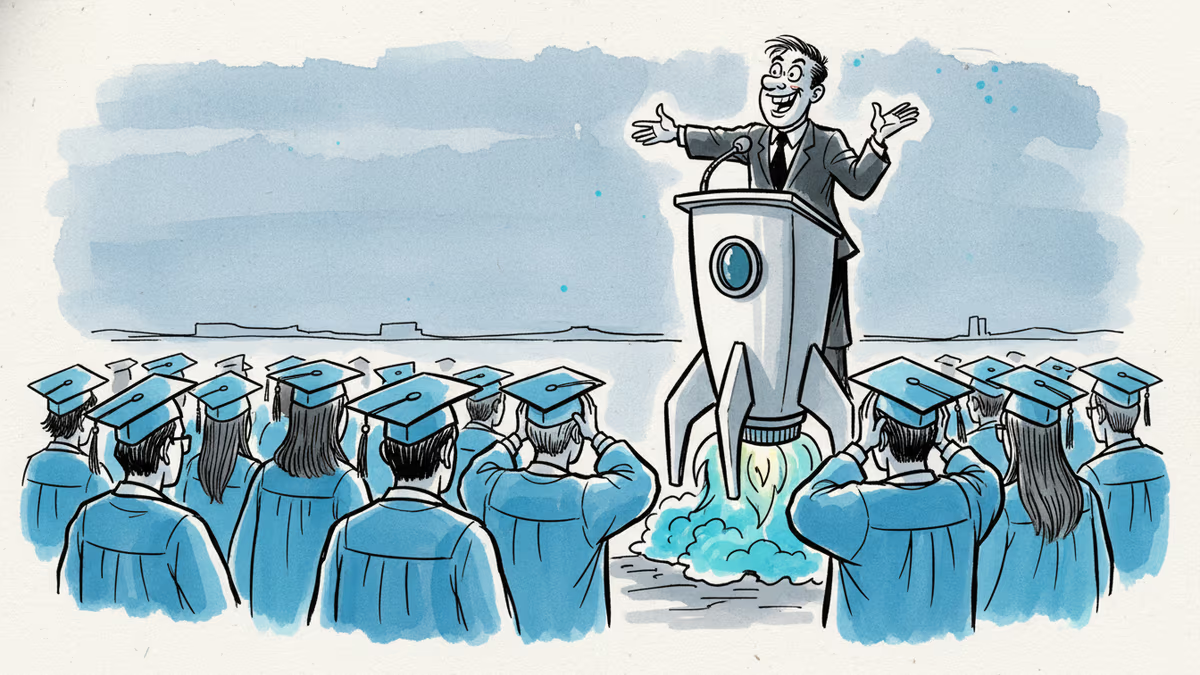
Two commencement speakers learned the hard way that AI enthusiasm doesn't land well with today's graduates. The backlash reveals a widening gap between tech optimism and Gen Z's economic reality.
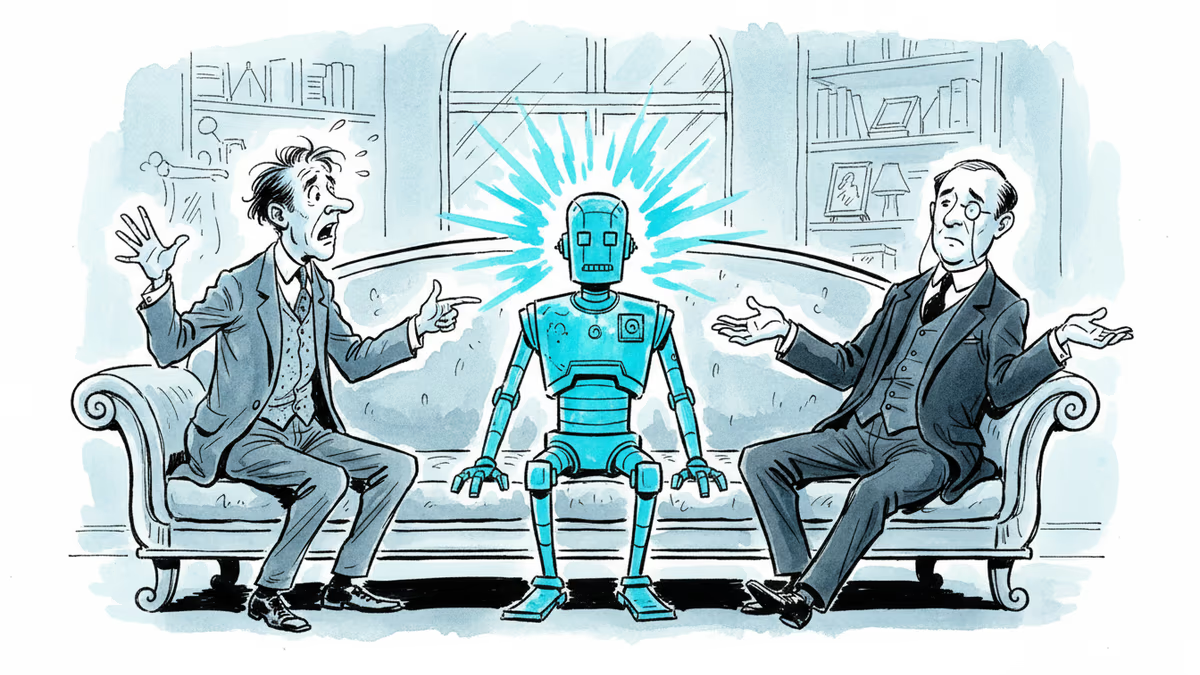
At his OpenAI trial, Elon Musk testified under oath about a falling-out with Larry Page over AI safety. The story reveals how personal philosophy shapes billion-dollar industries.
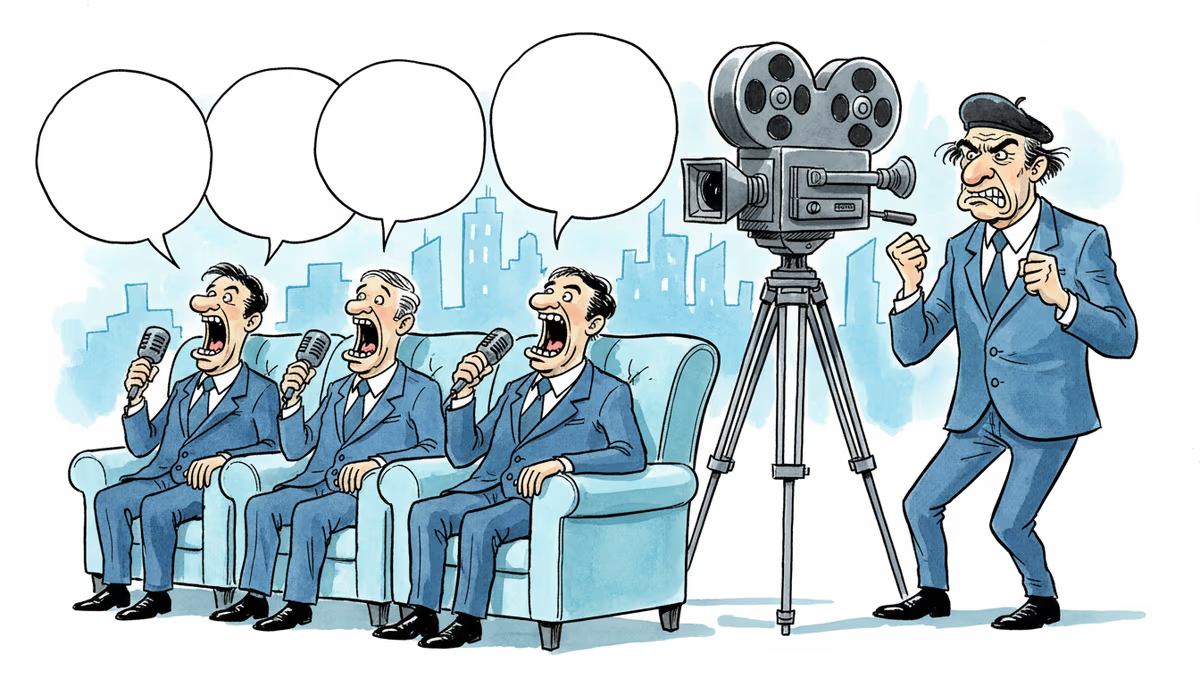
Sam Altman, Dario Amodei, and Demis Hassabis all appear in a new documentary about AI's future. The access is impressive. The answers are not. A critical look at what the film reveals—and avoids.
Apple's MacBook Neo enters the affordable laptop market at $599 — a price point the company once ignored. Here's what it means for consumers, competitors, and the PC market.
Two commencement speakers learned the hard way that AI enthusiasm doesn't land well with today's graduates. The backlash reveals a widening gap between tech optimism and Gen Z's economic reality.
At his OpenAI trial, Elon Musk testified under oath about a falling-out with Larry Page over AI safety. The story reveals how personal philosophy shapes billion-dollar industries.
Sam Altman, Dario Amodei, and Demis Hassabis all appear in a new documentary about AI's future. The access is impressive. The answers are not. A critical look at what the film reveals—and avoids.
Apple's MacBook Neo enters the affordable laptop market at $599 — a price point the company once ignored. Here's what it means for consumers, competitors, and the PC market.
Thoughts
Share your thoughts on this article
Sign in to join the conversation