

Is Your Data Truly Private? Microsoft BitLocker FBI Recovery Keys Handed Over
Microsoft handed over BitLocker recovery keys to the FBI for a federal case. Learn about the privacy risks of default cloud encryption storage in 2026.
Think your encrypted laptop is a digital fortress? Think again. Forbes reported that Microsoft provided the FBI with recovery keys to unlock 3 encrypted laptops as part of a federal fraud investigation. It's a revelation that's reigniting the fierce debate over default cloud backups and user privacy.
The Default Trap: Microsoft BitLocker FBI Recovery Keys
Most modern Windows computers use BitLocker full-disk encryption by default. While it's designed to keep thieves out, Microsoft often uploads these recovery keys to its cloud servers automatically. This creates a convenient way for users to recover lost data, but it also gives the tech giant—and law enforcement—a master key to your private files.

An Industry Outlier in Security
Microsoft told Forbes it receives an average of 20 such requests per year. However, cryptography expert Matthew Green argues that this practice makes the company a security outlier in 2026. "Microsoft’s inability to secure critical customer keys is starting to make it an outlier from the rest of the industry," Green noted, highlighting that malicious hackers could potentially breach the cloud and steal these keys.
Authors
Related Articles
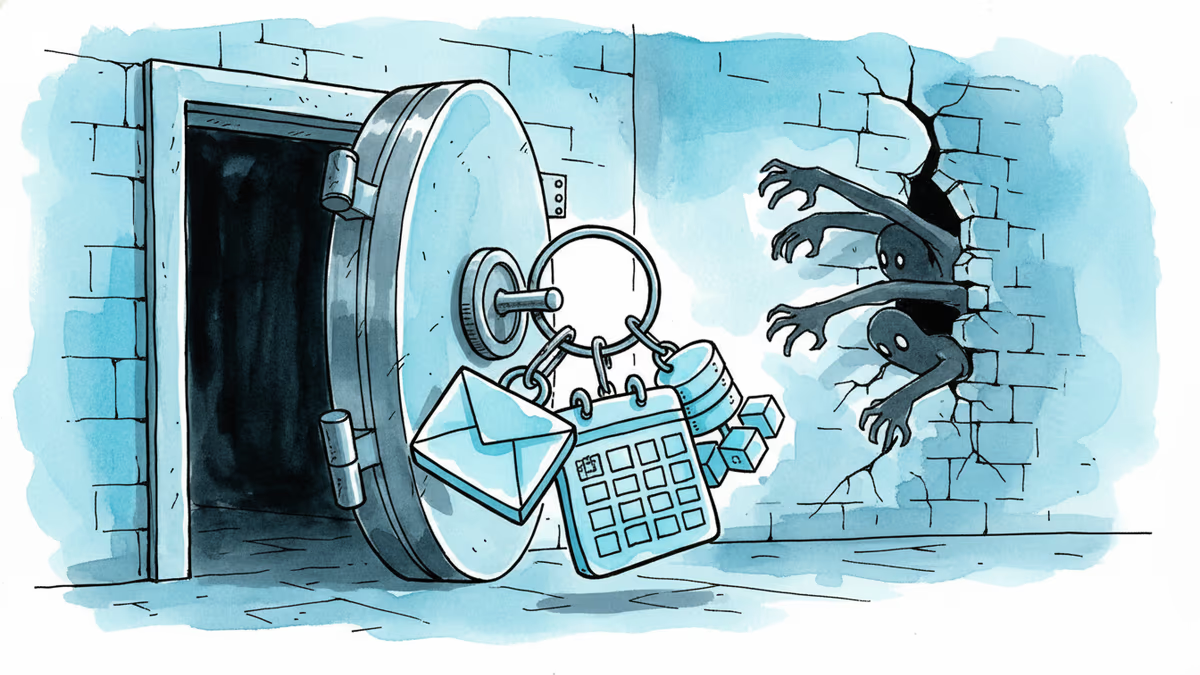
A critical vulnerability in Starlette—downloaded 325 million times per week—puts millions of AI agent servers at risk, exposing stored credentials for email, databases, and third-party services.
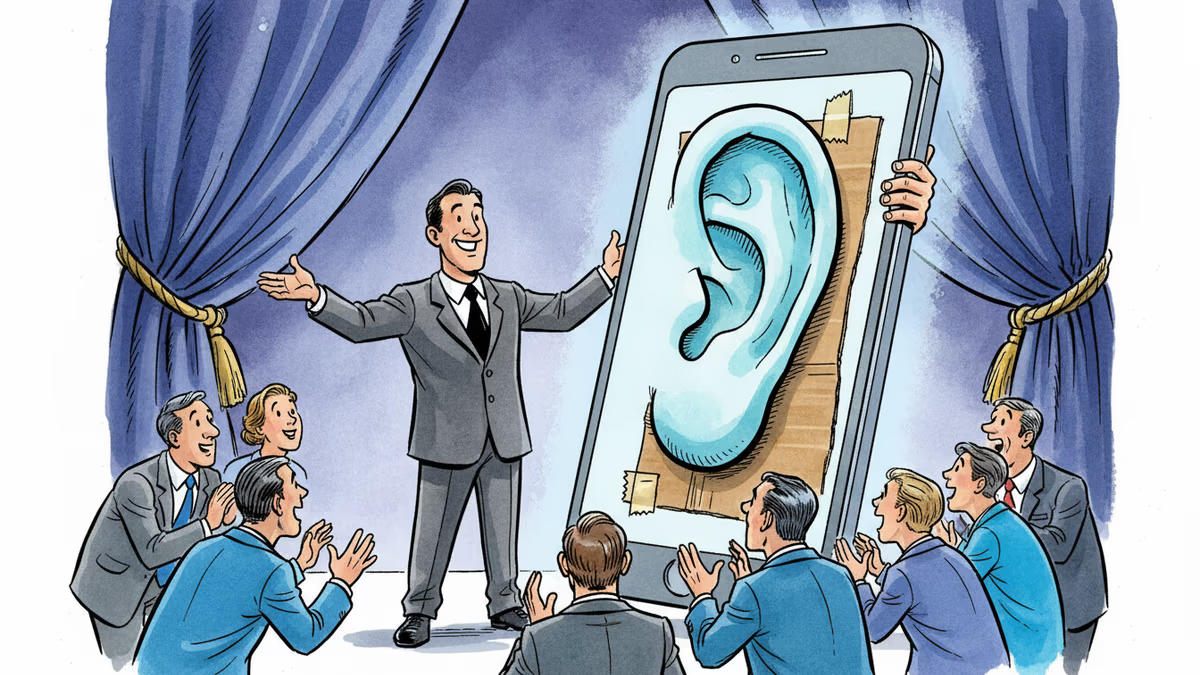
The FTC fined Cox Media and two ad firms $930,000 — not for actually eavesdropping on users, but for falsely claiming they could. The case raises uncomfortable questions about surveillance capitalism.
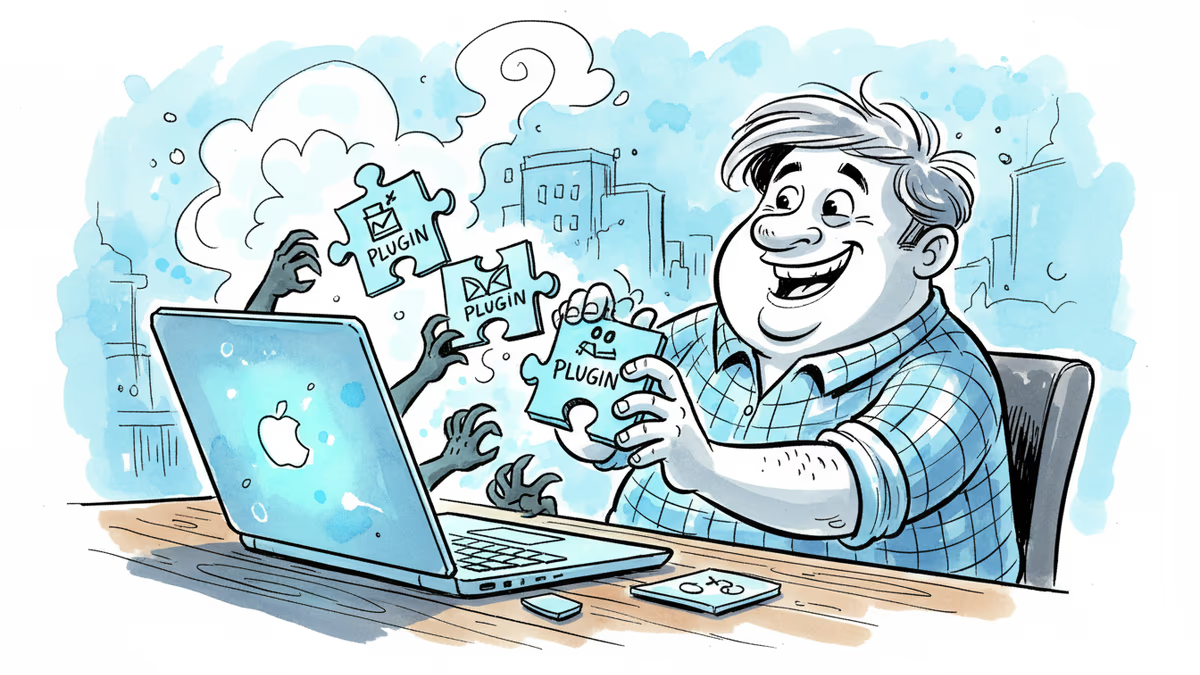
GitHub confirmed hackers stole data from 3,800 internal repositories via a poisoned VS Code extension. Here's why developer tools are now the most dangerous attack surface in tech.
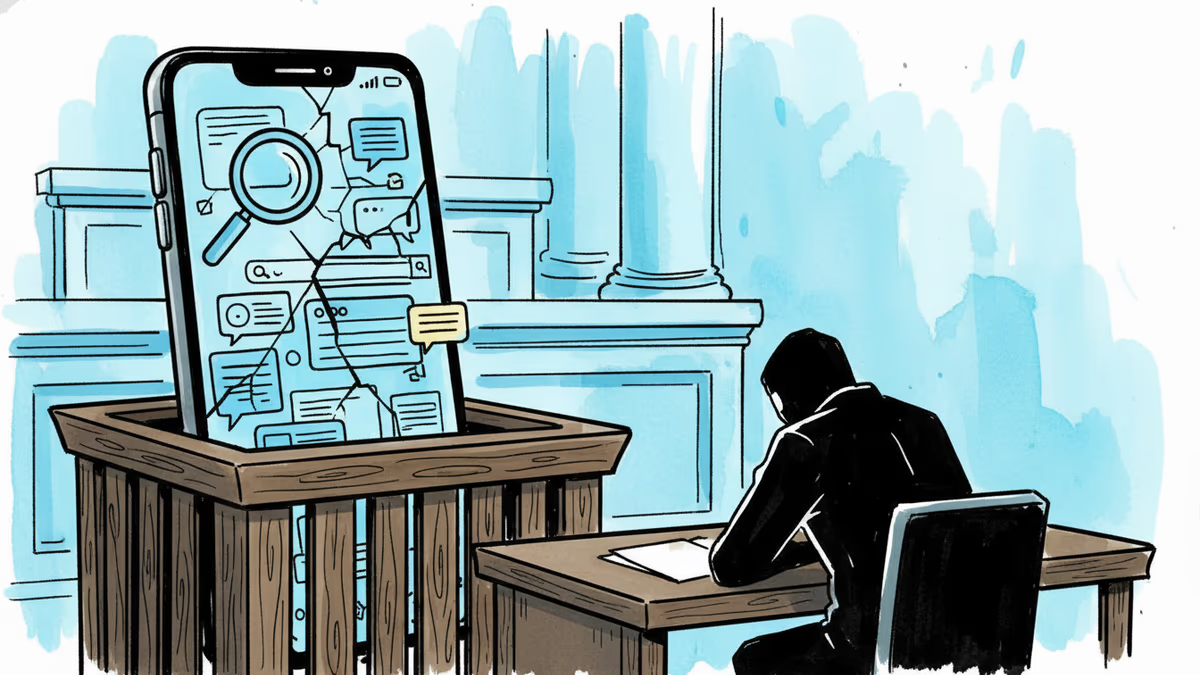
A Utah woman was sentenced to life in prison partly because of her Google searches and deleted texts. The Kouri Richins case reveals how digital footprints have become the courtroom's most reliable witness.
A critical vulnerability in Starlette—downloaded 325 million times per week—puts millions of AI agent servers at risk, exposing stored credentials for email, databases, and third-party services.
The FTC fined Cox Media and two ad firms $930,000 — not for actually eavesdropping on users, but for falsely claiming they could. The case raises uncomfortable questions about surveillance capitalism.
GitHub confirmed hackers stole data from 3,800 internal repositories via a poisoned VS Code extension. Here's why developer tools are now the most dangerous attack surface in tech.
A Utah woman was sentenced to life in prison partly because of her Google searches and deleted texts. The Kouri Richins case reveals how digital footprints have become the courtroom's most reliable witness.
Thoughts
Share your thoughts on this article
Sign in to join the conversation