
What Meta's $6.4M Ad Blitz Is Really Trying to Hide
Meta spent $6.4 million on ads promoting data centers in rural America. But what's the real story behind this expensive PR campaign?
$6.4 million. That's what Meta spent in the final months of 2025 on a nationwide ad campaign with one clear mission: convince Americans that data centers are good for their communities.
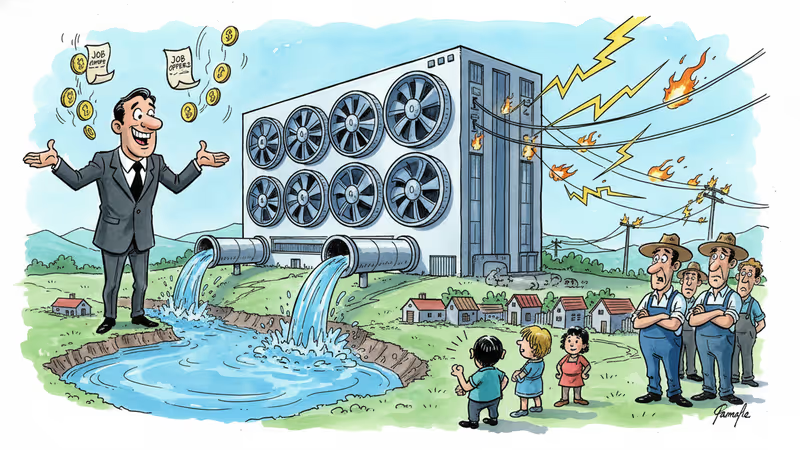
The ads tell a heartwarming story. Small towns like Altoona, Iowa, and Los Lunas, New Mexico, supposedly on the brink of disappearing, suddenly find new life thanks to Meta's data centers. Jobs are created. Communities are revitalized. Everyone wins.
But here's the thing about $6.4 million ad campaigns: companies don't spend that kind of money unless they're trying to solve a problem. And Meta's problem is bigger than these folksy videos let on.
The AI Infrastructure Reality Check
The truth is, Meta and every other tech giant are in a desperate race to build the massive computing infrastructure needed for AI. ChatGPT changed everything. Now, staying competitive means building more data centers, consuming more power, and yes, convincing more communities to welcome these facilities.
But let's talk about what these ads don't mention. Data centers, once built, are largely automated operations. Sure, there's a construction boom that creates temporary jobs. But the long-term employment? Far less impressive than the ads suggest. We're talking about facilities that can power themselves with minimal human oversight.
The real question isn't whether these data centers create jobs. It's whether the trade-off is worth it.
The Hidden Costs Nobody Talks About
As The New York Times noted, these ads take a "fairly idealistic tone." That's corporate speak for "we're not telling you the whole story."

Here's what they're not telling you: a single large data center can consume as much electricity as a small city. In regions already struggling with power grid reliability, this creates real problems for existing residents and businesses.
Then there's water usage. Cooling all those servers requires massive amounts of water—a precious resource in many of the rural areas where these facilities are being built. In drought-prone regions, this isn't just an environmental concern; it's a community survival issue.
And noise? These aren't quiet operations. The constant hum of cooling systems and generators can fundamentally change the character of small, quiet communities.
The Regulatory Reckoning Coming
Why spend $6.4 million on PR now? Because Meta can see what's coming. Local governments are starting to push back. Environmental groups are raising concerns. Residents are asking harder questions about the real impact of these facilities.
This ad campaign isn't just about building goodwill—it's about getting ahead of potential regulatory restrictions. By framing data centers as economic saviors, Meta is trying to make it politically difficult for local officials to say no.
It's a smart strategy, but it also reveals something important: if these facilities were unquestionably beneficial, would they need a $6.4 million marketing campaign?
The Bigger Picture
This isn't just about Meta. Google, Microsoft, Amazon—they're all facing the same challenge. The AI boom requires unprecedented computing power, which requires unprecedented infrastructure, which requires convincing communities to accept unprecedented changes to their way of life.
The question for policymakers and communities is whether they're getting a fair deal. Yes, there are economic benefits. But are they proportional to the costs—environmental, social, and economic?
Meta's ad campaign suggests the company isn't entirely confident in that value proposition. Otherwise, why spend so much money trying to convince people?
Authors
Related Articles
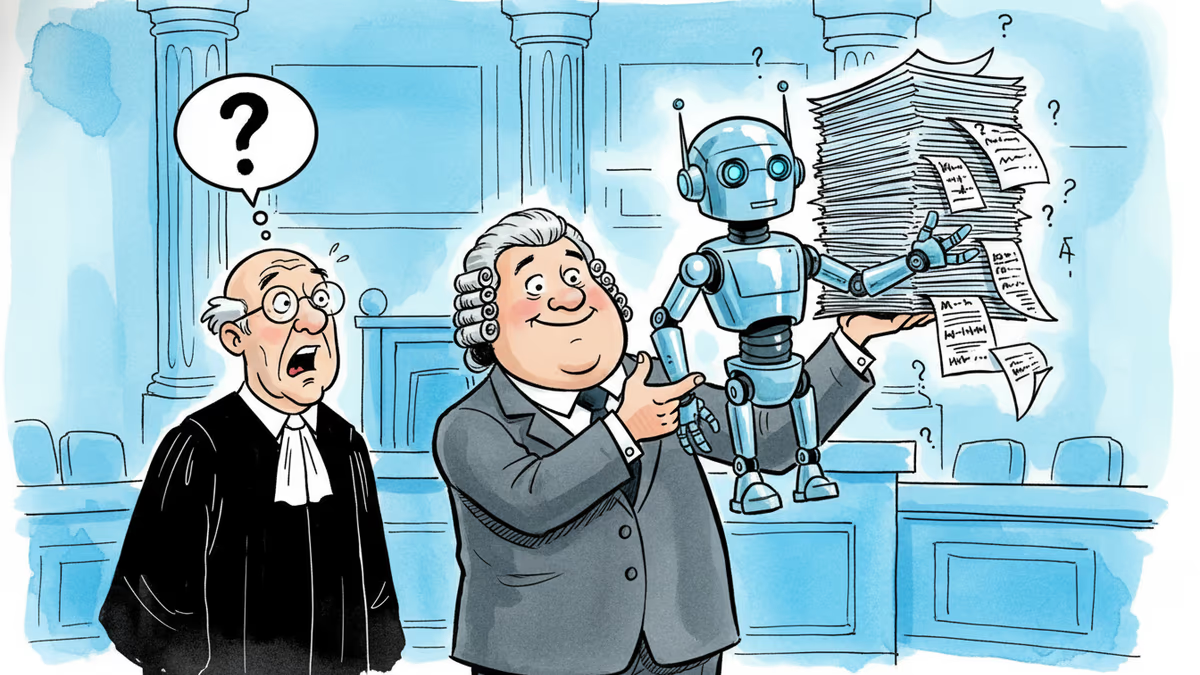
A law firm marketing itself on AI-powered legal success submitted fake citations in a federal appeal. Now its lawyers face sanctions — and the broader AI legal industry faces a credibility crisis.
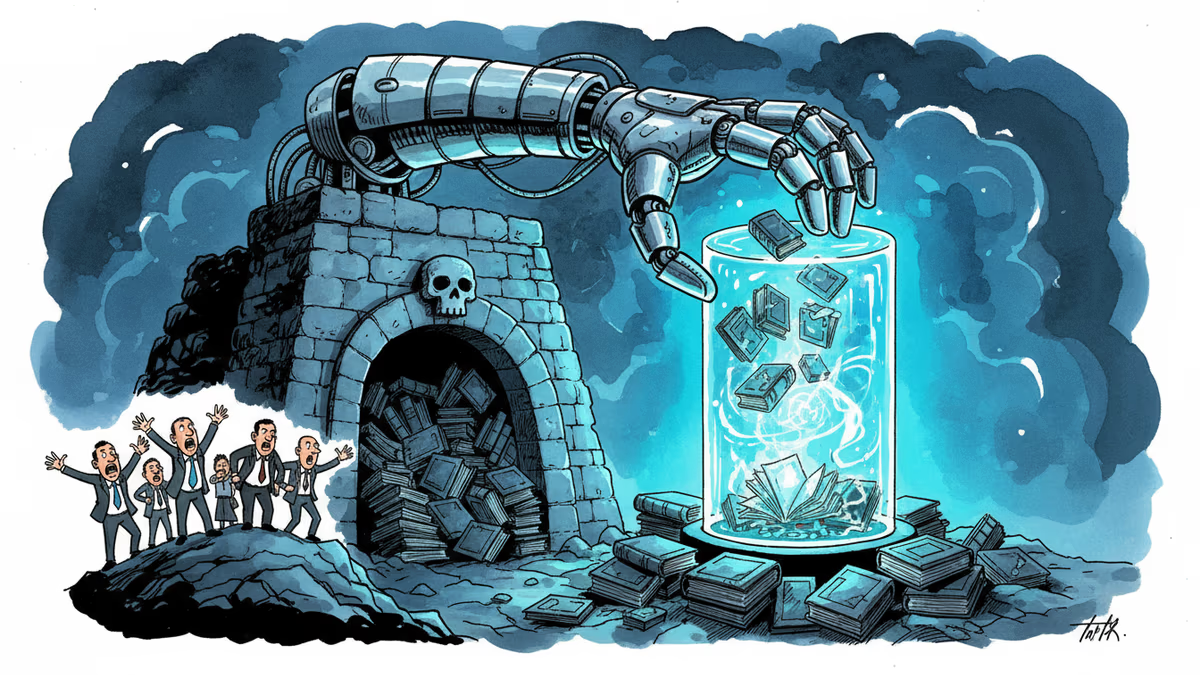
Five major publishers and author Scott Turow have filed a class action lawsuit against Meta, alleging the company used illegal pirate sites like LibGen to train its Llama AI models without permission.

New Mexico already won $375 million from Meta. Now it wants something harder to give: a court order forcing Facebook, Instagram, and WhatsApp to redesign themselves. A three-week trial starts Monday.
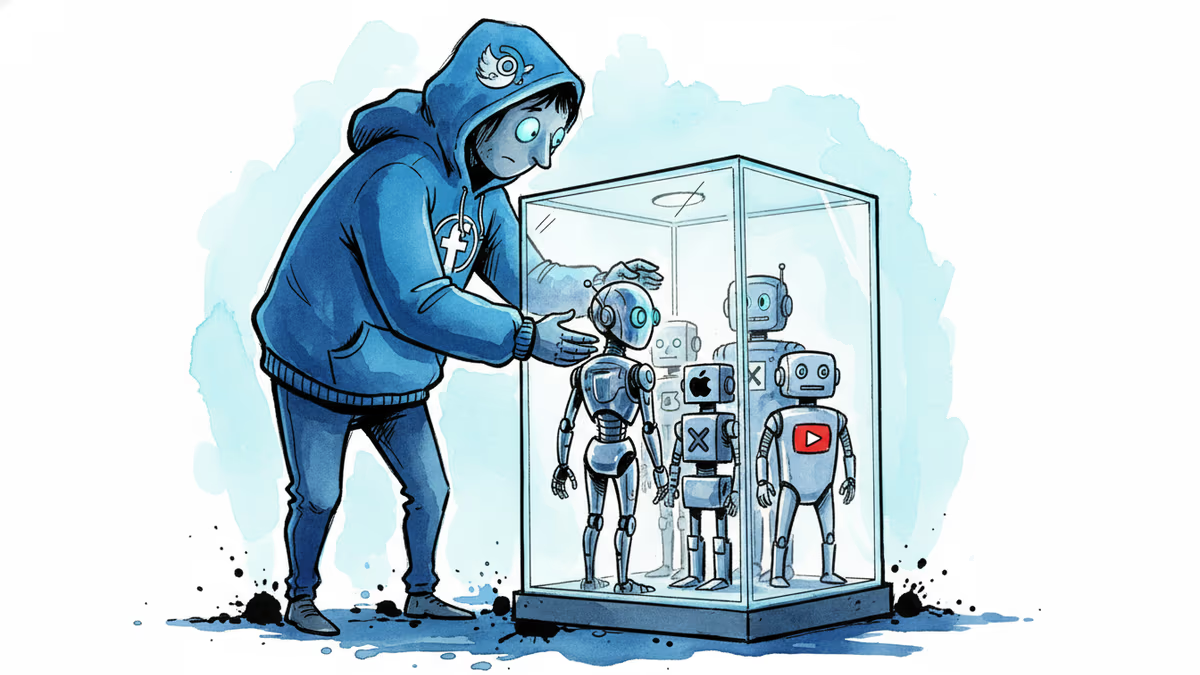
Meta acquired humanoid robotics startup ARI, adding to a Big Tech arms race in physical AI. The real prize isn't a robot product — it's a new way to train intelligence.
A law firm marketing itself on AI-powered legal success submitted fake citations in a federal appeal. Now its lawyers face sanctions — and the broader AI legal industry faces a credibility crisis.
Five major publishers and author Scott Turow have filed a class action lawsuit against Meta, alleging the company used illegal pirate sites like LibGen to train its Llama AI models without permission.
New Mexico already won $375 million from Meta. Now it wants something harder to give: a court order forcing Facebook, Instagram, and WhatsApp to redesign themselves. A three-week trial starts Monday.
Meta acquired humanoid robotics startup ARI, adding to a Big Tech arms race in physical AI. The real prize isn't a robot product — it's a new way to train intelligence.
Thoughts
Share your thoughts on this article
Sign in to join the conversation