

Why Meta's Premium Push Signals the End of Free Social Media
Meta plans premium subscriptions for Instagram, Facebook, and WhatsApp with AI features. Analysis of the shift from ad-based to subscription revenue models in social media.
Meta is preparing to launch premium subscription services for Instagram, Facebook, and WhatsApp in the coming months, marking a significant shift in how the social media giant generates revenue. While core services will remain free, users will soon be able to pay for expanded AI capabilities and premium features that promise "more productivity and creativity."
The new subscriptions will operate separately from the existing Meta Verified service launched in 2023. For Instagram, premium features are expected to include unlimited audience lists and the ability to see which accounts you follow aren't following you back—tools that could prove valuable for creators and businesses managing their social presence.
The Ad Revenue Reality Check
Meta's pivot toward subscriptions isn't happening in a vacuum. Despite boasting 3.8 billion monthly active users across its platforms, the company faces mounting pressure on its advertising business. Apple's iOS privacy changes have made targeted advertising less effective, while economic uncertainty has led advertisers to tighten their budgets.
Subscription revenue offers something advertising can't: predictability. Unlike ad revenue that fluctuates with market conditions and regulatory changes, subscriptions provide steady monthly income that's easier to forecast and scale. Companies like Netflix and Spotify have proven this model works at massive scale.
Why AI Becomes the Premium Hook
Positioning AI features as premium offerings is particularly strategic. The success of ChatGPT Plus demonstrated that consumers are willing to pay for advanced AI capabilities. Meta's own Llama AI models can power everything from enhanced content creation tools to sophisticated audience analytics.

AI features also have attractive economics for Meta. While expensive to develop initially, they can be deployed to millions of users with minimal additional costs. This creates a high-margin revenue stream that scales efficiently—exactly what investors want to see.
The Broader Industry Implications
Meta's move signals a broader industry shift away from the ad-supported free model that has dominated social media for over a decade. Twitter's transformation into X with premium tiers, YouTube's expanded Premium offerings, and now Meta's subscription push all point to the same conclusion: the free internet is becoming less free.
This trend raises important questions about digital equity. If premium features become essential for business success on these platforms, will smaller creators and businesses be left behind? The risk of creating a two-tiered system where paying users get better reach and tools could fundamentally change the social media landscape.
What This Means for Users and Businesses
For individual users, the immediate impact may be minimal—core features will remain free. But for businesses, creators, and power users, the calculus is more complex. Premium tools could provide competitive advantages, but they also represent new costs that need to be weighed against potential returns.
The success of these subscriptions will largely depend on Meta's ability to demonstrate clear value. Users need to see tangible benefits that justify the monthly expense. This means the AI features and premium tools must genuinely enhance productivity and results, not just add bells and whistles.
Regulators will also be watching closely. As Meta diversifies its revenue streams, it may face new scrutiny about market dominance and fair competition. Premium features could be seen as giving the company additional leverage over users and competitors.
Authors
Related Articles
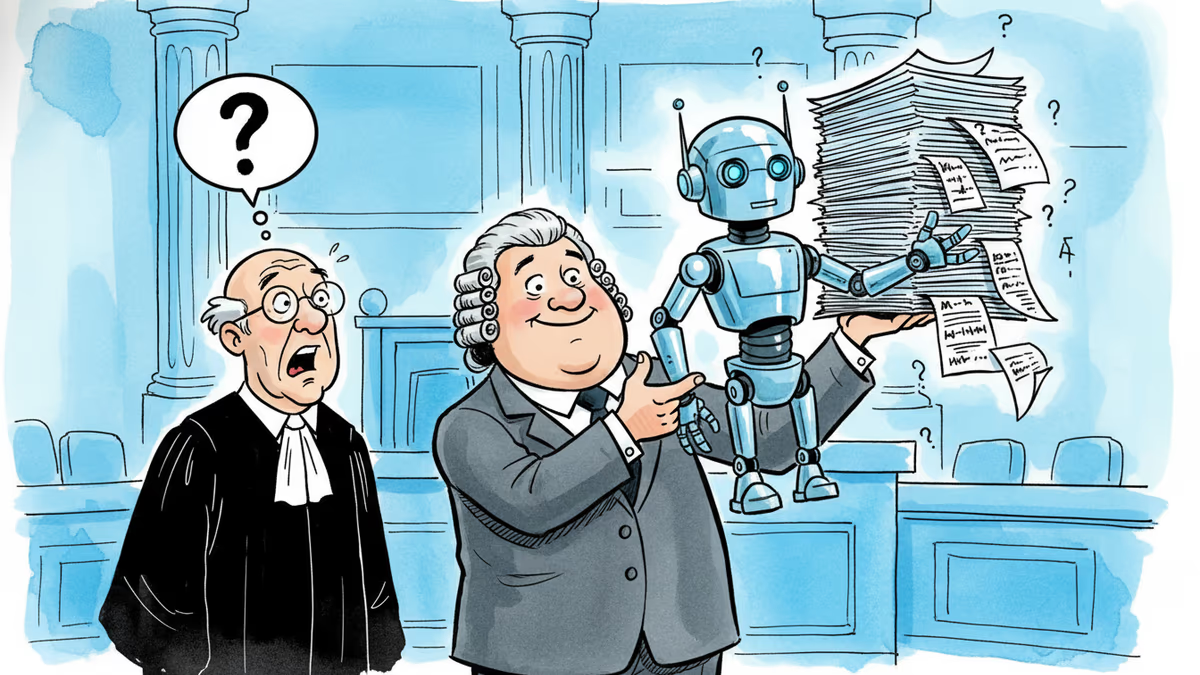
A law firm marketing itself on AI-powered legal success submitted fake citations in a federal appeal. Now its lawyers face sanctions — and the broader AI legal industry faces a credibility crisis.
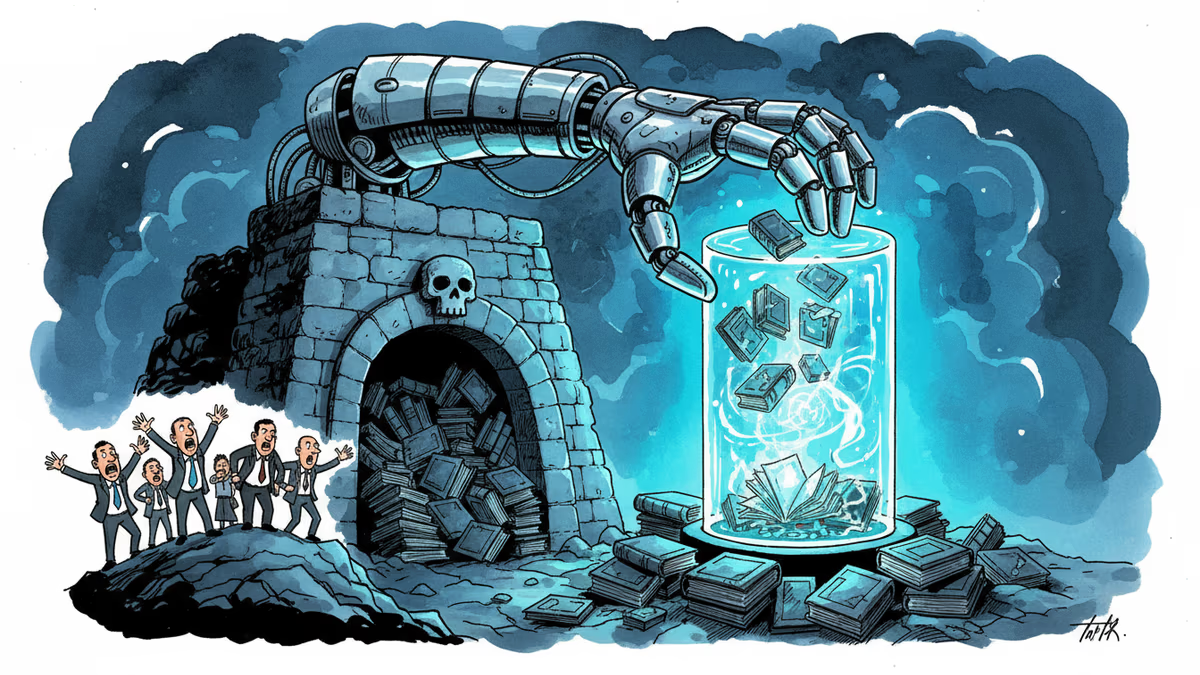
Five major publishers and author Scott Turow have filed a class action lawsuit against Meta, alleging the company used illegal pirate sites like LibGen to train its Llama AI models without permission.
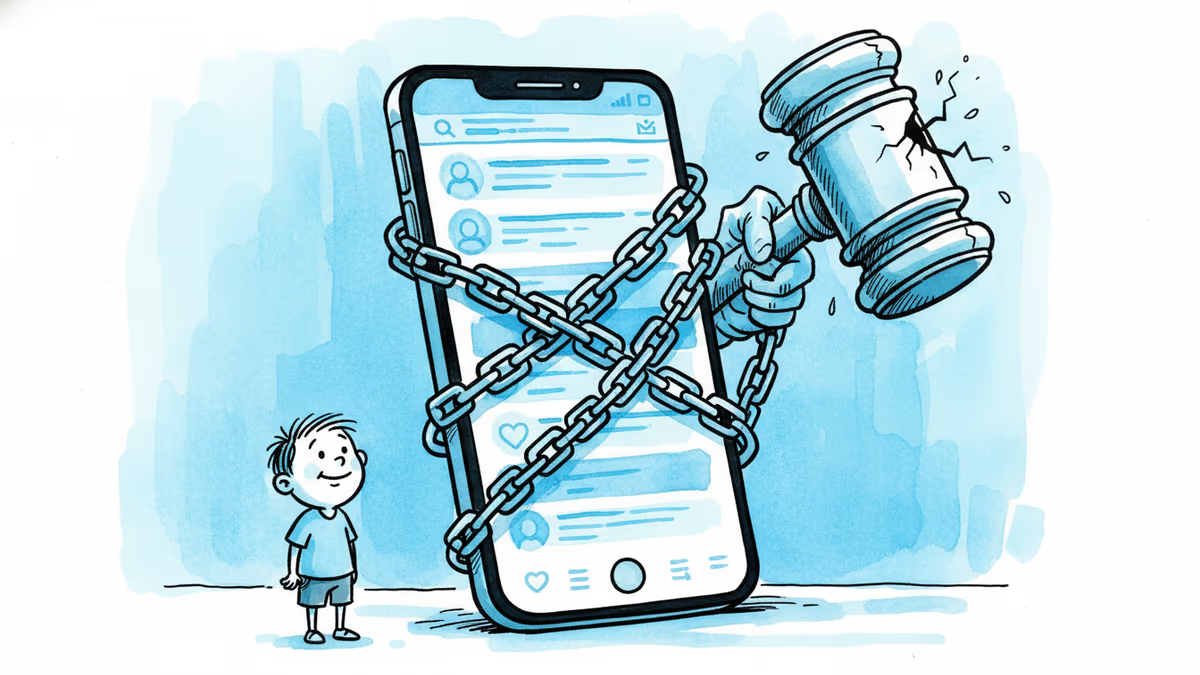
New Mexico already won $375 million from Meta. Now it wants something harder to give: a court order forcing Facebook, Instagram, and WhatsApp to redesign themselves. A three-week trial starts Monday.
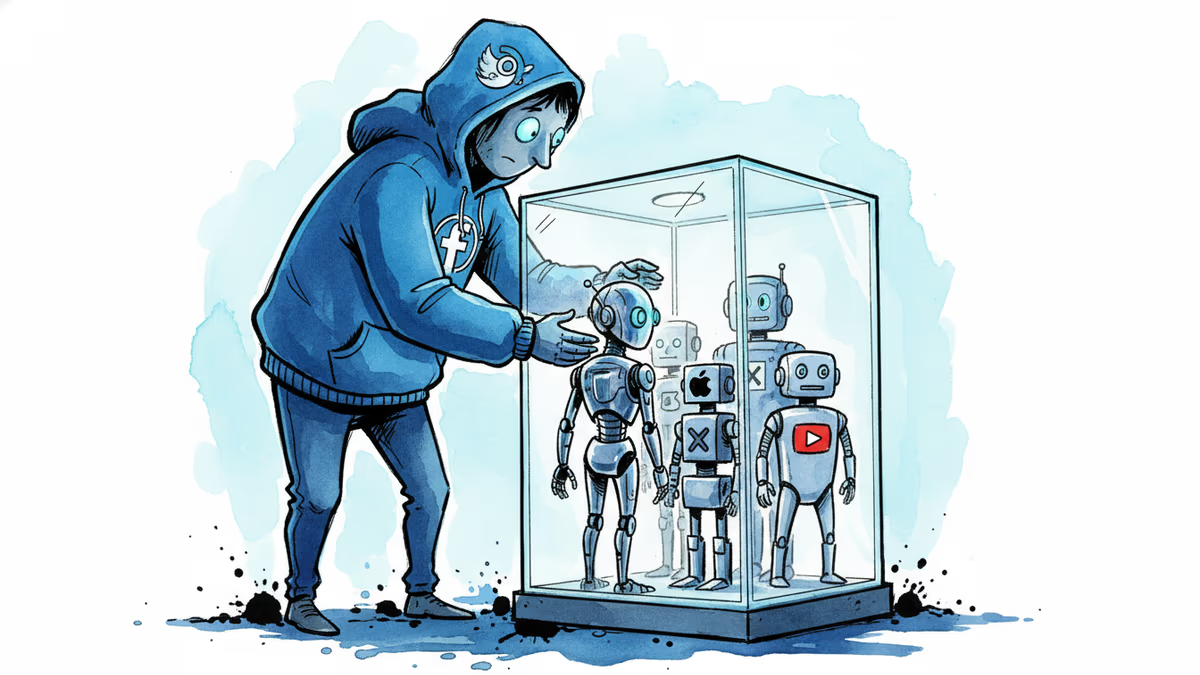
Meta acquired humanoid robotics startup ARI, adding to a Big Tech arms race in physical AI. The real prize isn't a robot product — it's a new way to train intelligence.
A law firm marketing itself on AI-powered legal success submitted fake citations in a federal appeal. Now its lawyers face sanctions — and the broader AI legal industry faces a credibility crisis.
Five major publishers and author Scott Turow have filed a class action lawsuit against Meta, alleging the company used illegal pirate sites like LibGen to train its Llama AI models without permission.
New Mexico already won $375 million from Meta. Now it wants something harder to give: a court order forcing Facebook, Instagram, and WhatsApp to redesign themselves. A three-week trial starts Monday.
Meta acquired humanoid robotics startup ARI, adding to a Big Tech arms race in physical AI. The real prize isn't a robot product — it's a new way to train intelligence.
Thoughts
Share your thoughts on this article
Sign in to join the conversation