
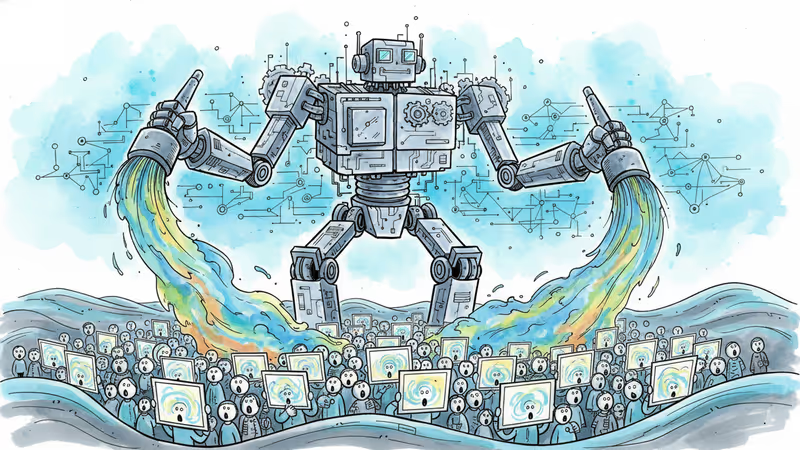
Meta's New Dream: AI-Generated Social Feeds
Zuckerberg shifts focus from metaverse to AI-generated content as the next major media format. What this means for social media's future.
Ten years ago, we opened Facebook to see our friends' photos. Five years ago, we launched Instagram to watch influencer videos. So what will we be consuming five years from now? Mark Zuckerberg thinks he knows: content created in real-time by artificial intelligence.
From Metaverse to AI Feeds
During Wednesday's earnings call, Zuckerberg painted a clear picture of Meta's new direction. Gone are the grandiose metaverse promises. Instead, AI-generated social feeds will become the next major media format.
"We started with text, and then moved to photos when we got phones with cameras, and then moved to video when mobile networks got fast enough," Zuckerberg explained. "Soon, we'll see an explosion of new media formats that are more immersive and interactive, and only possible because of advances in AI."
Current apps "feel like algorithms that recommend content," he noted, but the future lies in AI directly creating content rather than just curating it.
The Creator Economy Disruption
This shift could fundamentally reshape the creator economy. If AI can generate personalized content tailored to individual users' preferences, what happens to human creators? The implications are staggering: millions of content creators worldwide could find themselves competing not just with each other, but with algorithms that never sleep, never have creative blocks, and can produce infinite variations.

For platforms like TikTok, YouTube, and emerging competitors, this presents both opportunity and existential threat. Those who master AI-generated content could dominate engagement metrics, while those who don't risk obsolescence.
Privacy vs. Personalization Trade-off
AI-generated personalized content requires unprecedented data collection. To create truly customized feeds, platforms need deep insights into users' preferences, behaviors, emotions, and even subconscious desires. This raises critical questions about privacy boundaries that regulators worldwide are already grappling with.
European data protection authorities have been increasingly aggressive about AI governance. The EU's AI Act, which comes into full effect in 2025, could significantly constrain how platforms implement these AI-driven features. Meanwhile, U.S. lawmakers are watching closely, especially given growing bipartisan concerns about big tech's data practices.
The Authenticity Crisis
Perhaps the most profound question isn't technical but philosophical: what happens to authentic human connection when our feeds are populated by AI-generated content? Social media originally promised to connect us with real people sharing real experiences. If that content becomes algorithmically optimized rather than genuinely human, are we still being "social"?
Early research suggests users can develop emotional attachments to AI-generated content, sometimes preferring it to human-created material because it's more consistently engaging. But this efficiency comes at a cost that we're only beginning to understand.
What role should authenticity play in our digital lives when artificial intelligence can create more engaging content than most humans?
Authors
Related Articles

Samsung and SK unveiled a chip and AI investment package worth thousands of trillions of won on June 29. The headline number swings wildly by outlet, but the real contest isn't capital — it's water and power.
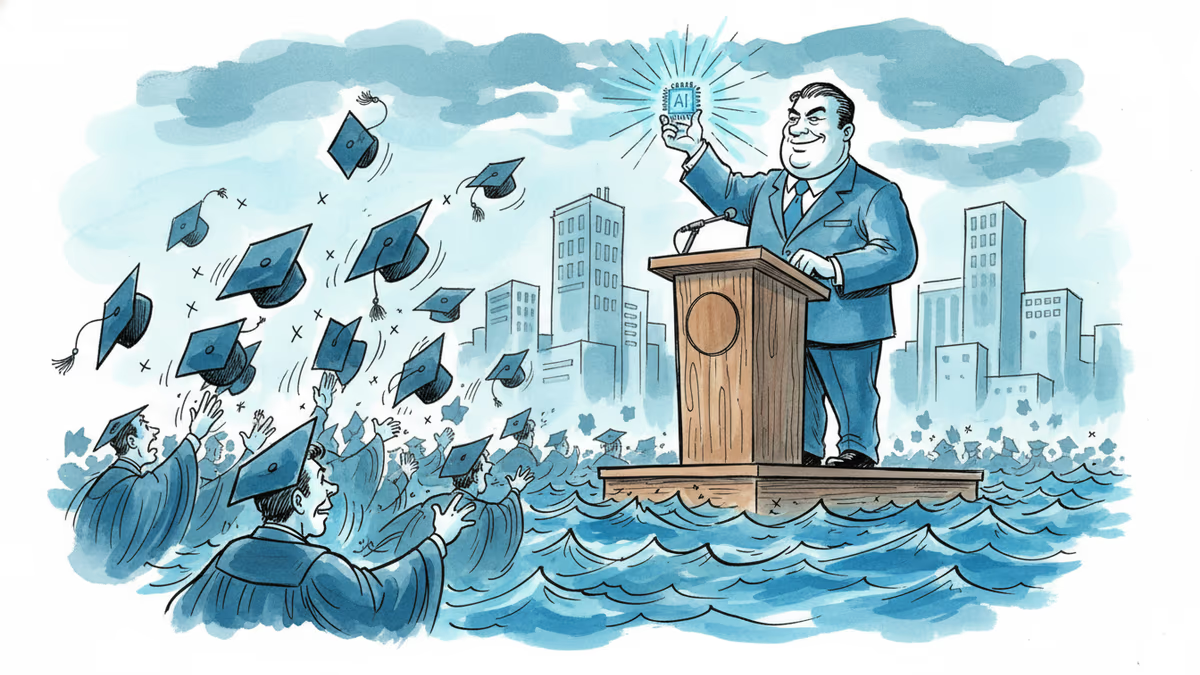
Viral videos show 2026 graduates jeering executives who praise AI at commencement ceremonies. It's not just rudeness — it's a signal about who pays for technological optimism.
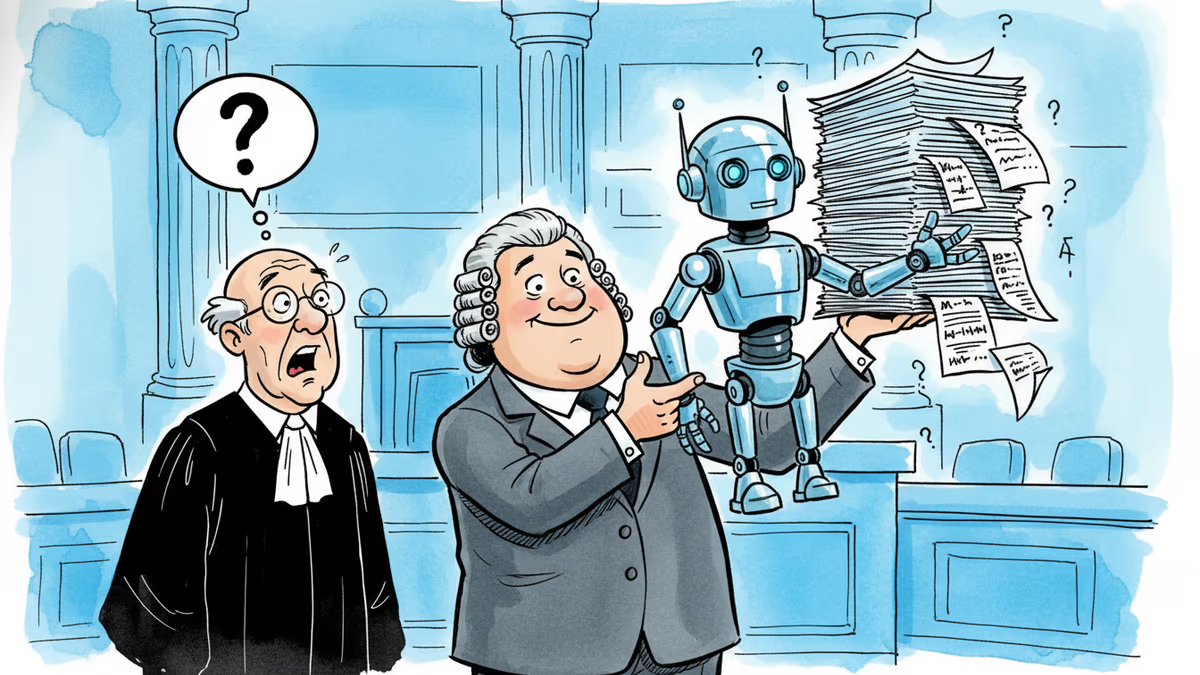
A law firm marketing itself on AI-powered legal success submitted fake citations in a federal appeal. Now its lawyers face sanctions — and the broader AI legal industry faces a credibility crisis.
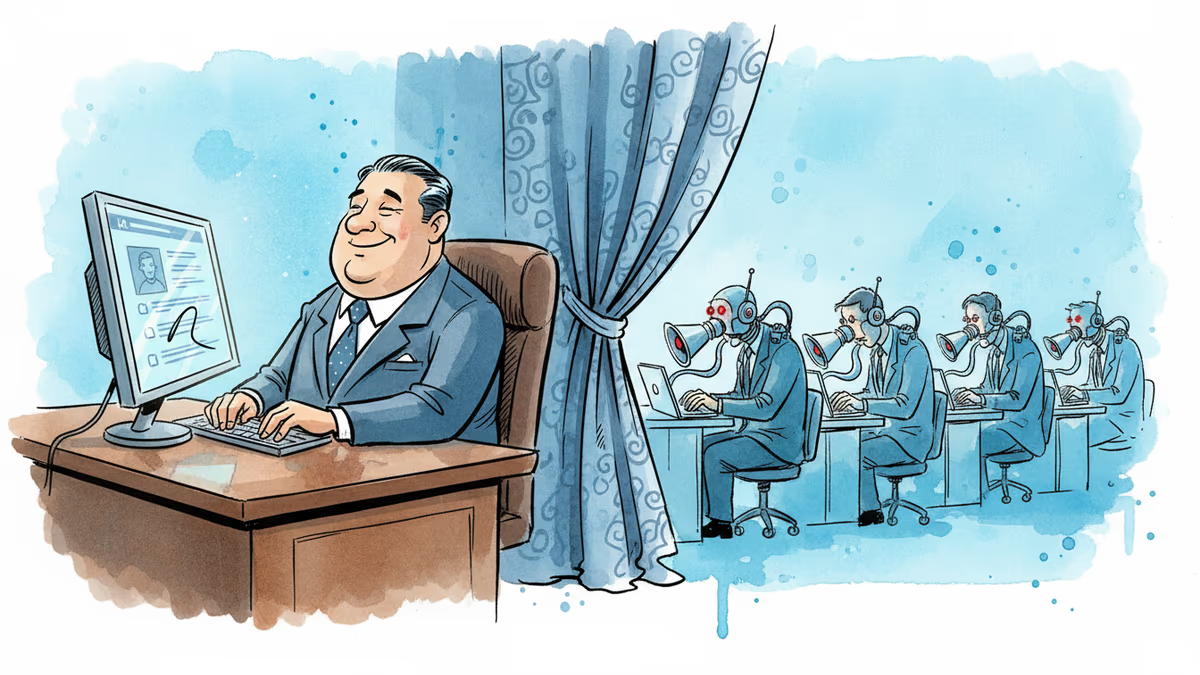
Filipino virtual assistants using AI to ghost-manage LinkedIn profiles for executives is now a structured industry. 30 comments a day, fake engagement rings, and a platform struggling to tell real from fabricated.
Samsung and SK unveiled a chip and AI investment package worth thousands of trillions of won on June 29. The headline number swings wildly by outlet, but the real contest isn't capital — it's water and power.
Viral videos show 2026 graduates jeering executives who praise AI at commencement ceremonies. It's not just rudeness — it's a signal about who pays for technological optimism.
A law firm marketing itself on AI-powered legal success submitted fake citations in a federal appeal. Now its lawyers face sanctions — and the broader AI legal industry faces a credibility crisis.
Filipino virtual assistants using AI to ghost-manage LinkedIn profiles for executives is now a structured industry. 30 comments a day, fake engagement rings, and a platform struggling to tell real from fabricated.
Thoughts
Share your thoughts on this article
Sign in to join the conversation