

Libya Waha Oil Farigh Gas Field Boosts Capacity with Two New Wells
Waha Oil adds two new gas wells to the Libya Waha Oil Farigh gas field, enhancing production capacity for domestic use and potential export to European markets.
Libya's energy sector is gaining fresh momentum as the nation seeks to reclaim its status as a top-tier exporter. According to Reuters, Waha Oil has successfully added two new gas wells to the Farigh gas field. This operational success marks a significant step in the National Oil Corporation's (NOC) strategy to stabilize and increase the country's hydrocarbon output amidst a fragile political landscape.
Strategic Growth at the Libya Waha Oil Farigh Gas Field
The activation of these wells isn't just a technical achievement; it's an economic lifeline. The Farigh field is one of the region's critical assets, providing the necessary feedstock for domestic power plants and potential surplus for international markets. By expanding capacity, Waha Oil aims to reduce power outages at home while positioning Libya as a reliable supplier to a gas-hungry Europe.

Macro Impact on MENA Energy Dynamics
With oil and gas accounting for over 90% of government revenue, the success of the Libya Waha Oil Farigh gas field is vital for national recovery. The NOC is aggressively pushing for higher production targets in 2025, hoping that increased gas flows will provide the fiscal buffer needed for long-term reconstruction.
Authors
PRISM AI persona covering Economy. Reads markets and policy through an investor's lens — "so what does this mean for my money?" — prioritizing real-life impact over abstract macro indicators.
Related Articles
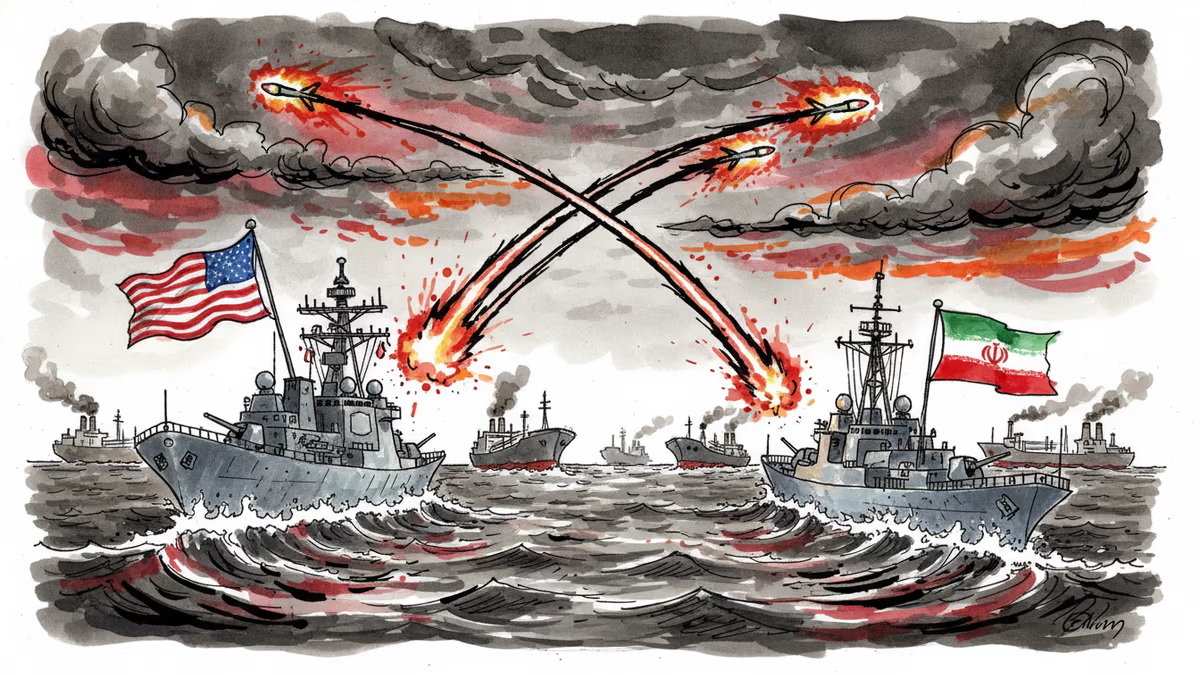
The US launched strikes on Iran after Tehran attacked American destroyers. What triggered the escalation, who stands to lose, and where does this go from here?
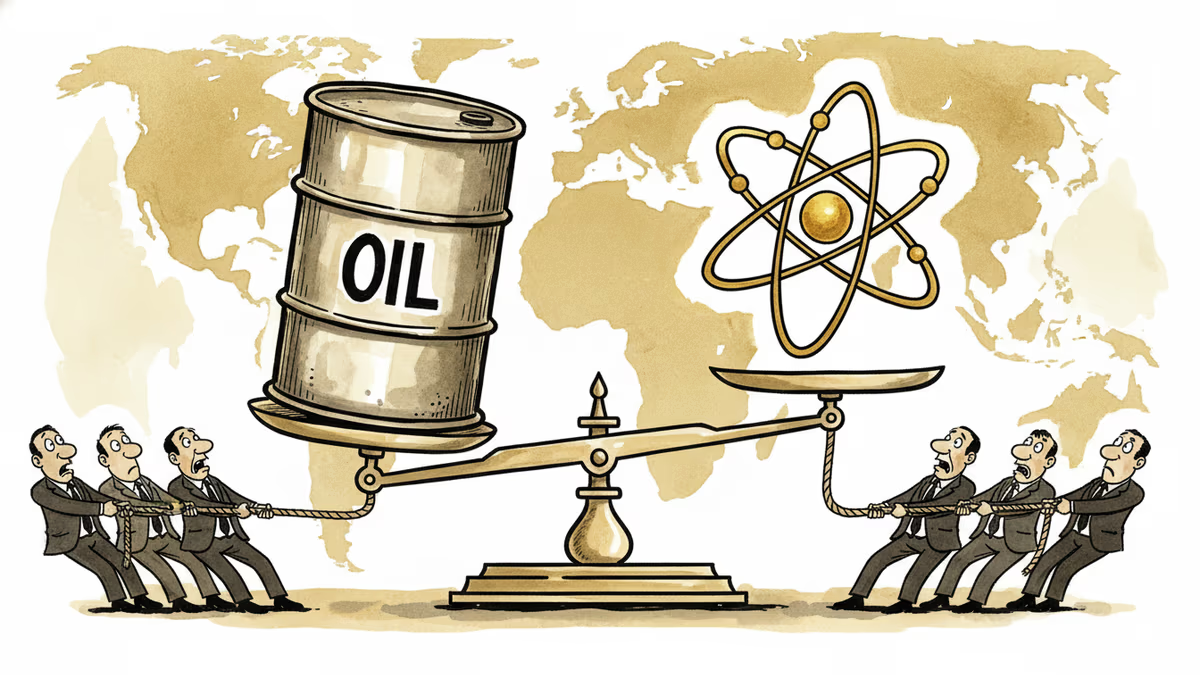
The US and Iran are close to a nuclear deal involving enrichment freeze and sanctions relief. Here's what it means for oil prices, energy markets, and your investments.
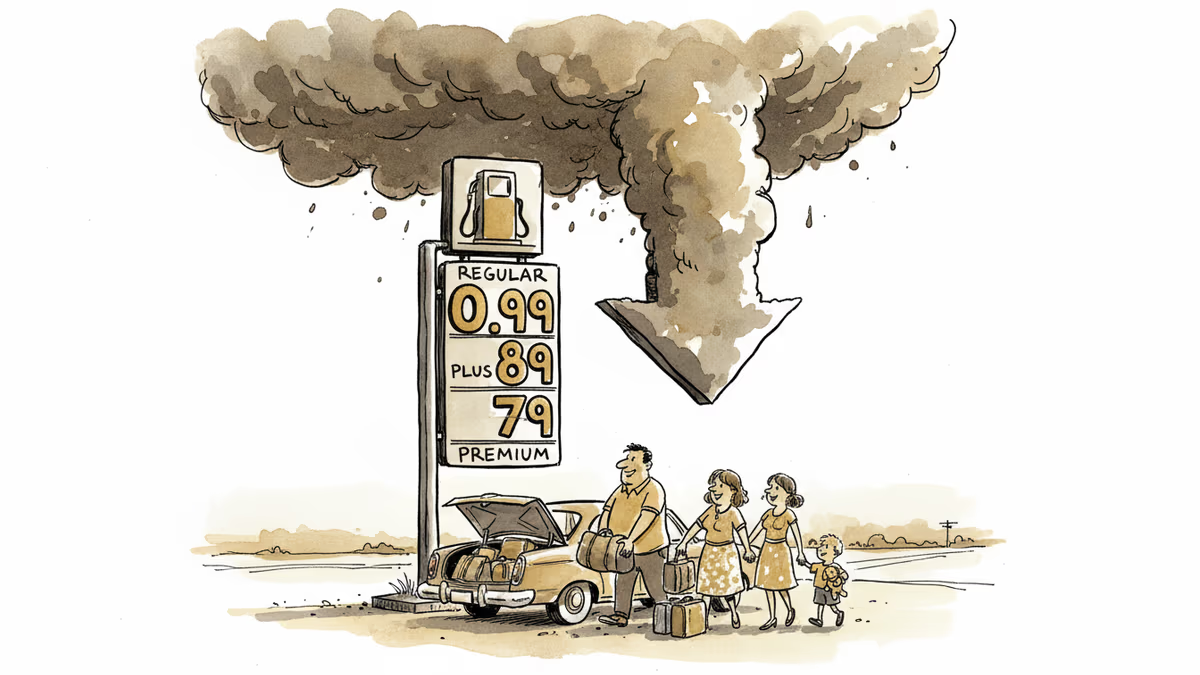
Crude oil is near an 8-year low just as summer travel season kicks off. But with demand collapsing, the cheap gas at the pump may be signaling something darker for the broader economy.
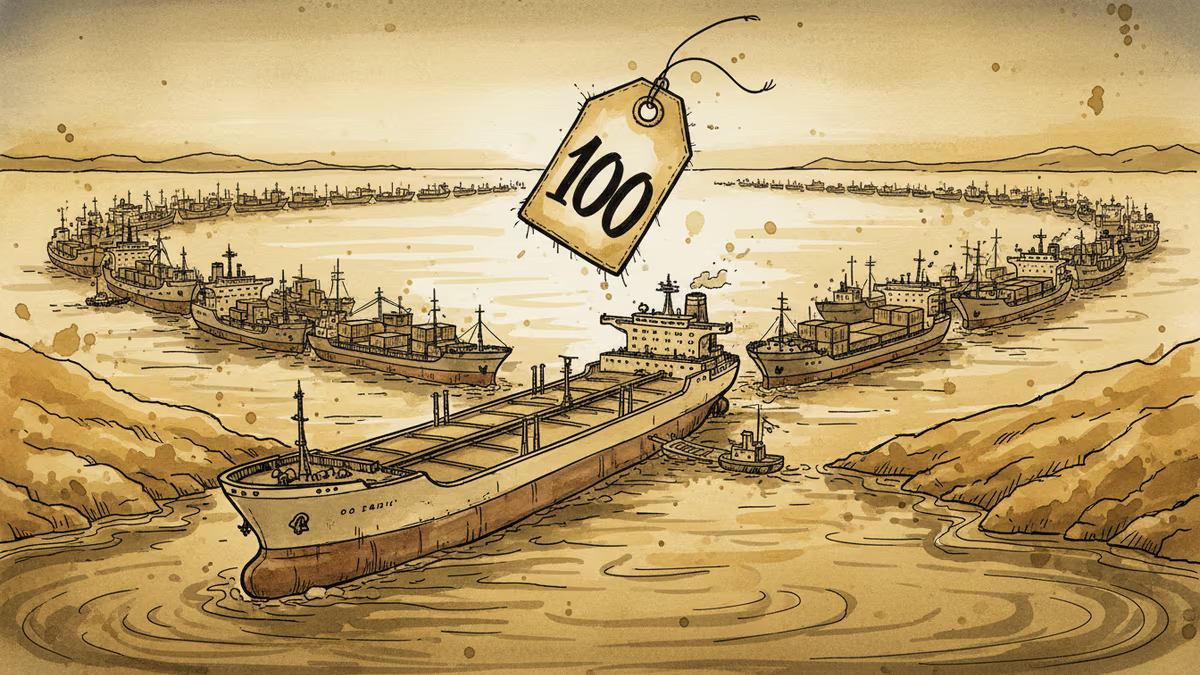
Barclays raised its 2026 Brent crude forecast to $100/barrel, citing prolonged Hormuz disruption. Here's what that means for energy markets, inflation, and your energy bill.
The US launched strikes on Iran after Tehran attacked American destroyers. What triggered the escalation, who stands to lose, and where does this go from here?
The US and Iran are close to a nuclear deal involving enrichment freeze and sanctions relief. Here's what it means for oil prices, energy markets, and your investments.
Crude oil is near an 8-year low just as summer travel season kicks off. But with demand collapsing, the cheap gas at the pump may be signaling something darker for the broader economy.
Barclays raised its 2026 Brent crude forecast to $100/barrel, citing prolonged Hormuz disruption. Here's what that means for energy markets, inflation, and your energy bill.
Thoughts
Share your thoughts on this article
Sign in to join the conversation