
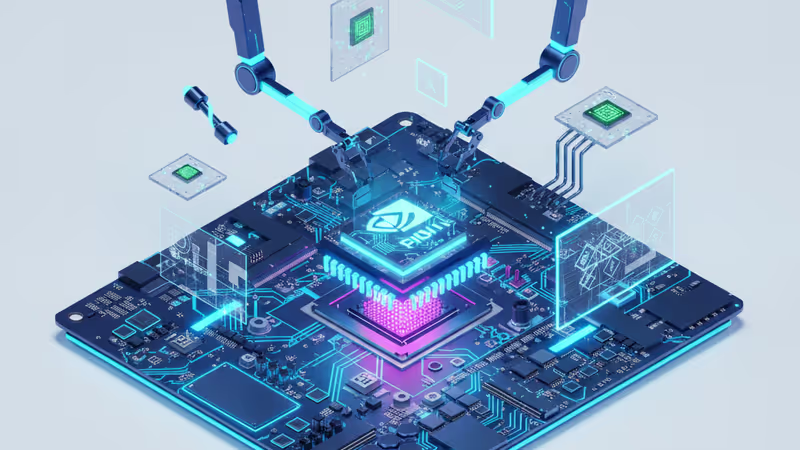
Nvidia N1 Windows Arm laptop Leak: Lenovo Prepares 6 New Models
A Lenovo leak reveals six new laptops powered by Nvidia's upcoming N1 and N1X Arm-based chips. Read about the Nvidia N1 Windows Arm laptop and its impact on the market.
The long-standing duopoly of Intel and AMD in the Windows laptop market is facing its biggest threat yet. Nvidia is finally preparing to power consumer laptops with its own Arm-based chips, signaling a major shift in the industry's power dynamics.
Lenovo Leak Unveils Nvidia N1 Windows Arm laptop Lineup
According to reports from The Verge, an overnight leak from Lenovo has exposed the company's plans for a new generation of laptops built on Nvidia's upcoming N1 and N1X processors. Unlike previous configurations that paired an Nvidia GPU with an Intel CPU, these machines will use a unified system-on-chip (SoC) architecture.

- A total of 6 unique laptop models were identified in the leak.
- The lineup includes a high-performance 15-inch gaming machine.
- Official release is expected as early as Spring 2026.
A New Era for Windows Gaming and Efficiency
While Qualcomm has already paved the way with competent Snapdragon laptops, Nvidia's entry is expected to raise the bar for integrated graphics performance. This move directly targets the dominance of Apple's Silicon Macs by offering the same high efficiency and performance-per-watt benefits within the Windows ecosystem.
Authors
Related Articles

Steam Machine, Steam Frame, and Steam Controller face delays as Valve navigates global memory shortage while maintaining 2026 shipping commitment.

Valve's Steam Deck OLED faces global shortages due to memory and storage supply constraints, exposing deeper structural shifts in gaming hardware economics.

Steam Machine, Steam Frame, and Steam Controller face delays as global memory crisis forces Valve to reset pricing expectations and launch timeline.
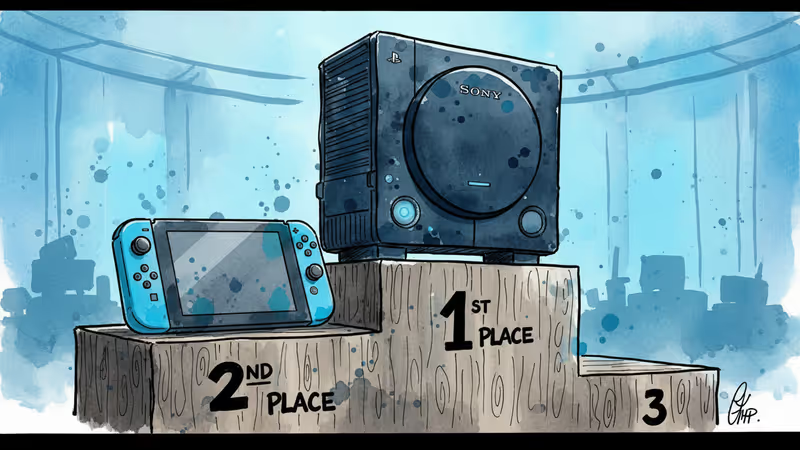
Nintendo Switch surpasses 155 million units sold, overtaking the DS to become Nintendo's best-selling hardware and second-bestselling console in gaming history.
Steam Machine, Steam Frame, and Steam Controller face delays as Valve navigates global memory shortage while maintaining 2026 shipping commitment.
Valve's Steam Deck OLED faces global shortages due to memory and storage supply constraints, exposing deeper structural shifts in gaming hardware economics.
Steam Machine, Steam Frame, and Steam Controller face delays as global memory crisis forces Valve to reset pricing expectations and launch timeline.
Nintendo Switch surpasses 155 million units sold, overtaking the DS to become Nintendo's best-selling hardware and second-bestselling console in gaming history.
Thoughts
Share your thoughts on this article
Sign in to join the conversation