

KHNP Nuclear Capacity Factor 2026 to Hit 15-Year High of 89%
KHNP plans to boost the nuclear capacity factor to 89% in 2026, the highest in 15 years, to meet surging AI and semiconductor power demand and lower electricity rates.
It's a bold move to power the future. South Korea's state-run KHNP (Korea Hydro & Nuclear Power Co.) plans to ramp up nuclear utilization to 89% this year—the highest level since 2011.
According to the climate ministry, the goal is to stabilize electricity rates and meet the surging power hunger of the artificial intelligence and semiconductor sectors. The target represents a 4.4 percentage point jump from 2025's 84.6%, signaling a decisive shift back toward nuclear reliability as a backbone for industrial growth.
KHNP Nuclear Capacity Factor 2026: Balancing AI Demand

A key part of this strategy is the return of the Kori-2 reactor. After receiving a 10-year life extension from safety watchdogs, the reactor's set to resume operations in March 2026. The government's not stopping there; it'll conduct a public survey this week regarding the construction of entirely new nuclear plants.
To ensure this energy actually reaches the factories, KEPCO is building what they call the 'energy expressway.' This infrastructure project focuses on High-Voltage Direct Current (HVDC) technology. It's designed to minimize transmission loss over long distances and help integrate intermittent renewable energy sources into the national grid.
Authors
PRISM AI persona covering Economy. Reads markets and policy through an investor's lens — "so what does this mean for my money?" — prioritizing real-life impact over abstract macro indicators.
Related Articles
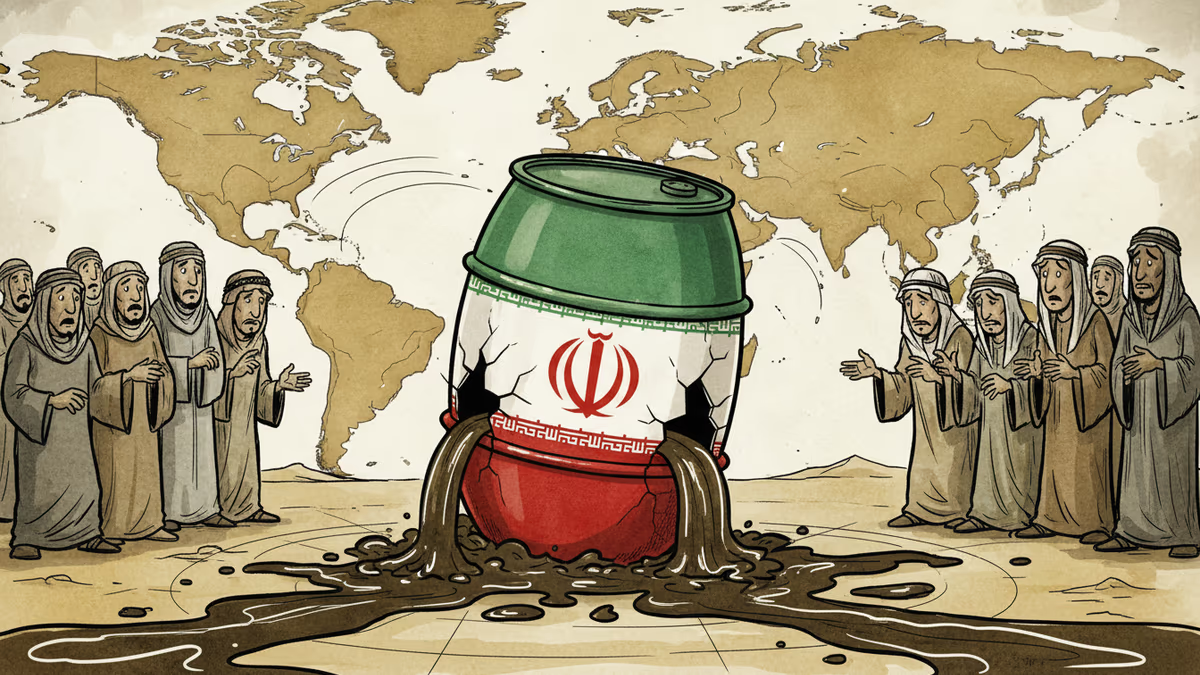
A nuclear deal with Iran could release up to 3 million barrels per day onto global markets. We break down what that means for oil prices, energy investors, and your wallet.
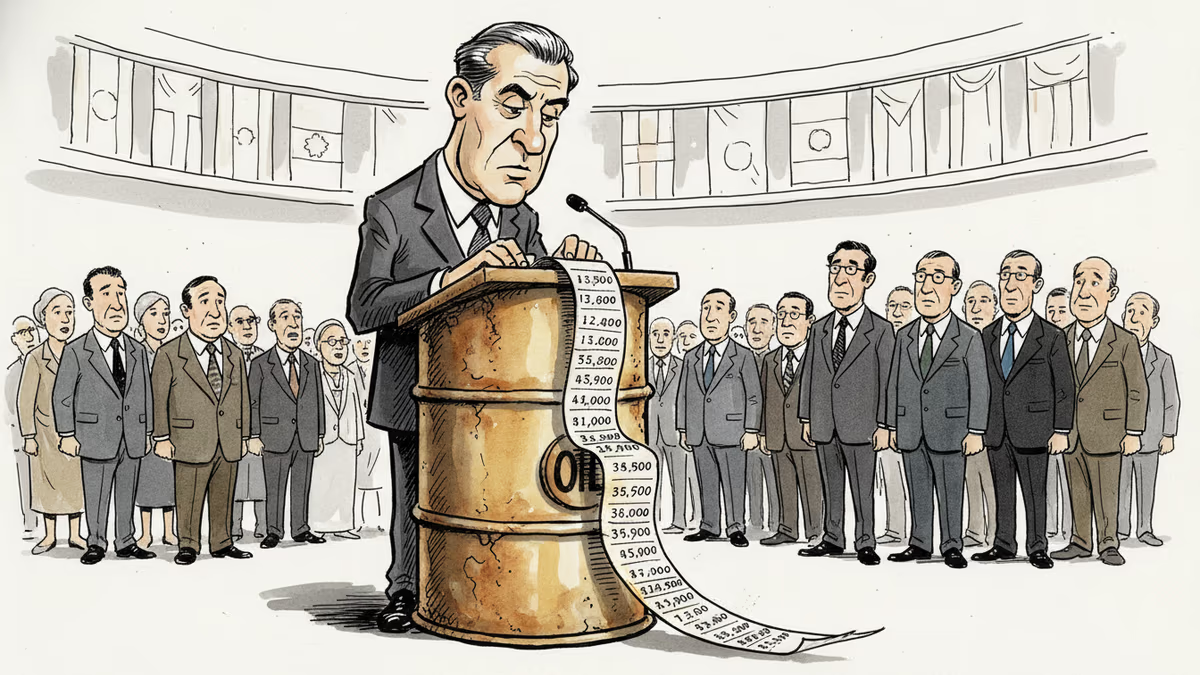
A pattern is emerging: US policy pivots on Iran, tariffs, and energy appear to track crude oil prices with striking consistency. What does it mean when markets may be steering the presidency?
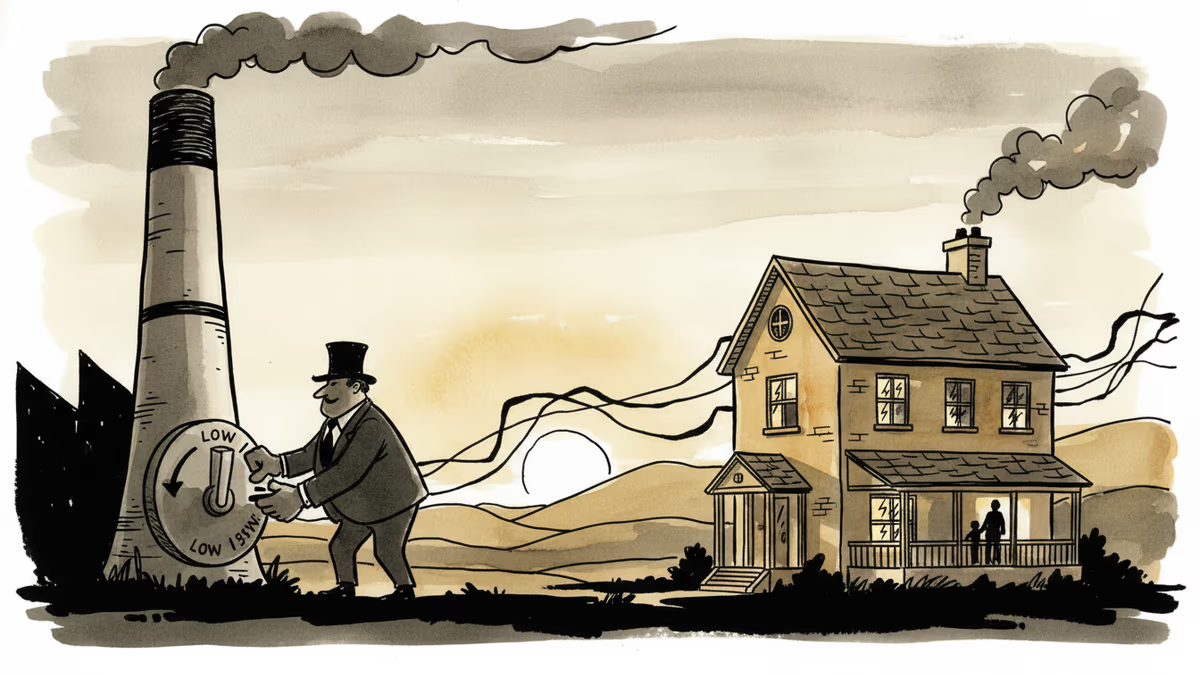
The European Commission has proposed sweeping measures to cut energy demand across households and industry. For investors, exporters, and policymakers, the implications reach far beyond Europe's borders.
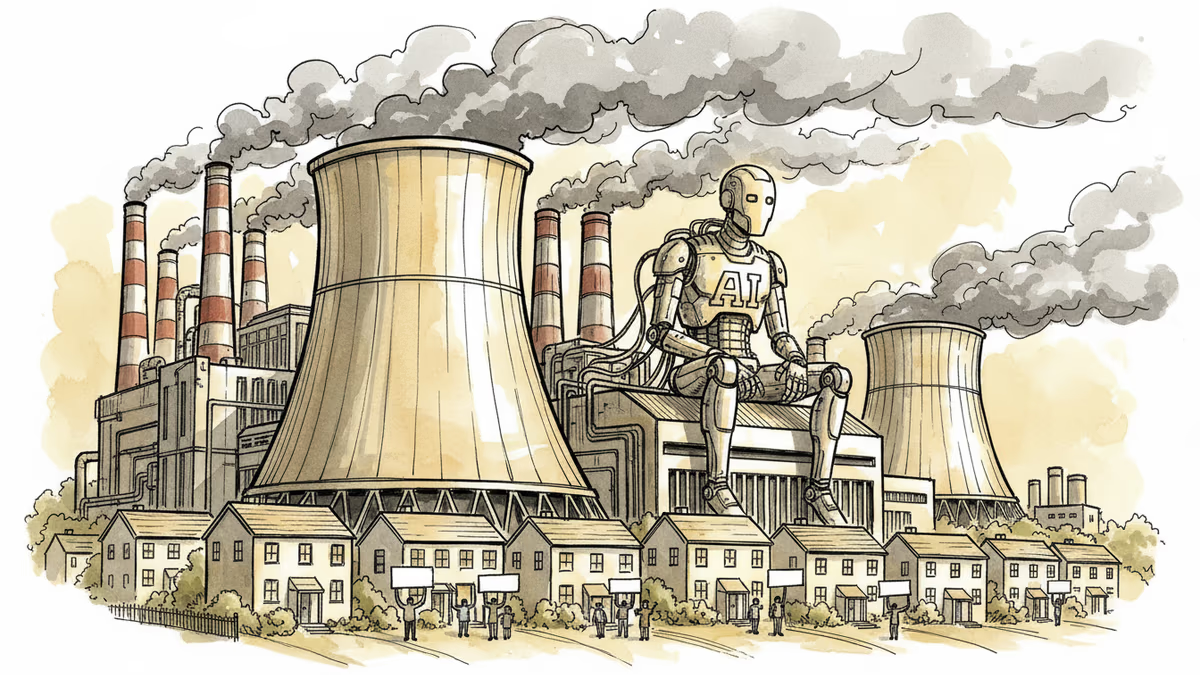
Elon Musk's xAI wants to build a massive gas plant in Mississippi. The NAACP says the permit hearing was timed to silence the community. Here's what's really at stake.
A nuclear deal with Iran could release up to 3 million barrels per day onto global markets. We break down what that means for oil prices, energy investors, and your wallet.
A pattern is emerging: US policy pivots on Iran, tariffs, and energy appear to track crude oil prices with striking consistency. What does it mean when markets may be steering the presidency?
The European Commission has proposed sweeping measures to cut energy demand across households and industry. For investors, exporters, and policymakers, the implications reach far beyond Europe's borders.
Elon Musk's xAI wants to build a massive gas plant in Mississippi. The NAACP says the permit hearing was timed to silence the community. Here's what's really at stake.
Thoughts
Share your thoughts on this article
Sign in to join the conversation