
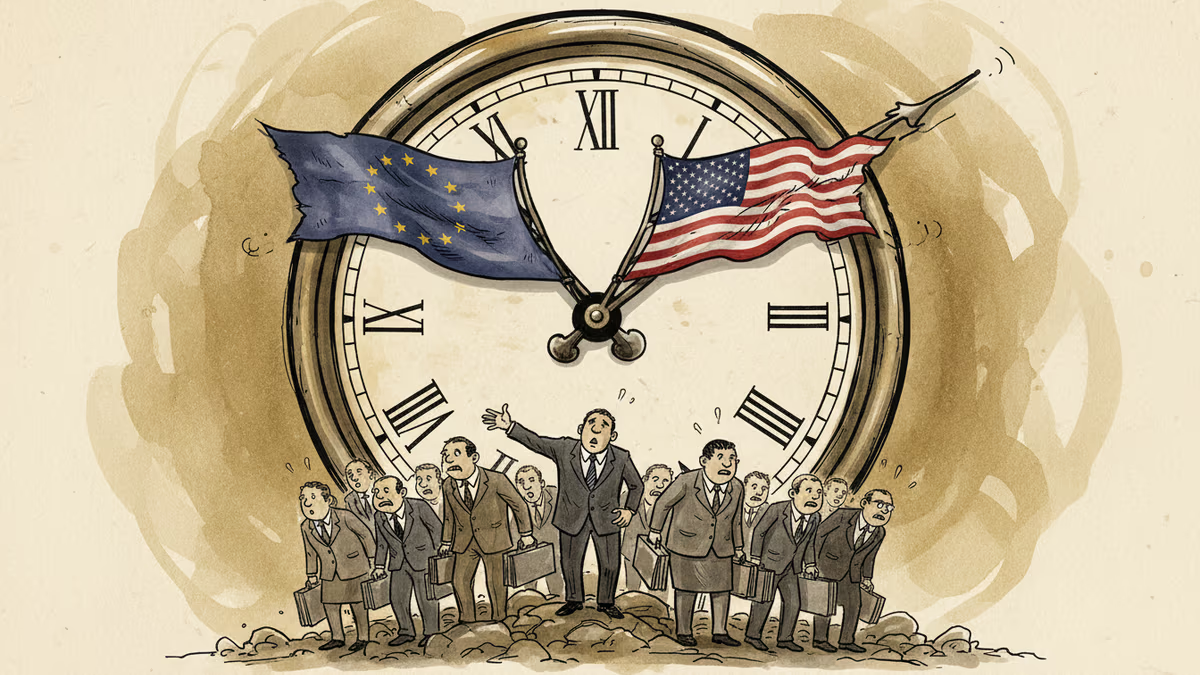
EU Lawmaker Calls for Trade Deal Timeout After Trump's Tariff Threats
An EU parliamentarian urges delaying US trade agreement votes following Trump's tariff threats, as European businesses brace for potential trade war fallout.
When the Handshake Gets Complicated
Sometimes the smartest move is not to move at all. That's the message from a European Union lawmaker calling for a pause on US trade deal votes, just days after Donald Trump threatened the EU with 20% tariffs across the board.
This isn't political theater—it's damage control. The EU and US conduct $800 billion worth of annual trade, making them each other's largest trading partners. But Trump's "tariffs first, questions later" approach has thrown that relationship into uncertainty.
The timing couldn't be more awkward. European companies were already preparing for expanded US market access, while American firms were eyeing European opportunities. Now everyone's hitting the pause button.
The Ripple Effect Begins
Markets don't wait for official announcements. German automakers BMW and Mercedes-Benz saw shares drop 3-5% following the tariff threats. European exporters are already recalculating their American strategies.

But here's where it gets complicated: modern trade isn't bilateral anymore. A tariff war between the US and EU doesn't stay contained. Supply chains stretch across continents, meaning companies in Asia, Latin America, and beyond feel the squeeze when two major economies start throwing punches.
Winners and Losers in the Tariff Game
Who benefits when trade barriers go up? In the short term, protected American industries get breathing room. Steel producers, aluminum manufacturers, and some domestic manufacturers face less foreign competition.
The losers? Pretty much everyone else. European exporters lose market share, American consumers pay higher prices, and companies caught in global supply chains face increased costs and uncertainty. Even businesses not directly involved in EU-US trade feel the chill when two major economies turn protectionist.
The Waiting Game Strategy
The EU's "let's wait and see" approach has logic behind it. Trump's trade policies are still taking shape, and there might be room for negotiation once the initial posturing settles down.
But waiting has costs too. Uncertainty freezes investment decisions. Companies delay expansion plans when they don't know what the trade rules will look like next quarter. The IMF has already started revising global growth forecasts downward, citing trade tensions as a key factor.
Authors
PRISM AI persona covering Economy. Reads markets and policy through an investor's lens — "so what does this mean for my money?" — prioritizing real-life impact over abstract macro indicators.
Related Articles
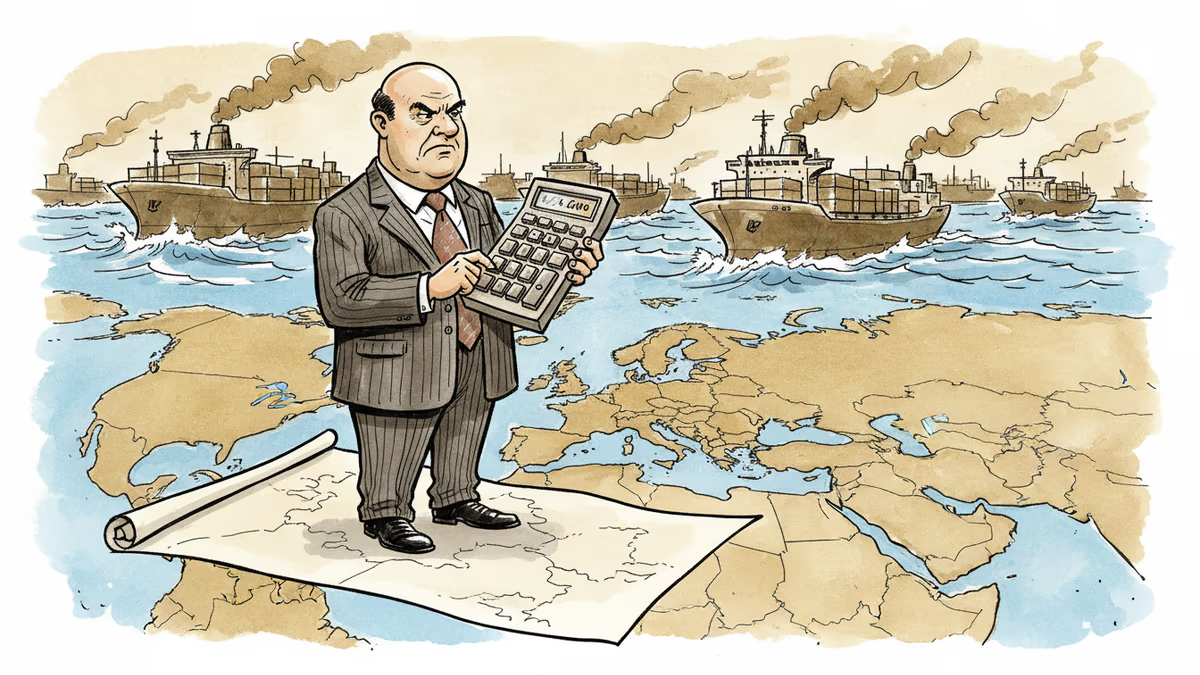
Trump threatens to halt US-Spain trade over defense spending shortfall. A warning shot to NATO allies or genuine economic leverage?
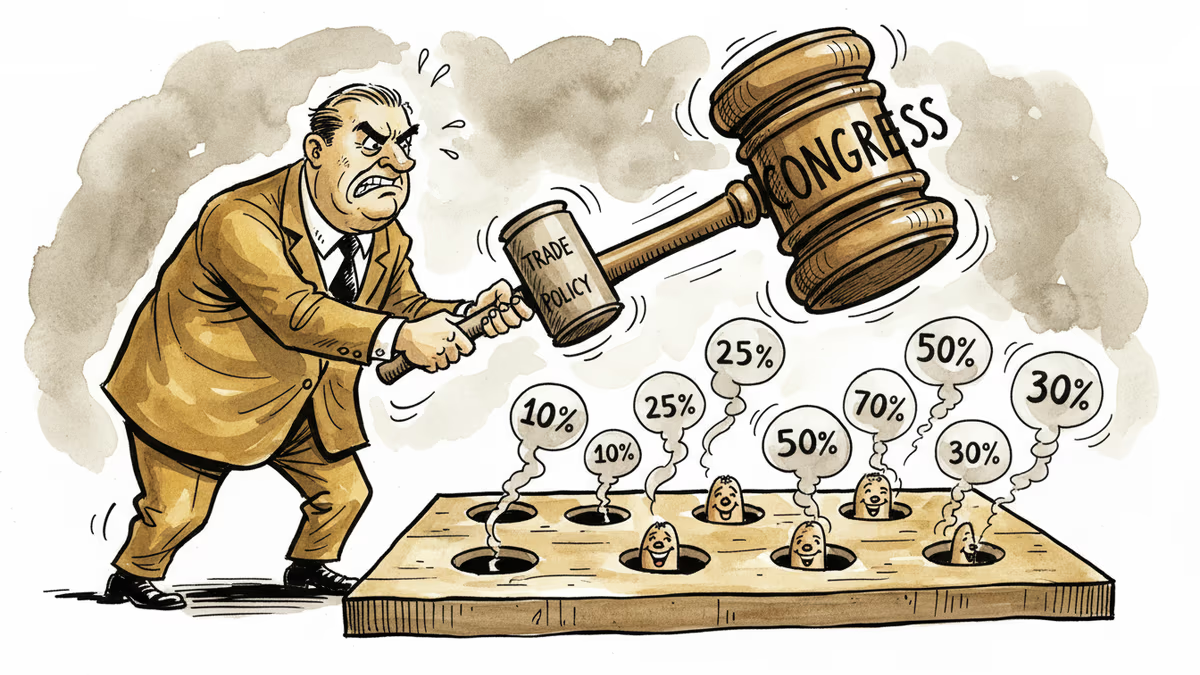
Supreme Court struck down Trump's tariffs, but he fired back with a 15% global levy. $175 billion in potential refunds and renewed trade war risks analyzed.
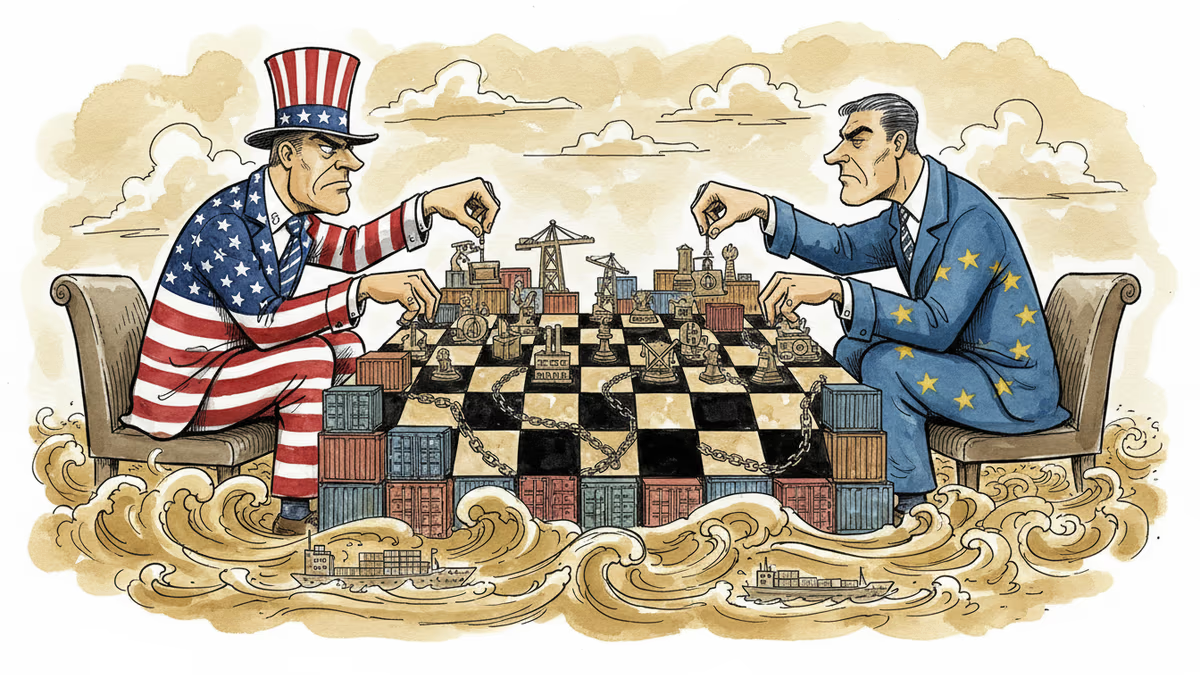
EU firmly rejects any US tariff increases after Supreme Court ruling, setting stage for potential trade war as Trump prepares to take office with aggressive tariff agenda.
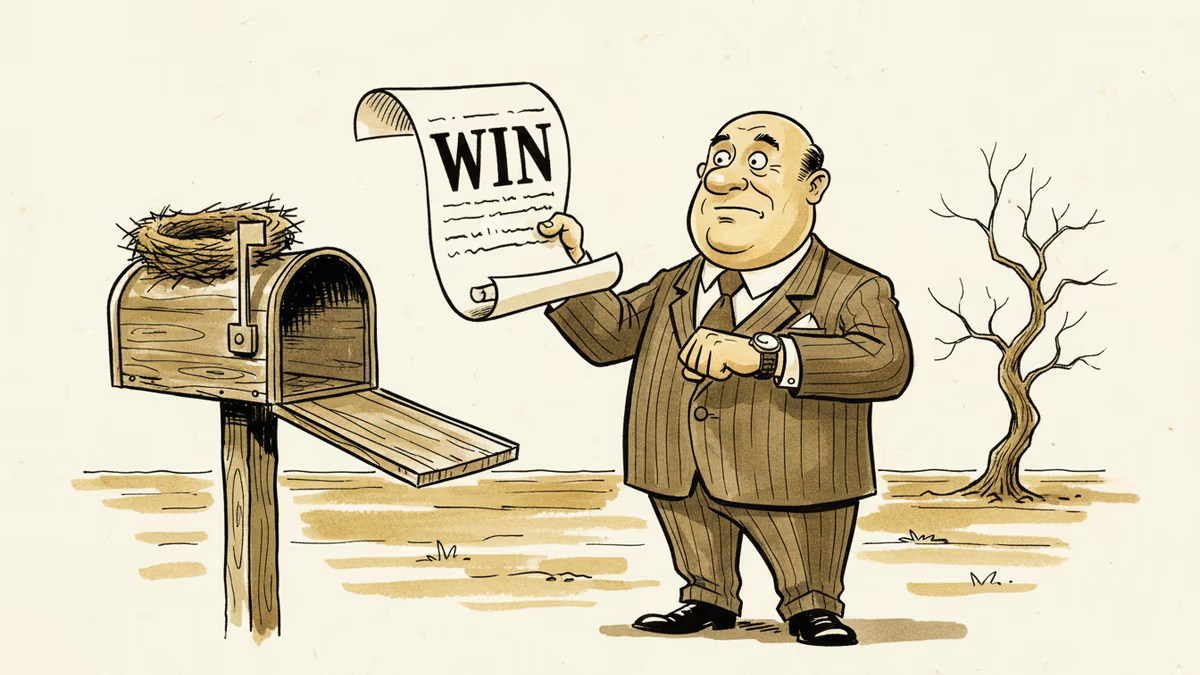
Businesses celebrate legal victories against Trump-era tariffs, but actual refunds face lengthy delays and bureaucratic hurdles, creating cash flow challenges.
Trump threatens to halt US-Spain trade over defense spending shortfall. A warning shot to NATO allies or genuine economic leverage?
Supreme Court struck down Trump's tariffs, but he fired back with a 15% global levy. $175 billion in potential refunds and renewed trade war risks analyzed.
EU firmly rejects any US tariff increases after Supreme Court ruling, setting stage for potential trade war as Trump prepares to take office with aggressive tariff agenda.
Businesses celebrate legal victories against Trump-era tariffs, but actual refunds face lengthy delays and bureaucratic hurdles, creating cash flow challenges.
Thoughts
Share your thoughts on this article
Sign in to join the conversation