
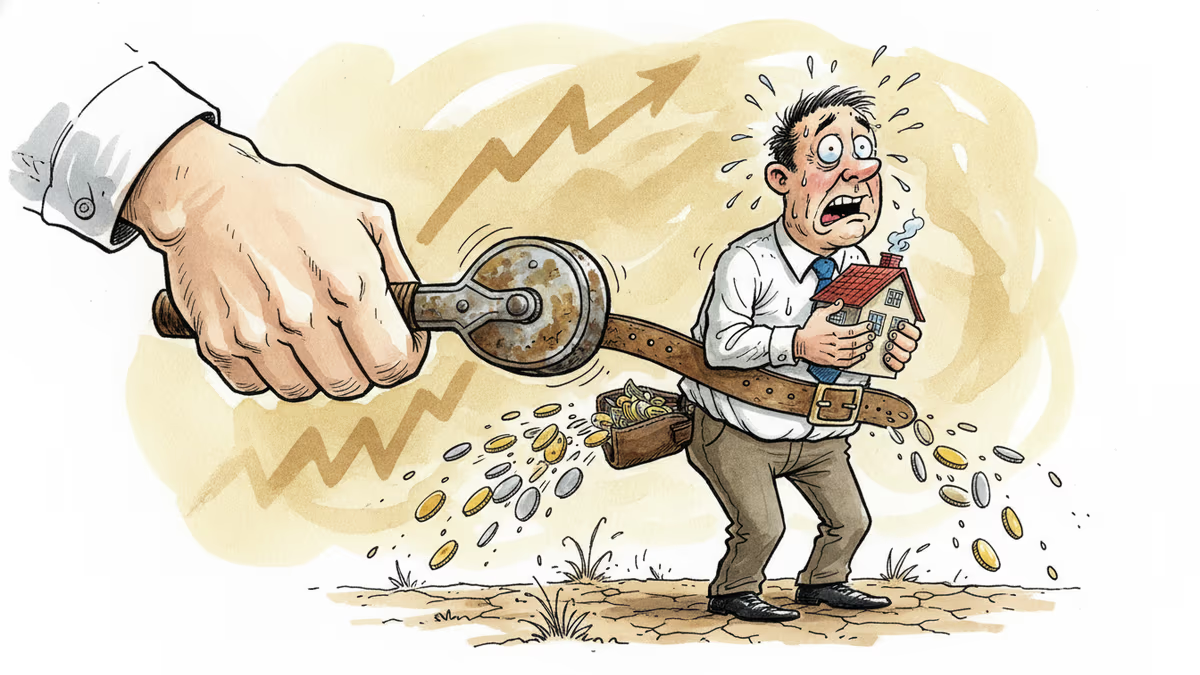
Bank of Korea Hikes Rates for the First Time in 3.5 Years: Borrowers Pay About $550 More, Savers Catch a Break
The Bank of Korea lifted its benchmark rate a quarter-point to 2.75%, its first increase in three and a half years. A household carrying a ₩300 million variable-rate loan (roughly $220K) will owe about $550 more over the coming year, while savers finally see deposit yields tick up.
If you're a salaried worker in Seoul with a ₩300 million variable-rate loan (roughly $220,000), your annual interest bill just climbed by as much as ₩750,000, or about $550.
On July 16, 2026, the Monetary Policy Board of the Bank of Korea, the country's central bank and rough counterpart to the Fed or the ECB, raised the benchmark rate from 2.50% to 2.75%. It's the first hike since January 2023, a gap of three and a half years. Having cut from 2.75% last February down to 2.50% by May, the BOK has now swung the other way.
The justification is inflation. Consumer prices rose 3.2% in June, overshooting the bank's 2% target for a fourth straight month and hitting the highest level in two and a half years. The won has also been stuck near ₩1,500 to the dollar, and a rebound in the semiconductor cycle has put growth on firmer footing. A fresh climb in Seoul-area housing prices is another red flag the BOK cited. Governor Hyun Song Shin, who took office in April, pulled the rate lever just three months into the job. Rising crude prices tied to recent Middle East tensions add one more push on the inflation side.

So what happens to your money? Borrowers and savers land on opposite sides of this. Someone who borrowed ₩300 million on a variable rate pays the extra quarter-point, which works out to around ₩750,000 a year (roughly $550), or close to ₩60,000 (about $45) a month. On a ₩500 million loan (roughly $360K), that's ₩1.25 million, or about $910, a year. It's a back-of-the-envelope figure; actual bills vary by loan terms. But the direction is clear. With so many Korean households sitting on variable-rate debt, plenty of people will feel the squeeze. Savers get the good news here. Bank deposit rates tend to follow the benchmark up, with a lag.
The BOK's math gets tricky at this point. Raise rates and you defend the won and cool import-driven inflation. Heavier loan payments, though, close wallets and chill domestic demand. Steady the currency and you worry about spending; revive spending and you worry about prices. Supporters of the hike argue that letting inflation and the won drift now means paying a bigger bill down the road. Critics point to the interest burden landing on the self-employed and on households that borrowed simply to buy a home. It's the same tightrope the Fed and the ECB have been walking, and there's no costless way across it.
This content is AI-generated based on source articles. While we strive for accuracy, errors may occur. We recommend verifying with the original source.
Related Articles
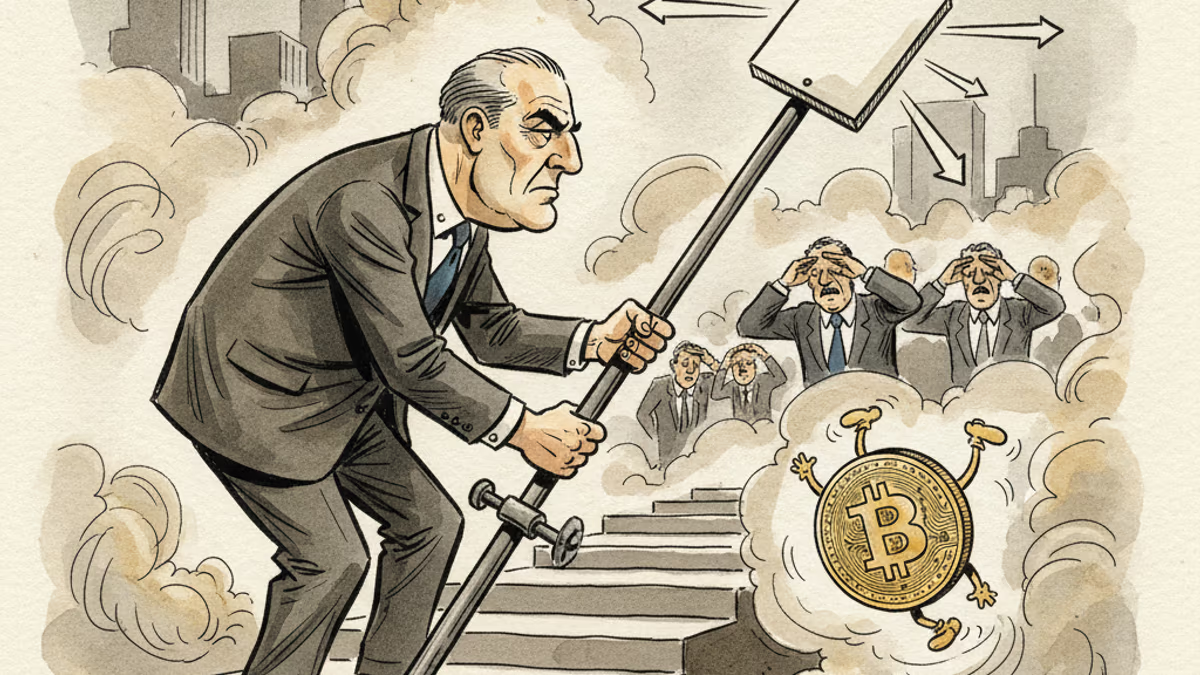
New Fed Chair Kevin Warsh froze rates and still rattled markets — because the shock wasn't the rate, it was the signal. Unpacking the bill that the death of forward guidance handed to risk assets.
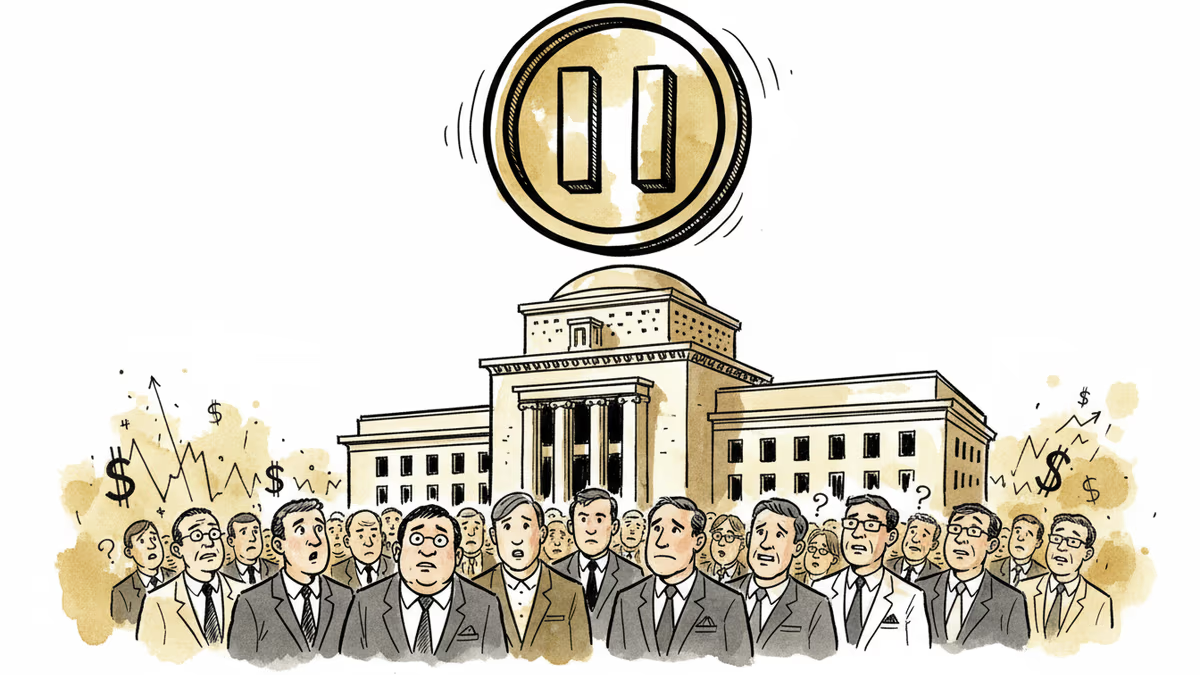
Fed's Collins suggests keeping rates steady amid economic uncertainty. Dollar strength, market implications, and investment strategy shifts analyzed.
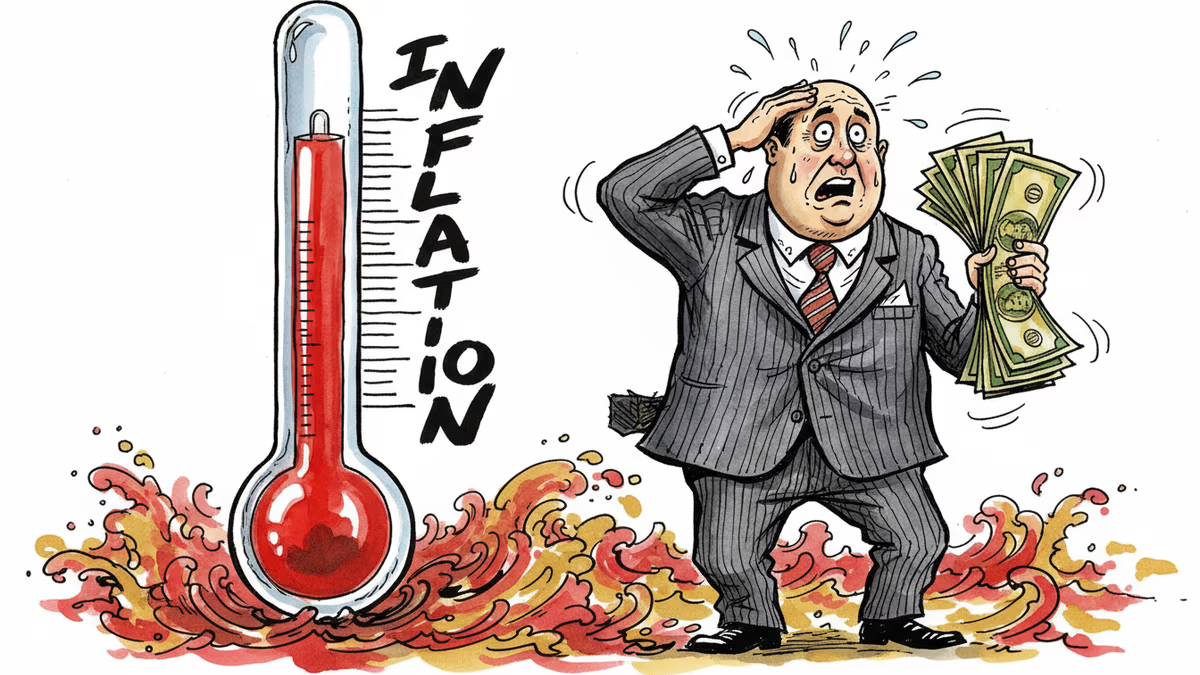
Kansas City Fed President Jeffrey Schmid warns inflation remains 'too hot,' signaling potential pause in rate cuts. What this means for markets and monetary policy ahead.
The Federal Reserve is scrambling to understand AI's impact on jobs and inflation as it reshapes monetary policy. How is technological disruption changing economic governance?
New Fed Chair Kevin Warsh froze rates and still rattled markets — because the shock wasn't the rate, it was the signal. Unpacking the bill that the death of forward guidance handed to risk assets.
Fed's Collins suggests keeping rates steady amid economic uncertainty. Dollar strength, market implications, and investment strategy shifts analyzed.
Kansas City Fed President Jeffrey Schmid warns inflation remains 'too hot,' signaling potential pause in rate cuts. What this means for markets and monetary policy ahead.
The Federal Reserve is scrambling to understand AI's impact on jobs and inflation as it reshapes monetary policy. How is technological disruption changing economic governance?
Thoughts
Share your thoughts on this article
Sign in to join the conversation