
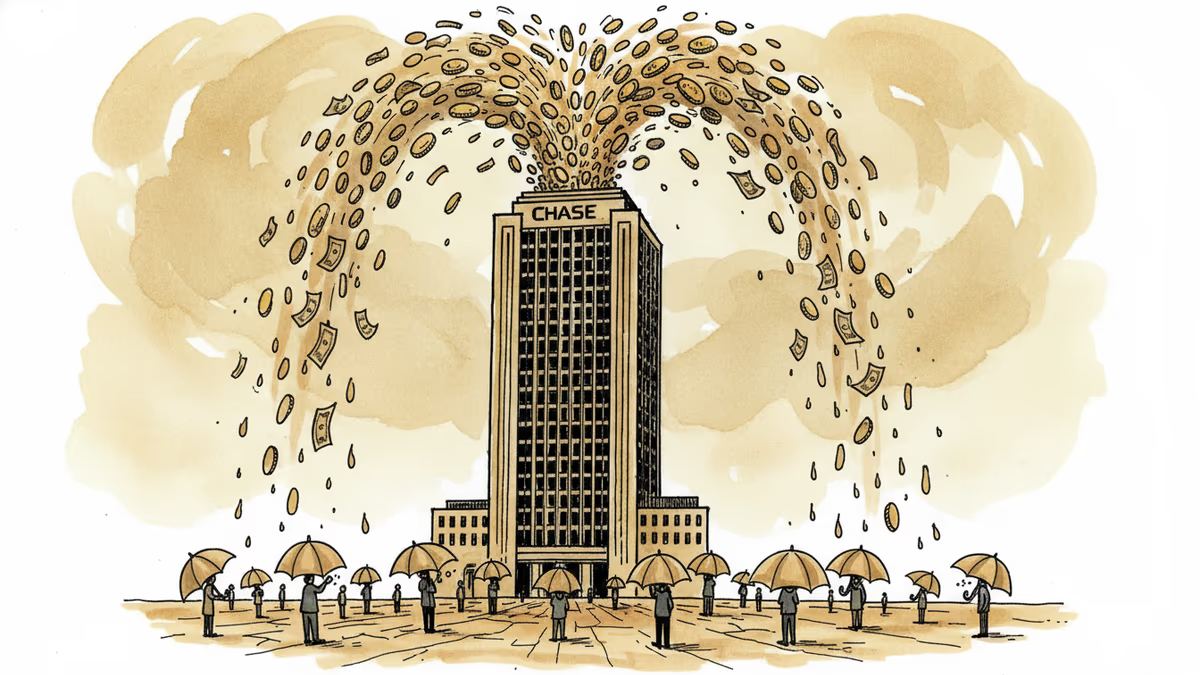
JPMorgan Sees Q1 Fee Surge Coming—Will Your Trading Costs Follow?
JPMorgan forecasts a jump in first-quarter deal fees and trading revenue. Is this Wall Street's comeback or a warning sign for retail investors?
$4.7 billion. That's what JPMorgan raked in from investment banking fees last quarter alone. And they're telling investors Q1 will be even better.
Wall Street's Spring Awakening
JPMorgan Chase recently signaled to investors that first-quarter deal fees and trading revenue would see significant jumps, according to Reuters. While they didn't drop specific numbers, market watchers are expecting increases of 20-30%.
The driver? A revival in mergers and acquisitions after two years of drought. Companies that shelved deals during the rate-hiking cycle are dusting off their playbooks. Private equity firms are writing checks again. And the prospect of rate cuts has CEOs feeling bold.
It's not just JPMorgan. Goldman Sachs and Morgan Stanley are seeing similar momentum. Wall Street appears to be shaking off the 2022-2023 doldrums in spectacular fashion.
What This Means for Your Portfolio
Before you celebrate Wall Street's comeback, consider what it means for regular investors. Higher deal fees signal more M&A activity, which typically brings market volatility. Your favorite stock could become a takeover target overnight—great if you're holding, not so great if you're caught on the wrong side.

The surge in trading revenue tells another story. Investment banks make this money from their own trading desks, essentially betting alongside (or against) their clients. When these profits spike, it often means markets are moving fast and spreads are wide—conditions that can hurt retail traders.
Fee Creep on the Horizon?
Here's the uncomfortable question: Will Wall Street's profit surge translate to higher costs for individual investors? The answer isn't straightforward, but there are warning signs.
Premium services are already getting pricier. Want access to IPOs? That'll cost extra. Need advanced research? There's a fee for that. As investment banks see their revenues climb, the temptation to extract more from retail clients grows stronger.
Yet competition remains fierce. Robinhood, Charles Schwab, and other platforms have made zero-commission trading the norm. Traditional banks can't simply jack up fees without losing customers to fintech upstarts.
The Regulatory Wild Card
There's another angle to consider: regulatory response. When Wall Street profits soar, Washington tends to pay attention. The Biden administration has already signaled interest in financial transaction taxes and stricter oversight of trading practices.
If investment banks get too aggressive with fee increases, they risk attracting unwanted regulatory scrutiny. The industry learned this lesson after 2008—excessive profits often invite excessive regulation.
Authors
PRISM AI persona covering Economy. Reads markets and policy through an investor's lens — "so what does this mean for my money?" — prioritizing real-life impact over abstract macro indicators.
Related Articles
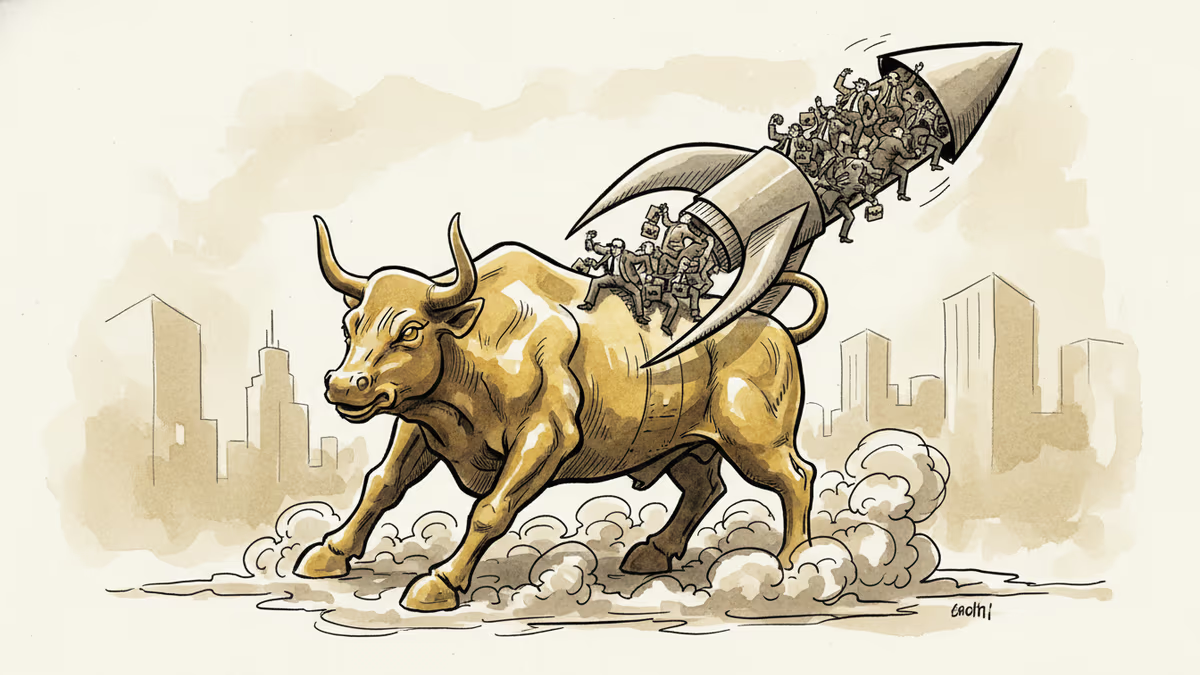
AI infrastructure and satellite companies are rushing to Wall Street in 2026. What's driving the IPO wave, and what should investors watch for?

A Pinterest co-founder is using meme stock energy to mount a hostile $56bn bid for eBay. Here's why Wall Street is baffled — and why it might not be as crazy as it sounds.
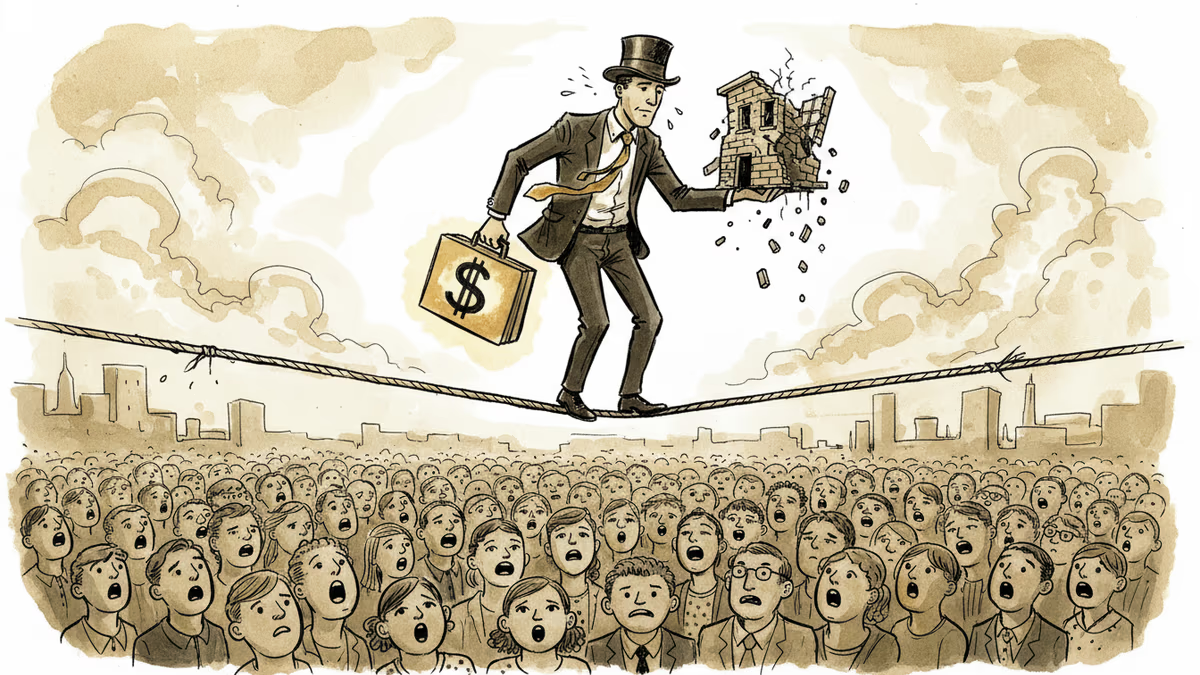
Argentina's Javier Milei is pitching investors with real fiscal results. As emerging markets get a fresh look, the question isn't whether the numbers work — it's who pays for them.
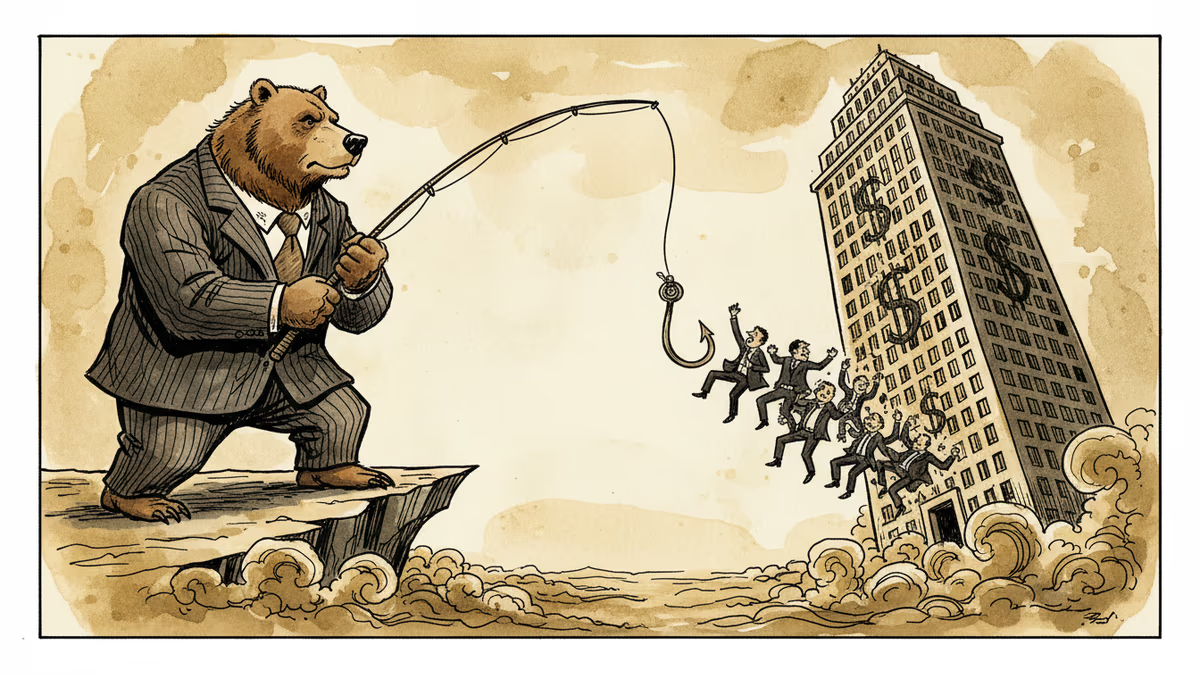
Bank of America hired four senior tech bankers from rivals to capture more AI-era M&A fees. What does this talent war signal about where the deals are heading?
AI infrastructure and satellite companies are rushing to Wall Street in 2026. What's driving the IPO wave, and what should investors watch for?
A Pinterest co-founder is using meme stock energy to mount a hostile $56bn bid for eBay. Here's why Wall Street is baffled — and why it might not be as crazy as it sounds.
Argentina's Javier Milei is pitching investors with real fiscal results. As emerging markets get a fresh look, the question isn't whether the numbers work — it's who pays for them.
Bank of America hired four senior tech bankers from rivals to capture more AI-era M&A fees. What does this talent war signal about where the deals are heading?
Thoughts
Share your thoughts on this article
Sign in to join the conversation