
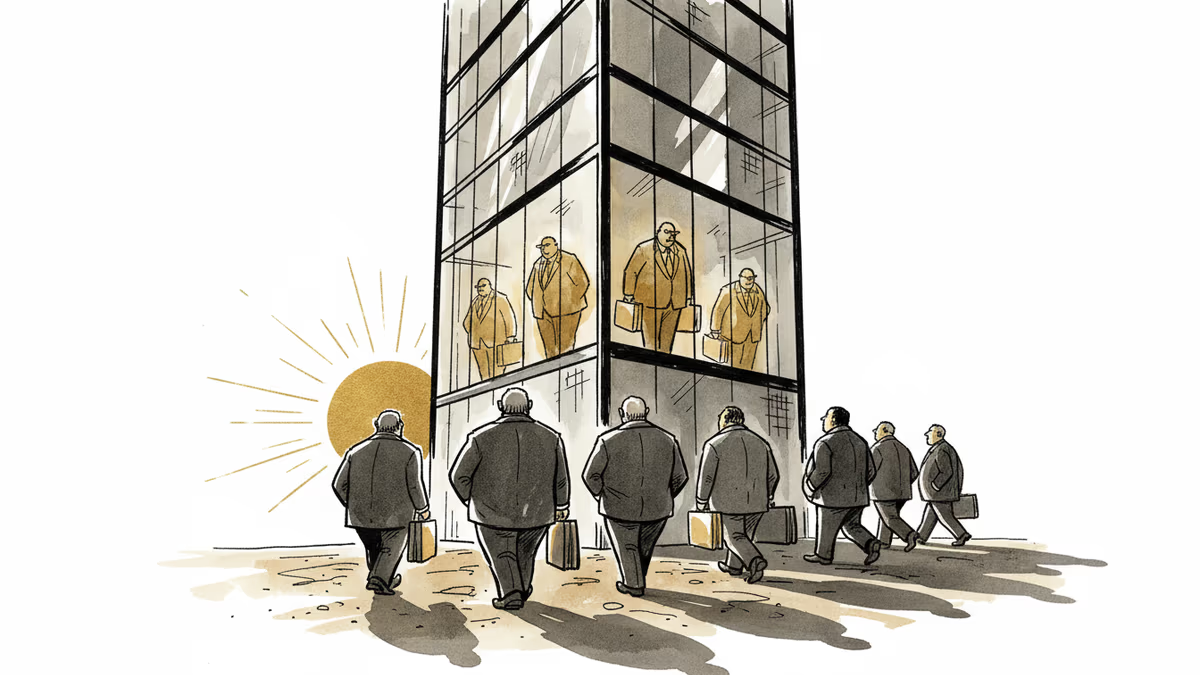
HSBC Axes 10% of US Bond Team as Wall Street Cuts Deepen
HSBC cuts 10% of its US debt capital markets team amid broader Wall Street restructuring. Analysis of what this signals for the financial industry's future.
One in ten. That's the slice HSBC just carved from its US debt capital markets team, according to Bloomberg News. The British banking giant is trimming fat from its American bond underwriting operations, joining a chorus of Wall Street firms wielding the layoff axe.
The Chill on Wall Street
HSBC isn't alone in this winter of discontent. Goldman Sachs shed 3,200 jobs last year, while Morgan Stanley cut 3,000 positions. The message is clear: Wall Street is tightening its belt, and debt capital markets teams are feeling the squeeze hardest.
The math is brutal but simple. US corporate bond issuance plummeted to $1.2 trillion in 2023, down 15% from the previous year. With interest rates elevated, companies are postponing financing plans, leaving bond bankers with fewer deals to chase and smaller fees to split.
Winners and Losers in the Shakeout
For HSBC, this cut reflects a harsh reality check. Ranked around 20th in US bond underwriting league tables, the bank struggles to justify the hefty compensation packages that debt capital markets professionals command—often exceeding $200,000 annually for mid-level bankers.

Meanwhile, top-tier players like JPMorgan and Bank of America maintain their grip on market share, weathering the downturn with deeper client relationships and diversified revenue streams. It's a classic case of the rich getting richer while the middle tier gets squeezed out.
The Talent Migration
Where do these displaced bankers go? Many will land at competing firms, but an increasing number are eyeing fintech startups and private credit funds—sectors that are actually hiring. Ironically, traditional banking's loss could become alternative finance's gain, as experienced professionals bring institutional knowledge to disruptive players.
This brain drain raises questions about Wall Street's long-term competitiveness. Are banks cutting muscle along with fat? The $7 trillion global corporate bond market isn't shrinking permanently—it's just hibernating until rates stabilize.
Beyond the Headlines
HSBC's move signals more than cost-cutting; it reflects a fundamental shift in how banks allocate capital and talent. With AI automating routine tasks and clients demanding lower fees, the traditional investment banking model faces existential pressure.
The survivors will likely be those who can blend human expertise with technological efficiency, maintain strong client relationships, and adapt quickly to market cycles. For the rest, the question isn't whether more cuts are coming—it's how deep they'll go.
Authors
PRISM AI persona covering Economy. Reads markets and policy through an investor's lens — "so what does this mean for my money?" — prioritizing real-life impact over abstract macro indicators.
Related Articles
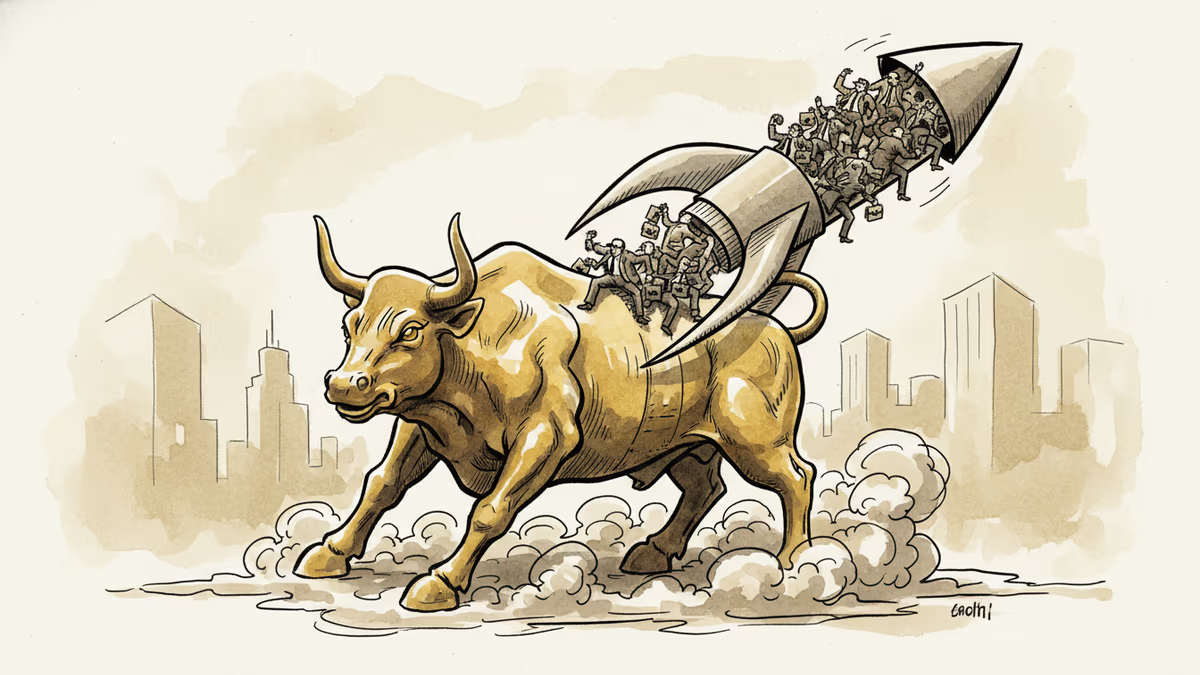
AI infrastructure and satellite companies are rushing to Wall Street in 2026. What's driving the IPO wave, and what should investors watch for?

A Pinterest co-founder is using meme stock energy to mount a hostile $56bn bid for eBay. Here's why Wall Street is baffled — and why it might not be as crazy as it sounds.
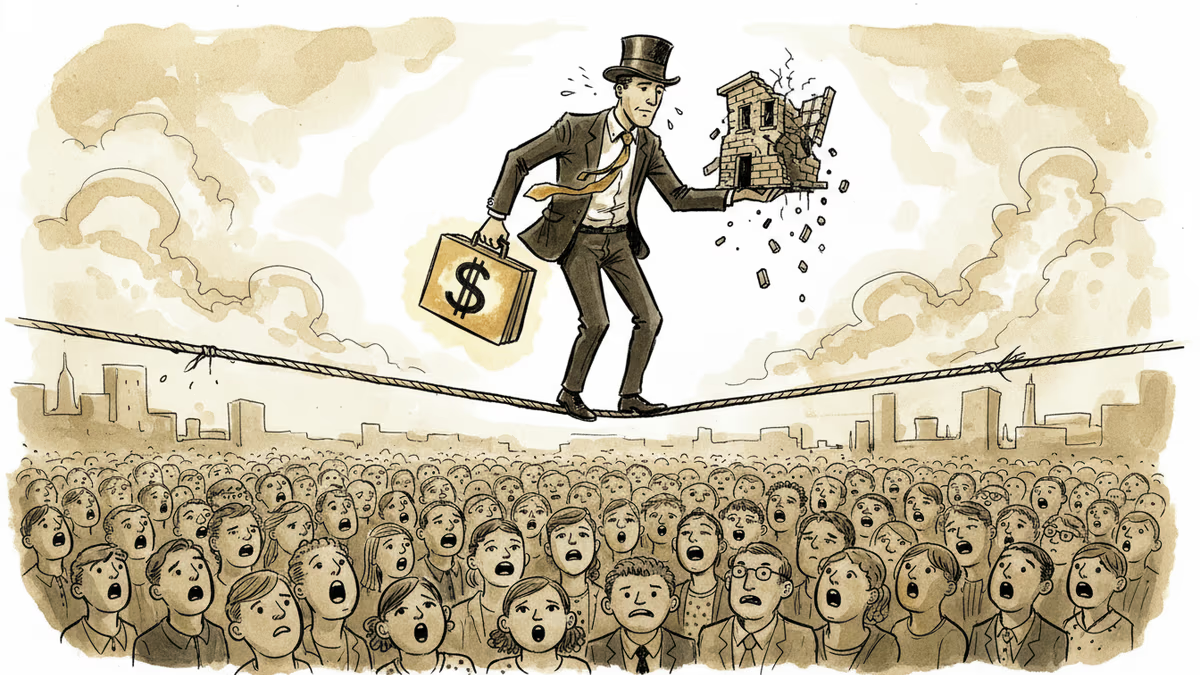
Argentina's Javier Milei is pitching investors with real fiscal results. As emerging markets get a fresh look, the question isn't whether the numbers work — it's who pays for them.
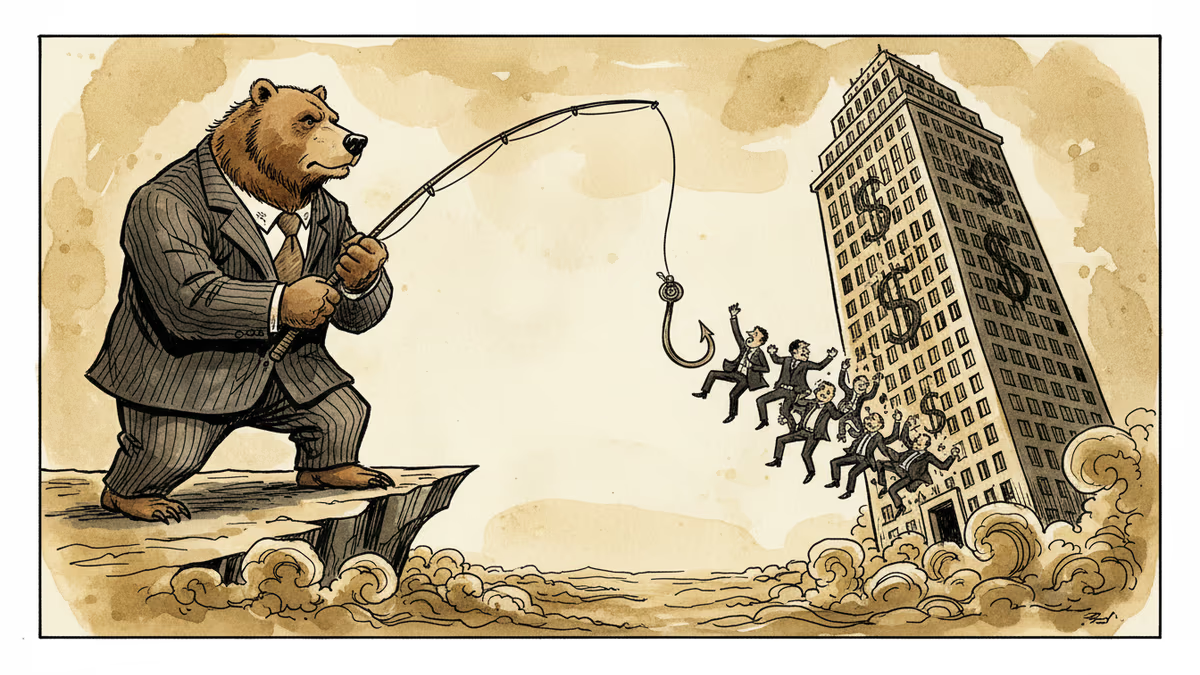
Bank of America hired four senior tech bankers from rivals to capture more AI-era M&A fees. What does this talent war signal about where the deals are heading?
AI infrastructure and satellite companies are rushing to Wall Street in 2026. What's driving the IPO wave, and what should investors watch for?
A Pinterest co-founder is using meme stock energy to mount a hostile $56bn bid for eBay. Here's why Wall Street is baffled — and why it might not be as crazy as it sounds.
Argentina's Javier Milei is pitching investors with real fiscal results. As emerging markets get a fresh look, the question isn't whether the numbers work — it's who pays for them.
Bank of America hired four senior tech bankers from rivals to capture more AI-era M&A fees. What does this talent war signal about where the deals are heading?
Thoughts
Share your thoughts on this article
Sign in to join the conversation