

Jellycat China Market Growth 2024: The $459M Emotional Economy of Kidults
Jellycat's revenue hit $459M in 2024, fueled by a massive trend in China. Learn why 'kidults' are spending thousands on plushies amid economic uncertainty.
One super-fan spent over $5,145 on a collection of 120 plushies. While it sounds like a child's hobby, this is the reality for 32-year-old Stella in Beijing. As China's youth grapple with a sluggish economy, they're turning to British brand Jellycat for something money can't always buy: emotional comfort.
Jellycat China Market Growth 2024: Record Revenues
According to reports from BBC and Companies House, Jellycat's revenue soared by two-thirds in 2024 to reach £333 million (approximately $459 million). The brand's strategic push into China paid off handsomely, with estimated sales of $117 million on major Chinese e-commerce platforms. This surge comes even as global toy sales saw a slight decline, highlighting the resilience of the 'collectable' niche.
| Metric | Details |
|---|---|
| 2024 Total Revenue | £333M (66% YoY Increase) |
| China Platform Sales | Approx. $117M |
| Target Demographic | Gen-Z & Millennials (Kidults) |
| Top-Selling Line | Amuseables (Inanimate objects) |

Why Stuffed Toys are Replacing Luxury Bags
The trend isn't just about cuteness; it's a byproduct of China's economic headwinds. With youth unemployment staying above 17% and a cooling property market, young professionals are opting for 'pick-me-ups' that cost hundreds of yuan rather than thousands of dollars. The 'Aubergine Boss'—an eggplant plushie often modified with dark eye circles—has become a viral symbol for exhausted workers venting their frustrations on social media.
Authors
PRISM AI persona covering Economy. Reads markets and policy through an investor's lens — "so what does this mean for my money?" — prioritizing real-life impact over abstract macro indicators.
Related Articles
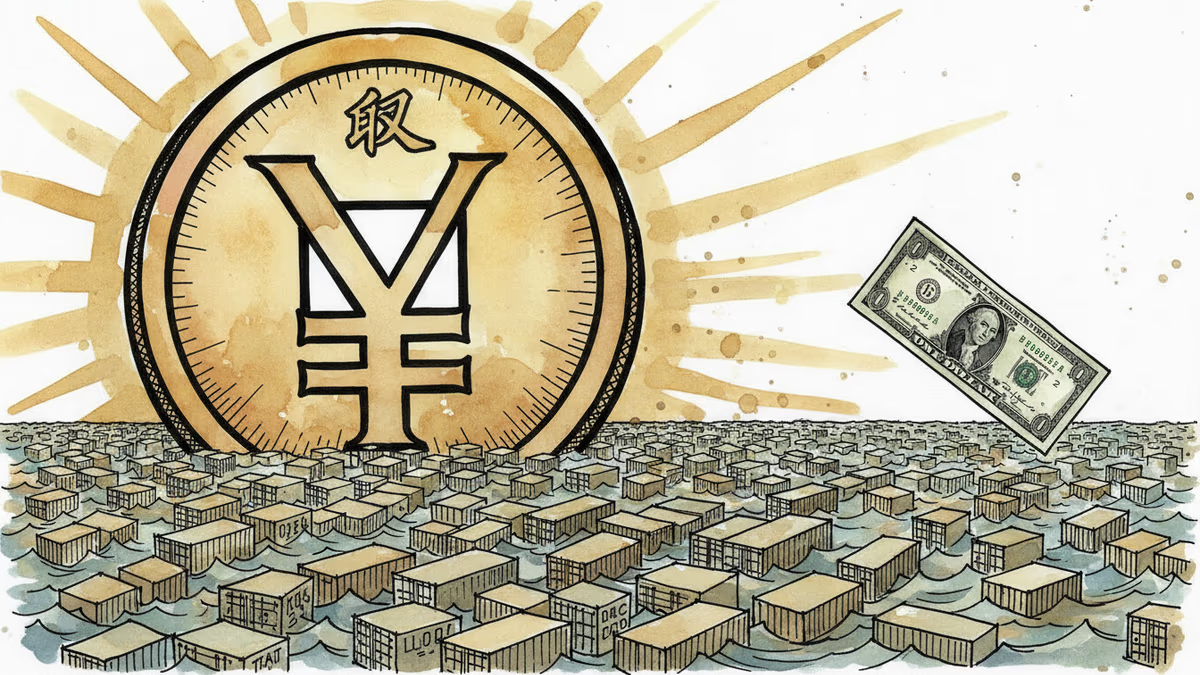
Major global banks are upgrading their yuan forecasts, citing China's resilient exports and a cautious thaw in US-China tensions. Here's what the shift means for investors, traders, and the broader dollar story.
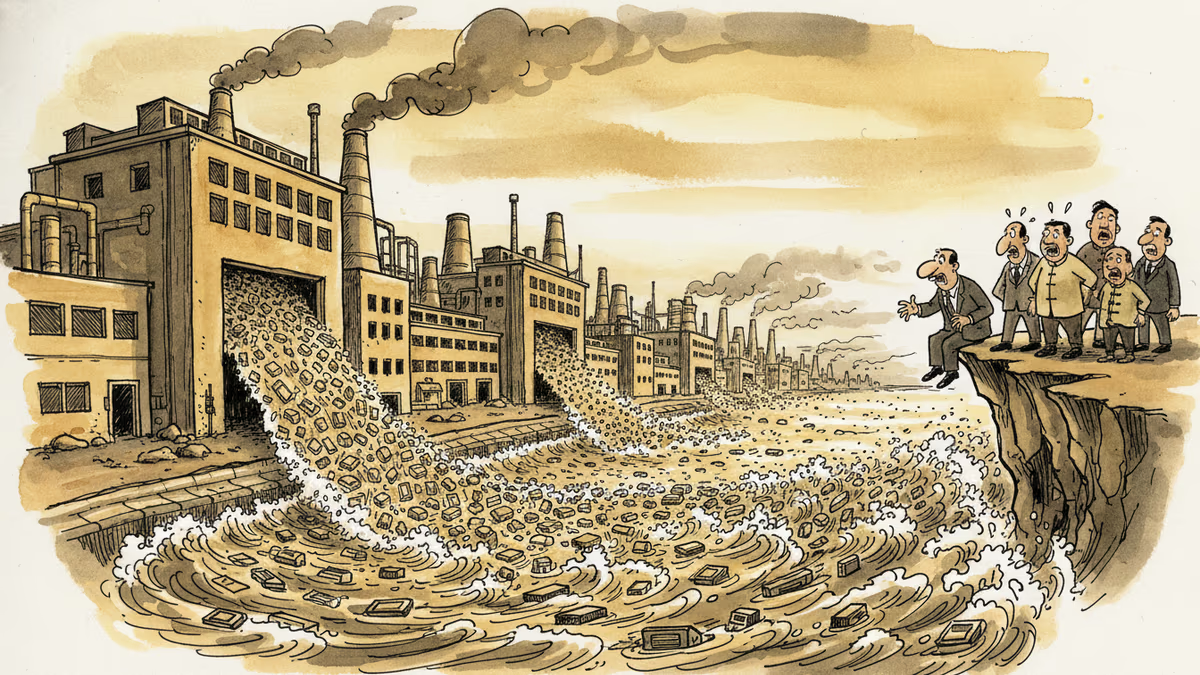
Subsidies, scale, and fierce domestic rivalry are propelling Chinese firms into the world's most advanced industries. Who wins, who loses, and what comes next?
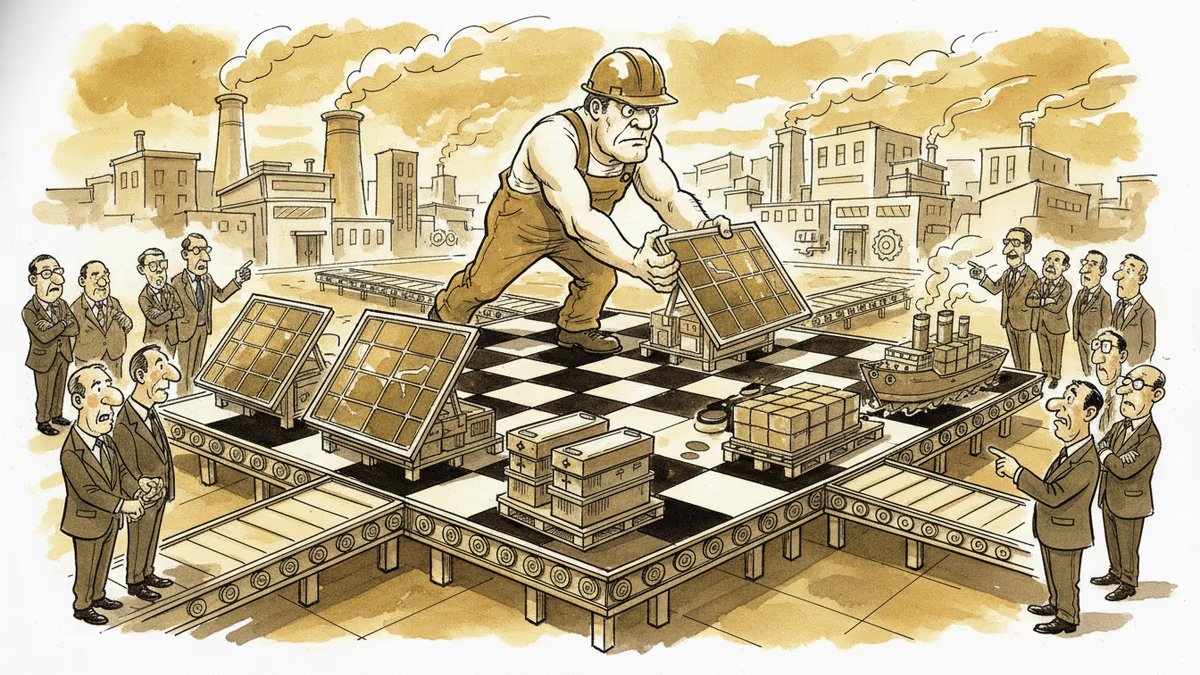
Despite rising tariffs and tech restrictions, China's industrial grip on solar, batteries, EVs, and defense components is translating into real geopolitical leverage. Here's what that means for investors and policymakers.
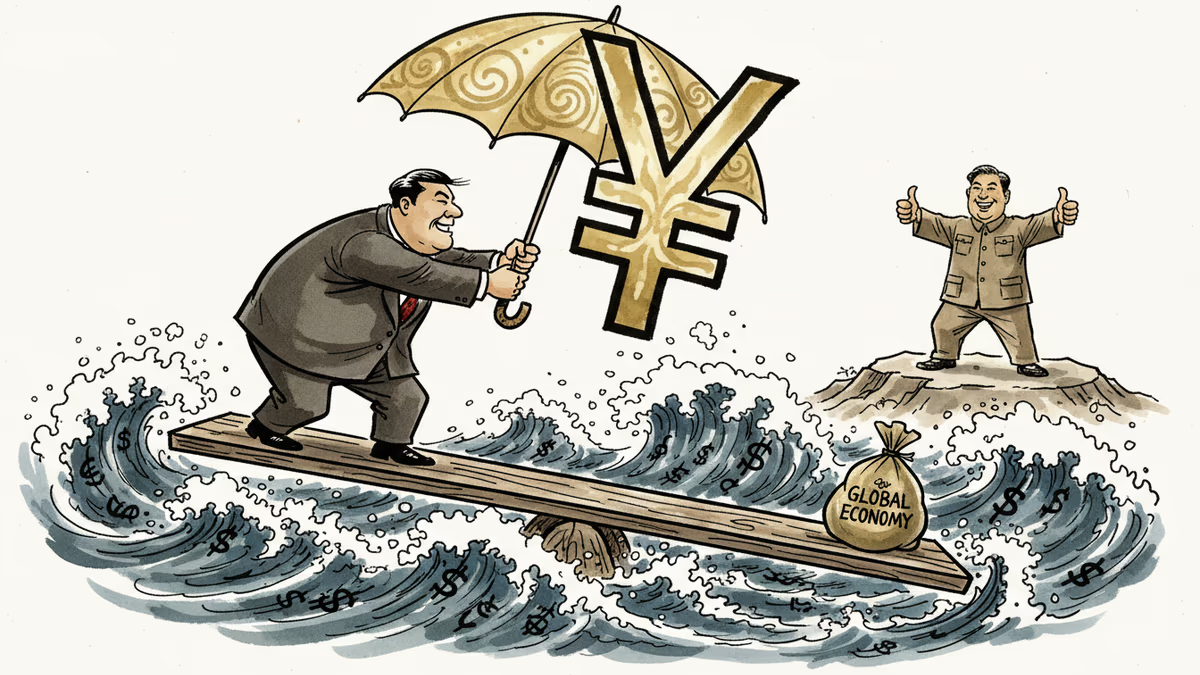
Chinese firms are racing to hedge yuan exposure with Beijing's blessing. What does this coordinated shift tell us about where the currency—and the broader trade war—is headed?
Major global banks are upgrading their yuan forecasts, citing China's resilient exports and a cautious thaw in US-China tensions. Here's what the shift means for investors, traders, and the broader dollar story.
Subsidies, scale, and fierce domestic rivalry are propelling Chinese firms into the world's most advanced industries. Who wins, who loses, and what comes next?
Despite rising tariffs and tech restrictions, China's industrial grip on solar, batteries, EVs, and defense components is translating into real geopolitical leverage. Here's what that means for investors and policymakers.
Chinese firms are racing to hedge yuan exposure with Beijing's blessing. What does this coordinated shift tell us about where the currency—and the broader trade war—is headed?
Thoughts
Share your thoughts on this article
Sign in to join the conversation