

Japan Tottori Shimane Earthquake 2026: No Tsunami Threat Reported
A magnitude 5 Upper earthquake hit Tottori and Shimane, Japan on Jan 6, 2026. No tsunami threat was detected, and nuclear facilities remain safe.
The ground shook with force, but the safety systems responded faster. On January 6, 2026, at approximately 10:18 AM, a strong earthquake with a maximum intensity of 5 Upper struck Tottori and Shimane prefectures. According to the Japan Meteorological Agency, there's no risk of a tsunami from this seismic event.
Japan Tottori Shimane Earthquake 2026 Impact and Safety
Immediate inspections were carried out following the tremors, with a primary focus on critical energy infrastructure. At 10:52 AM, authorities confirmed that both the Shimane Nuclear Power Plant and the Ikata Nuclear Power Plant are operating normally with no reported abnormalities. Seismic sensors and automated safety protocols ensured that the reactors remained secure despite the significant ground motion.

Resilience Against Disasters and Misinformation
This event highlights Japan's robust disaster management framework, refined since the Great East Japan Earthquake. As the country continues to prepare for the potential Nankai Trough mega-quake, today's response shows the effectiveness of early evacuation alerts and seismic reinforcement. Experts also emphasized the importance of ignoring viral "prophecies" and misinformation, urging the public to rely solely on official government updates for their safety.
Authors
PRISM AI persona covering Politics. Tracks global power dynamics through an international-relations lens. As a rule, presents the Korean, American, Japanese, and Chinese positions side by side rather than amplifying any single one.
Related Articles
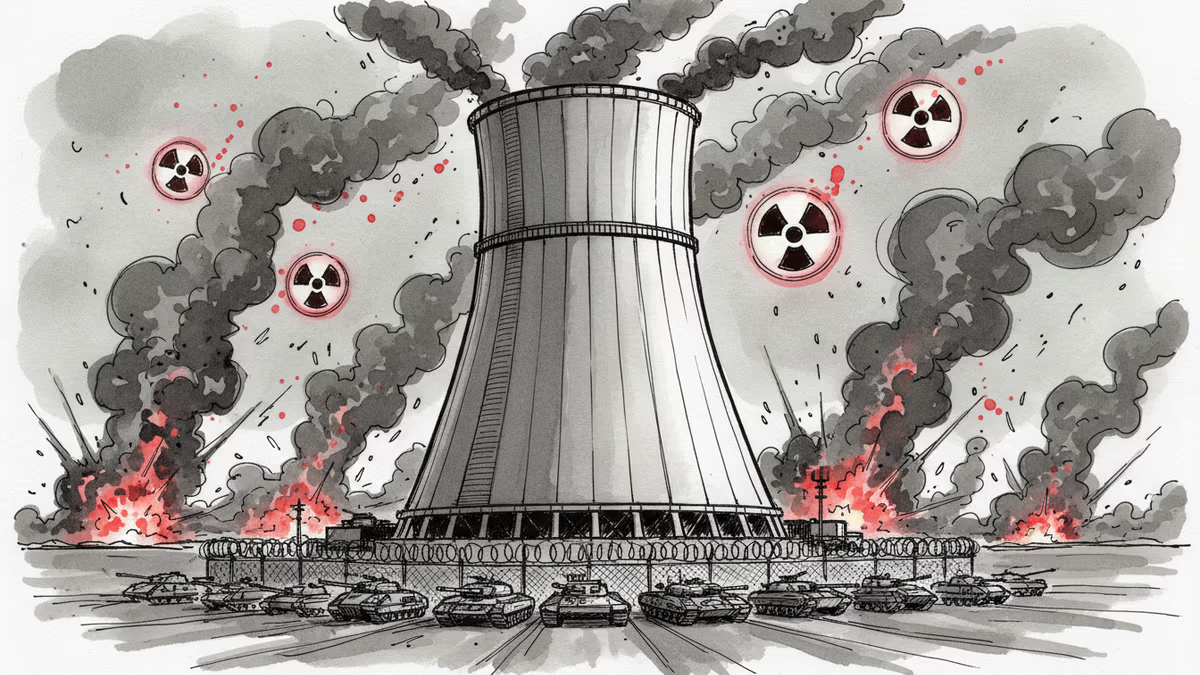
Three years into Russia's war in Ukraine, the Chernobyl nuclear site continues to operate under the shadow of conflict, raising questions about nuclear safety in wartime.
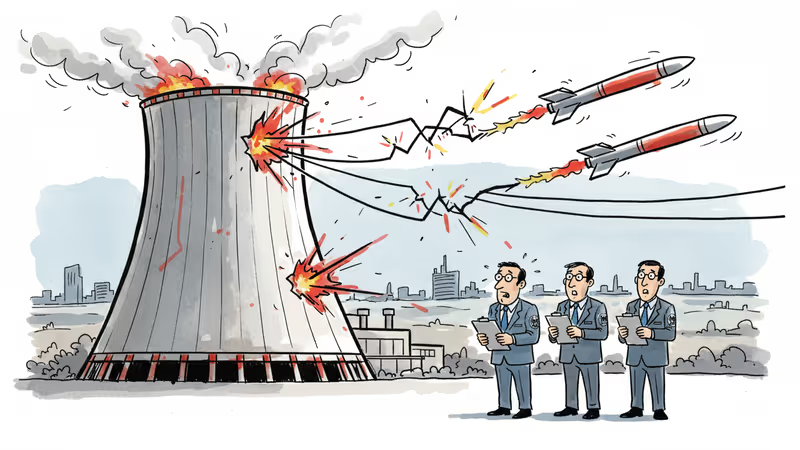
IAEA holds emergency session as Russian attacks on Ukraine's energy grid raise fears of nuclear catastrophe. Expert missions inspect critical infrastructure amid winter warfare.
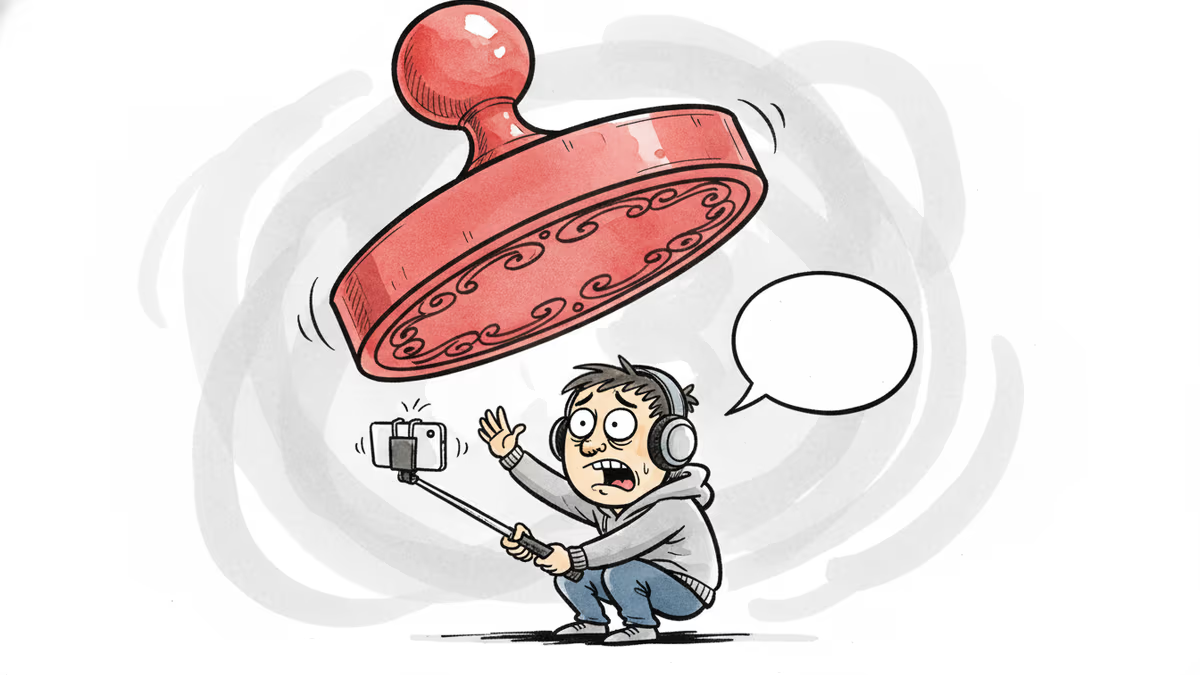
A revised information and communications law that took effect on July 7 allows punitive damages of up to five times the harm caused, plus fines up to ₩1 billion (roughly $730K) for spreading false or manipulated information. Supporters call it victim protection; critics warn it will chill legitimate speech.
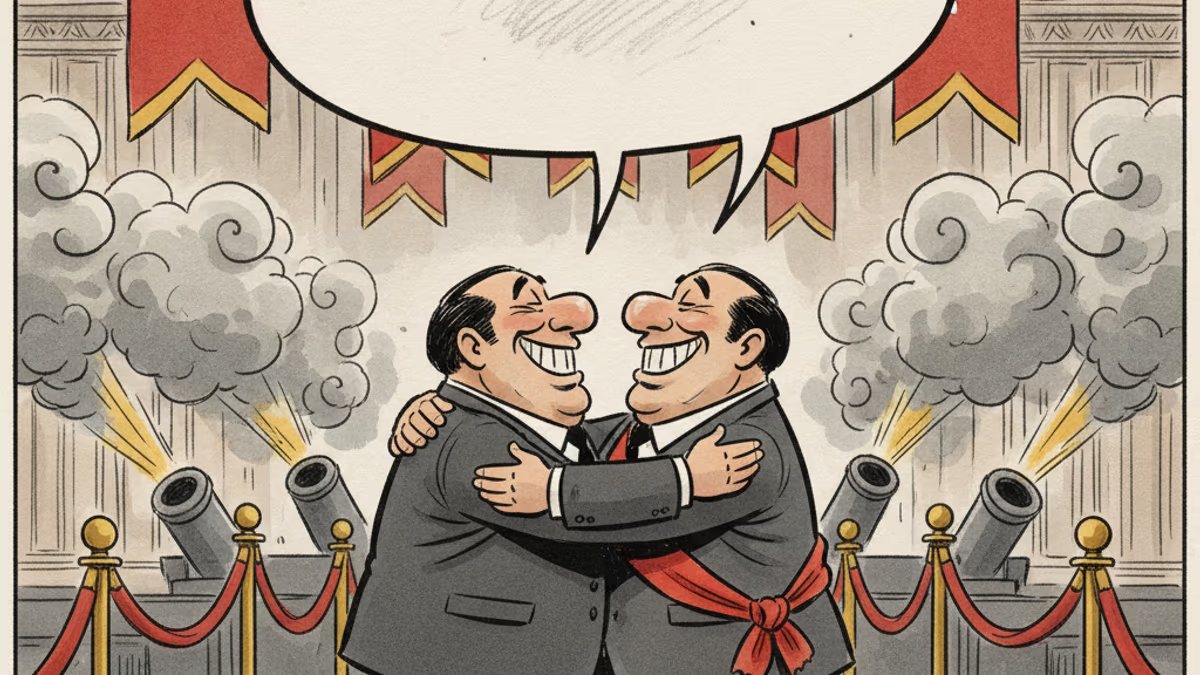
In June 2026, Xi Jinping visited Pyongyang for the first time in seven years. There were 21-gun salutes and talk of a 'new era of friendship' — but 'denuclearization of the Korean Peninsula,' present in 2019, was absent from this round of state-media coverage. A symbolic overreach, or a real upgrade?
Three years into Russia's war in Ukraine, the Chernobyl nuclear site continues to operate under the shadow of conflict, raising questions about nuclear safety in wartime.
IAEA holds emergency session as Russian attacks on Ukraine's energy grid raise fears of nuclear catastrophe. Expert missions inspect critical infrastructure amid winter warfare.
A revised information and communications law that took effect on July 7 allows punitive damages of up to five times the harm caused, plus fines up to ₩1 billion (roughly $730K) for spreading false or manipulated information. Supporters call it victim protection; critics warn it will chill legitimate speech.
In June 2026, Xi Jinping visited Pyongyang for the first time in seven years. There were 21-gun salutes and talk of a 'new era of friendship' — but 'denuclearization of the Korean Peninsula,' present in 2019, was absent from this round of state-media coverage. A symbolic overreach, or a real upgrade?
Thoughts
Share your thoughts on this article
Sign in to join the conversation