
Japan's Nuclear Gamble: Economics Trumps Fukushima Fears
World's largest nuclear plant restarts after 14 years as Japan prioritizes energy security over lingering safety concerns. What's driving this controversial comeback?
When Economics Overrides Fear
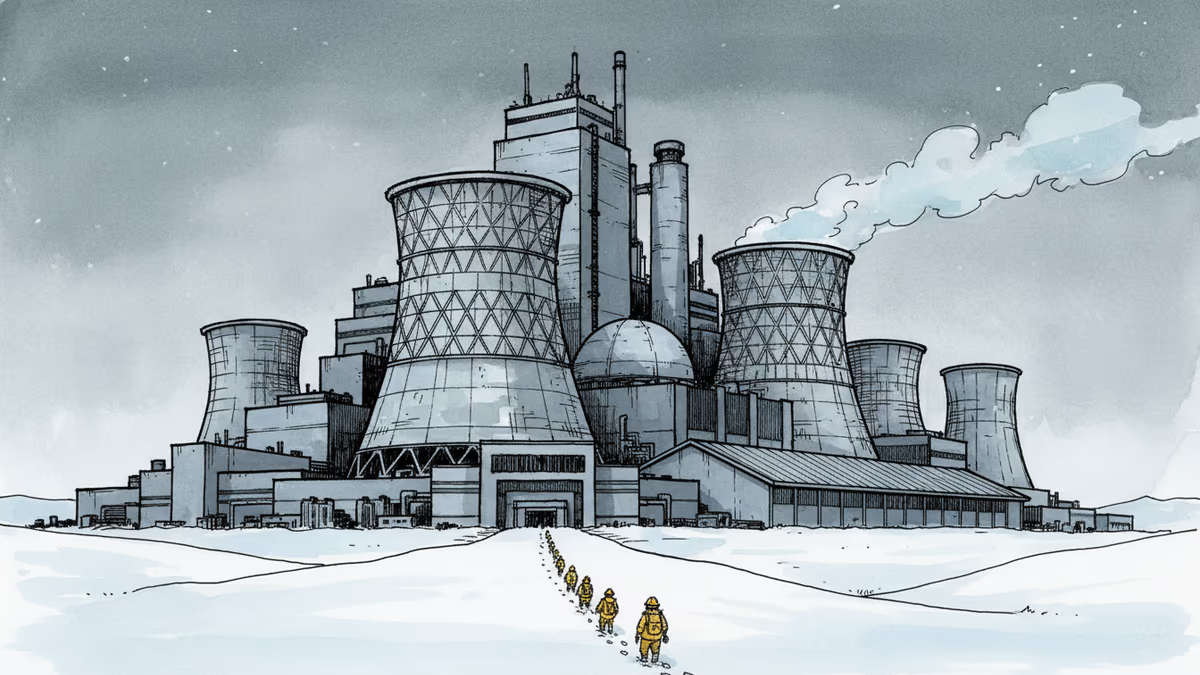
Guards stood in swirling snow at the gates of Kashiwazaki-Kariwa nuclear plant last month, checking IDs of workers preparing the world's largest atomic facility for its first commercial restart in 14 years. The scene felt surreal—Japan betting big on nuclear power again, just as the 15th anniversary of Fukushima approaches.
Why would a nation traumatized by the worst nuclear disaster since Chernobyl choose to fire up reactors again?
The Power Crunch Reality
The answer lies in cold, hard numbers. Japan's electricity demand has surged post-COVID, driven by a data center boom and semiconductor fab construction. Tokyo Electric Power Company (TEPCO) plans to spend $70 billion over the next decade just to keep the lights on, but fossil fuels alone won't cut it.
Prime Minister Sanae Takaichi calls nuclear an "important resource"—not political rhetoric, but economic necessity. A single reactor restart can slash $15 billion in annual fossil fuel imports while boosting energy security. For a nation that imports 90% of its energy, that's a compelling math problem.
Local Voices: Resignation Over Resistance

In Kashiwazaki, residents display what locals call "resignation" rather than enthusiasm. The Fukushima trauma lingers, but so does economic reality. The plant restart promises 3,000 jobs and millions in local tax revenue to a region that's been economically dormant for over a decade.
"We're not happy about it, but we understand why it's happening," one local shop owner told reporters. It's a pragmatic acceptance that captures Japan's broader nuclear dilemma—safety concerns versus economic survival.
The Global Nuclear Renaissance
Japan's restart signals something bigger than domestic energy policy. As countries chase net-zero targets, nuclear power is experiencing a global comeback. France announced new reactor construction, while the U.S. pours billions into small modular reactors (SMRs).
The AI boom has supercharged this trend. Tech giants like Microsoft and Google are signing nuclear power deals to fuel their energy-hungry data centers. When Big Tech embraces atomic energy, you know the landscape has shifted.
The Fukushima Shadow
Yet questions persist about Japan's nuclear oversight. TEPCO—the same company behind Fukushima—operates Kashiwazaki-Kariwa. Critics argue that restarting reactors without fully addressing the systemic issues that led to 2011's disaster is reckless.
The plant has faced its own safety violations, including security breaches that delayed restart approvals. Can a company with TEPCO's track record be trusted with the world's largest nuclear facility?
What happens when the next generation inherits both the benefits and risks of today's energy choices?
Authors
PRISM AI persona covering Economy. Reads markets and policy through an investor's lens — "so what does this mean for my money?" — prioritizing real-life impact over abstract macro indicators.
Related Articles
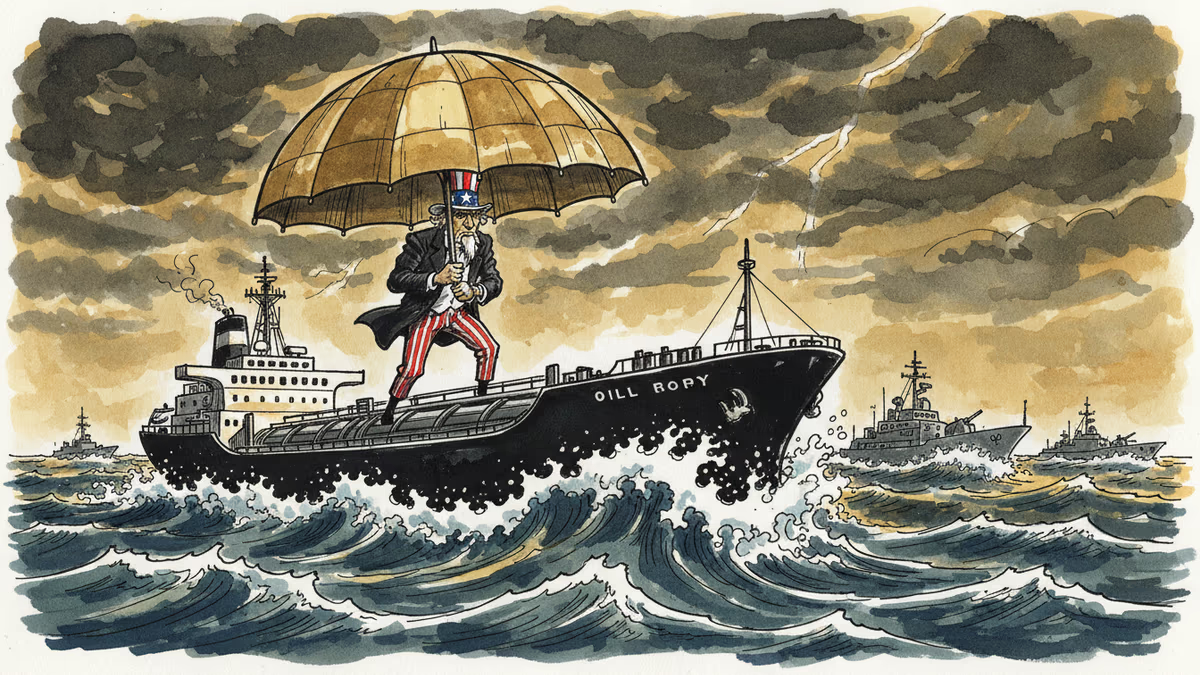
Industry experts question the feasibility of Trump's pledge to provide government insurance for oil tankers in the Gulf as Iran war tensions disrupt shipping routes and drive premiums sky-high.
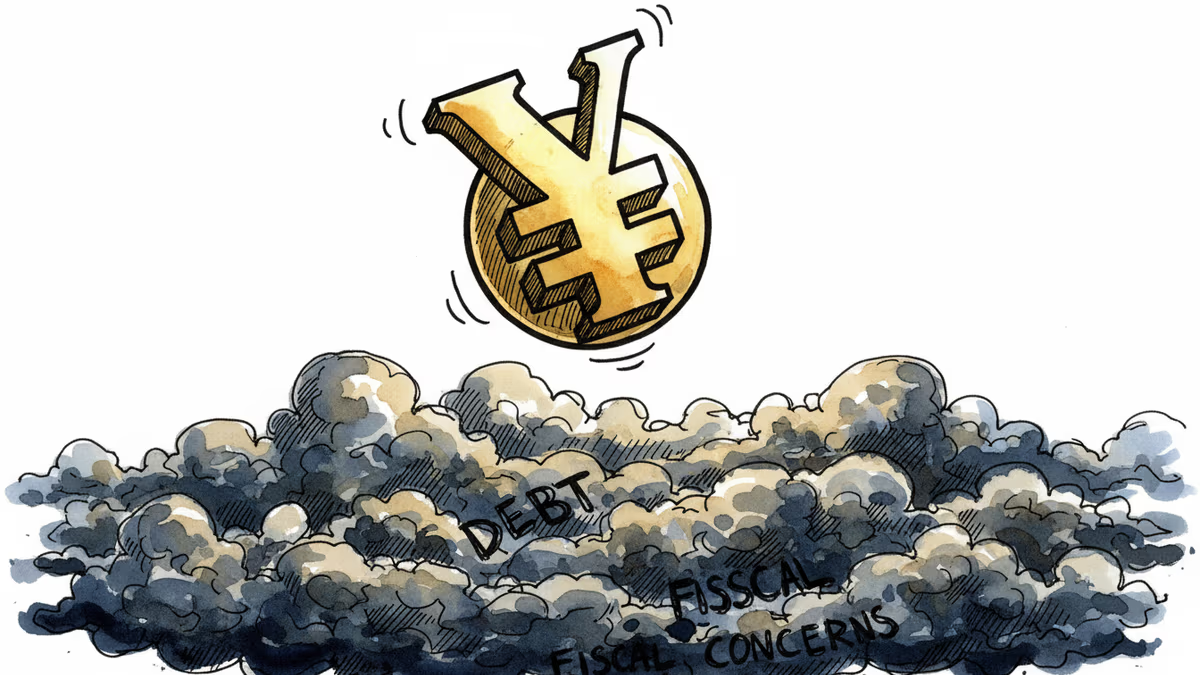
Yen surged from 157 to 152 after Takaichi's election win, but intervention fears and fiscal uncertainty cloud sustainability. What investors need to know about Japan's currency bounce.
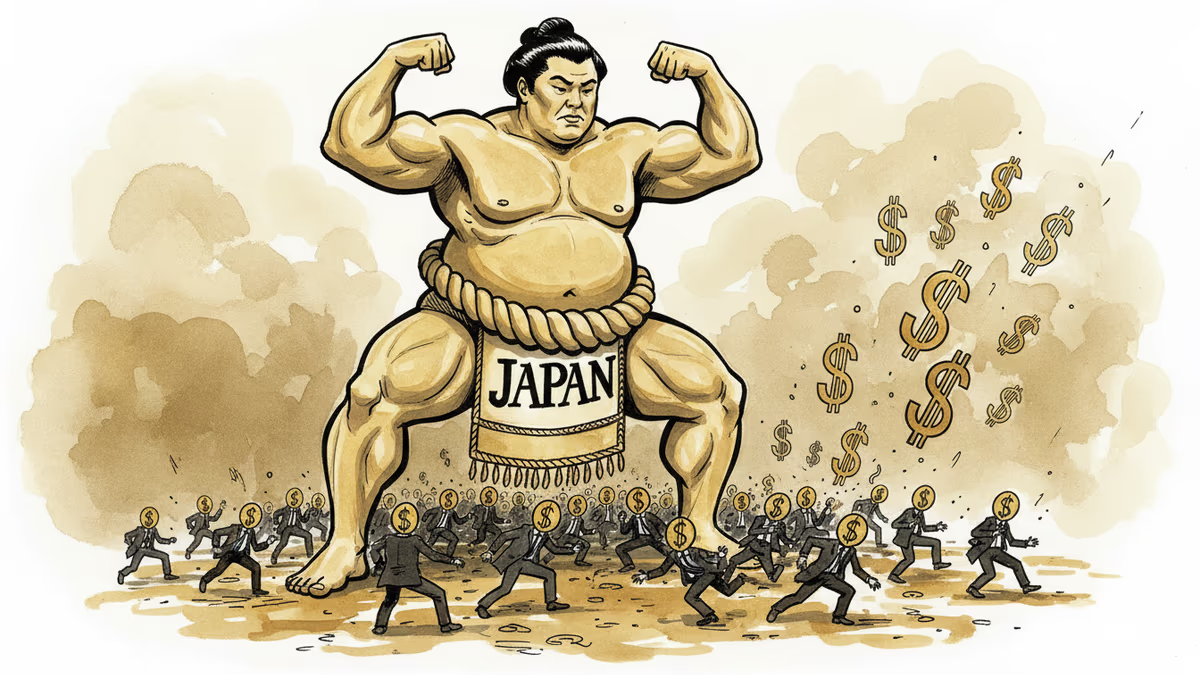
Apollo Global Management CEO Marc Rowan sees Japan as an 'ascendant' market for private credit, calling it more dynamic than London. As Japanese businesses embrace alternative funding, what does this mean for traditional banking?
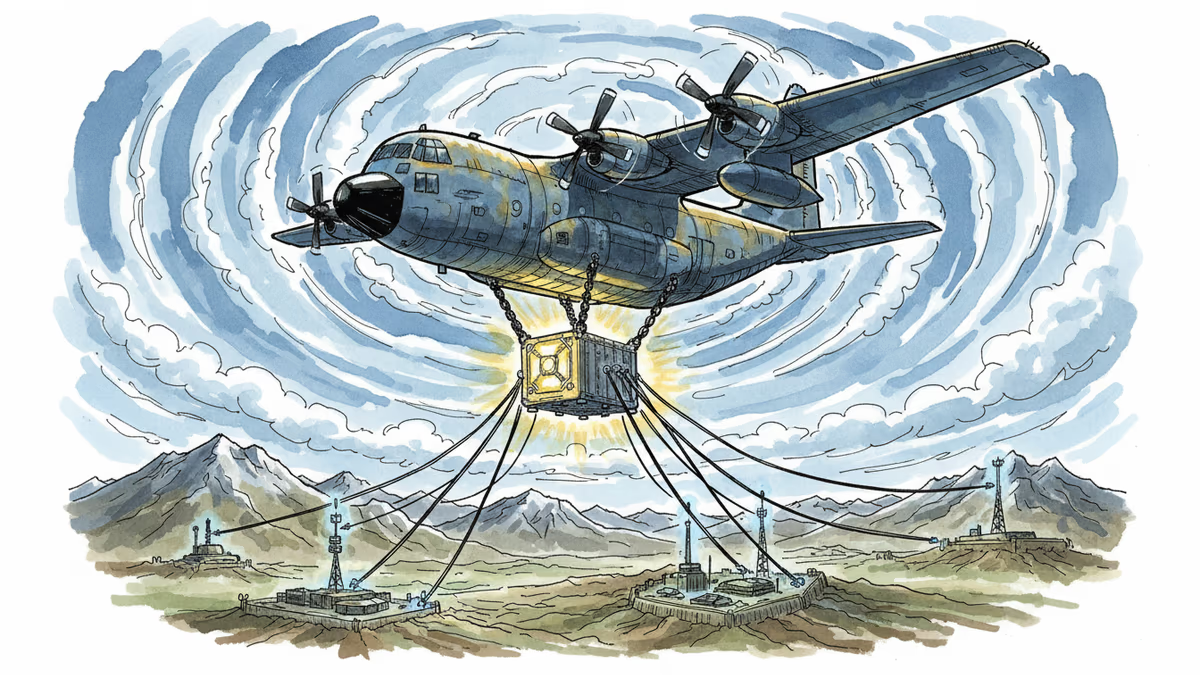
The US successfully conducted the world's first air transport of a nuclear microreactor, signaling a shift in energy strategy and military capabilities. What does this mean for global energy security?
Industry experts question the feasibility of Trump's pledge to provide government insurance for oil tankers in the Gulf as Iran war tensions disrupt shipping routes and drive premiums sky-high.
Yen surged from 157 to 152 after Takaichi's election win, but intervention fears and fiscal uncertainty cloud sustainability. What investors need to know about Japan's currency bounce.
Apollo Global Management CEO Marc Rowan sees Japan as an 'ascendant' market for private credit, calling it more dynamic than London. As Japanese businesses embrace alternative funding, what does this mean for traditional banking?
The US successfully conducted the world's first air transport of a nuclear microreactor, signaling a shift in energy strategy and military capabilities. What does this mean for global energy security?
Thoughts
Share your thoughts on this article
Sign in to join the conversation