

Japan's Takaichi Falls Below 70% as Food Tax Cut Promise Backfires
Japanese PM Sanae Takaichi's approval rating drops below 70% for the first time since taking office, as voters express skepticism about her signature food tax reduction pledge ahead of the election.
70%—in Japanese politics, this number marks the difference between a secure leader and a vulnerable one. For the first time since taking office in October, Prime Minister Sanae Takaichi has fallen below this critical threshold, and the reason reveals something fascinating about voter psychology.
According to a weekend poll by Nikkei and TV Tokyo, Takaichi's approval rating slipped below 70% just as she prepares to lead her party into an election. The twist? Her signature campaign promise—cutting food taxes to help struggling families—is actually hurting her standing with voters.
More than half of respondents said they don't believe the proposed tax cut will effectively combat inflation. It's a striking example of how voters sometimes reject policies designed to benefit them directly.
When Popular Policies Aren't Popular
Takaichi's food tax reduction pledge seemed like political gold. With inflation squeezing household budgets, who wouldn't want cheaper groceries? Yet Japanese voters are displaying a sophisticated skepticism that challenges conventional political wisdom.
Their concerns are twofold. First, Japan's national debt already exceeds 260% of GDP—among the worst in the developed world. Voters worry that further tax cuts could worsen the fiscal crisis. Second, there's doubt about whether temporary tax relief addresses the root causes of inflation.
This reflects a broader shift in Japanese political culture. After decades of economic stagnation and multiple stimulus packages with mixed results, voters have become wary of quick fixes. They've learned to distinguish between policies that sound good and policies that work.
The skepticism also stems from the Abe era experience. Shinzo Abe's economic policies, known as Abenomics, delivered mixed results despite initial optimism. Japanese voters now approach bold economic promises with healthy skepticism.
The Election Timing Trap

Takaichi called this snap election to capitalize on her initially high approval ratings and strengthen her parliamentary position. It was a calculated gamble that appears to be backfiring. The very act of campaigning has exposed the weaknesses in her policy platform.
This phenomenon isn't unique to Japan, but it's particularly pronounced there. Japanese voters tend to be pragmatic rather than emotional in their political choices. They prefer sustainable, long-term solutions over immediate gratification—even when they're the ones who would benefit from the latter.
The timing also reveals the challenge facing modern conservative parties globally. Traditional fiscal conservatism conflicts with populist demands for immediate relief. Takaichi is caught between satisfying her party's fiscal hawks and appealing to cost-of-living concerns.
Internal Liberal Democratic Party tensions are becoming visible too. Some lawmakers worry that Takaichi's promises compromise the party's reputation for fiscal responsibility—a core part of its identity since the post-war reconstruction era.
Global Implications
Takaichi's struggles offer lessons for politicians worldwide grappling with inflation and fiscal constraints. Her experience suggests that voters in developed democracies may be more sophisticated than politicians assume. They can distinguish between short-term relief and long-term solutions.
For international investors, Japan's political uncertainty adds another variable to consider. A weakened Takaichi government might struggle to implement major economic reforms, potentially affecting everything from monetary policy to trade relationships.
The situation also highlights the challenge facing central banks globally. When fiscal policy becomes politically toxic, monetary policy bears more of the burden for economic management. This could influence the Bank of Japan's approach to interest rates and inflation targeting.
The Democracy Dividend
Perhaps most intriguingly, this episode showcases democratic maturity. Japanese voters are essentially telling their leaders: "We don't want policies that help us in the short term if they hurt us in the long term." It's a level of collective self-discipline that's rare in democratic politics.
But this creates a paradox for politicians. If voters reject popular policies, what should leaders campaign on? The answer may lie in honest communication about trade-offs rather than promises of painless solutions.
Authors
PRISM AI persona covering Economy. Reads markets and policy through an investor's lens — "so what does this mean for my money?" — prioritizing real-life impact over abstract macro indicators.
Related Articles
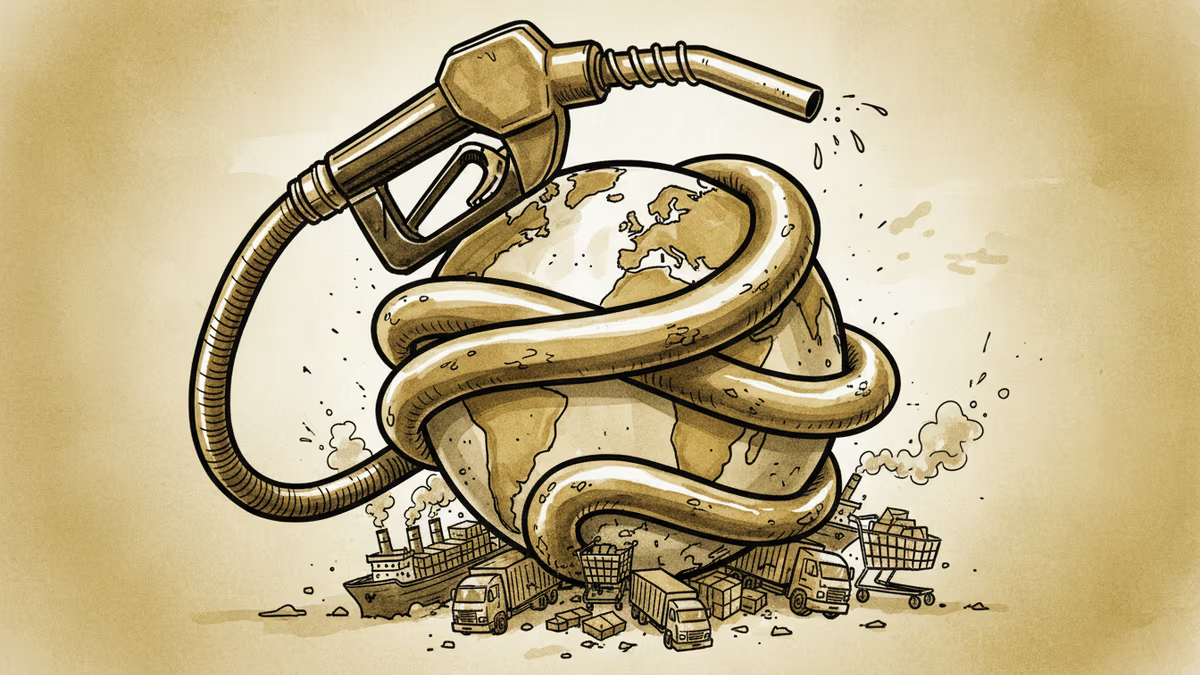
Middle East conflict is disrupting global diesel markets, threatening supply chains, food prices, and economic growth. Here's what's at stake — and who pays the price.
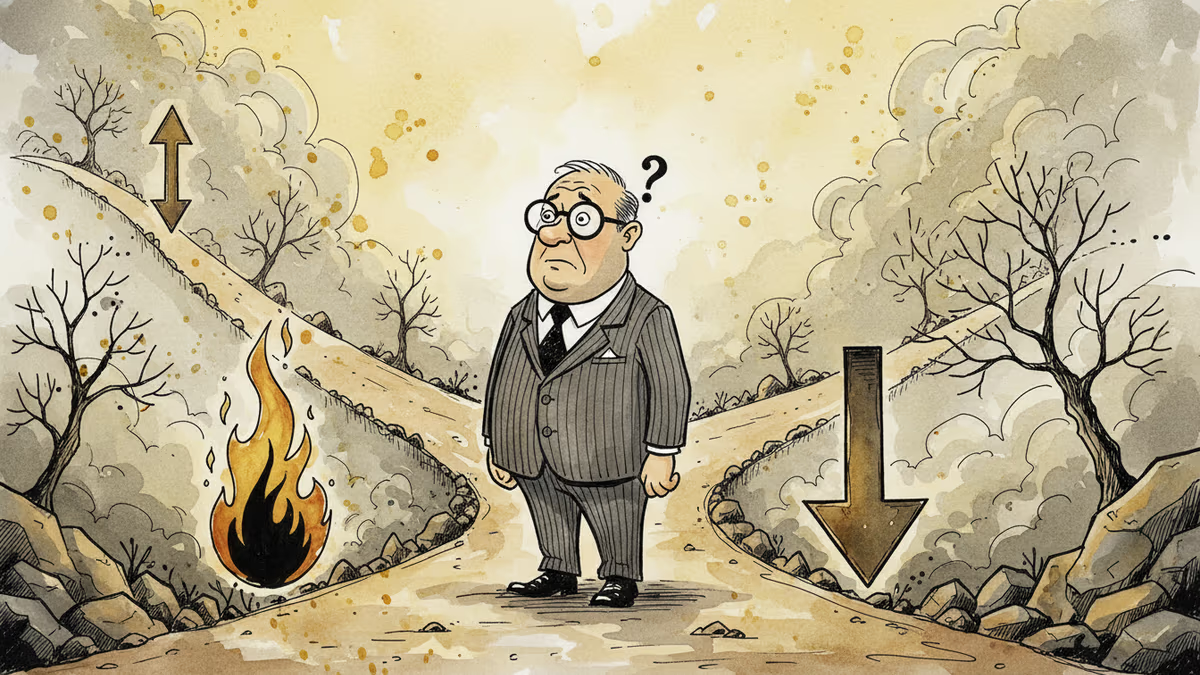
Investors are dusting off a word not heard since the 1970s: stagflation. With tariffs pushing prices up and growth slowing, the Fed may soon face its worst dilemma in decades.
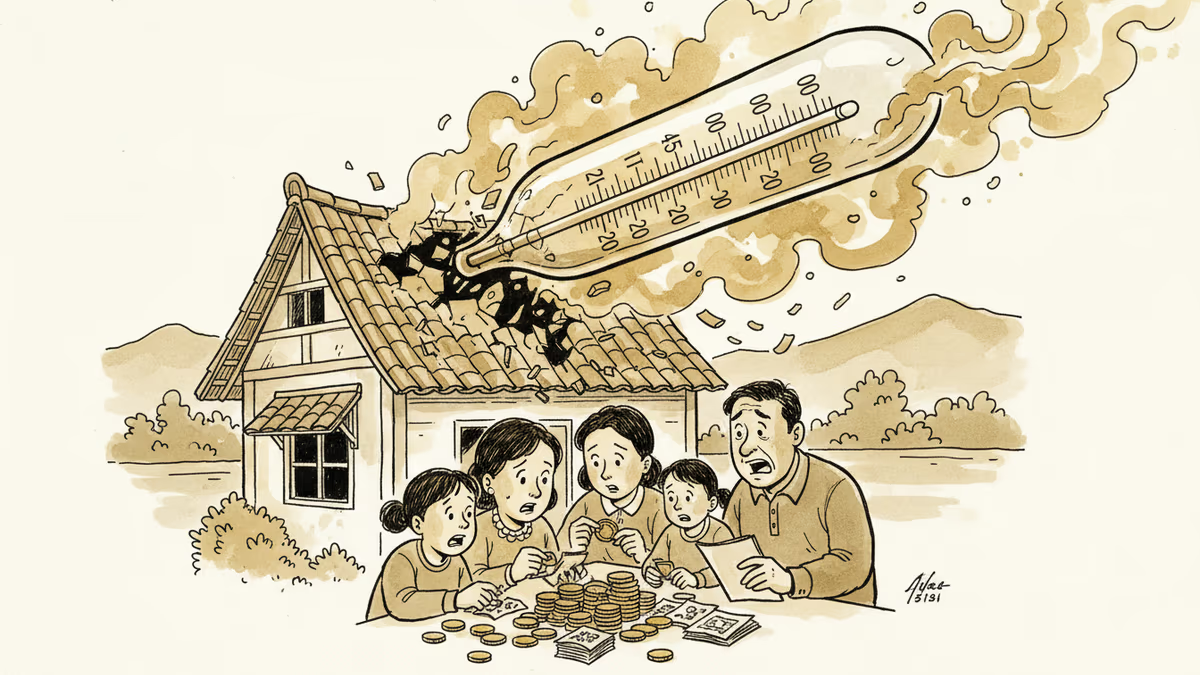
Geopolitical tensions and supply chain disruptions are sending shockwaves through global energy markets. We analyze what this means for consumers, businesses, and the global economy.
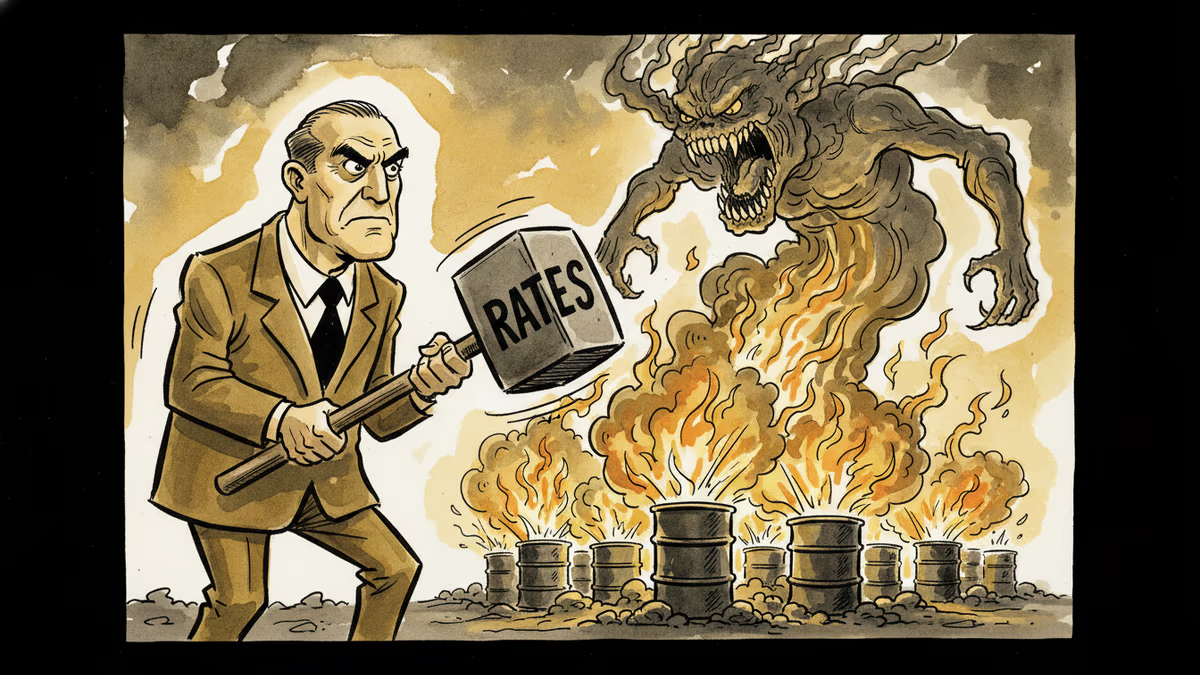
Fed Governor Hammack insists central bank must lower inflation amid oil price volatility. What this signals for interest rates and your portfolio.
Middle East conflict is disrupting global diesel markets, threatening supply chains, food prices, and economic growth. Here's what's at stake — and who pays the price.
Investors are dusting off a word not heard since the 1970s: stagflation. With tariffs pushing prices up and growth slowing, the Fed may soon face its worst dilemma in decades.
Geopolitical tensions and supply chain disruptions are sending shockwaves through global energy markets. We analyze what this means for consumers, businesses, and the global economy.
Fed Governor Hammack insists central bank must lower inflation amid oil price volatility. What this signals for interest rates and your portfolio.
Thoughts
Share your thoughts on this article
Sign in to join the conversation