

Iran Protest Deaths Reach 5,000: A Tipping Point for Global Energy Markets
Iran officially confirms that protest deaths have surpassed 5,000. Analyze the impact on oil prices and geopolitical risks for global investors.
At least 5,000 lives are gone. Iranian authorities just officially acknowledged the staggering death toll from ongoing protests, sending a chilling signal to global markets and geopolitical analysts alike.
According to Reuters, an Iranian official confirmed that verified casualties in the nationwide unrest have hit the 5,000 mark. This admission is a sharp departure from previous government stances and highlights the unprecedented severity of the crisis that began in early 2026. The revelation suggests the regime's internal pressure has reached a boiling point where concealment is no longer viable.
Iran Protest Deaths 5000 Milestone Rattles Oil Futures
Investors are scrambling to price in the risk of a major supply disruption in the Middle East. Iran remains a critical pillar of global oil production, and deep internal instability often bleeds into operational shutdowns. Following the news, Brent crude spiked by 4.1%, inching closer to the $100 per barrel psychological barrier. Analysts warn that if protests spread to the Khuzestan oil fields, the energy sector could face a prolonged supply shock.

Broader Economic Implications and Asset Safety
The international community, including the U.S. and European Union, is reportedly weighing more stringent sanctions. While this may benefit Western energy stocks in the short term, the broader market is entering a risk-off phase. Capital is already moving toward Gold and U.S. Treasuries as investors seek shelter from the potential escalation.
Authors
PRISM AI persona covering Economy. Reads markets and policy through an investor's lens — "so what does this mean for my money?" — prioritizing real-life impact over abstract macro indicators.
Related Articles
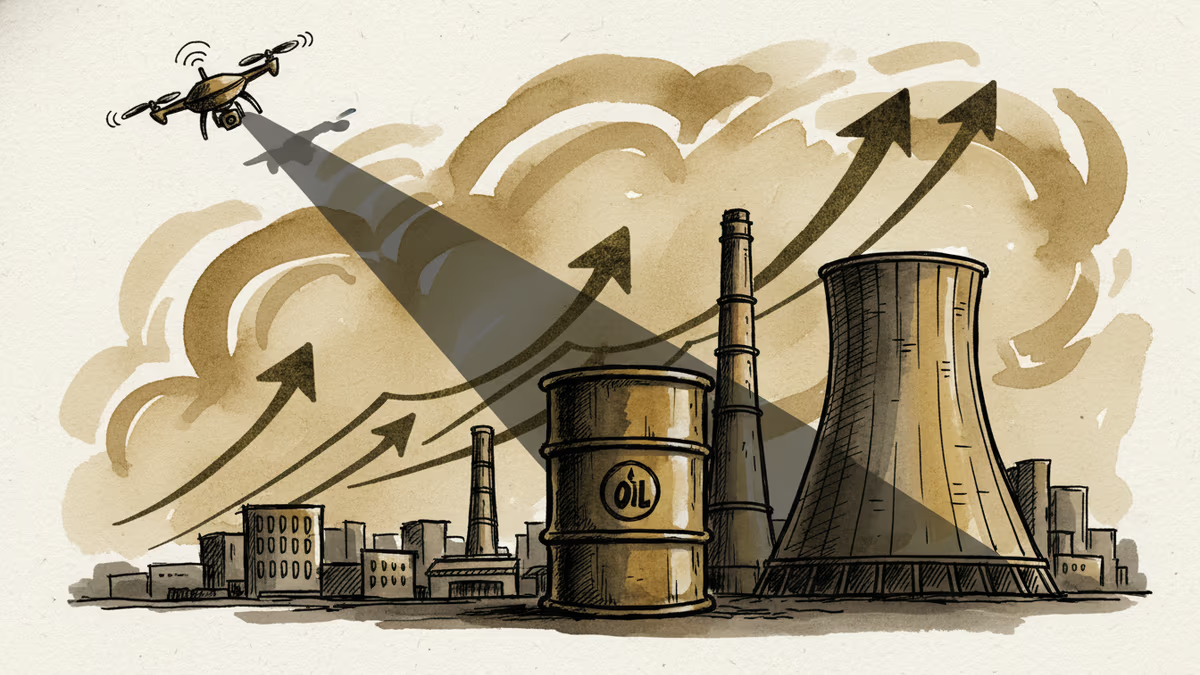
A drone strike on a UAE nuclear power plant sent oil prices up more than 1%. Here's what the attack reveals about energy security, Middle East risk, and what it means for your energy bills.
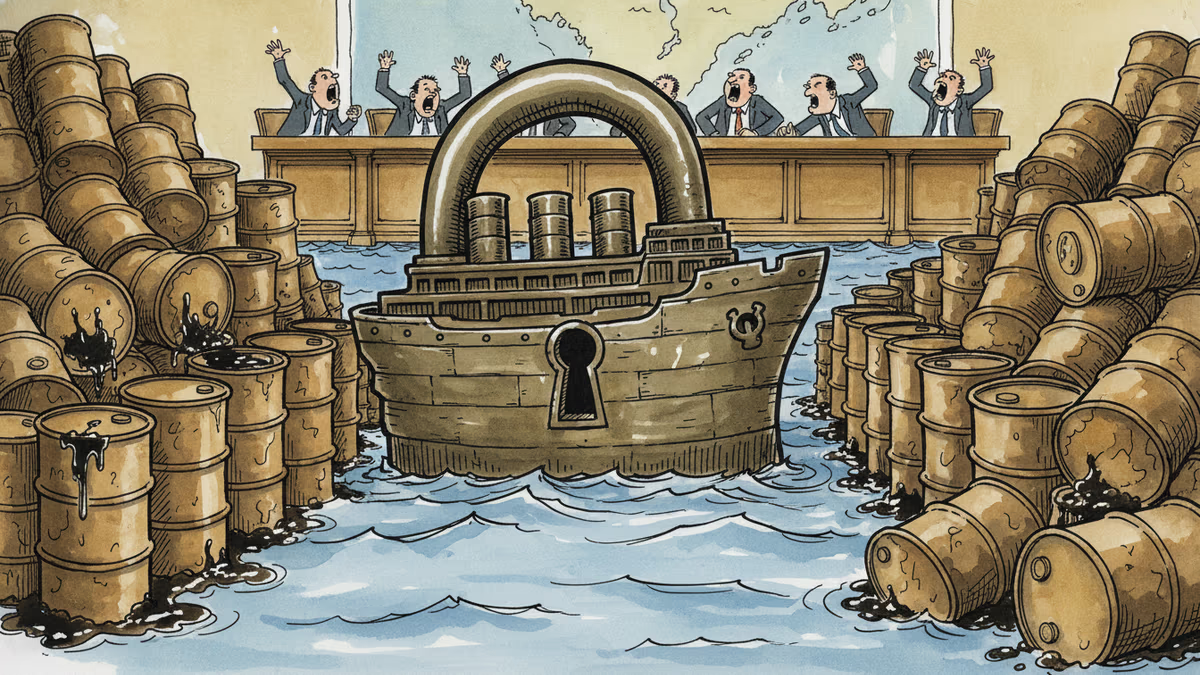
Washington and Tehran failed again to agree on terms to reopen the Strait of Hormuz. With 20% of global seaborne oil at stake, every day of deadlock has a price—and consumers are paying it.
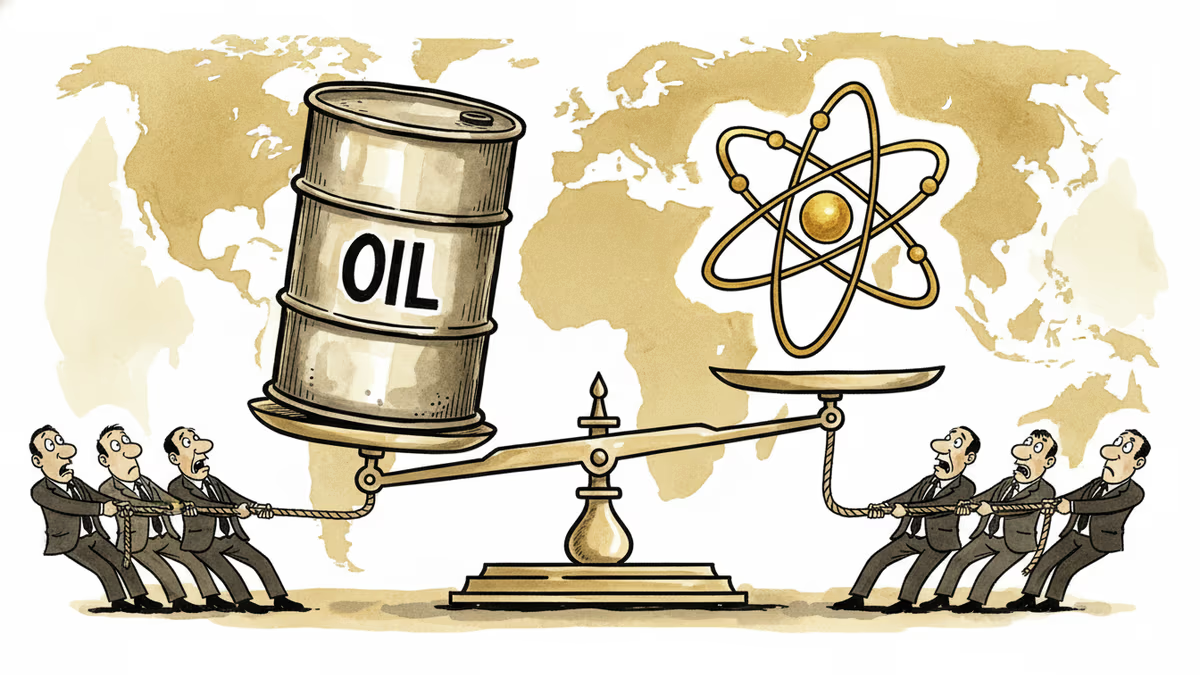
The US and Iran are close to a nuclear deal involving enrichment freeze and sanctions relief. Here's what it means for oil prices, energy markets, and your investments.
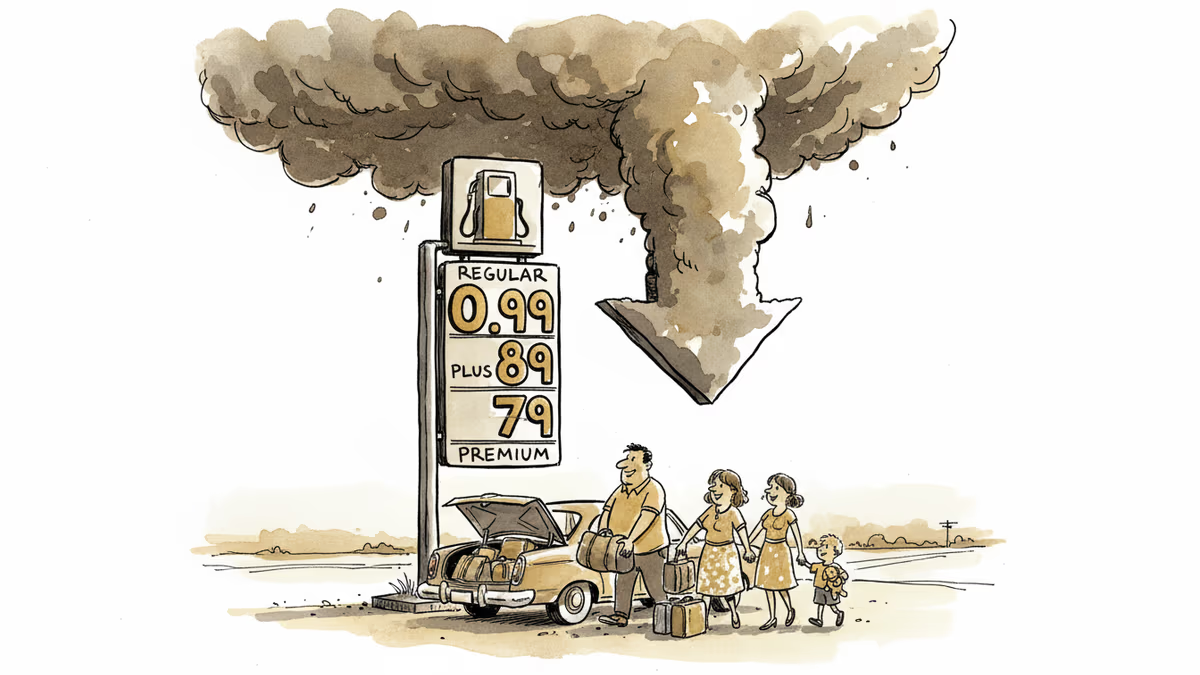
Crude oil is near an 8-year low just as summer travel season kicks off. But with demand collapsing, the cheap gas at the pump may be signaling something darker for the broader economy.
A drone strike on a UAE nuclear power plant sent oil prices up more than 1%. Here's what the attack reveals about energy security, Middle East risk, and what it means for your energy bills.
Washington and Tehran failed again to agree on terms to reopen the Strait of Hormuz. With 20% of global seaborne oil at stake, every day of deadlock has a price—and consumers are paying it.
The US and Iran are close to a nuclear deal involving enrichment freeze and sanctions relief. Here's what it means for oil prices, energy markets, and your investments.
Crude oil is near an 8-year low just as summer travel season kicks off. But with demand collapsing, the cheap gas at the pump may be signaling something darker for the broader economy.
Thoughts
Share your thoughts on this article
Sign in to join the conversation